

Parameters
- 322bladzijden
- 12 uur lezen
Meer over het boek
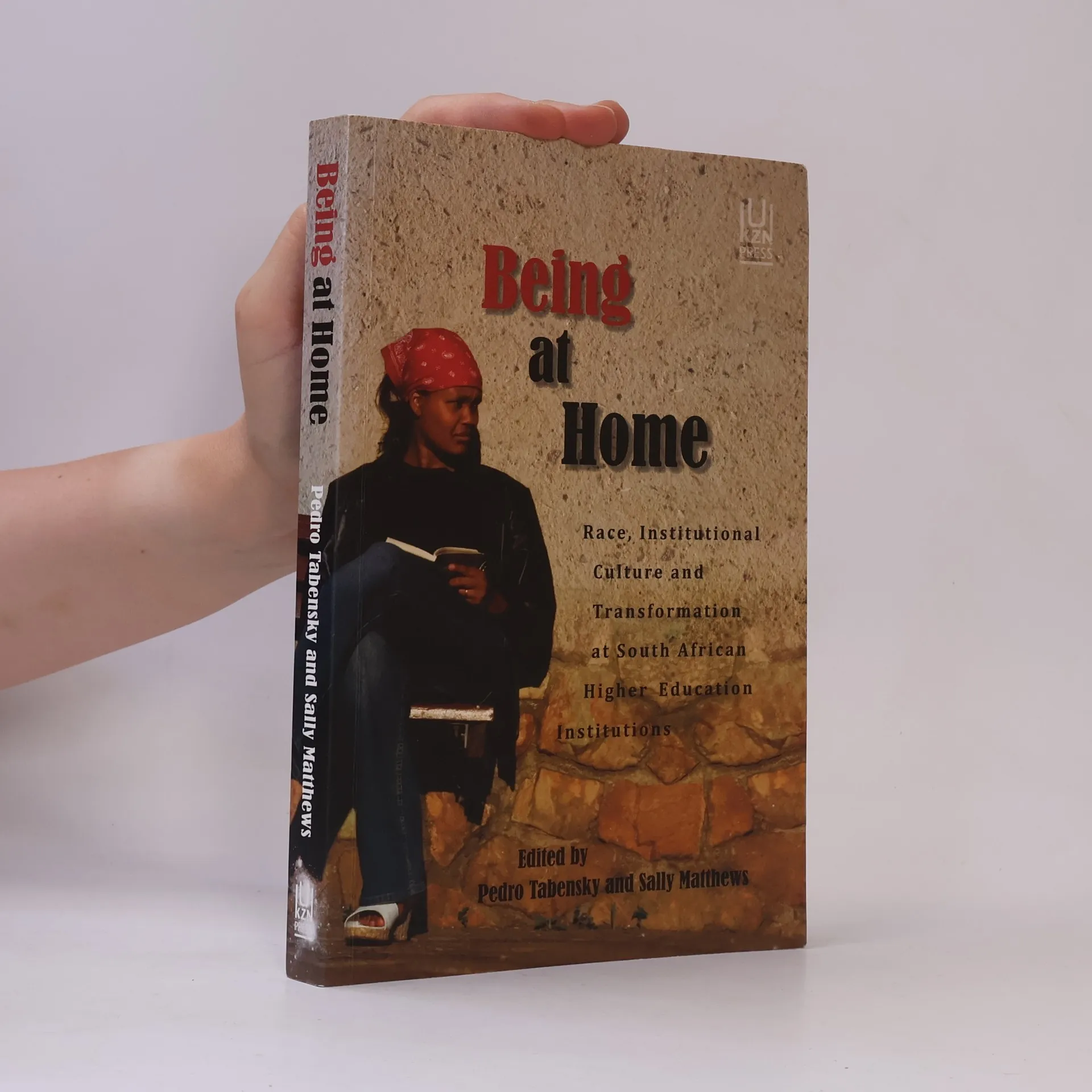
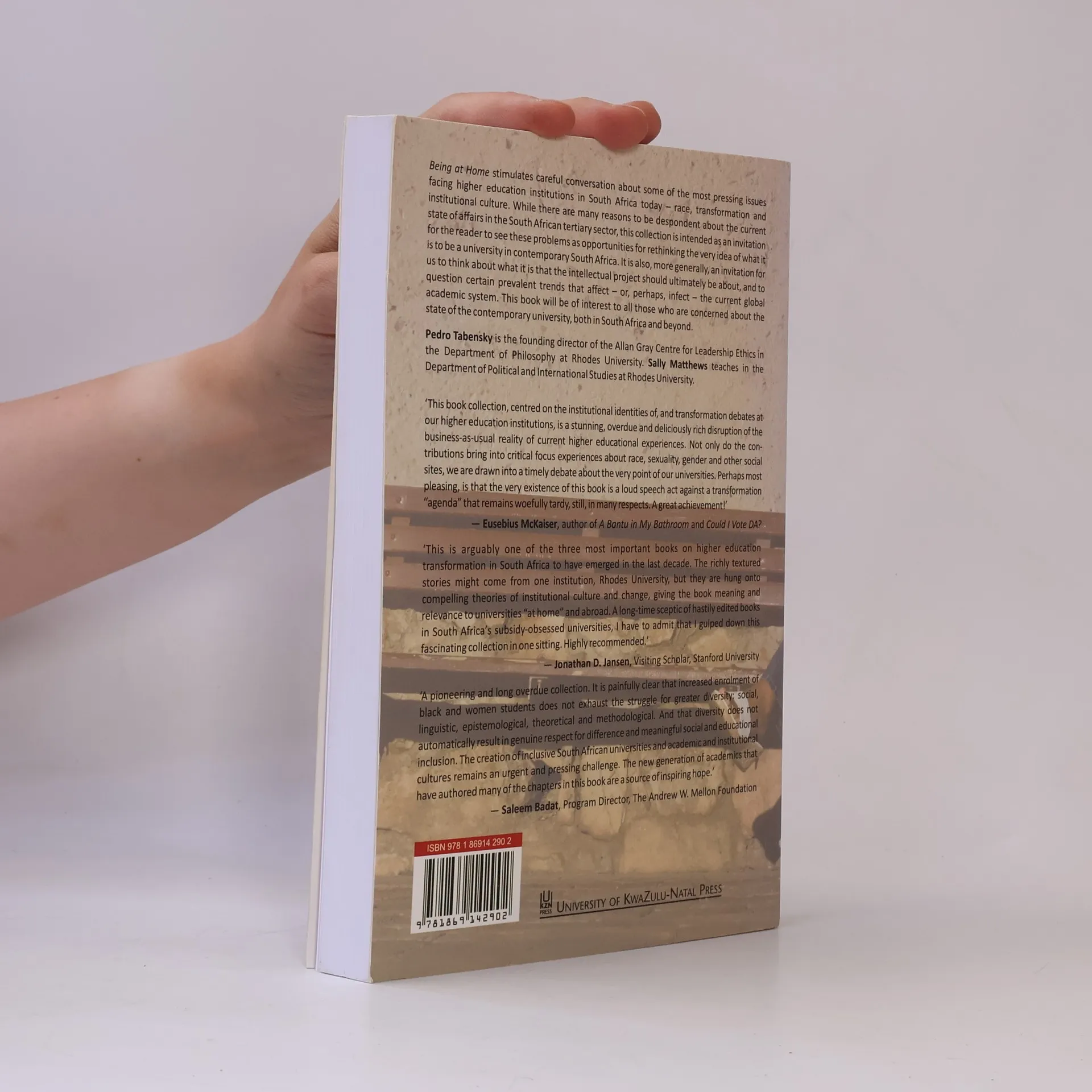
Being at Home stimulates careful conversation about some of the most pressing issues facing higher education institutions in South Africa today - race, transformation, and institutional culture. While there are many reasons to be despondent about the current state of affairs in the South African tertiary sector, this book is an invitation for the reader to see these problems as opportunities for rethinking the very idea of what it is to be a university in contemporary South Africa. It is also, more generally, an invitation to think about what it is that the intellectual project should ultimately be about, and to question certain prevalent trends that affect - or, perhaps, infect - the current global academic system. The volume will be of interest to all those who are concerned about the state of the contemporary university, both in South Africa and beyond. [Subject: African Studies, Higher Education]
Een boek kopen
Being at Home, Pedro Alexis Tabensky, Sally Matthews
- Taal

- Jaar van publicatie
- 2015
- Bindwijze
- (Paperback),
- Staat van het boek
- Goed
- Prijs
- € 2,39
Betaalmethoden
Nog niemand heeft beoordeeld.
- Titel
- Being at Home
- Ondertitel
- Race, Institutional Culture and Transformation at South African Higher Education Institutions
- Taal
- Engels
- Auteurs
- Pedro Alexis Tabensky, Sally Matthews
- Jaar van publicatie
- 2015
- Formaat
- Paperback
- Aantal pagina's
- 322
- ISBN10
- 186914290X
- ISBN13
- 9781869142902
- Reeks
- Tags
- Onderwijs, schoolwezen, Afrika, Verzamelde Werken, Republiek Zuid-Afrika, Etniciteit, Multiculturele Educatie
- Aantekening
- Being at Home stimulates careful conversation about some of the most pressing issues facing higher education institutions in South Africa today - race, transformation, and institutional culture. While there are many reasons to be despondent about the current state of affairs in the South African tertiary sector, this book is an invitation for the reader to see these problems as opportunities for rethinking the very idea of what it is to be a university in contemporary South Africa. It is also, more generally, an invitation to think about what it is that the intellectual project should ultimately be about, and to question certain prevalent trends that affect - or, perhaps, infect - the current global academic system. The volume will be of interest to all those who are concerned about the state of the contemporary university, both in South Africa and beyond. [Subject: African Studies, Higher Education]