



Meer over het boek
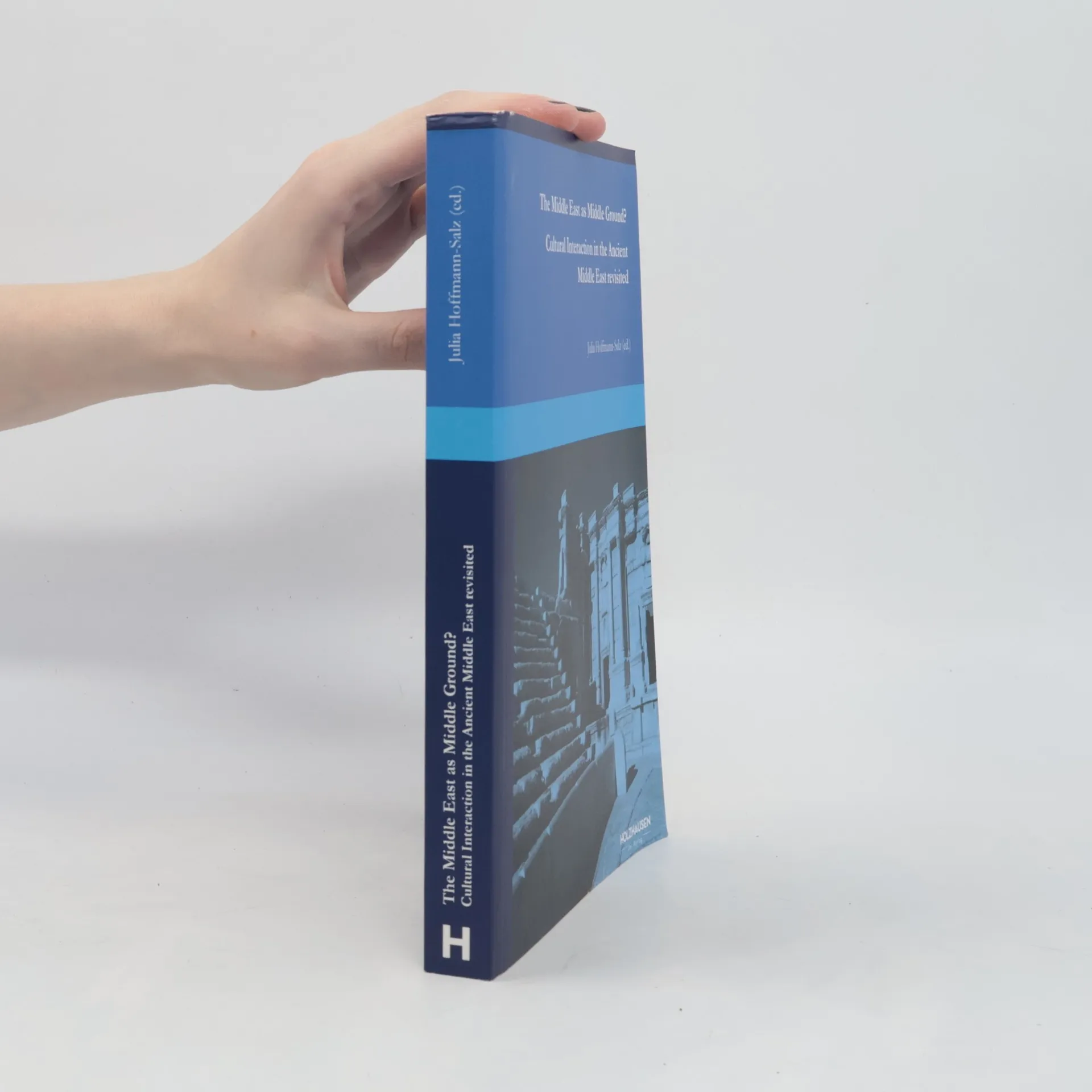
The Middle East has long been a site of cultural interaction among local communities and larger political entities, necessitating ongoing negotiations among various groups. The Middle Ground concept, originally developed by Richard White for the 18th-century Great Lakes region, serves as a valuable analytical framework for these interactions. This volume's papers stem from a conference held at Cologne University in April 2017, exploring the application of the Middle Ground concept to the ancient Middle East while also fostering new ideas about cultural contact. The expansion of dominant powers like the Hellenistic monarchies and the Roman Empire created a demand for local partners who could negotiate a communicable framework, despite the inherent risks of misunderstandings. Concurrently, native communities leveraged their interactions with these dominant groups to express their identities and articulate their interests within this evolving framework. Thus, the Ancient Middle East emerges as a Middle Ground—a dynamic space where diverse cultural actors engaged in negotiations to reach a shared understanding.
Een boek kopen
The Middle East as Middle Ground?, Julia Hoffmann-Salz
- Taal

- Jaar van publicatie
- 2021
- Bindwijze
- (Paperback),
- Staat van het boek
- Goed
- Prijs
- € 4,89
Betaalmethoden
Nog niemand heeft beoordeeld.
- Titel
- The Middle East as Middle Ground?
- Ondertitel
- Cultural Interaction in the Ancient Middle East Revisited
- Taal
- Engels
- Auteurs
- Julia Hoffmann-Salz
- Uitgever
- Holzhausen Verlag
- Jaar van publicatie
- 2021
- Formaat
- Paperback
- Aantal pagina's
- 280
- ISBN10
- 390320756X
- ISBN13
- 9783903207561
- Reeks
- Categorieën
- Aantekening
- The Middle East has long been a site of cultural interaction among local communities and larger political entities, necessitating ongoing negotiations among various groups. The Middle Ground concept, originally developed by Richard White for the 18th-century Great Lakes region, serves as a valuable analytical framework for these interactions. This volume's papers stem from a conference held at Cologne University in April 2017, exploring the application of the Middle Ground concept to the ancient Middle East while also fostering new ideas about cultural contact. The expansion of dominant powers like the Hellenistic monarchies and the Roman Empire created a demand for local partners who could negotiate a communicable framework, despite the inherent risks of misunderstandings. Concurrently, native communities leveraged their interactions with these dominant groups to express their identities and articulate their interests within this evolving framework. Thus, the Ancient Middle East emerges as a Middle Ground—a dynamic space where diverse cultural actors engaged in negotiations to reach a shared understanding.