

Parameters
- 241bladzijden
- 9 uur lezen
Meer over het boek
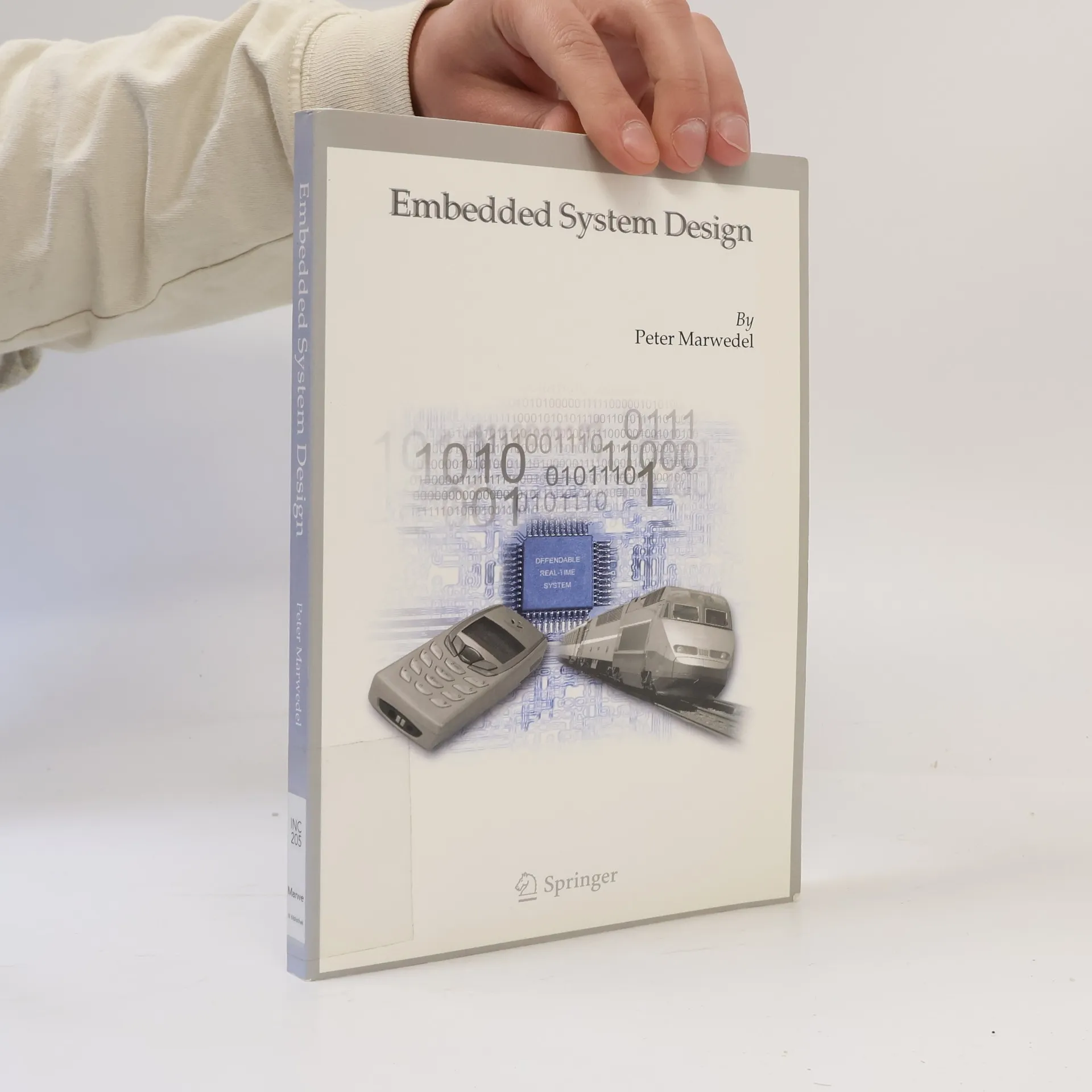
Until the late eighties, information processing was linked to large mainframe computers and tape drives. The nineties saw a shift towards personal computers (PCs), and this trend of miniaturization continues. Future information processing systems are expected to be small and embedded within larger products like transportation and fabrication equipment, leading to the rise of embedded systems. The market for these systems is projected to surpass that of traditional PCs and mainframes. Embedded systems possess unique characteristics, such as dependability, efficiency, real-time constraints, and the need for customized user interfaces rather than standard keyboard and mouse setups. Thus, understanding the principles of embedded system design is crucial. The text begins with an introduction to the field and an overview of specification languages for embedded systems. It also covers hardware devices, essential software design, and briefly touches on real-time operating systems and scheduling. Techniques for implementing embedded systems through hardware/software co-design are discussed, concluding with validation techniques. This resource serves as a textbook for embedded systems courses and a reference for PhD students and educators, assuming a foundational knowledge of information processing hardware and software.
Een boek kopen
Embedded System Design, Peter Marwedel
- Taal

- Jaar van publicatie
- 2005
- Bindwijze
- (Paperback)
Betaalmethoden
Nog niemand heeft beoordeeld.
- Titel
- Embedded System Design
- Taal
- Engels
- Auteurs
- Peter Marwedel
- Uitgever
- Springer
- Jaar van publicatie
- 2005
- Formaat
- Paperback
- Aantal pagina's
- 241
- ISBN10
- 0387292373
- ISBN13
- 9780387292373
- Reeks
- Categorieën
- Aantekening
- Until the late eighties, information processing was linked to large mainframe computers and tape drives. The nineties saw a shift towards personal computers (PCs), and this trend of miniaturization continues. Future information processing systems are expected to be small and embedded within larger products like transportation and fabrication equipment, leading to the rise of embedded systems. The market for these systems is projected to surpass that of traditional PCs and mainframes. Embedded systems possess unique characteristics, such as dependability, efficiency, real-time constraints, and the need for customized user interfaces rather than standard keyboard and mouse setups. Thus, understanding the principles of embedded system design is crucial. The text begins with an introduction to the field and an overview of specification languages for embedded systems. It also covers hardware devices, essential software design, and briefly touches on real-time operating systems and scheduling. Techniques for implementing embedded systems through hardware/software co-design are discussed, concluding with validation techniques. This resource serves as a textbook for embedded systems courses and a reference for PhD students and educators, assuming a foundational knowledge of information processing hardware and software.