

Parameters
- 272bladzijden
- 10 uur lezen
Meer over het boek
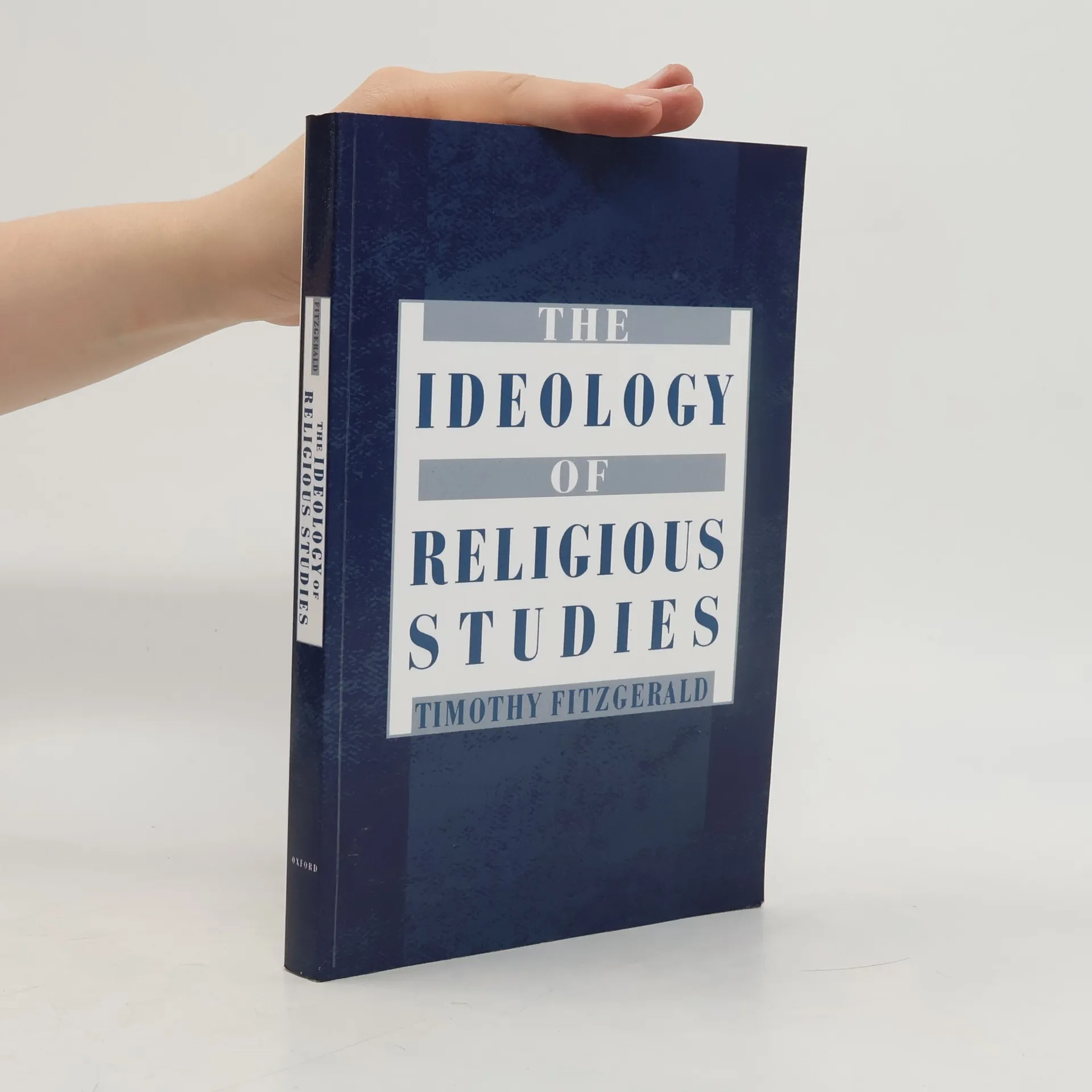
In recent years there has been an intensifying debate within the religious studies community about the validity of religion as an analytical category. In this book Fitzgerald sides with those who argue that the concept of religion itself should be abandoned. On the basis of his own research in India and Japan, and through a detailed analysis of the use of religion in a wide range of scholarly texts, the author maintains that the comparative study of religion is really a form of liberal ecumenical theology. By pretending to be a science, religion significantly distorts socio-cultural analysis. He suggest, however, that religious studies can be re-represented in a way which opens up new and productive theoretical connections with anthropology and cultural and literary studies.
Een boek kopen
The Ideology of Religious Studies, Timothy Fitzgerald
- Taal

- Jaar van publicatie
- 2003
- Bindwijze
- (Paperback)
Betaalmethoden
Nog niemand heeft beoordeeld.
- Titel
- The Ideology of Religious Studies
- Taal
- Engels
- Auteurs
- Timothy Fitzgerald
- Uitgever
- Oxford University Press
- Jaar van publicatie
- 2003
- Formaat
- Paperback
- Aantal pagina's
- 272
- ISBN10
- 0195167694
- ISBN13
- 9780195167696
- Reeks
- Tags
- Religieuze onderwerpen, Christelijke thema's, Verenigde Staten, Onderwijs, schoolwezen, Theologie, Populaire cultuur
- Aantekening
- In recent years there has been an intensifying debate within the religious studies community about the validity of religion as an analytical category. In this book Fitzgerald sides with those who argue that the concept of religion itself should be abandoned. On the basis of his own research in India and Japan, and through a detailed analysis of the use of religion in a wide range of scholarly texts, the author maintains that the comparative study of religion is really a form of liberal ecumenical theology. By pretending to be a science, religion significantly distorts socio-cultural analysis. He suggest, however, that religious studies can be re-represented in a way which opens up new and productive theoretical connections with anthropology and cultural and literary studies.