


Parameters
- 272bladzijden
- 10 uur lezen
Meer over het boek
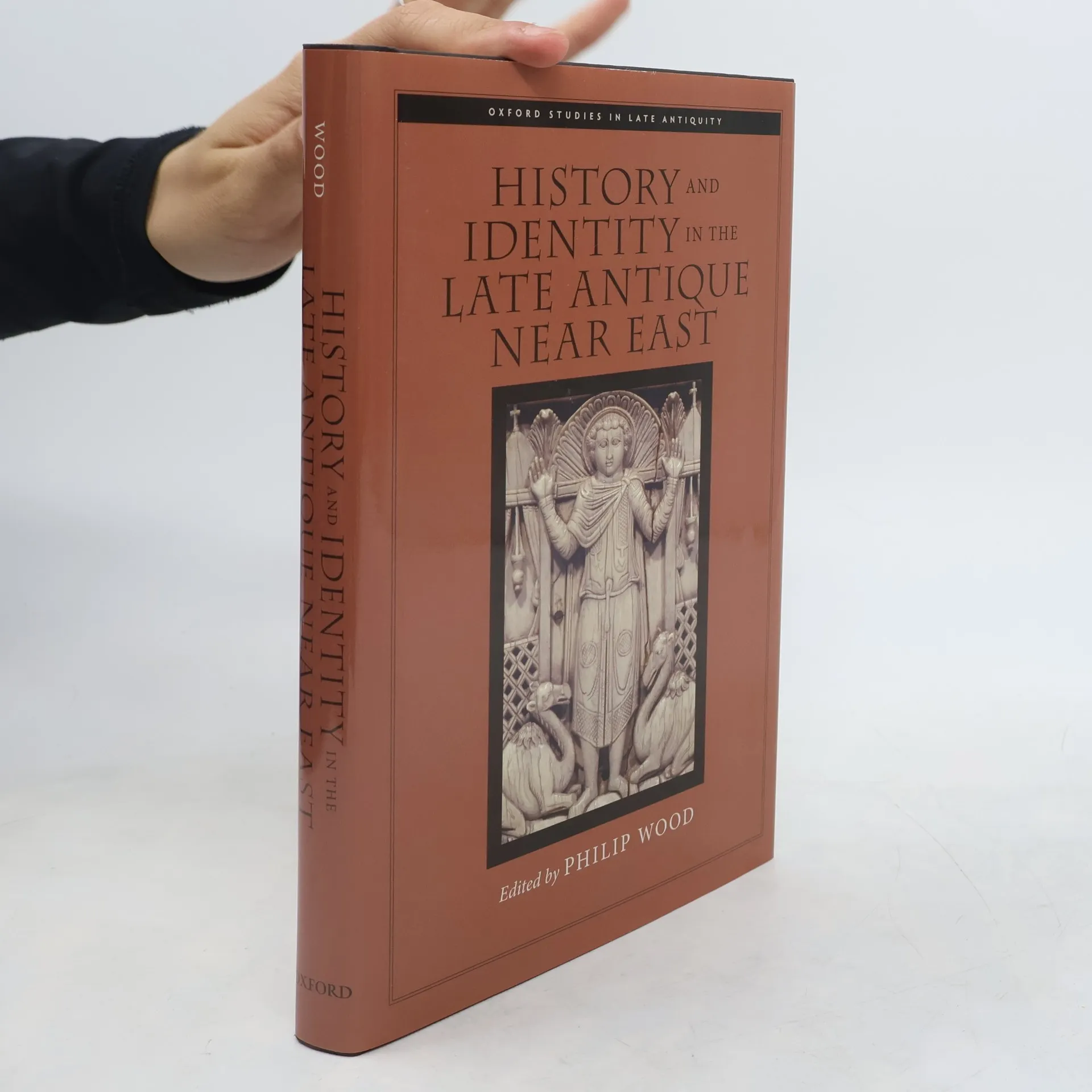
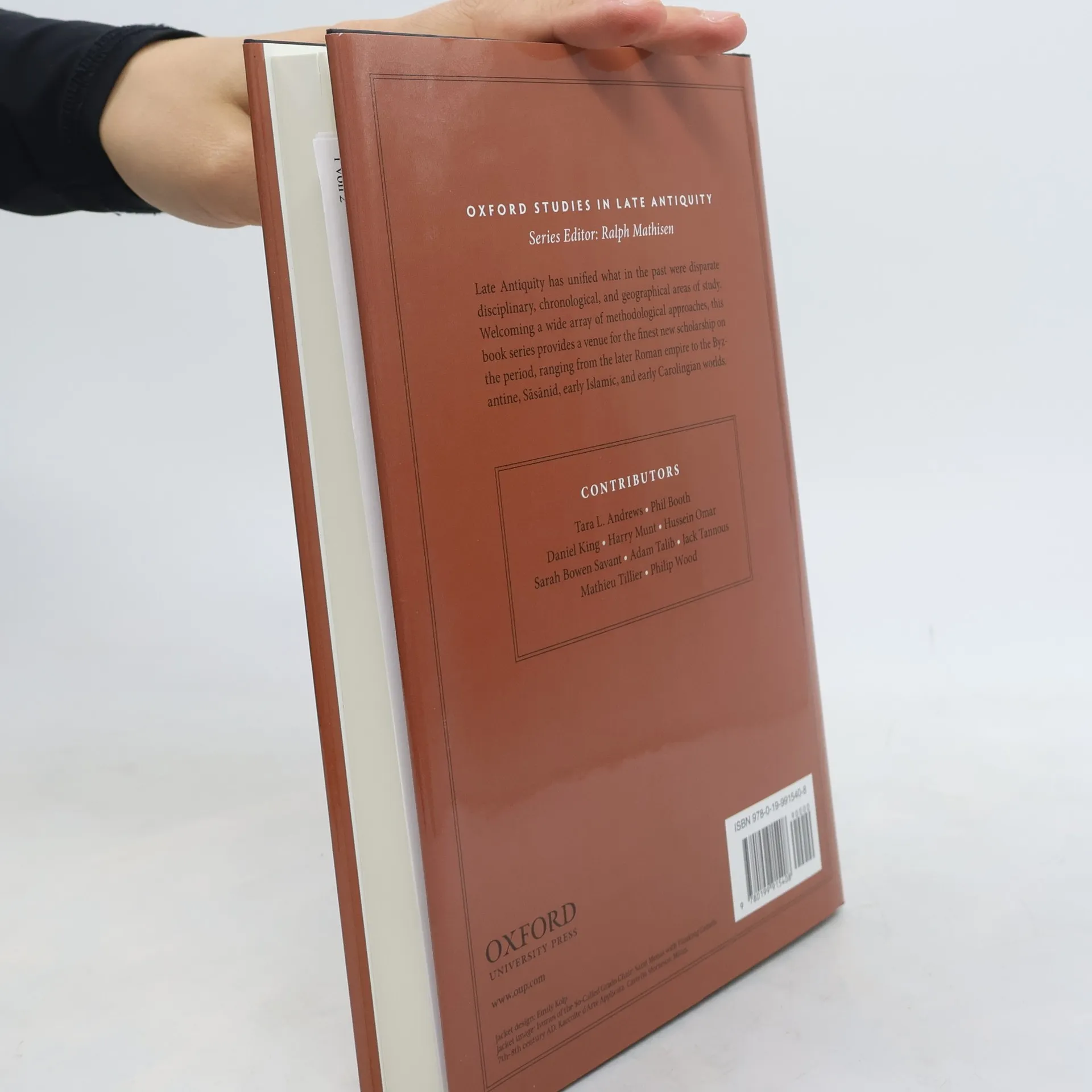
This volume assembles the insights of esteemed historians and emerging scholars to explore the emergence of ethnic identities along the eastern Mediterranean's borders during the "long late antiquity," spanning from the Arab conquest of the Roman East to the Abbasid caliphate's formation. The first half examines the Christian Orient at the brink of Islamic invasions, highlighting how Christians navigated the decline of Roman authority. Topics include the selective use of patristic history to foster confessional divisions and the emphasis on a shared Greco-Roman philosophical legacy. The second half shifts focus to Muslim efforts to reinterpret the histories of conquered regions like Hira and Egypt, utilizing Christian narratives to forge distinct identities for Arab settlers. This section also delves into the historical imagination shaped by the Qur'an and the early caliphate era. Collectively, the papers transcend traditional disciplinary boundaries, centering the re-evaluation of history as a pivotal aspect of late antiquity. This work offers a significant contribution to contemporary scholarship on the period, characterized by its cultural diversity, interdisciplinary approach, and innovative understanding of late antiquity itself.
Een boek kopen
Oxford Studies in Late Antiquity: History and Identity in the Late Antique Near East, Philip Wood
- Taal

- Jaar van publicatie
- 2013
- Bindwijze
- (Hardcover),
- Staat van het boek
- Zeer goed
- Prijs
- € 18,99
Betaalmethoden
Nog niemand heeft beoordeeld.
- Titel
- Oxford Studies in Late Antiquity: History and Identity in the Late Antique Near East
- Taal
- Engels
- Auteurs
- Philip Wood
- Uitgever
- Oxford University Press
- Jaar van publicatie
- 2013
- Formaat
- Hardcover
- Aantal pagina's
- 272
- ISBN10
- 0199915407
- ISBN13
- 9780199915408
- Reeks
- Categorieën
- Tags
- Historisch thema, Religieuze onderwerpen, Verenigde Staten, Oudheid, Geschiedenis van de religies, Civilisatie
- Aantekening
- This volume assembles the insights of esteemed historians and emerging scholars to explore the emergence of ethnic identities along the eastern Mediterranean's borders during the "long late antiquity," spanning from the Arab conquest of the Roman East to the Abbasid caliphate's formation. The first half examines the Christian Orient at the brink of Islamic invasions, highlighting how Christians navigated the decline of Roman authority. Topics include the selective use of patristic history to foster confessional divisions and the emphasis on a shared Greco-Roman philosophical legacy. The second half shifts focus to Muslim efforts to reinterpret the histories of conquered regions like Hira and Egypt, utilizing Christian narratives to forge distinct identities for Arab settlers. This section also delves into the historical imagination shaped by the Qur'an and the early caliphate era. Collectively, the papers transcend traditional disciplinary boundaries, centering the re-evaluation of history as a pivotal aspect of late antiquity. This work offers a significant contribution to contemporary scholarship on the period, characterized by its cultural diversity, interdisciplinary approach, and innovative understanding of late antiquity itself.