


Meer over het boek
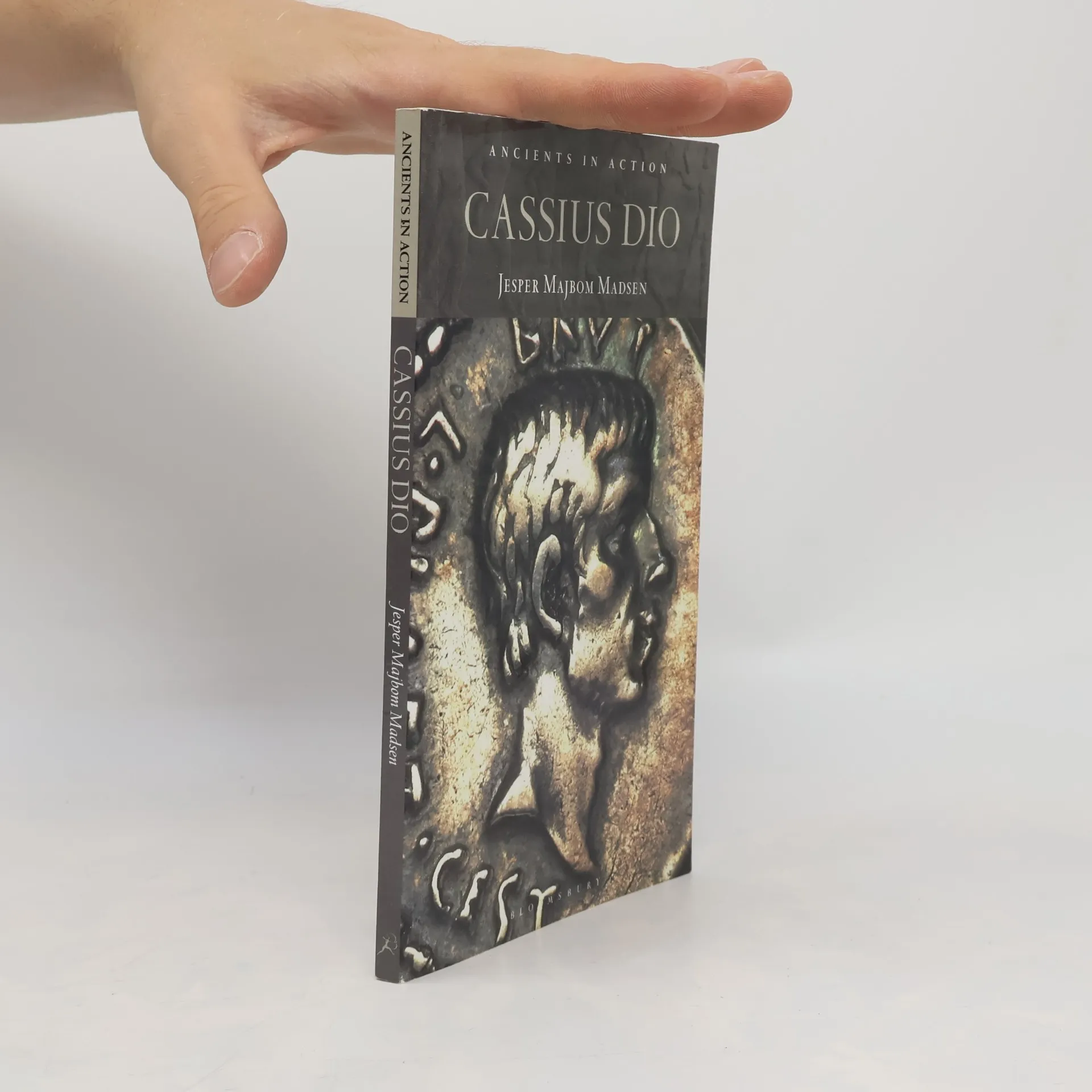
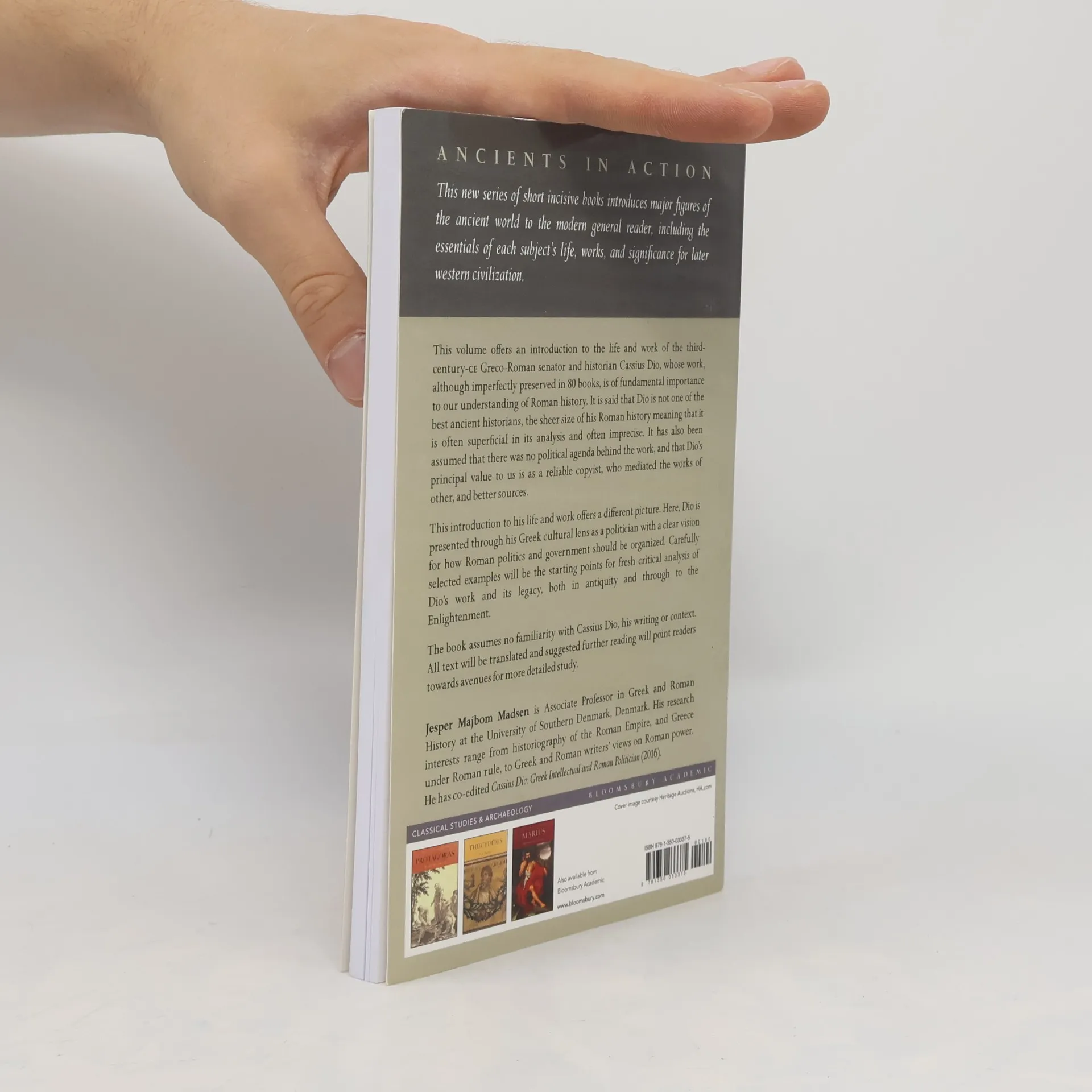
This volume offers an introduction to the life and work of the 3rd-century-AD Greco-Roman senator and historian Cassius Dio, whose work, although imperfectly preserved in 80 books, is of fundamental importance to our understanding of Roman history. It is said that Dio is not one of the best ancient historians and his Roman history, due to its sheer size, is often imprecise and superficial in its analysis. It has also been assumed that there was no political agenda behind the work, and that Dio's principal value to us is as a reliable copyist, who mediated the works of other, and better sources. This introduction to his life and work offers a different picture. Here, Dio is presented through his Greek cultural lens as a politician with a clear vision for how Roman politics and government should be organized. Carefully selected examples will be the starting points for fresh critical analysis of Dio's work and its legacy, both in antiquity and through to the Enlightenment. The book assumes no familiarity with Cassius Dio, his writing or context. All text will be translated and suggested further reading will point readers towards avenues for more detailed study.
Een boek kopen
Cassius Dio, Jesper Majbom Madsen
- Taal

- Jaar van publicatie
- 2019
- Bindwijze
- (Paperback)
Betaalmethoden
Nog niemand heeft beoordeeld.
- Titel
- Cassius Dio
- Taal
- Engels
- Auteurs
- Jesper Majbom Madsen
- Uitgever
- Bloomsbury Publishing PLC
- Jaar van publicatie
- 2019
- Formaat
- Paperback
- Aantal pagina's
- 144
- ISBN10
- 1350033375
- ISBN13
- 9781350033375
- Reeks
- Tags
- Zuid-Europa, Italië, Oudheid, Geschiedenis van Europa, Politieke theorieën, Rome, Oude Rome, Oud-Griekenland, Historiografie
- Aantekening
- This volume offers an introduction to the life and work of the 3rd-century-AD Greco-Roman senator and historian Cassius Dio, whose work, although imperfectly preserved in 80 books, is of fundamental importance to our understanding of Roman history. It is said that Dio is not one of the best ancient historians and his Roman history, due to its sheer size, is often imprecise and superficial in its analysis. It has also been assumed that there was no political agenda behind the work, and that Dio's principal value to us is as a reliable copyist, who mediated the works of other, and better sources. This introduction to his life and work offers a different picture. Here, Dio is presented through his Greek cultural lens as a politician with a clear vision for how Roman politics and government should be organized. Carefully selected examples will be the starting points for fresh critical analysis of Dio's work and its legacy, both in antiquity and through to the Enlightenment. The book assumes no familiarity with Cassius Dio, his writing or context. All text will be translated and suggested further reading will point readers towards avenues for more detailed study.