



Parameters
- 376bladzijden
- 14 uur lezen
Meer over het boek
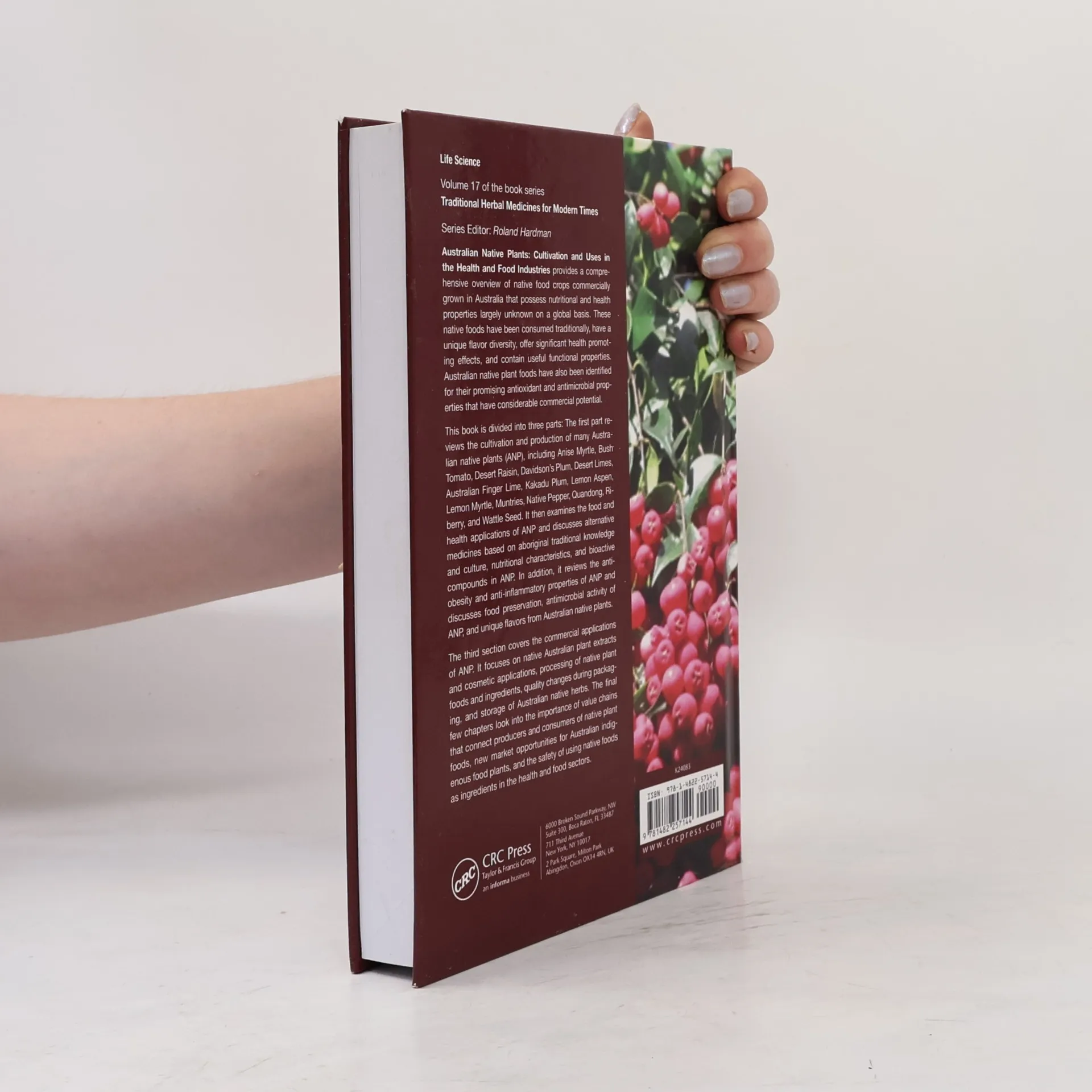
This book offers a comprehensive overview of native food crops commercially grown in Australia, highlighting their nutritional and health properties that are largely unknown globally. These traditional foods boast unique flavors, significant health benefits, and useful functional properties. They are recognized for their promising antioxidant and antimicrobial effects, presenting considerable commercial potential. The content is divided into three parts. The first part focuses on the cultivation and production of various Australian native plants (ANP), such as Anise Myrtle, Bush Tomato, Davidson's Plum, and Kakadu Plum. It explores their food and health applications, drawing on Aboriginal traditional knowledge, nutritional characteristics, and bioactive compounds. Additionally, it discusses the anti-obesity and anti-inflammatory properties of ANP, food preservation, and the unique flavors they offer. The second section delves into the commercial applications of ANP, including native plant extracts, cosmetic uses, and the processing of native foods and ingredients. It also examines quality changes during packaging and storage. Finally, the book addresses the importance of value chains connecting producers and consumers, new market opportunities for indigenous food plants, and the safety of using these native foods in the health and food sectors.
Een boek kopen
Australian Native Plants, Yasmina Sultanbawa, Fazal Sultanbawa
- Taal

- Jaar van publicatie
- 2016
- Bindwijze
- (Hardcover),
- Staat van het boek
- Zeer goed
- Prijs
- € 28,49
Betaalmethoden
Nog niemand heeft beoordeeld.
- Titel
- Australian Native Plants
- Ondertitel
- Cultivation and Uses in the Health and Food Industries
- Taal
- Engels
- Auteurs
- Yasmina Sultanbawa, Fazal Sultanbawa
- Uitgever
- CRC Press
- Jaar van publicatie
- 2016
- Formaat
- Hardcover
- Aantal pagina's
- 376
- ISBN10
- 1482257149
- ISBN13
- 9781482257144
- Reeks
- Categorieën
- Tags
- Wetenschap, Gezondheid, Geneeskunde, Planten, Technologie, Verzamelde Werken, Fitness, Australië, Oceanië
- Aantekening
- This book offers a comprehensive overview of native food crops commercially grown in Australia, highlighting their nutritional and health properties that are largely unknown globally. These traditional foods boast unique flavors, significant health benefits, and useful functional properties. They are recognized for their promising antioxidant and antimicrobial effects, presenting considerable commercial potential. The content is divided into three parts. The first part focuses on the cultivation and production of various Australian native plants (ANP), such as Anise Myrtle, Bush Tomato, Davidson's Plum, and Kakadu Plum. It explores their food and health applications, drawing on Aboriginal traditional knowledge, nutritional characteristics, and bioactive compounds. Additionally, it discusses the anti-obesity and anti-inflammatory properties of ANP, food preservation, and the unique flavors they offer. The second section delves into the commercial applications of ANP, including native plant extracts, cosmetic uses, and the processing of native foods and ingredients. It also examines quality changes during packaging and storage. Finally, the book addresses the importance of value chains connecting producers and consumers, new market opportunities for indigenous food plants, and the safety of using these native foods in the health and food sectors.