



Meer over het boek
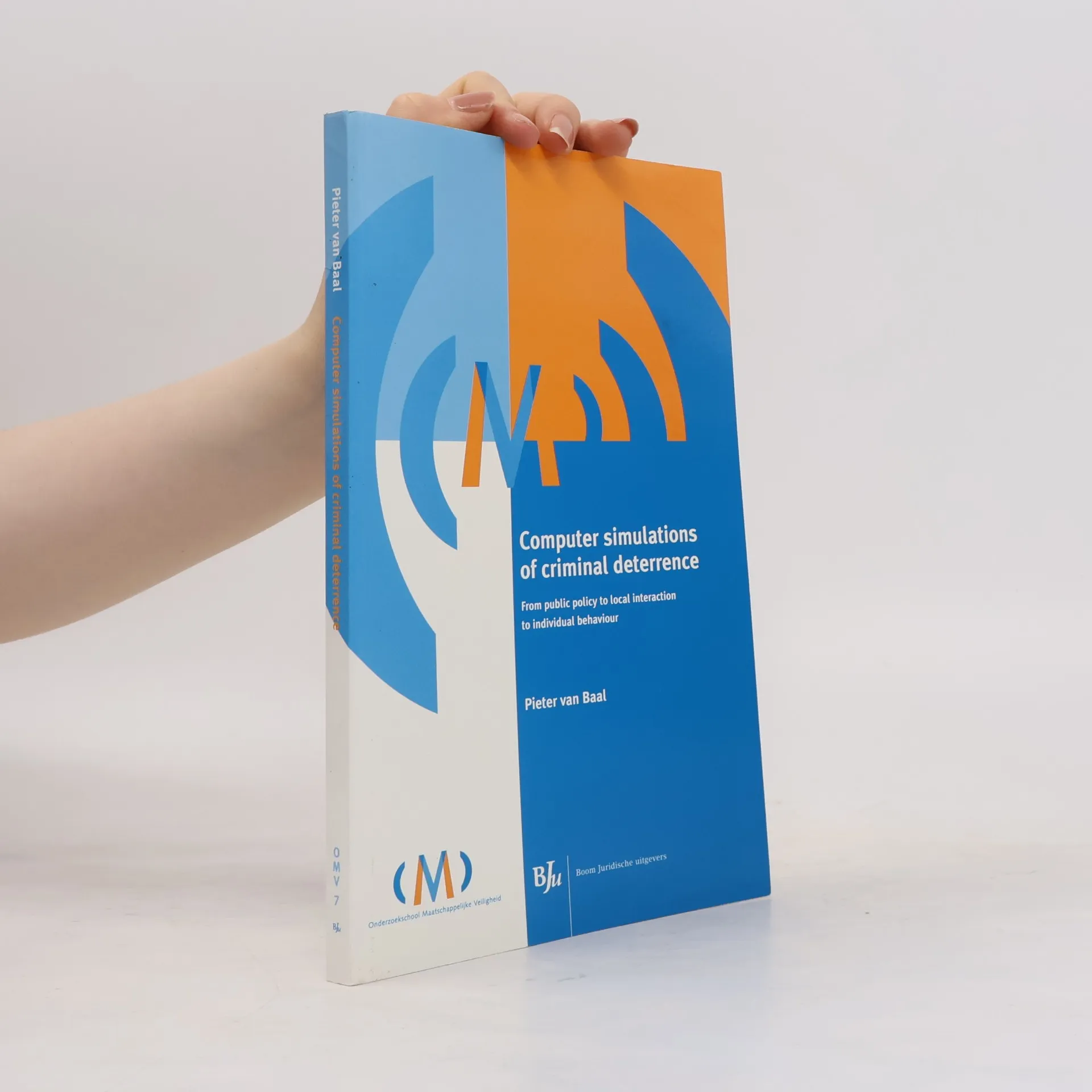
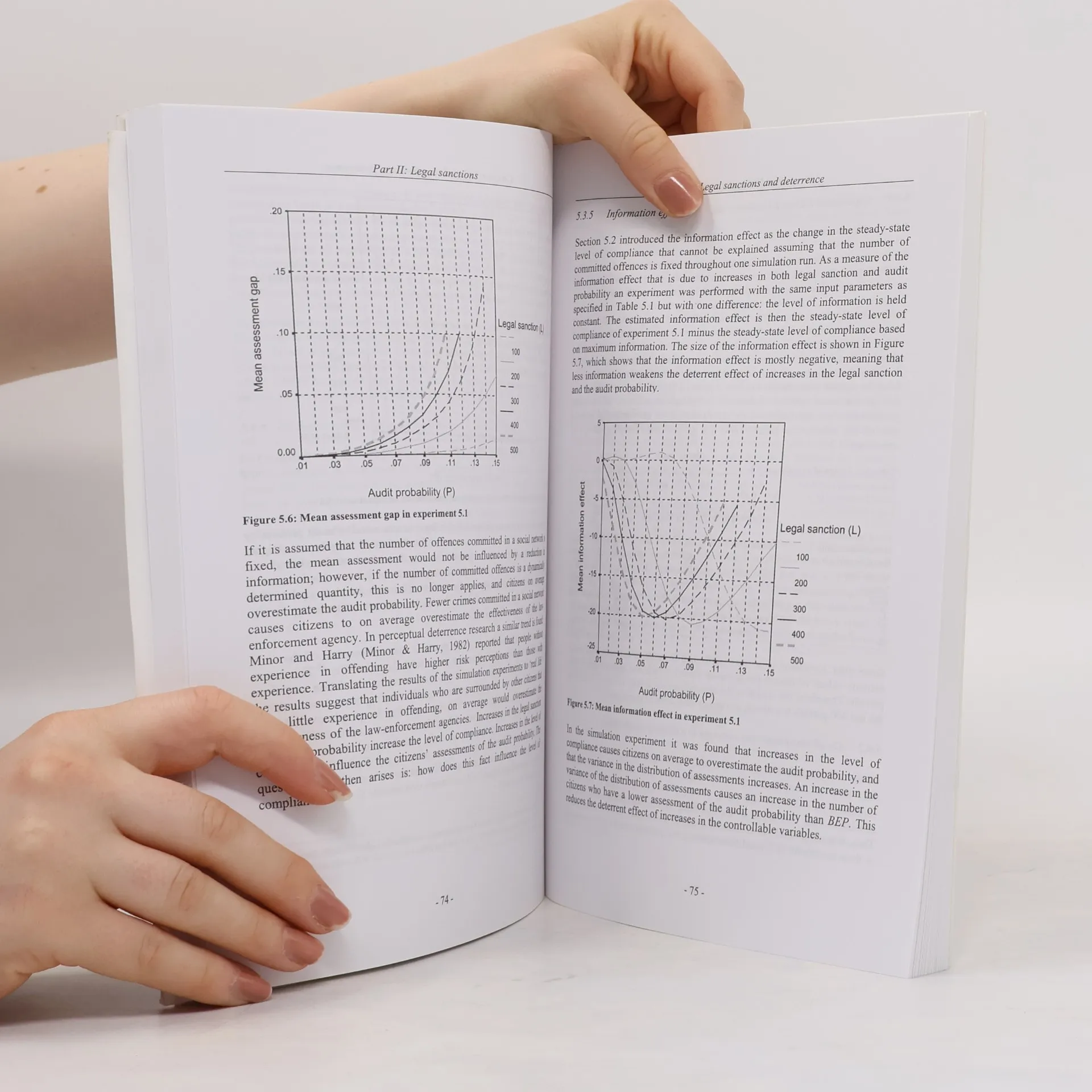
This study analyzes data that has been generated with a new computer program called ThESE (The Erasmus Simulation Environment), written by the author. ThESE is a simulation environment that models an artificial society of citizens who individually and repeatedly face a decision to comply with rules or transgress them. Rule transgression gives an economic advantage for citizens. However, a law-enforcement agency occasionally checks the behavior of the citizens, and those who do not comply are punished. Starting within an individual bounded rational decision framework, ThESE is designed to investigate the relation between individual assessments of the certainty of legal sanctions, locally determined informal sanctions, and aggregate outcomes. This simulation model in which individuals locally interact with each other allows for a dynamic interaction between the actual level of law-enforcement and individual assessments of it. Central to this study are the analyses of experiments carried out by the simulation model. After explaining the simulation model and analyzing several experiments, the scope and limitations of the simulation model and the relevance of the main results with regard to public policy are discussed.
Een boek kopen
Onderzoekschool Maatschappelijke Veiligheid - 7: Computer Simulations of Criminal Deterrence, Pieter H. M. van Baal
- Taal

- Jaar van publicatie
- 2004
- Bindwijze
- (Paperback)
Betaalmethoden
Nog niemand heeft beoordeeld.
- Titel
- Onderzoekschool Maatschappelijke Veiligheid - 7: Computer Simulations of Criminal Deterrence
- Ondertitel
- From Public Policy to Local Interaction to Individual Behaviour
- Taal
- Engels
- Auteurs
- Pieter H. M. van Baal
- Uitgever
- Boom Juridische uitgevers
- Jaar van publicatie
- 2004
- Formaat
- Paperback
- Aantal pagina's
- 172
- ISBN10
- 9054544430
- ISBN13
- 9789054544432
- Reeks
- Categorieën
- Aantekening
- This study analyzes data that has been generated with a new computer program called ThESE (The Erasmus Simulation Environment), written by the author. ThESE is a simulation environment that models an artificial society of citizens who individually and repeatedly face a decision to comply with rules or transgress them. Rule transgression gives an economic advantage for citizens. However, a law-enforcement agency occasionally checks the behavior of the citizens, and those who do not comply are punished. Starting within an individual bounded rational decision framework, ThESE is designed to investigate the relation between individual assessments of the certainty of legal sanctions, locally determined informal sanctions, and aggregate outcomes. This simulation model in which individuals locally interact with each other allows for a dynamic interaction between the actual level of law-enforcement and individual assessments of it. Central to this study are the analyses of experiments carried out by the simulation model. After explaining the simulation model and analyzing several experiments, the scope and limitations of the simulation model and the relevance of the main results with regard to public policy are discussed.