

Meer over het boek
Gender, Power and Relationships is a follow-up volume to Gender and Power in Families (Routledge 1989) which marked a milestone in the application of feminist thinking to therapeutic work with families, bringing new ideas to students, trainers and professionals.Contributions from leading practitioners demonstrate how feminist ideas have been taken up by therapists in a variety of different settings. The chapters explore and extend previous debates on sexual and physical abuse and ethnicity, addressing the many contradictions and dilemmas inherent in this work for feminist systemic approaches. They also consider changing family structures and the role of men within them, gendered aspects of HIV prevention, and work with women drug addicts, and a variety of other approaches each set in the context of an overview of feminist theories of the family.
Een boek kopen
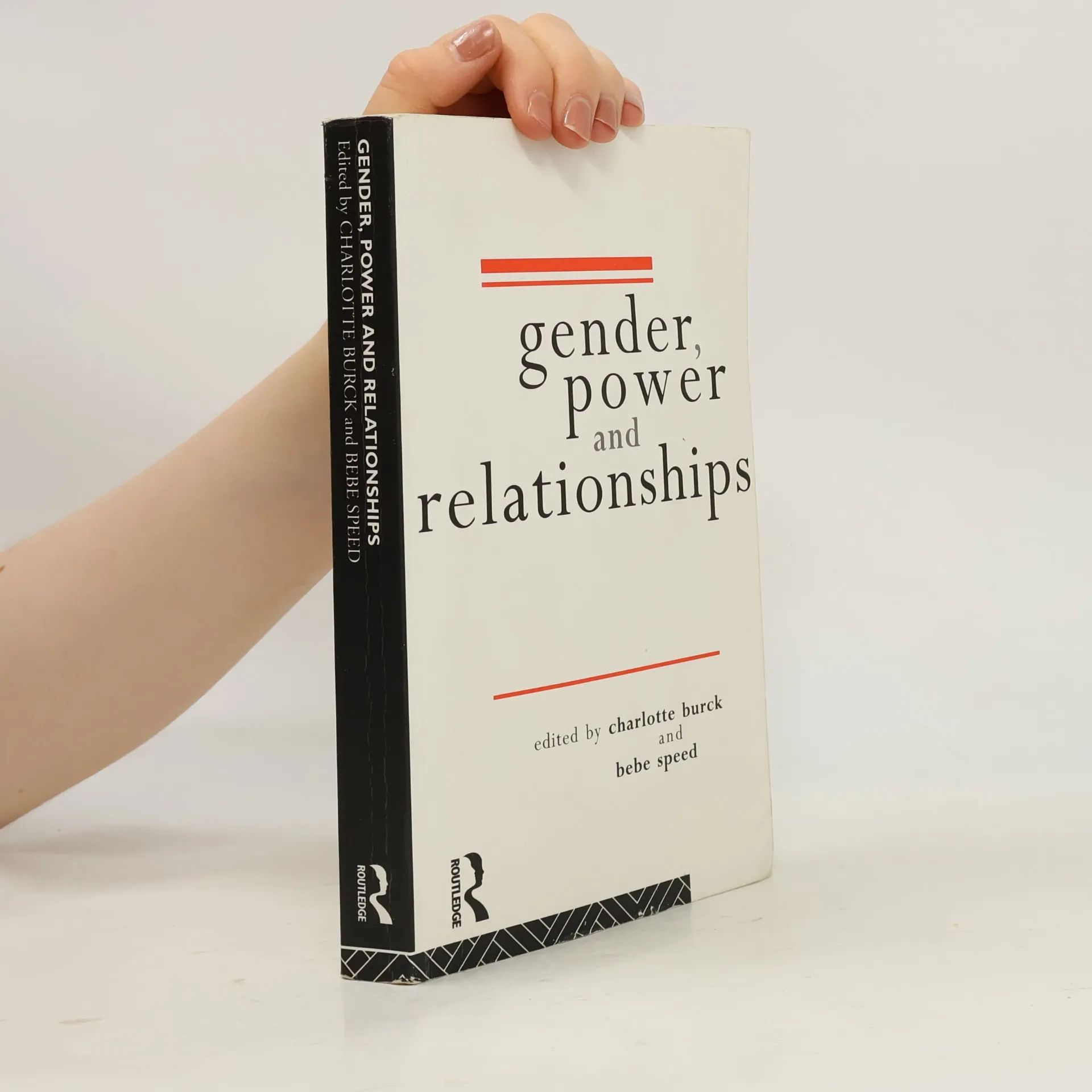
Gender, Power and Relationships, Charlotte Burck, Bebe Speed
- Taal

- Jaar van publicatie
- 1994
- Bindwijze
- (Paperback)
Betaalmethoden
Nog niemand heeft beoordeeld.
- Titel
- Gender, Power and Relationships
- Taal
- Engels
- Auteurs
- Charlotte Burck, Bebe Speed
- Uitgever
- Routledge
- Jaar van publicatie
- 1994
- Formaat
- Paperback
- Aantal pagina's
- 288
- ISBN10
- 0415106370
- ISBN13
- 9780415106375
- Reeks
- Aantekening
- Gender, Power and Relationships is a follow-up volume to Gender and Power in Families (Routledge 1989) which marked a milestone in the application of feminist thinking to therapeutic work with families, bringing new ideas to students, trainers and professionals.Contributions from leading practitioners demonstrate how feminist ideas have been taken up by therapists in a variety of different settings. The chapters explore and extend previous debates on sexual and physical abuse and ethnicity, addressing the many contradictions and dilemmas inherent in this work for feminist systemic approaches. They also consider changing family structures and the role of men within them, gendered aspects of HIV prevention, and work with women drug addicts, and a variety of other approaches each set in the context of an overview of feminist theories of the family.