

Parameters
- 224bladzijden
- 8 uur lezen
Meer over het boek
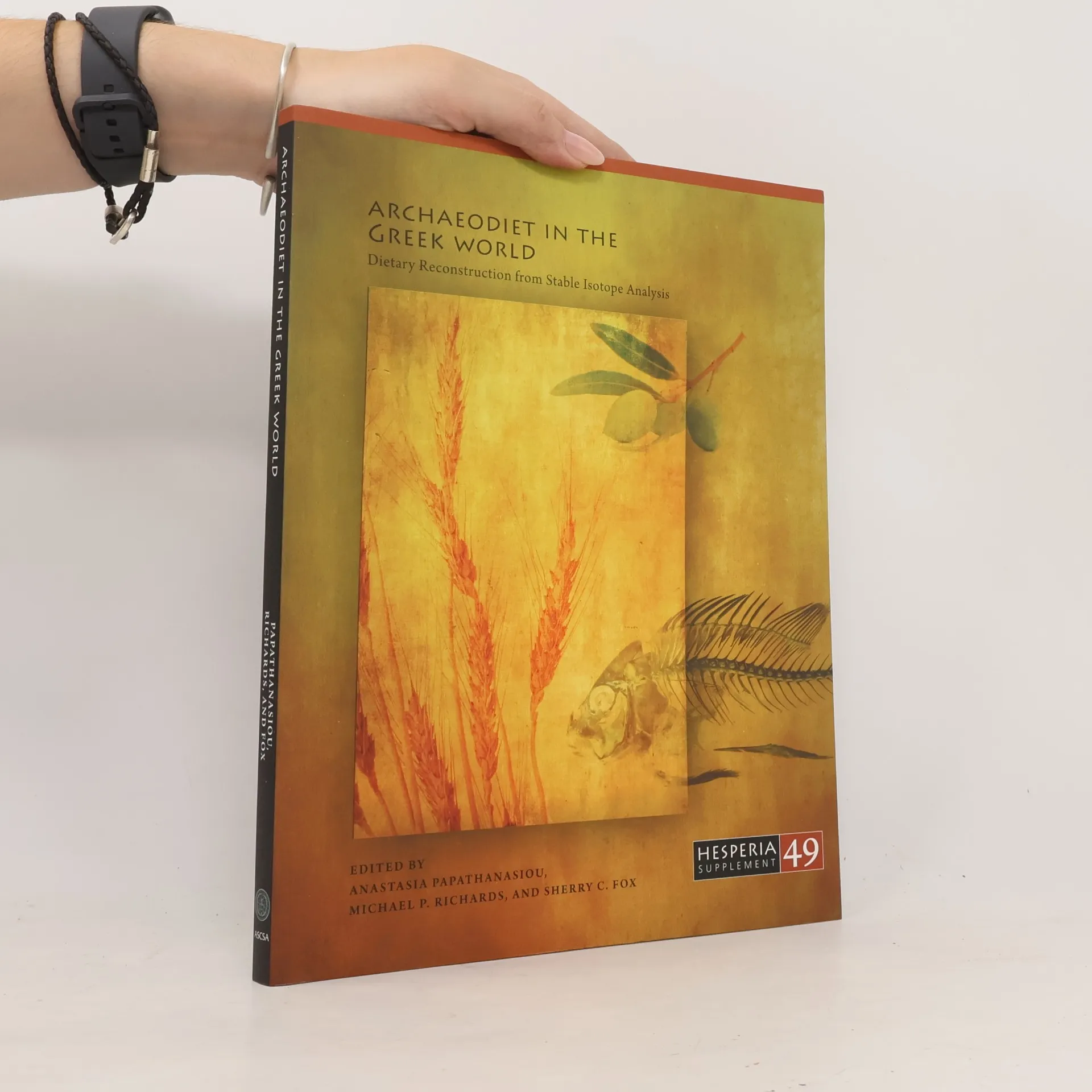
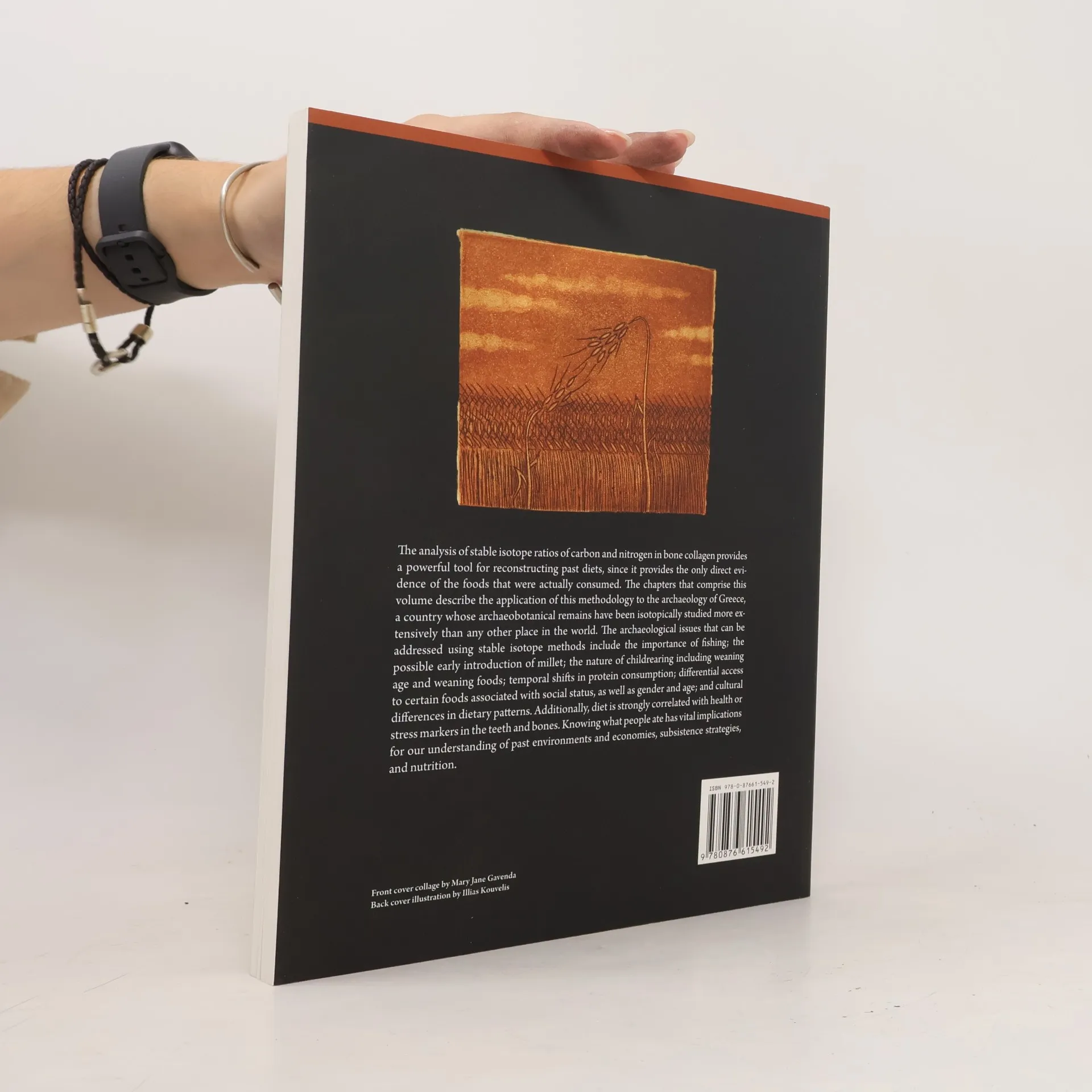
The analysis of stable isotope ratios of carbon and nitrogen in bone collagen provides a powerful tool for reconstructing past diets, since it provides the only direct evidence of the foods that were actually consumed. The articles that comprise this volume describe the application of the methodology to the archaeology of Greece, a country that has been isotopically studied more extensively than any other place in the world. The archaeological issues that can be addressed using stable isotope methods include the importance of fishing, the possible early introduction of millet, the nature of childrearing including weaning age and weaning foods, temporal shifts in protein consumption, differential access to certain foods associated with social status, as well as gender, age, and cultural differences in dietary patterns. Additionally, diet is strongly correlated with health or stress markers in the teeth and bones. Knowing what people ate has vital implications for our understanding of past environments and economies, subsistence strategies, and nutrition.
Een boek kopen
Hesperia Supplement - 49: Archaeodiet in the Greek World, Anastasia Papathanasiou, Michael Phillip Richards, Sherry C. Fox
- Taal

- Jaar van publicatie
- 2015
- Bindwijze
- (Paperback)
Betaalmethoden
Nog niemand heeft beoordeeld.
- Titel
- Hesperia Supplement - 49: Archaeodiet in the Greek World
- Ondertitel
- Dietary Reconstruction from Stable Isotope Analysis
- Taal
- Engels
- Jaar van publicatie
- 2015
- Formaat
- Paperback
- Aantal pagina's
- 224
- ISBN10
- 0876615493
- ISBN13
- 9780876615492
- Reeks
- Categorieën
- Tags
- Historisch thema, Natuurwetenschappen, Wetenschap, Gezondheid, Eten, Ecologische thematiek, Oudheid, Archeologie, Griekenland, West-Europa, Oud-Griekenland, Grieks
- Aantekening
- The analysis of stable isotope ratios of carbon and nitrogen in bone collagen provides a powerful tool for reconstructing past diets, since it provides the only direct evidence of the foods that were actually consumed. The articles that comprise this volume describe the application of the methodology to the archaeology of Greece, a country that has been isotopically studied more extensively than any other place in the world. The archaeological issues that can be addressed using stable isotope methods include the importance of fishing, the possible early introduction of millet, the nature of childrearing including weaning age and weaning foods, temporal shifts in protein consumption, differential access to certain foods associated with social status, as well as gender, age, and cultural differences in dietary patterns. Additionally, diet is strongly correlated with health or stress markers in the teeth and bones. Knowing what people ate has vital implications for our understanding of past environments and economies, subsistence strategies, and nutrition.