

Meer over het boek
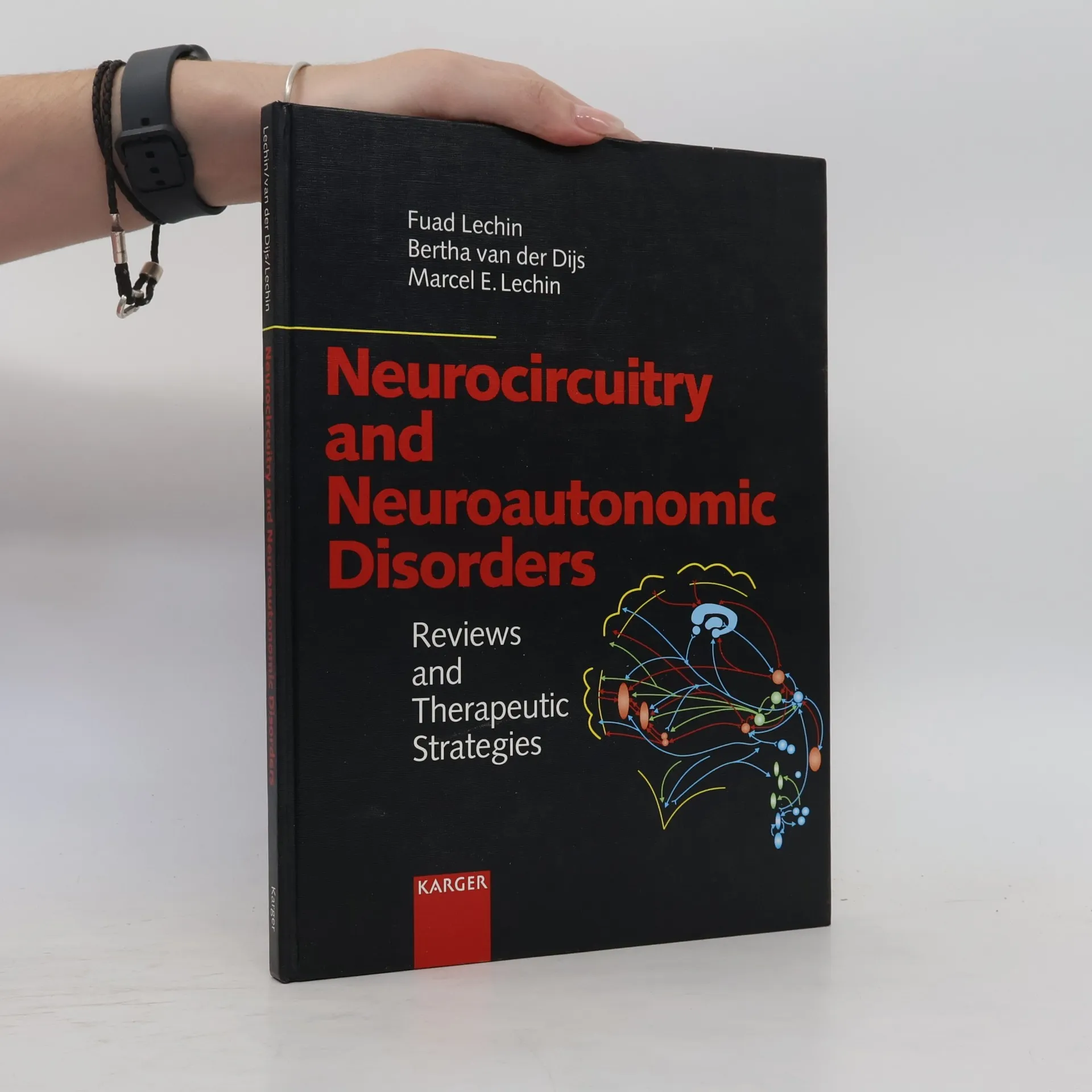
The authors of this book developed the only clinical neurochemistry laboratory equipped routinely to assay all circulating neurotransmitters. These parameters have been measured in more than 20,000 normal, severely diseased, depressed, stressed and psychosomatic patients. The results obtained have been published in more than 100 scientific papers. The authors postulated the existence of at least three well-defined types of pathophysiologic profiles: (1) endogenous depression, (2) dysthymic depression, and (3) uncoping (maladapted) to stress. Being aware of them, clinicians can prescribe distinct neuropharmacological therapies. The first and third profiles are also registered in Th1 and Th2 autoimmune diseased patients, respectively. The first part of the book is devoted to the outline of these central neurocircuitry functions during the wake-sleep cycle in normal subjects as well as depressive states, uncoping stress, psychotics, bipolar disorders and panic attacks. Due to these neuroautonomic and neuroimmune interactions being noticed, various neuropharmacological therapeutic approaches can be referred to. In a second part the authors present treatments able to cure or help improve diseases presenting with a Th1 autoimmune profile as well as a Th2 autoimmune profile.
Een boek kopen
Neurocircuitry and Neuroautonomic Disorders, Fuad H. Lechin, Bertha van der Dijs, Marcel E. Lechin
- Taal

- Jaar van publicatie
- 2002
- Bindwijze
- (Hardcover)
Betaalmethoden
Nog niemand heeft beoordeeld.
- Titel
- Neurocircuitry and Neuroautonomic Disorders
- Ondertitel
- Reviews and Therapeutic Strategies
- Taal
- Engels
- Uitgever
- Karger
- Jaar van publicatie
- 2002
- Formaat
- Hardcover
- Aantal pagina's
- 134
- ISBN10
- 3805574134
- ISBN13
- 9783805574136
- Reeks
- Categorieën
- Tags
- Gezondheid & Medisch, Geneeskunde, West-Europa, Psychiatrie, Geestelijke Aandoeningen, Neurowetenschap, Neurologie, Farmacologie, Fysiologie, Oncologie, Immunologie, Gastro-enterologie, Neurofysiologie, Pneumologie, Psychosomatische Geneeskunde
- Aantekening
- The authors of this book developed the only clinical neurochemistry laboratory equipped routinely to assay all circulating neurotransmitters. These parameters have been measured in more than 20,000 normal, severely diseased, depressed, stressed and psychosomatic patients. The results obtained have been published in more than 100 scientific papers. The authors postulated the existence of at least three well-defined types of pathophysiologic profiles: (1) endogenous depression, (2) dysthymic depression, and (3) uncoping (maladapted) to stress. Being aware of them, clinicians can prescribe distinct neuropharmacological therapies. The first and third profiles are also registered in Th1 and Th2 autoimmune diseased patients, respectively. The first part of the book is devoted to the outline of these central neurocircuitry functions during the wake-sleep cycle in normal subjects as well as depressive states, uncoping stress, psychotics, bipolar disorders and panic attacks. Due to these neuroautonomic and neuroimmune interactions being noticed, various neuropharmacological therapeutic approaches can be referred to. In a second part the authors present treatments able to cure or help improve diseases presenting with a Th1 autoimmune profile as well as a Th2 autoimmune profile.