

Parameters
- 80bladzijden
- 3 uur lezen
Meer over het boek
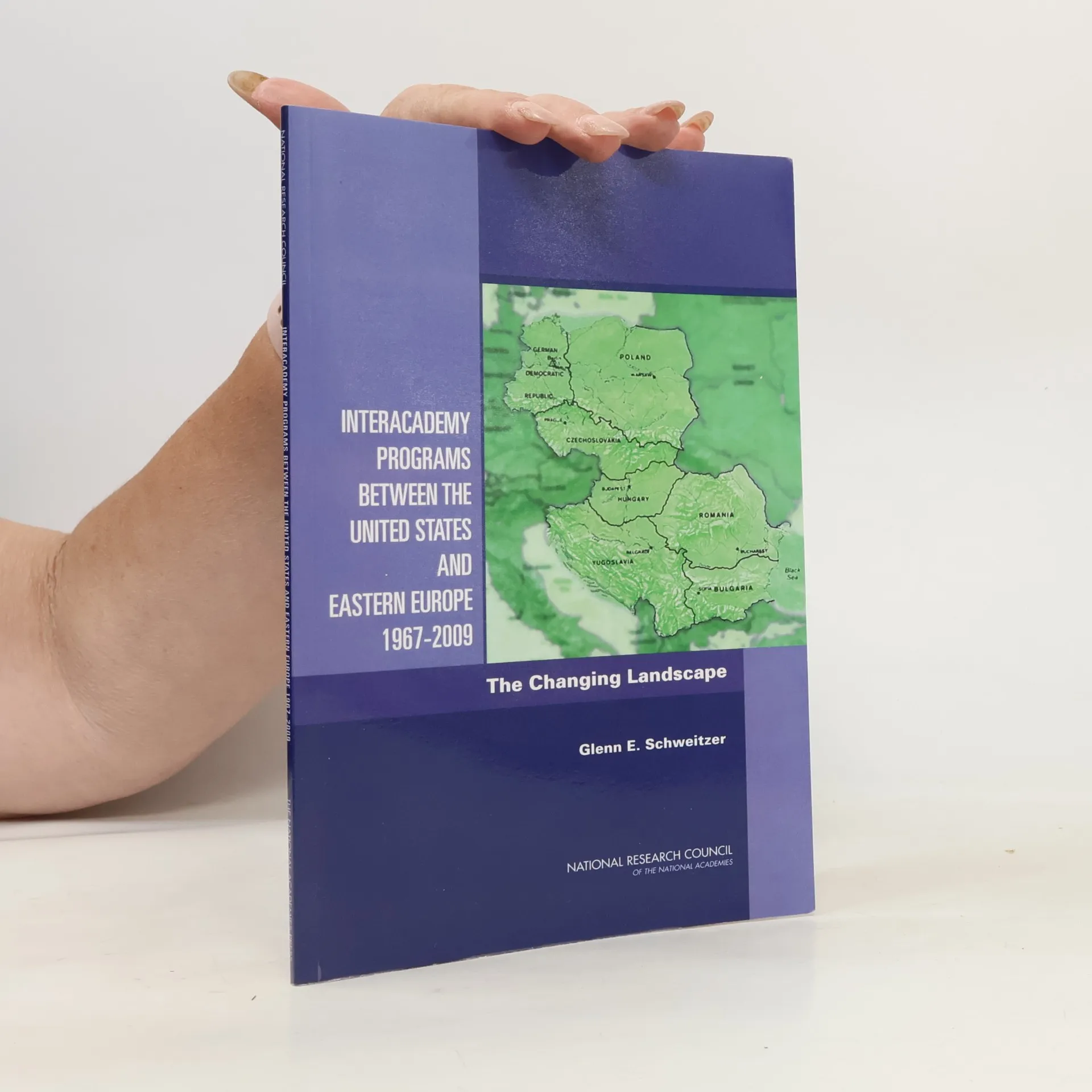
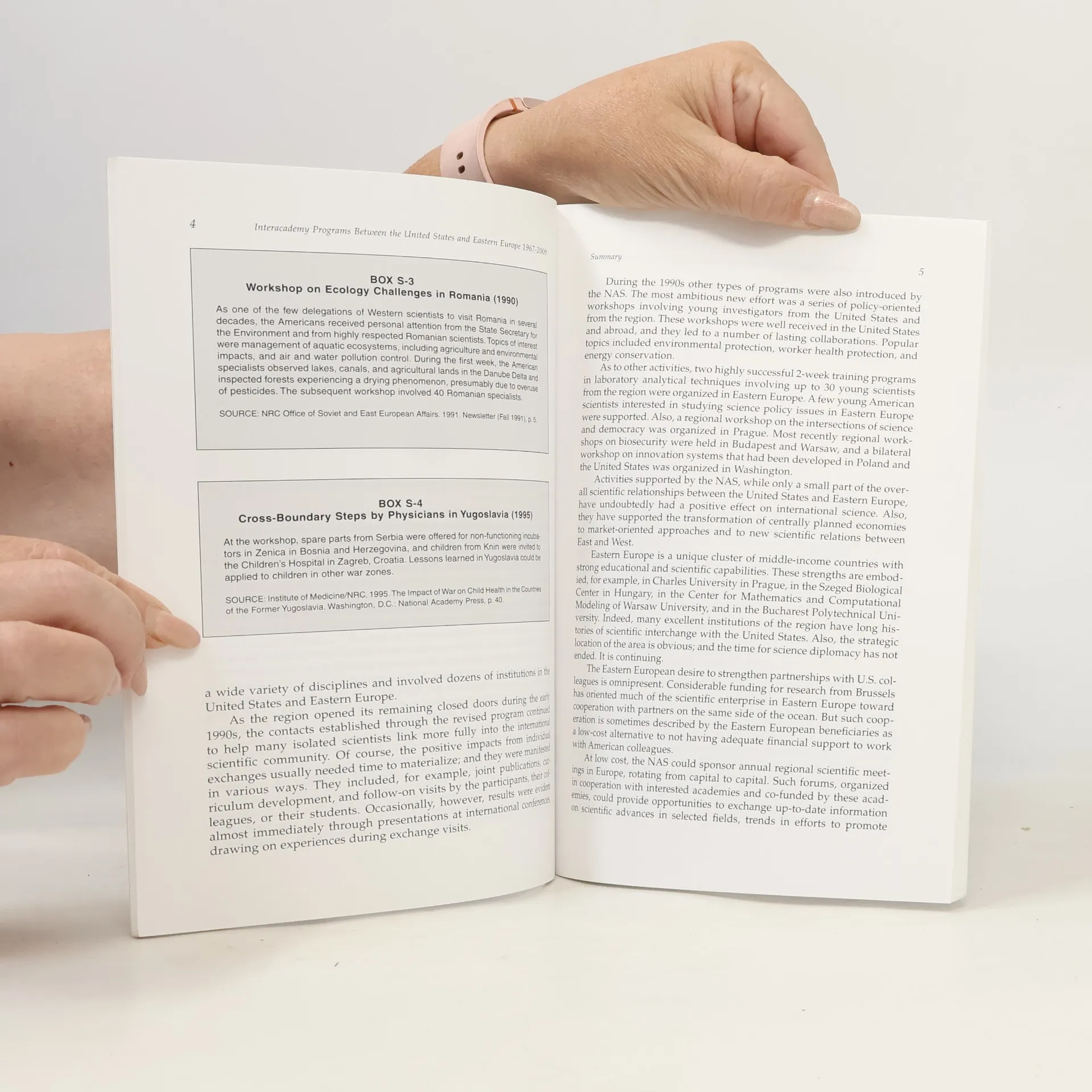
"Interacademy Programs Between the United States and Eastern Europe 1967-2009" documents how interacademy programs have played a significant role in establishing and maintaining American scientific contacts with colleagues in Eastern Europe prior to and following the lifting of the Iron Curtain. The book also discusses the changing roles of the academies of the region and the changing nature of interacademy cooperation that has emerged since 1991. The countries of interest are Poland, the Czech Republic, Slovakia, Hungary, Romania, Bulgaria, the former German Democratic Republic, and the countries that previously were united politically within the framework of the former Yugoslavia. The book should be of interest to officials and specialists in both the United States and the countries of Eastern Europe who are actively engaged in promoting scientific cooperation through bilateral and other channels. Also, an emerging audience for this book is the growing group of analysts in the United States interested in "science diplomacy" involving U.S. cooperation with countries that have political agendas that differ in important respects from the objectives of U.S. policies.
Een boek kopen
Interacademy Programs Between the United States and Eastern Europe 1967-2009, Glenn E. Schweitzer
- Taal

- Jaar van publicatie
- 2009
- Bindwijze
- (Paperback),
- Staat van het boek
- Goed
- Prijs
- € 8,99
Betaalmethoden
Nog niemand heeft beoordeeld.
- Titel
- Interacademy Programs Between the United States and Eastern Europe 1967-2009
- Ondertitel
- The Changing Landscape
- Taal
- Engels
- Auteurs
- Glenn E. Schweitzer
- Uitgever
- National Academies Press
- Jaar van publicatie
- 2009
- Formaat
- Paperback
- Aantal pagina's
- 80
- ISBN10
- 0309144426
- ISBN13
- 9780309144421
- Reeks
- Categorieën
- Tags
- Historisch thema, Handel, Wetenschap, Politieke theorieën, Burgerlijk recht, Economische Politiek
- Aantekening
- "Interacademy Programs Between the United States and Eastern Europe 1967-2009" documents how interacademy programs have played a significant role in establishing and maintaining American scientific contacts with colleagues in Eastern Europe prior to and following the lifting of the Iron Curtain. The book also discusses the changing roles of the academies of the region and the changing nature of interacademy cooperation that has emerged since 1991. The countries of interest are Poland, the Czech Republic, Slovakia, Hungary, Romania, Bulgaria, the former German Democratic Republic, and the countries that previously were united politically within the framework of the former Yugoslavia. The book should be of interest to officials and specialists in both the United States and the countries of Eastern Europe who are actively engaged in promoting scientific cooperation through bilateral and other channels. Also, an emerging audience for this book is the growing group of analysts in the United States interested in "science diplomacy" involving U.S. cooperation with countries that have political agendas that differ in important respects from the objectives of U.S. policies.