


Meer over het boek
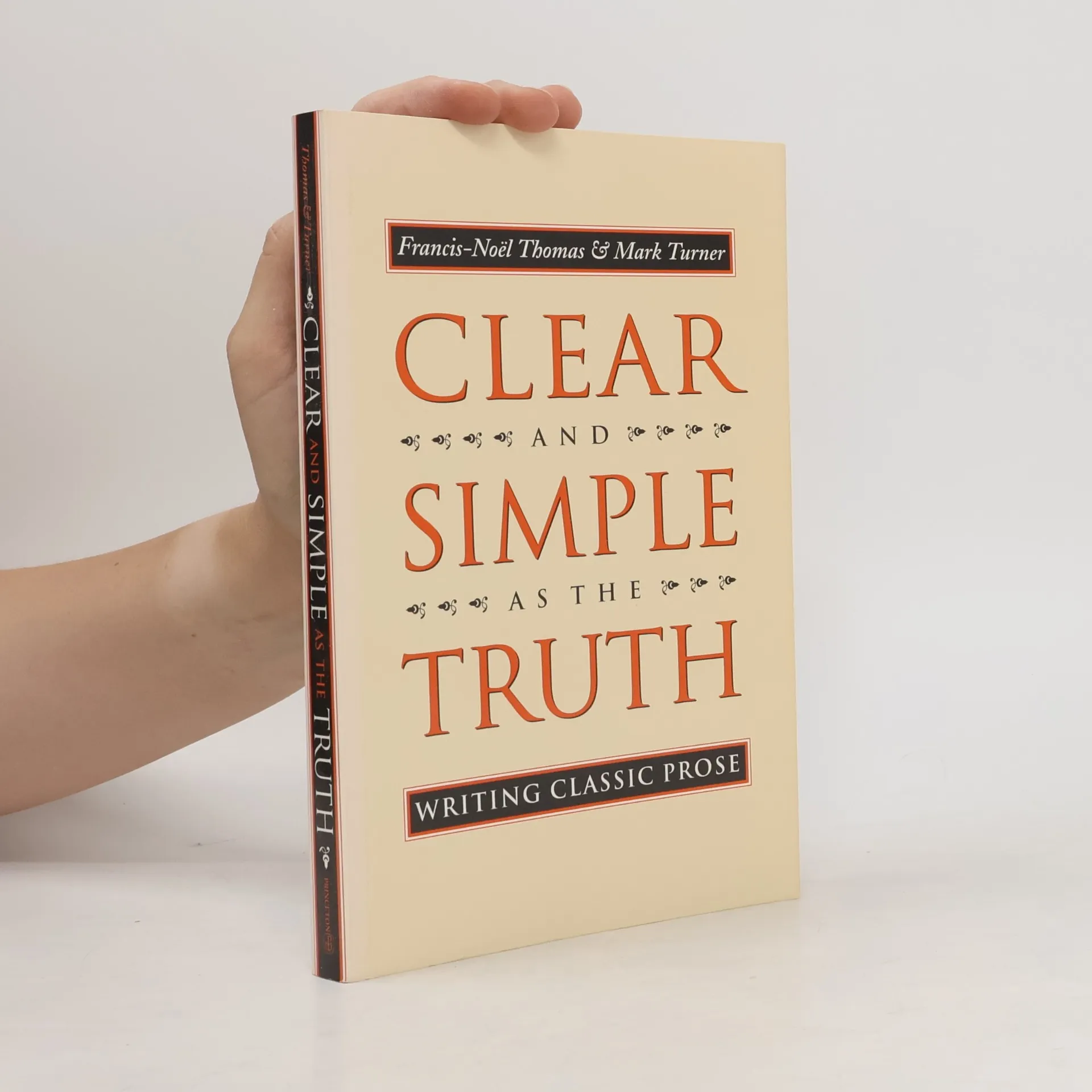
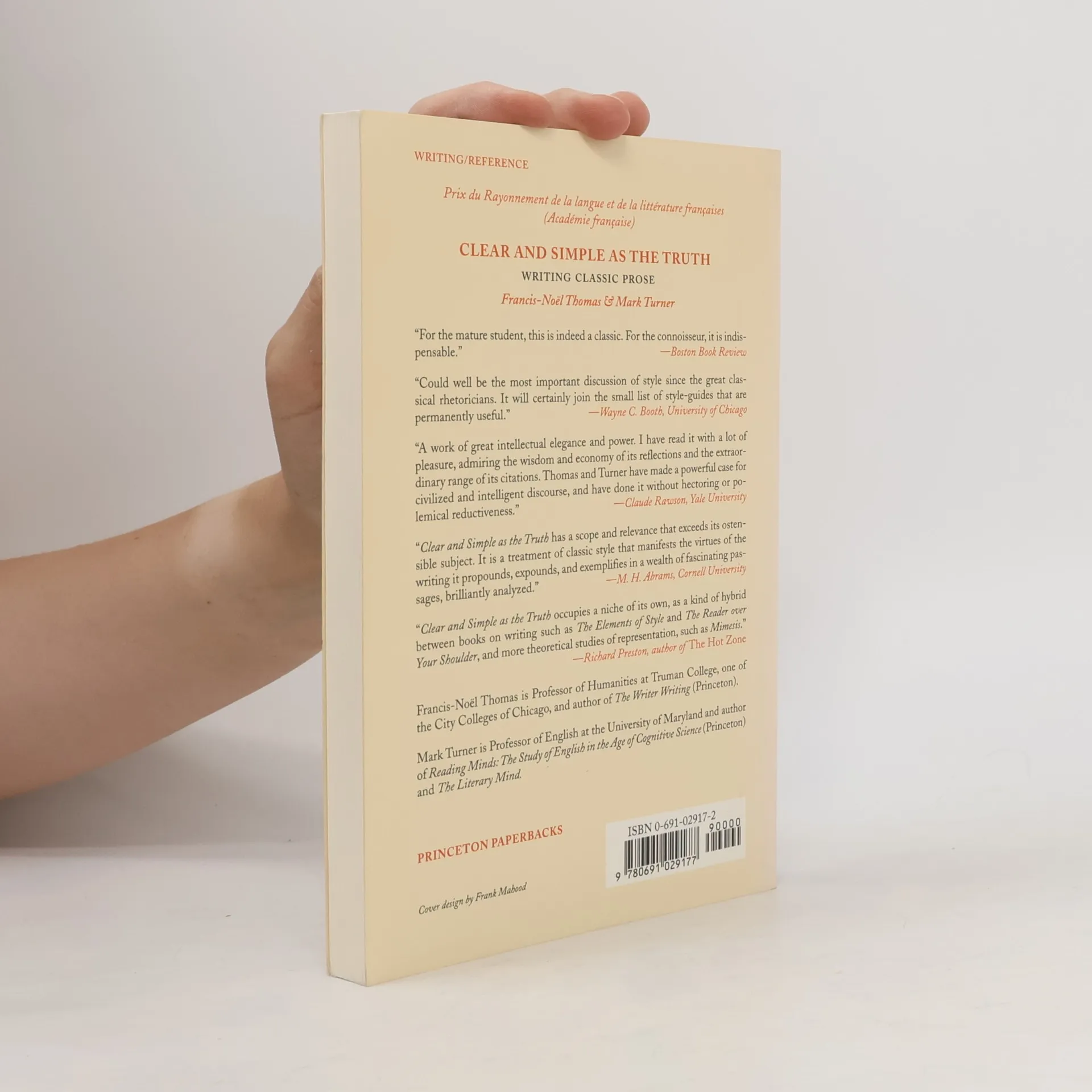
Everyone discusses style, yet few explain it. The authors delve into the essence of style, positioning it as the core of effective prose rather than a mere embellishment. In an era where writing skills seem to be diminishing, they challenge the notion that mastering grammar and structure alone can produce good writing. They argue that such an approach is as ineffective as knowing golf mechanics without the skill to play. Moreover, simplistic ten-step writing programs overlook the diversity of styles and their distinct standards. In the first half, the authors explore various styles—reflexive, practical, plain, contemplative, romantic, prophetic, and more—contrasting them with classic style, which emphasizes truth, presentation, intellectual equality with the reader, and informality. Classic style is versatile, suitable for everything from business memos to personal letters and academic writing. The second half presents a range of examples, showcasing both exemplary and poor prose. Classic prose shines through the works of figures like Thomas Jefferson and Mark Twain, alongside contemporary observations. Each example embodies clarity and simplicity, reflecting the truth at the heart of effective writing.
Een boek kopen
Clear and Simple As the Truth, Francis-Noel Thomas, Mark Turner
- Taal

- Jaar van publicatie
- 1996
- Bindwijze
- (Paperback)
Betaalmethoden
Nog niemand heeft beoordeeld.
- Titel
- Clear and Simple As the Truth
- Ondertitel
- Writing Classic Prose - Princeton Legacy Library
- Taal
- Engels
- Auteurs
- Francis-Noel Thomas, Mark Turner
- Uitgever
- Princeton University Press
- Jaar van publicatie
- 1996
- Formaat
- Paperback
- Aantal pagina's
- 234
- ISBN10
- 0691029172
- ISBN13
- 9780691029177
- Reeks
- Tags
- Handleidingen en Gidsen, Linguïstiek, Literaire Critiek, Schrijven, Literaire Theorie, Retoriek, Semantiek, Stijl en stijlfiguren
- Aantekening
- Everyone discusses style, yet few explain it. The authors delve into the essence of style, positioning it as the core of effective prose rather than a mere embellishment. In an era where writing skills seem to be diminishing, they challenge the notion that mastering grammar and structure alone can produce good writing. They argue that such an approach is as ineffective as knowing golf mechanics without the skill to play. Moreover, simplistic ten-step writing programs overlook the diversity of styles and their distinct standards. In the first half, the authors explore various styles—reflexive, practical, plain, contemplative, romantic, prophetic, and more—contrasting them with classic style, which emphasizes truth, presentation, intellectual equality with the reader, and informality. Classic style is versatile, suitable for everything from business memos to personal letters and academic writing. The second half presents a range of examples, showcasing both exemplary and poor prose. Classic prose shines through the works of figures like Thomas Jefferson and Mark Twain, alongside contemporary observations. Each example embodies clarity and simplicity, reflecting the truth at the heart of effective writing.