


Meer over het boek
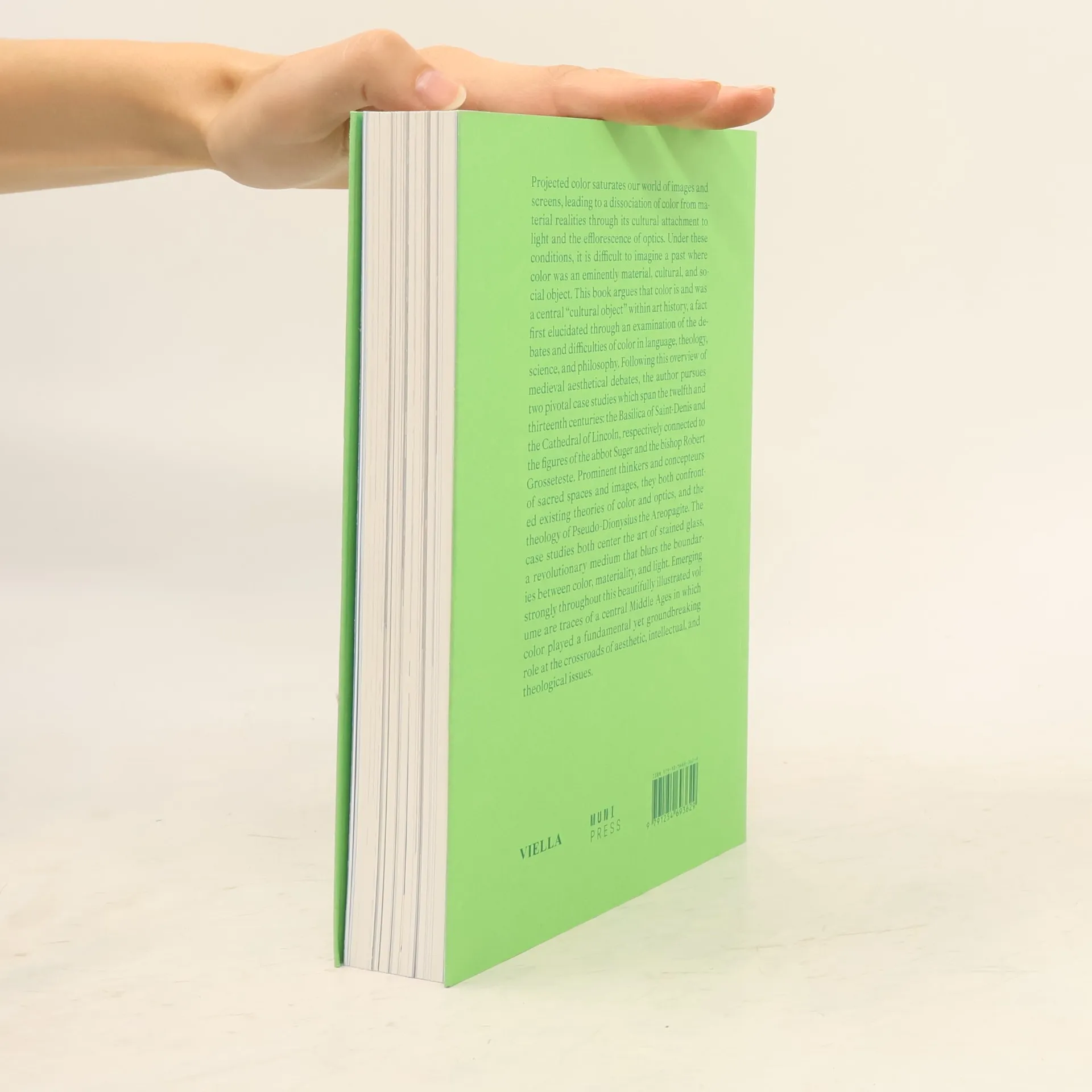
Projected color saturates our world of images and screens, leading to a dissociation of color from material realities through its cultural attachment to light and the efflorescence of optics. Under these conditions, it is difficult to imagine a past where color was an eminently material, cultural, and social object. This book argues that color is and was a central "cultural object" within art history, a fact first elucidated through an examination of the debates and difficulties of color in language, theology, science, and philosophy. Following this overview of medieval aesthetical debates, the author pursues two pivotal case studies which span the twelfth and thirteenth centuries: the Basilica of Saint-Denis and the Cathedral of Lincoln, respectively connected to the figures of the abbot Suger and the bishop Robert Grosseteste. Prominent thinkers and concepteurs of sacred spaces and images, they both confronted existing theories of color and optics, and the theology of Pseudo-Dionysius the Areopagite. The case studies both center the art of stained glass, a revolutionary medium that blurs the boundaries between color, materiality, and light. Emerging strongly throughout this beautifully illustrated volume are traces of a central Middle Ages in which color played a fundamental yet groundbreaking role at the crossroads of aesthetic, intellectual, and theological issues.
Een boek kopen
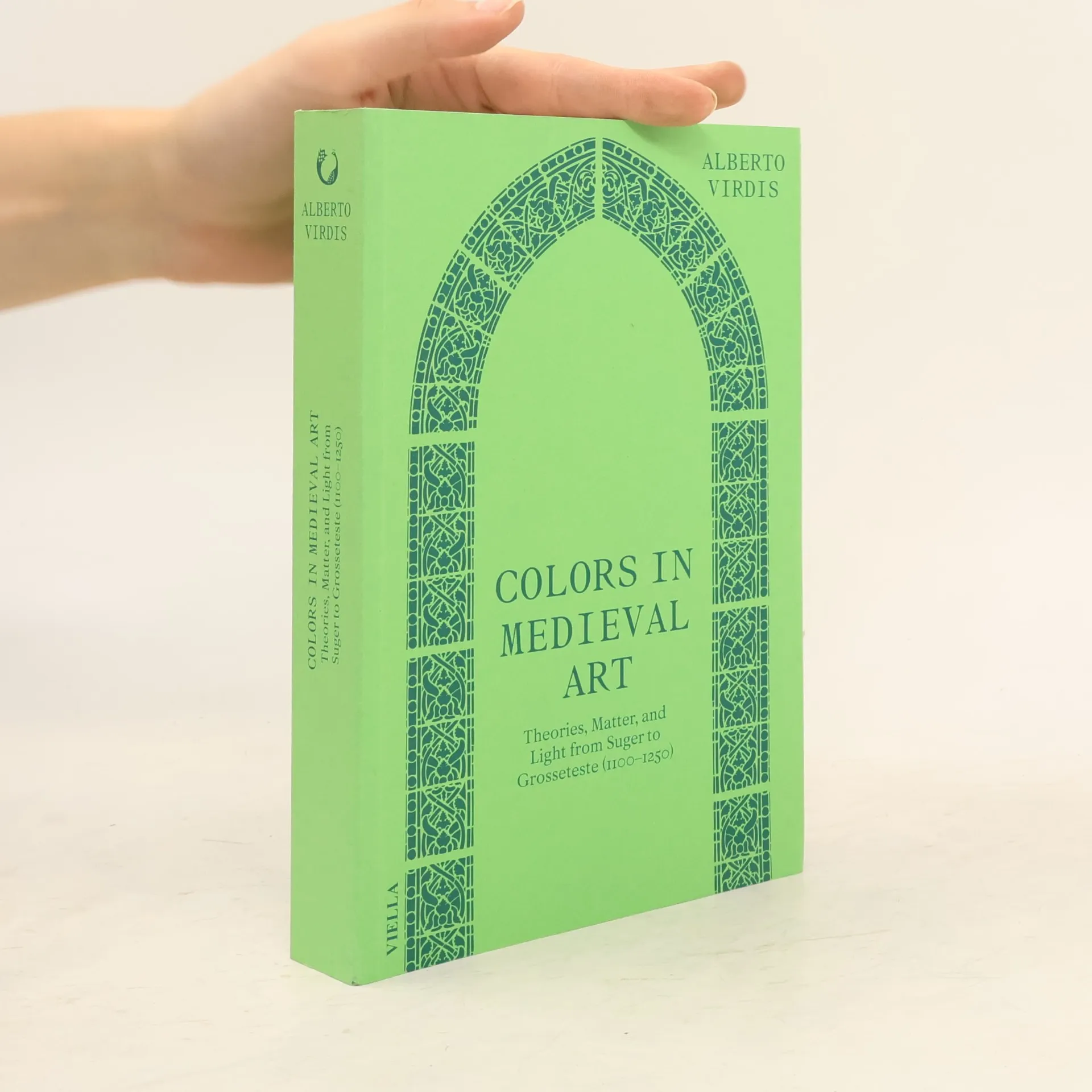
Convivia - 3: Colors in Medieval Art, Alberto Virdis
- Taal

- Jaar van publicatie
- 2023
- Bindwijze
- (Paperback)
Betaalmethoden
Nog niemand heeft beoordeeld.
- Titel
- Convivia - 3: Colors in Medieval Art
- Ondertitel
- Theories, Matter, And Light From Suger To Grosseteste
- Taal
- Engels
- Auteurs
- Alberto Virdis
- Uitgever
- Viella Editrice
- Jaar van publicatie
- 2023
- Formaat
- Paperback
- Aantal pagina's
- 400
- ISBN13
- 9791254693629
- Reeks
- Aantekening
- Projected color saturates our world of images and screens, leading to a dissociation of color from material realities through its cultural attachment to light and the efflorescence of optics. Under these conditions, it is difficult to imagine a past where color was an eminently material, cultural, and social object. This book argues that color is and was a central "cultural object" within art history, a fact first elucidated through an examination of the debates and difficulties of color in language, theology, science, and philosophy. Following this overview of medieval aesthetical debates, the author pursues two pivotal case studies which span the twelfth and thirteenth centuries: the Basilica of Saint-Denis and the Cathedral of Lincoln, respectively connected to the figures of the abbot Suger and the bishop Robert Grosseteste. Prominent thinkers and concepteurs of sacred spaces and images, they both confronted existing theories of color and optics, and the theology of Pseudo-Dionysius the Areopagite. The case studies both center the art of stained glass, a revolutionary medium that blurs the boundaries between color, materiality, and light. Emerging strongly throughout this beautifully illustrated volume are traces of a central Middle Ages in which color played a fundamental yet groundbreaking role at the crossroads of aesthetic, intellectual, and theological issues.