

Meer over het boek
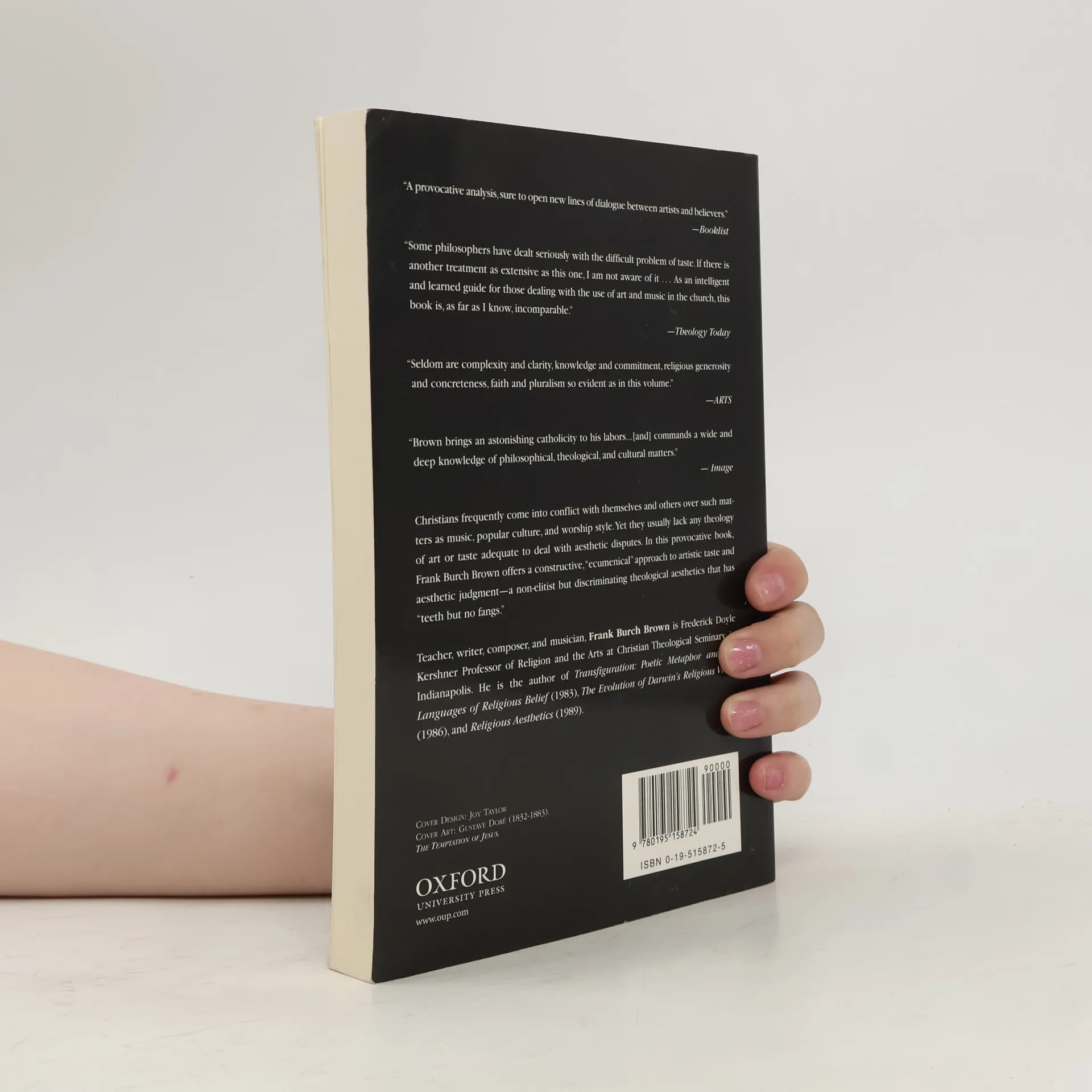
Christians frequently come into conflict with themselves and others over such matters as music, popular culture, and worship style. Yet they usually lack any theology of art or taste adequate to deal with aesthetic disputes. In this provocative book, Frank Burch Brown offers a constructive, "ecumenical" approach to artistic taste and aesthetic judgment--a non-elitist but discriminating theological aesthetics that has "teeth but no fangs."While grounded in history and theory, this book takes up such practical questions How can one religious community accommodate a variety of artistic tastes? What good or harm can be done by importing music that is worldly in origin into a house of worship? How can the exercise of taste in the making of art be a viable (and sometimes advanced) spiritual discipline? In exploring the complex relation between taste, religious imagination, and faith, Brown offers a new perspective on what it means to be spiritual, religious, and indeed Christian.
Een boek kopen
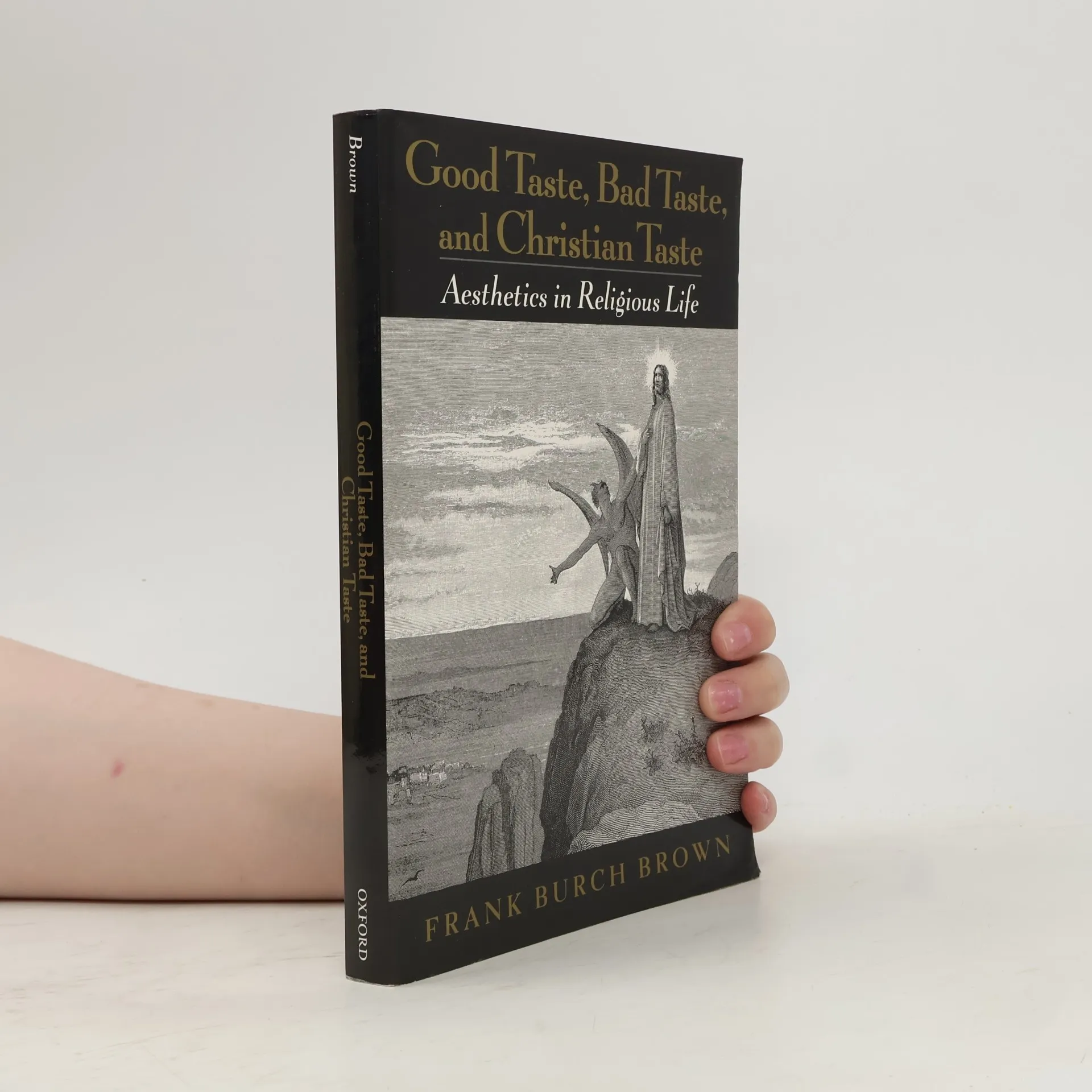
Good Taste, Bad Taste, and Christian Taste, Frank Burch Brown
- Taal

- Jaar van publicatie
- 2003
- Bindwijze
- (Paperback)
Betaalmethoden
Nog niemand heeft beoordeeld.
- Titel
- Good Taste, Bad Taste, and Christian Taste
- Ondertitel
- Aesthetics in Religious Life
- Taal
- Engels
- Auteurs
- Frank Burch Brown
- Uitgever
- Oxford University Press
- Jaar van publicatie
- 2003
- Formaat
- Paperback
- Aantal pagina's
- 336
- ISBN10
- 0195158725
- ISBN13
- 9780195158724
- Reeks
- Tags
- Religieuze onderwerpen, Filosofisch thema, Kunst, Christelijke thema's, Theologie, Christelijk Leven, Ethiek, Esthetiek, Christelijke theologie
- Aantekening
- Christians frequently come into conflict with themselves and others over such matters as music, popular culture, and worship style. Yet they usually lack any theology of art or taste adequate to deal with aesthetic disputes. In this provocative book, Frank Burch Brown offers a constructive, "ecumenical" approach to artistic taste and aesthetic judgment--a non-elitist but discriminating theological aesthetics that has "teeth but no fangs."While grounded in history and theory, this book takes up such practical questions How can one religious community accommodate a variety of artistic tastes? What good or harm can be done by importing music that is worldly in origin into a house of worship? How can the exercise of taste in the making of art be a viable (and sometimes advanced) spiritual discipline? In exploring the complex relation between taste, religious imagination, and faith, Brown offers a new perspective on what it means to be spiritual, religious, and indeed Christian.