

Je koopt precies het boekdat op de foto staat
Parameters
- 132bladzijden
- 5 uur lezen
Meer over het boek
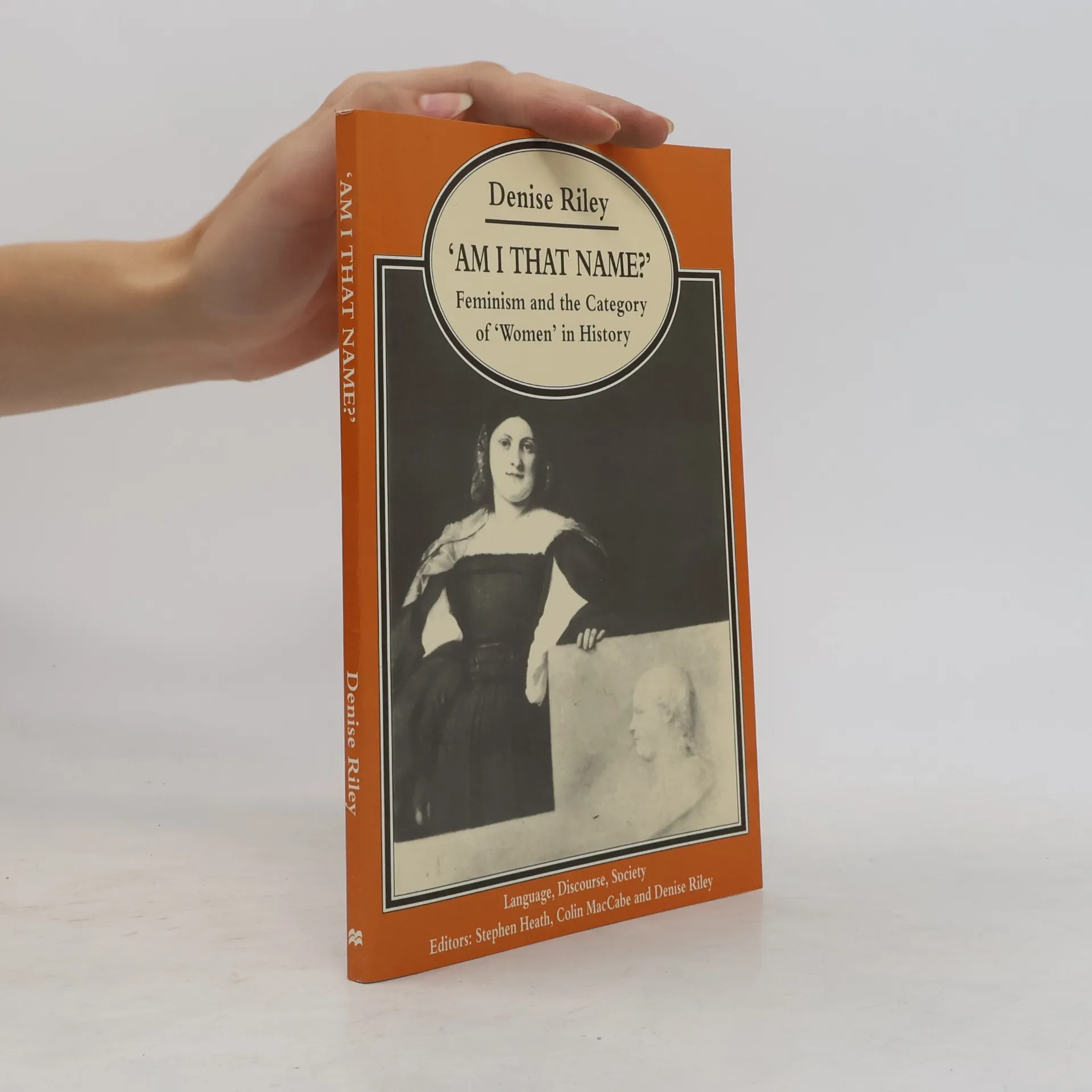
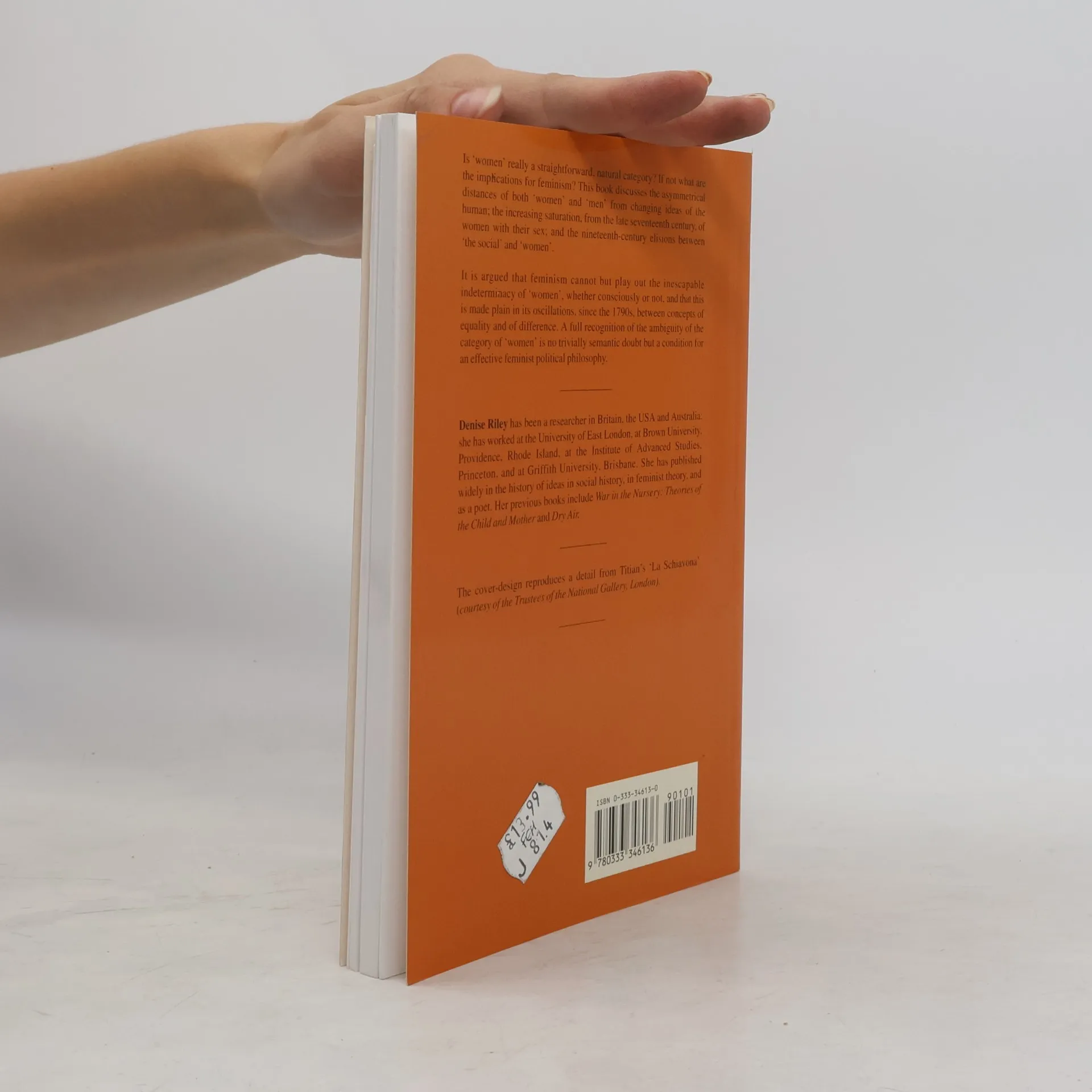
Writing about changes in the notion of womanhood, Denise Riley examines, in the manner of Foucault, shifting historical constructions of the category of "women" in relation to other categories central to concepts of personhood: the soul, the mind, the body, nature, the social. Feminist movements, Riley argues, have had no choice but to play out this indeterminacy of women. This is made plain in their oscillations, since the 1790s, between concepts of equality and of difference. To fully recognize the ambiguity of the category of "women" is, she contends, a necessary condition for an effective feminist political philosophy.
Een boek kopen
Language, Discourse, Society: Am I That Name?, Denise Riley, Stephen Heath, Colin MacCabe
- Taal

- Jaar van publicatie
- 1988
- Bindwijze
- (Paperback),
- Staat van het boek
- Goed
- Prijs
- € 18,99
Betaalmethoden
Nog niemand heeft beoordeeld.
- Titel
- Language, Discourse, Society: Am I That Name?
- Ondertitel
- Feminism and the Category of 'Women' in History
- Taal
- Engels
- Auteurs
- Denise Riley, Stephen Heath, Colin MacCabe
- Uitgever
- Palgrave Macmillan
- Jaar van publicatie
- 1988
- Formaat
- Paperback
- Aantal pagina's
- 132
- ISBN10
- 0333346130
- ISBN13
- 9780333346136
- Reeks
- Categorieën
- Tags
- Historisch thema, Natuur, Filosofisch thema, Vrouwen, Politiek, Wetenschap, Cultuur en Samenleving, Feminisme, Lokale geschiedenis, Literaire Critiek, Politieke theorieën, Schrijven, Culturele Geschiedenis, Wetenschappelijke Theorien, Gender, Verplichte Lectuur, Burgerlijk recht, Sociale Geschiedenis, Literaire Theorie, Menselijke Geest, Politieke filosofie, Sociale Politiek, Sociale staat
- Aantekening
- Writing about changes in the notion of womanhood, Denise Riley examines, in the manner of Foucault, shifting historical constructions of the category of "women" in relation to other categories central to concepts of personhood: the soul, the mind, the body, nature, the social. Feminist movements, Riley argues, have had no choice but to play out this indeterminacy of women. This is made plain in their oscillations, since the 1790s, between concepts of equality and of difference. To fully recognize the ambiguity of the category of "women" is, she contends, a necessary condition for an effective feminist political philosophy.