

Parameters
- 186bladzijden
- 7 uur lezen
Meer over het boek
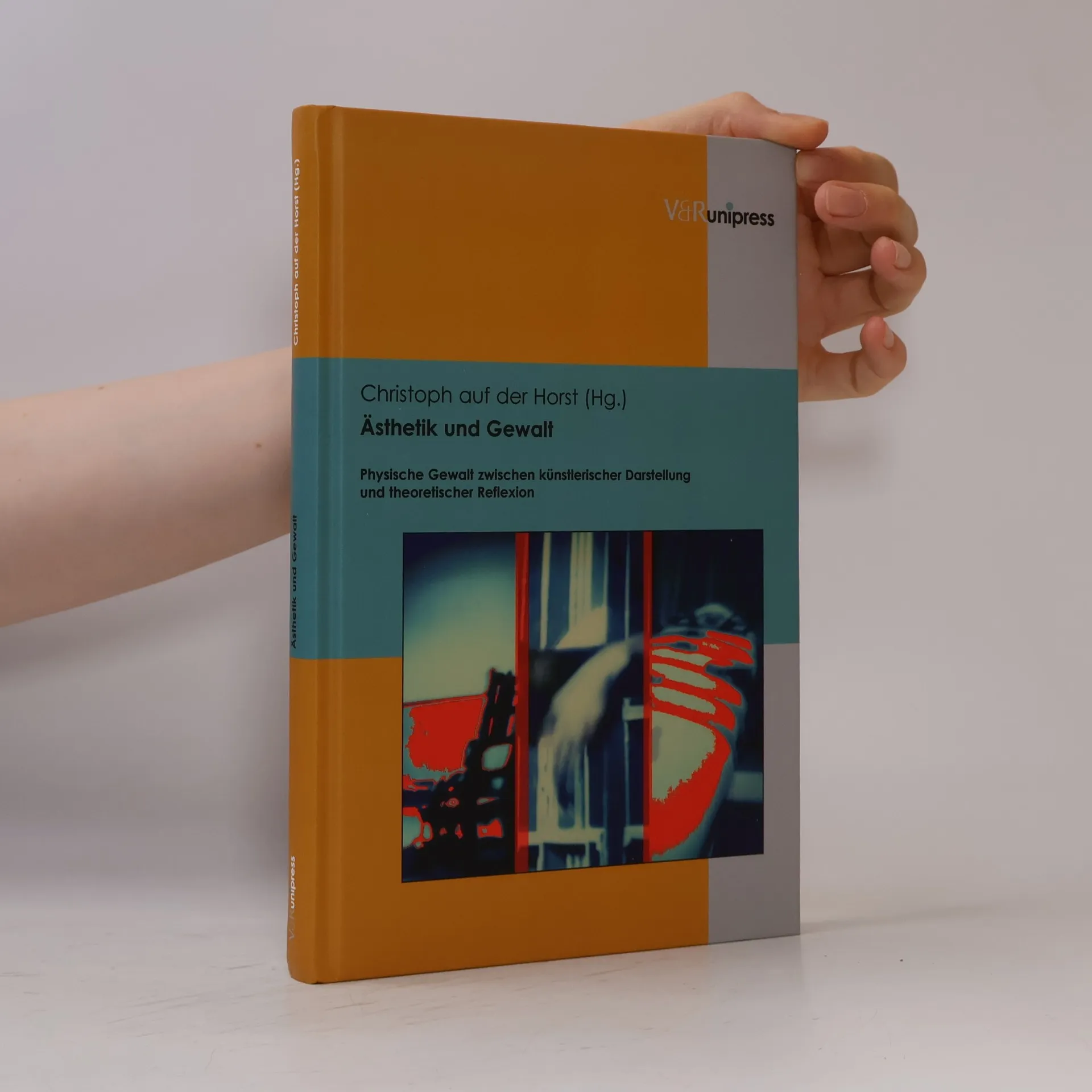
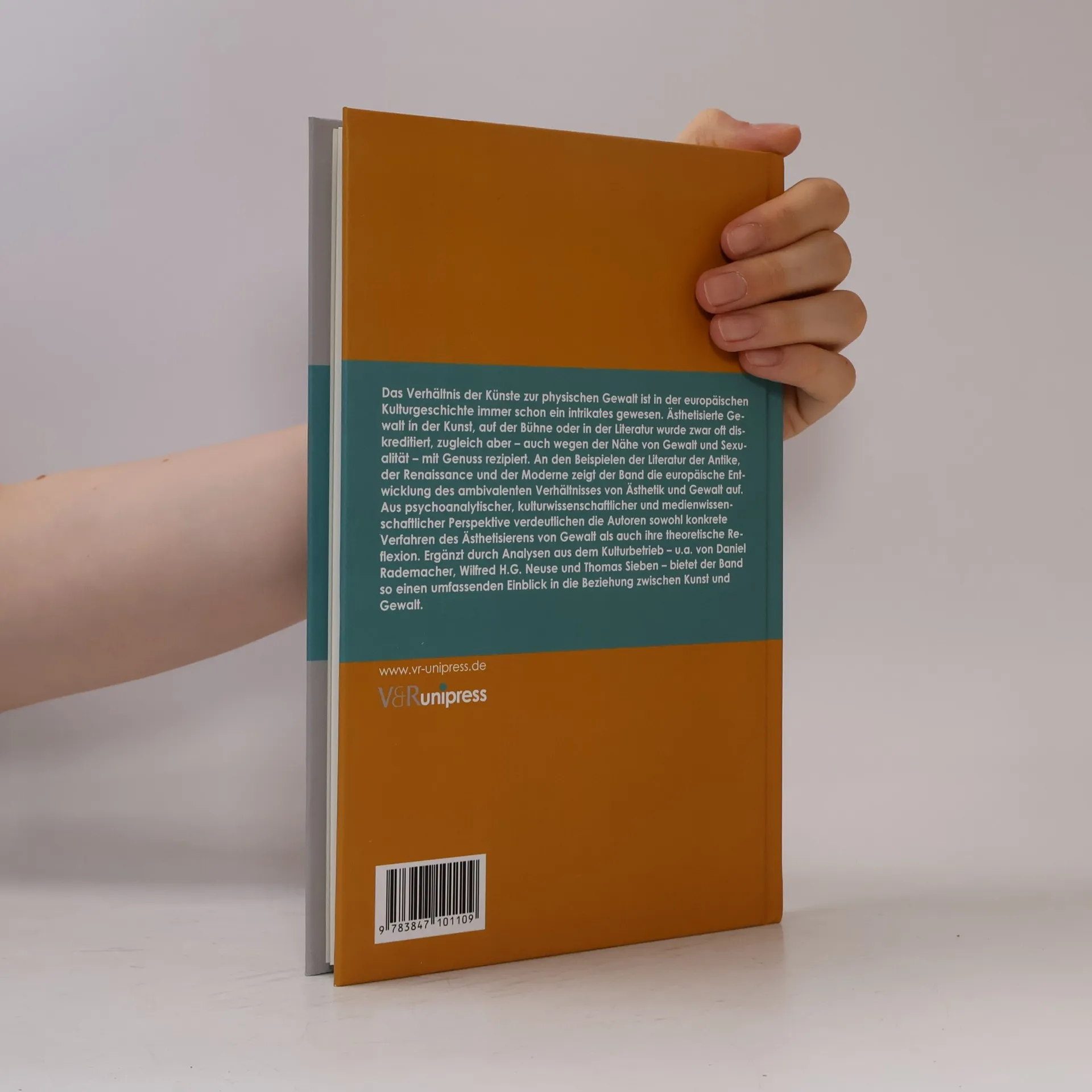
The relationship of art to physical violence in European cultural history has always been intricate. Aestheticised violence in the fine arts, on the stage or in literature has often been discredited, but at the same time – not least because of the contiguity of violence and sexuality – it is received with pleasure. In a survey of literary examples from antiquity, the Renaissance and modernity, the author begins by elucidating the development in Europe of the troubled relationship between aesthetics and violence. This relationship is then examined from a psychoanaltical angle in two exemplary studies of music. The dual perspective continues with the analyses of contemporary cultural producers (a theatre director, a photographic artist and a film director) together with those of cultural scientists (from theatre studies, art history, and film and media studies). In this way the actual process of aesthetisizing violence on the one hand and theoretical reflections on it on the other become clear.
Een boek kopen
Ästhetik und Gewalt, Christoph auf der Horst
- Taal

- Jaar van publicatie
- 2013
- Bindwijze
- (Hardcover),
- Staat van het boek
- Zeer goed
- Prijs
- € 16,99
Betaalmethoden
Nog niemand heeft beoordeeld.
- Titel
- Ästhetik und Gewalt
- Taal
- Duits
- Auteurs
- Christoph auf der Horst
- Uitgever
- Vandenhoeck & Ruprecht Gmbh & Co
- Jaar van publicatie
- 2013
- Formaat
- Hardcover
- Aantal pagina's
- 186
- ISBN10
- 3847101102
- ISBN13
- 9783847101109
- Reeks
- Categorieën
- Tags
- Historisch thema, Kunst, Theater, Oudheid, Kunstgeschiedenis, Literaire Critiek, Geweld, Media en communicatie, Renaissance, Modernisme, Esthetiek
- Aantekening
- The relationship of art to physical violence in European cultural history has always been intricate. Aestheticised violence in the fine arts, on the stage or in literature has often been discredited, but at the same time – not least because of the contiguity of violence and sexuality – it is received with pleasure. In a survey of literary examples from antiquity, the Renaissance and modernity, the author begins by elucidating the development in Europe of the troubled relationship between aesthetics and violence. This relationship is then examined from a psychoanaltical angle in two exemplary studies of music. The dual perspective continues with the analyses of contemporary cultural producers (a theatre director, a photographic artist and a film director) together with those of cultural scientists (from theatre studies, art history, and film and media studies). In this way the actual process of aesthetisizing violence on the one hand and theoretical reflections on it on the other become clear.