



Meer over het boek
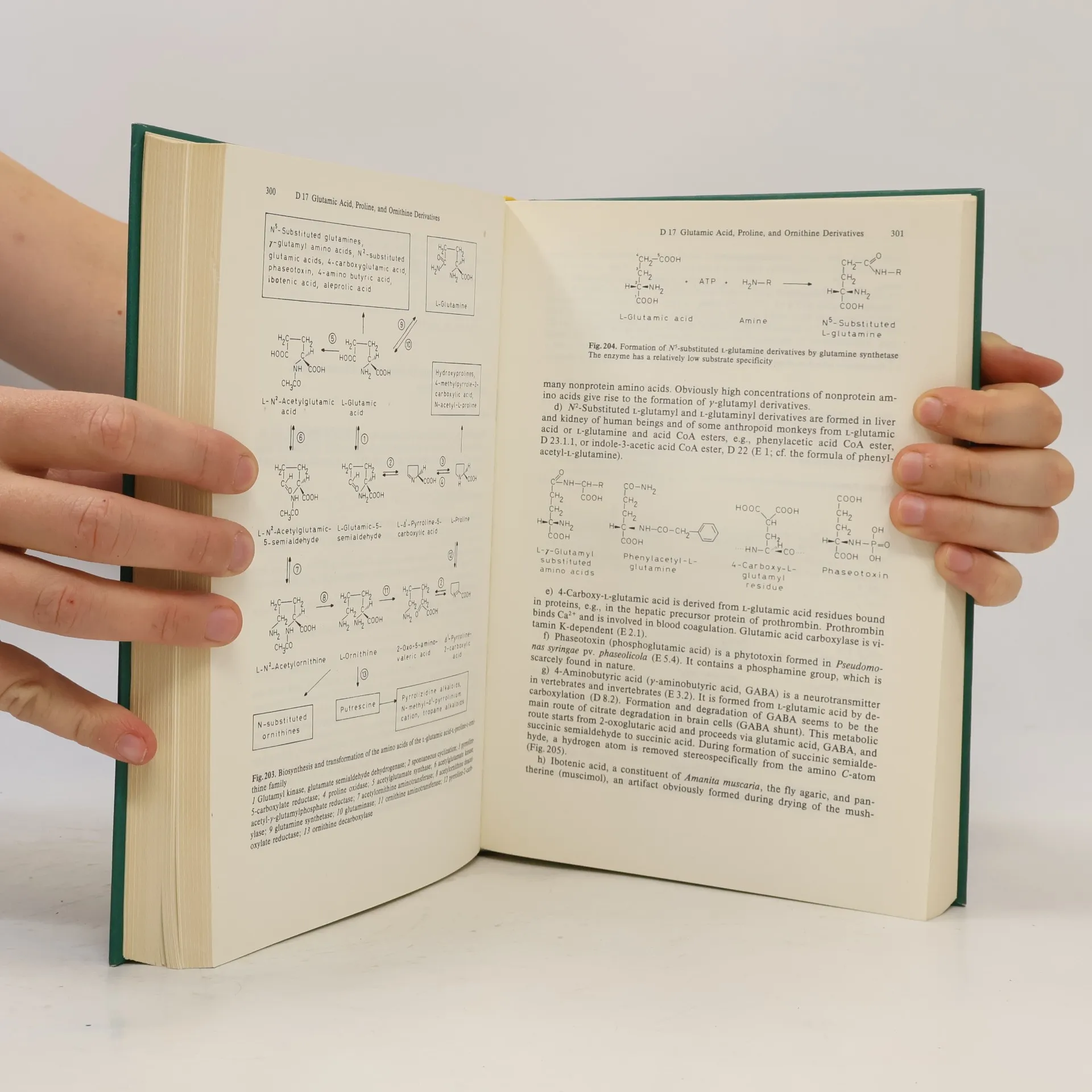
Many of the reactions and compounds involved in metabolism are almost iden tical in the different groups of living organisms. They are known as primary me tabolic reactions and primary metabolic products. In addition, however, a wide variety of biochemical pathways are characteristic of only a few species of organ isms, of single "chemical races," or even of a certain stage of differentiation of specialized cells. Such pathways are collectively referred to as "secondary metab olism," and the compounds formed are called "secondary products." Secondary products are frequently revealed by their color, smell, or taste. They are responsi ble for the flavor of most foodstuffs and beverages and for the color and fragrance of flowers and fruits. Many of them are part of the materia medica, e. g., alka loids, cardiac glycosides, antibiotics, or compounds acting as hormones. Others are used in the industry, e. g., rubber, tannins, and cellulose. This book treats the organization and significance of biosynthesis, storage, transformation, and degradation of the most important groups of secondary pro ducts in microorgimisms, plants, arid animals. It shows that the formation of sec ondary products is a common characteristic of specialized cells brought about by the action of special enzymes encoded by specific genetic material."
Een boek kopen
Secondary Metabolism in Microorganisms, Plants, and Animals, Martin Luckner
- Taal

- Jaar van publicatie
- 1990
- Bindwijze
- (Hardcover),
- Staat van het boek
- Goed
- Prijs
- € 23,99
Betaalmethoden
Nog niemand heeft beoordeeld.
- Titel
- Secondary Metabolism in Microorganisms, Plants, and Animals
- Ondertitel
- Third Revised and Enlarged Edition
- Taal
- Engels
- Auteurs
- Martin Luckner
- Uitgever
- Springer
- Jaar van publicatie
- 1990
- Formaat
- Hardcover
- Aantal pagina's
- 563
- ISBN10
- 3540502874
- ISBN13
- 9783540502876
- Reeks
- Categorieën
- Tags
- Natuurwetenschappen, Wetenschap, Geneeskunde, Planten, Dierkunde, Farmacologie, Biochemie, Apotheek en farmacie, Moleculaire biologie, Medisch Onderzoek, Toxicologie, Plantenfysiologie
- Aantekening
- Many of the reactions and compounds involved in metabolism are almost iden tical in the different groups of living organisms. They are known as primary me tabolic reactions and primary metabolic products. In addition, however, a wide variety of biochemical pathways are characteristic of only a few species of organ isms, of single "chemical races," or even of a certain stage of differentiation of specialized cells. Such pathways are collectively referred to as "secondary metab olism," and the compounds formed are called "secondary products." Secondary products are frequently revealed by their color, smell, or taste. They are responsi ble for the flavor of most foodstuffs and beverages and for the color and fragrance of flowers and fruits. Many of them are part of the materia medica, e. g., alka loids, cardiac glycosides, antibiotics, or compounds acting as hormones. Others are used in the industry, e. g., rubber, tannins, and cellulose. This book treats the organization and significance of biosynthesis, storage, transformation, and degradation of the most important groups of secondary pro ducts in microorgimisms, plants, arid animals. It shows that the formation of sec ondary products is a common characteristic of specialized cells brought about by the action of special enzymes encoded by specific genetic material."