

Meer over het boek
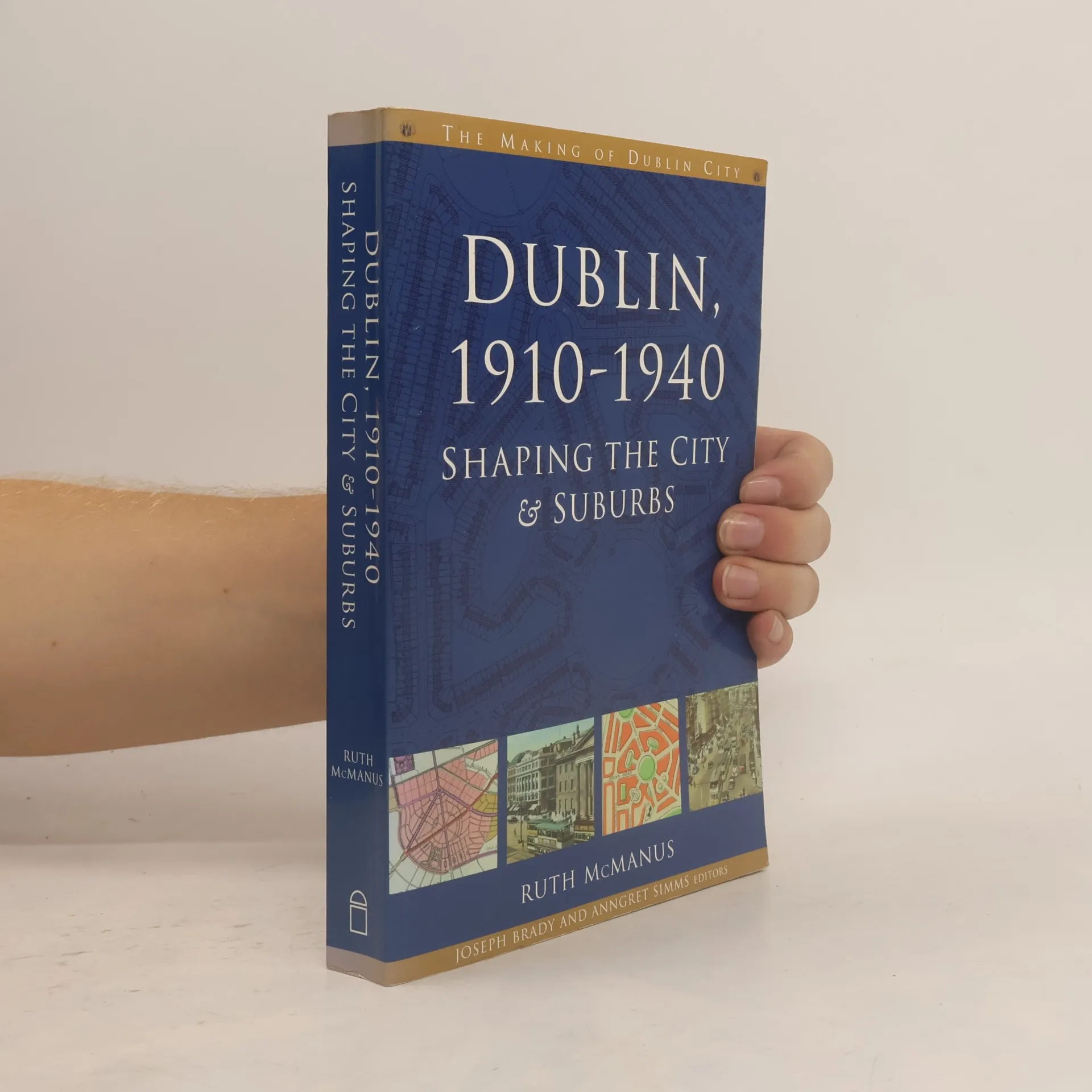
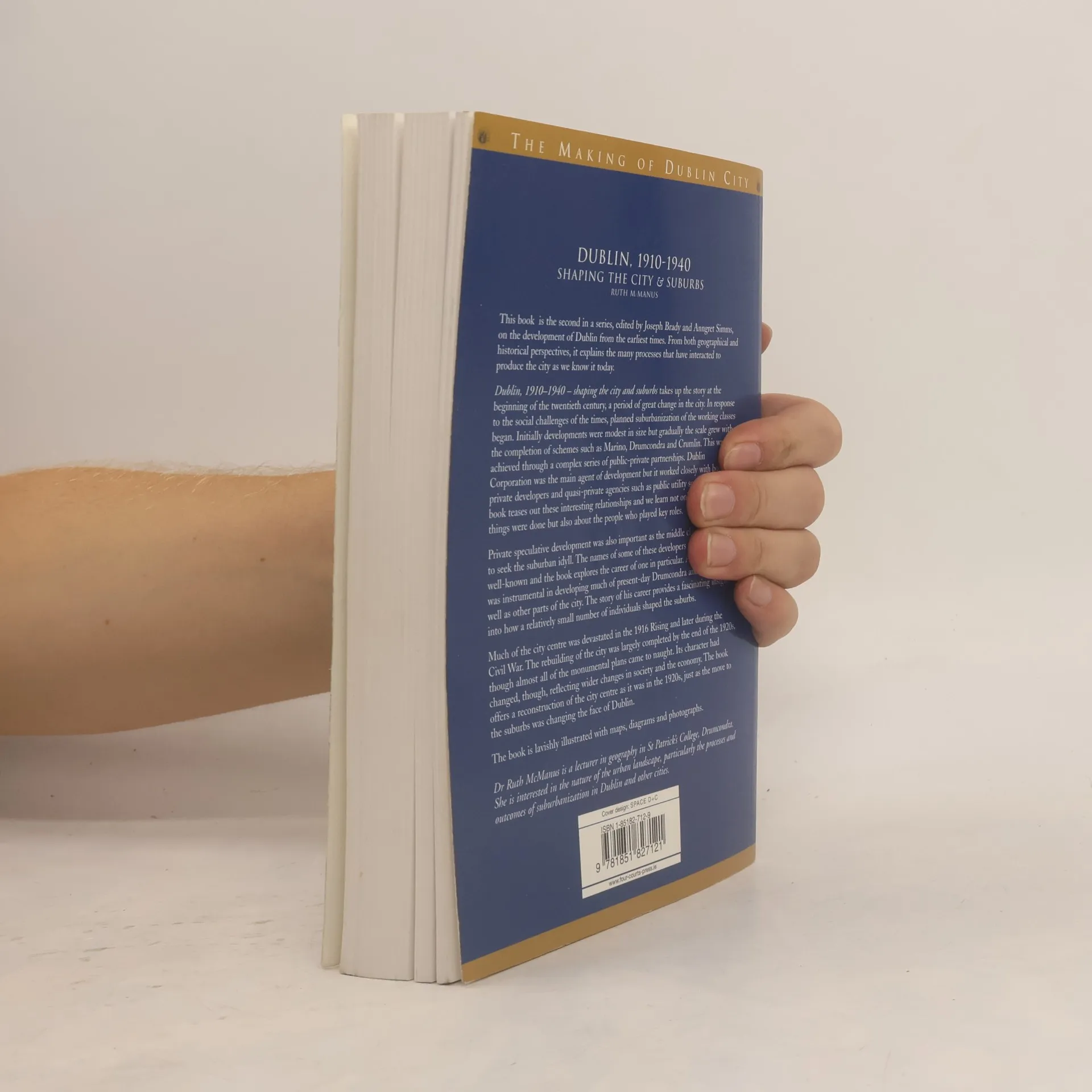
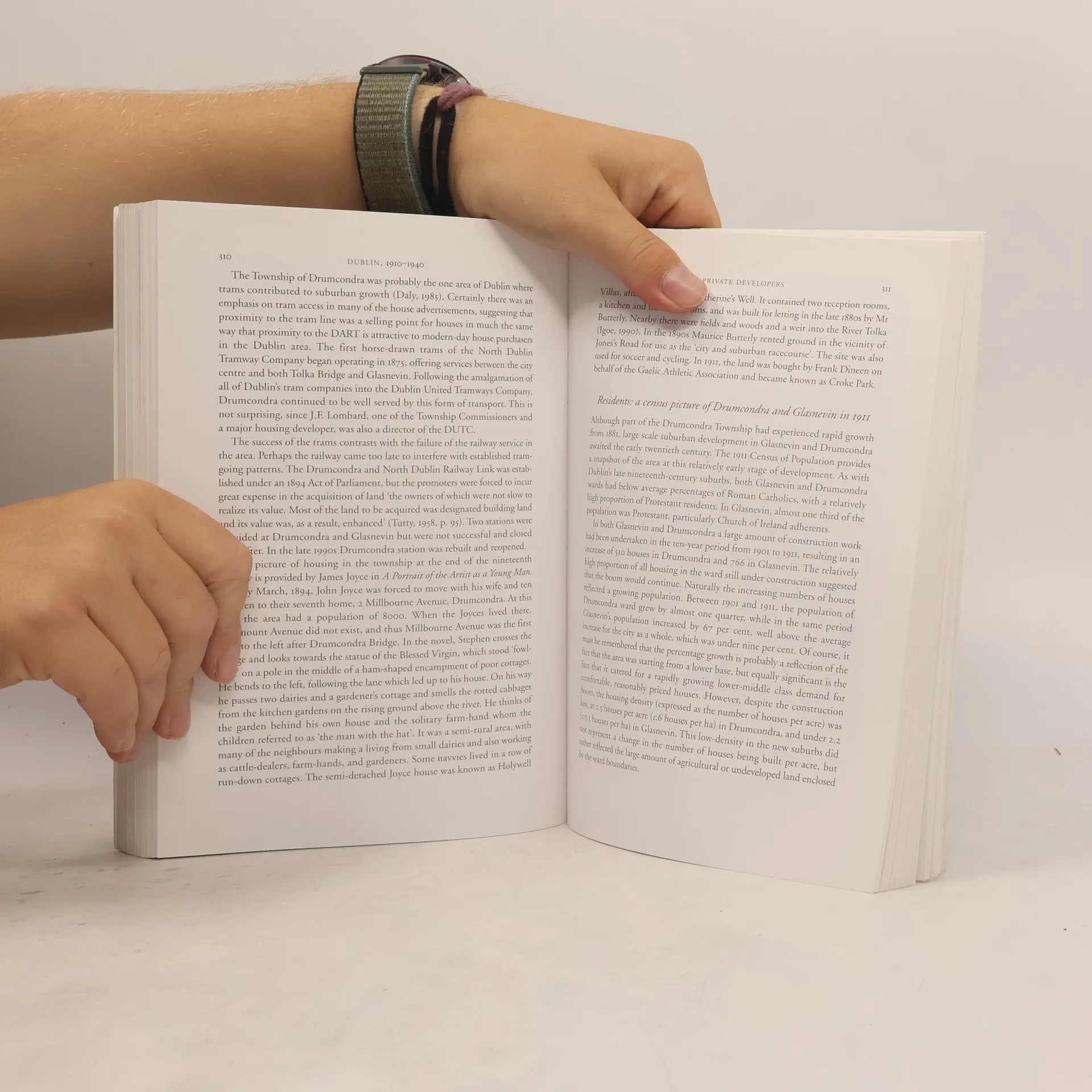
Between 1910 and 1940 Dublin's suburbs grew considerably. For the first time, planned suburbanization of the working classes became a stated policy, with new and idealistic schemes such as Marino, Drumcondra and Crumlin being built. At the same time, private speculative development was continuing at the edges of the city, where individual builders, such as Alexander Strain, often had a major impact on the layout and style of the suburbs. The extent of the interaction between State, local authority, public utility societies and private speculators suggests that a development continuum existed rather than a strict division between public and private development. This was also a period when the modern town planning movement and evolving ideas about citizenship in the new State impacted on the shaping of the city. Many of the formative decisions that came to shape the modern low-rise, low-density city were taken at this time. The story of Dublin's development in the period from 1910 to 1940 covers a time of major political and social change in Ireland. The book is illustrated with maps and photographs. (Series: The Making of Dublin)
Een boek kopen
Dublin, 1910-1940, Ruth McManus
- Taal

- Jaar van publicatie
- 2002
- Bindwijze
- (Paperback),
- Staat van het boek
- Goed
- Prijs
- € 11,49
Betaalmethoden
Nog niemand heeft beoordeeld.
- Titel
- Dublin, 1910-1940
- Ondertitel
- Shaping the City and Suburbs
- Taal
- Engels
- Auteurs
- Ruth McManus
- Uitgever
- Four Courts Pr Ltd
- Jaar van publicatie
- 2002
- Formaat
- Paperback
- Aantal pagina's
- 504
- ISBN10
- 1851827129
- ISBN13
- 9781851827121
- Reeks
- Tags
- Historisch thema, Architectuur, 20e Eeuw, Lokale geschiedenis, Ierland, Stedelijke Ontwikkeling, Dublin
- Aantekening
- Between 1910 and 1940 Dublin's suburbs grew considerably. For the first time, planned suburbanization of the working classes became a stated policy, with new and idealistic schemes such as Marino, Drumcondra and Crumlin being built. At the same time, private speculative development was continuing at the edges of the city, where individual builders, such as Alexander Strain, often had a major impact on the layout and style of the suburbs. The extent of the interaction between State, local authority, public utility societies and private speculators suggests that a development continuum existed rather than a strict division between public and private development. This was also a period when the modern town planning movement and evolving ideas about citizenship in the new State impacted on the shaping of the city. Many of the formative decisions that came to shape the modern low-rise, low-density city were taken at this time. The story of Dublin's development in the period from 1910 to 1940 covers a time of major political and social change in Ireland. The book is illustrated with maps and photographs. (Series: The Making of Dublin)