


Meer over het boek
One of the most influential experts on military history and strategy presents an original and provocative account of the past century of global conflict. This work reveals the path to the impasse in Iraq, the helplessness of powerful standing armies against ill-equipped insurgents, and the future of national security. Martin van Creveld explores the unpredictable human element in warfare, tracing the evolution from massive armies in the last century to today’s high-tech skirmishes and frustrating quagmires. He describes the world of 1900, dominated by a few European great powers, where warfare was conducted with traditional methods. The advent of the telegraph, telephone, and radio revolutionized communication, while innovations like the Dreadnought battleship, tanks, and airplanes transformed combat. Van Creveld provides a gripping portrayal of World War I, highlighting the staggering casualties and the introduction of deadly weapons like poison gas. Germany’s failed strategies led to a stalemate, favoring those who could produce the most weaponry. The narrative progresses to World War II, where advancements in armored warfare and airpower, alongside breakthroughs like radar and the atomic bomb, complicated warfare further. The Cold War shifted focus from fighting wars to deterrence, leading to a decline in active troops and military influence. Today, state-of-the-art armies struggle against small guerrilla groups, illustr
Een boek kopen
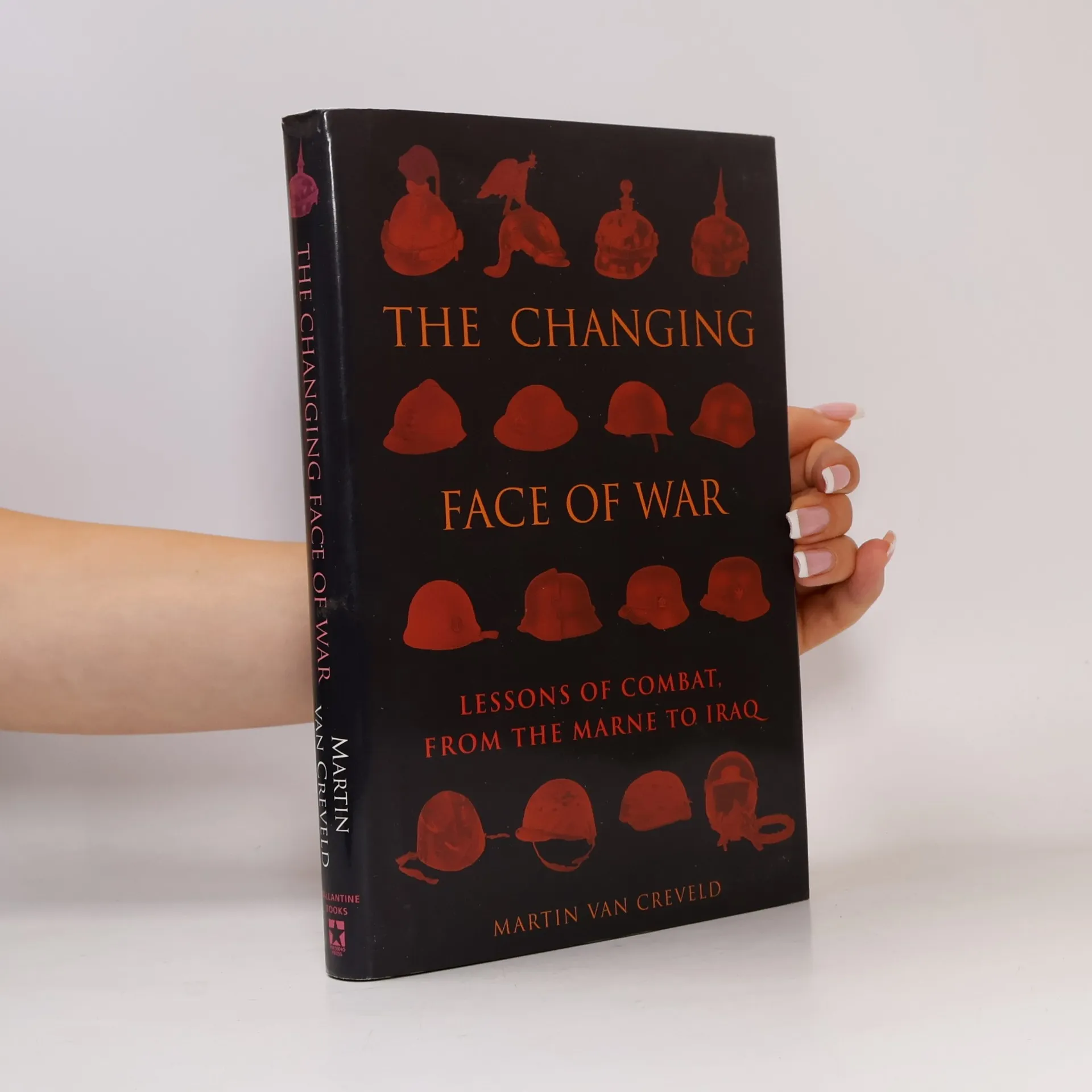
The Changing Face of War, Martin Van Creveld
- Taal

- Jaar van publicatie
- 2006
- Bindwijze
- (Hardcover),
- Staat van het boek
- Zeer goed
- Prijs
- € 8,99
Betaalmethoden
Nog niemand heeft beoordeeld.
- Titel
- The Changing Face of War
- Ondertitel
- Lessons of Combat, from the Marne to Iraq
- Taal
- Engels
- Auteurs
- Martin Van Creveld
- Uitgever
- Presidio Press
- Jaar van publicatie
- 2006
- Formaat
- Hardcover
- Aantal pagina's
- 304
- ISBN10
- 0891419012
- ISBN13
- 9780891419013
- Reeks
- Categorieën
- Aantekening
- One of the most influential experts on military history and strategy presents an original and provocative account of the past century of global conflict. This work reveals the path to the impasse in Iraq, the helplessness of powerful standing armies against ill-equipped insurgents, and the future of national security. Martin van Creveld explores the unpredictable human element in warfare, tracing the evolution from massive armies in the last century to today’s high-tech skirmishes and frustrating quagmires. He describes the world of 1900, dominated by a few European great powers, where warfare was conducted with traditional methods. The advent of the telegraph, telephone, and radio revolutionized communication, while innovations like the Dreadnought battleship, tanks, and airplanes transformed combat. Van Creveld provides a gripping portrayal of World War I, highlighting the staggering casualties and the introduction of deadly weapons like poison gas. Germany’s failed strategies led to a stalemate, favoring those who could produce the most weaponry. The narrative progresses to World War II, where advancements in armored warfare and airpower, alongside breakthroughs like radar and the atomic bomb, complicated warfare further. The Cold War shifted focus from fighting wars to deterrence, leading to a decline in active troops and military influence. Today, state-of-the-art armies struggle against small guerrilla groups, illustr