

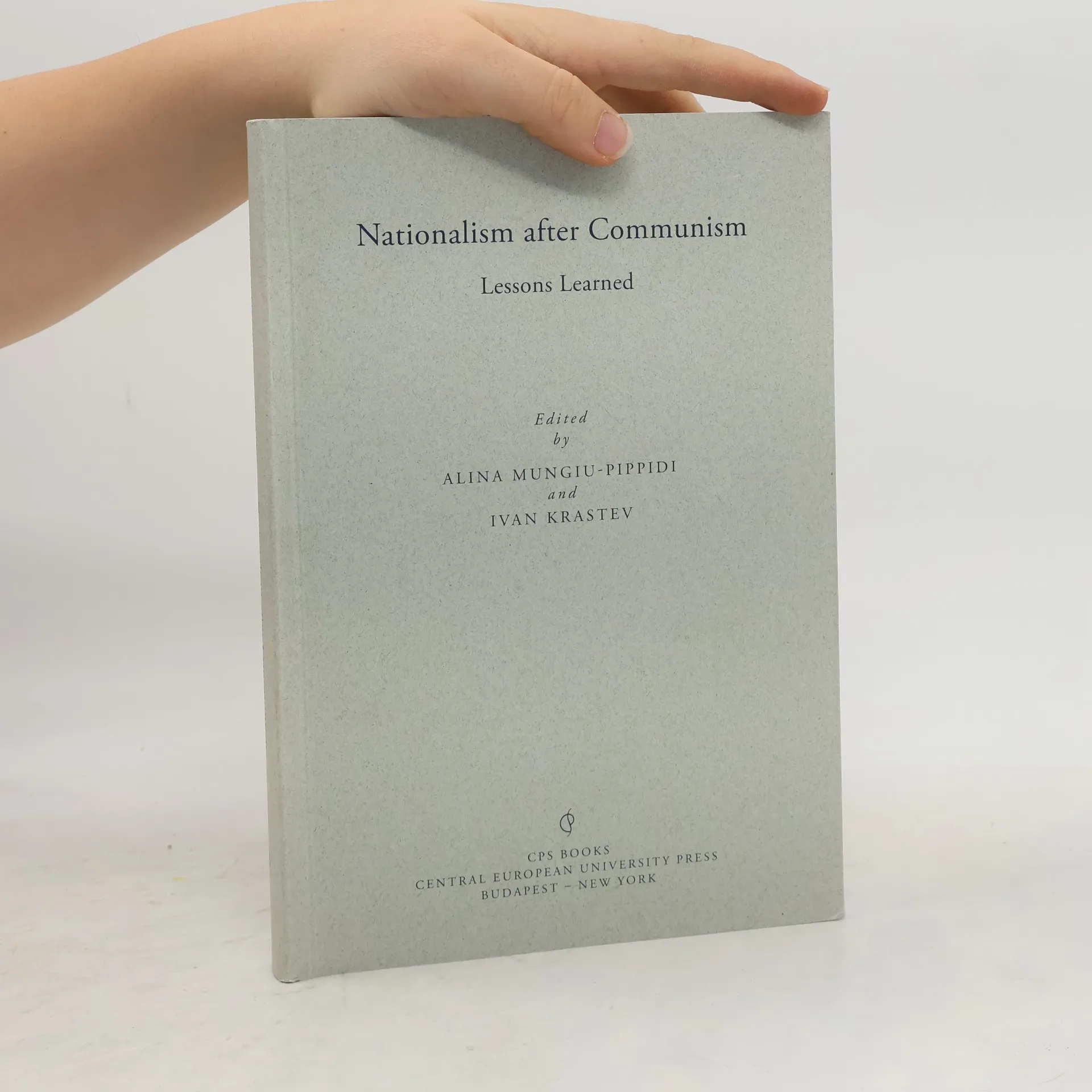


Nationalism After Communism
Lessons Learned
Parameters
- 286bladzijden
- 11 uur lezen
Meer over het boek
What if a policymaker tasked with creating a peace arrangement in an ethnic conflict sought practical wisdom from the theory of ethnic conflict and nationalism? This book examines the intersection of academic theory and the realities faced by policymakers who must foster interethnic peace with limited resources and time. It explores the postcommunist experience of ethnic revival and conflict, comparing it to other nationalisms and assessing best practices for managing ethnic conflicts within and between states. The introductory chapter provides a theoretical overview of recent research on nationalism and ethnic conflict relevant to policymaking. Subsequent chapters delve into the political economy of ethnicity, with Vladimir Gligorov analyzing the incentives that led to the fragmentation of Yugoslavia and the efforts to unify it. Charles King investigates the small separatist republics of the post-Soviet landscape, while Gerald Knause and collaborators examine the challenges of equitable governance between ethnic groups in Macedonia. Alina Mungiu-Pippidi tests primordial hypotheses through public opinion surveys in several countries. Valerie Bunce and Philip Roeder critically assess political institutions aimed at preventing ethnic conflict, while Florian Bieber and Mathijs Bogaards evaluate power-sharing arrangements and voting systems in the Balkans. The book concludes with a review of policy options by the editors.
Een boek kopen
Nationalism After Communism, Ivan Krastev, Alina Mungiu-Pippidi
- Taal

- Jaar van publicatie
- 2004
- Bindwijze
- (Paperback),
- Staat van het boek
- Goed
- Prijs
- € 244,99
Betaalmethoden
Nog niemand heeft beoordeeld.
- Titel
- Nationalism After Communism
- Ondertitel
- Lessons Learned
- Taal
- Engels
- Auteurs
- Ivan Krastev, Alina Mungiu-Pippidi
- Jaar van publicatie
- 2004
- Formaat
- Paperback
- Aantal pagina's
- 286
- ISBN10
- 9639241768
- ISBN13
- 9789639241763
- Reeks
- Tags
- Politiek, Politieke theorieën, Burgerlijk recht, Oost-Europa, Nationalisme, Sociale Politiek, Politieke Aspecten, Sociale Zekerheid, Etnische Relaties
- Aantekening
- What if a policymaker tasked with creating a peace arrangement in an ethnic conflict sought practical wisdom from the theory of ethnic conflict and nationalism? This book examines the intersection of academic theory and the realities faced by policymakers who must foster interethnic peace with limited resources and time. It explores the postcommunist experience of ethnic revival and conflict, comparing it to other nationalisms and assessing best practices for managing ethnic conflicts within and between states. The introductory chapter provides a theoretical overview of recent research on nationalism and ethnic conflict relevant to policymaking. Subsequent chapters delve into the political economy of ethnicity, with Vladimir Gligorov analyzing the incentives that led to the fragmentation of Yugoslavia and the efforts to unify it. Charles King investigates the small separatist republics of the post-Soviet landscape, while Gerald Knause and collaborators examine the challenges of equitable governance between ethnic groups in Macedonia. Alina Mungiu-Pippidi tests primordial hypotheses through public opinion surveys in several countries. Valerie Bunce and Philip Roeder critically assess political institutions aimed at preventing ethnic conflict, while Florian Bieber and Mathijs Bogaards evaluate power-sharing arrangements and voting systems in the Balkans. The book concludes with a review of policy options by the editors.