

Parameters
- 285bladzijden
- 10 uur lezen
Meer over het boek
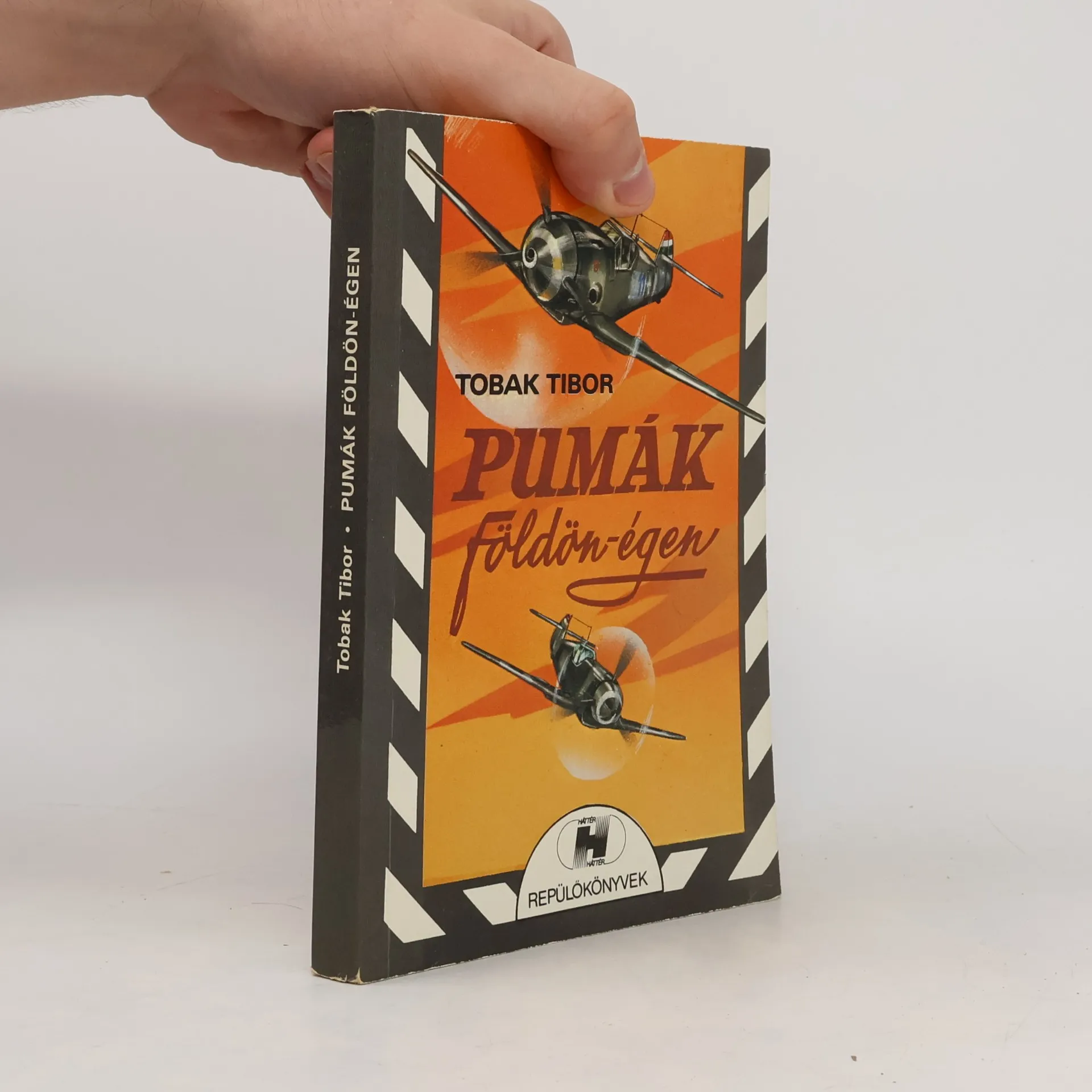
The publication of Tobak's Puma book generated significant interest in the history of pre-1945 Hungarian aviation, a topic previously banned during the communist era. Tibor Tobak emerged as a key figure in representing and organizing veteran Hungarian military aviators, writing several stories to honor the contributions of Hungarian bomber and reconnaissance units in World War II. For his efforts in preserving this aspect of military history, he was decorated and promoted to colonel (retired) by the democratic government. The book is structured into chapters detailing his experiences, including his flight school and fighter academy studies, service as a courier pilot in Transylvania, and his involvement with the Pumas during their initial engagements against USAAF bombers in 1944. Despite being a small unit with only thirty Bf 109G6 fighter planes, the Pumas faced overwhelming odds against formations of hundreds of American bombers and fighters. Tobak recounts his severe injury and his harrowing journey to a hospital in Germany amid relentless allied bombing. The latter sections focus on the fighting on the Soviet front, where the Bf 109 struggled against Il-2 ground support aircraft and their fighter escorts. The narrative concludes with the Puma unit's retreat into Austria, culminating in the destruction of their remaining planes on Raffelding airfield on May 6, 1945, as a wounded Tobak observed from the sidelines. Eventua
Een boek kopen
Pumák földön égen, Tibor Tobak
- Taal

- Jaar van publicatie
- 1989
- Bindwijze
- (Paperback),
- Staat van het boek
- Zeer goed
- Prijs
- € 7,39
Betaalmethoden
Nog niemand heeft beoordeeld.
- Titel
- Pumák földön égen
- Taal
- Hongaars
- Auteurs
- Tibor Tobak
- Uitgever
- Háttér
- Jaar van publicatie
- 1989
- Formaat
- Paperback
- Aantal pagina's
- 285
- ISBN10
- 9637403353
- ISBN13
- 9789637403354
- Reeks
- Categorieën
- Aantekening
- The publication of Tobak's Puma book generated significant interest in the history of pre-1945 Hungarian aviation, a topic previously banned during the communist era. Tibor Tobak emerged as a key figure in representing and organizing veteran Hungarian military aviators, writing several stories to honor the contributions of Hungarian bomber and reconnaissance units in World War II. For his efforts in preserving this aspect of military history, he was decorated and promoted to colonel (retired) by the democratic government. The book is structured into chapters detailing his experiences, including his flight school and fighter academy studies, service as a courier pilot in Transylvania, and his involvement with the Pumas during their initial engagements against USAAF bombers in 1944. Despite being a small unit with only thirty Bf 109G6 fighter planes, the Pumas faced overwhelming odds against formations of hundreds of American bombers and fighters. Tobak recounts his severe injury and his harrowing journey to a hospital in Germany amid relentless allied bombing. The latter sections focus on the fighting on the Soviet front, where the Bf 109 struggled against Il-2 ground support aircraft and their fighter escorts. The narrative concludes with the Puma unit's retreat into Austria, culminating in the destruction of their remaining planes on Raffelding airfield on May 6, 1945, as a wounded Tobak observed from the sidelines. Eventua