

Meer over het boek
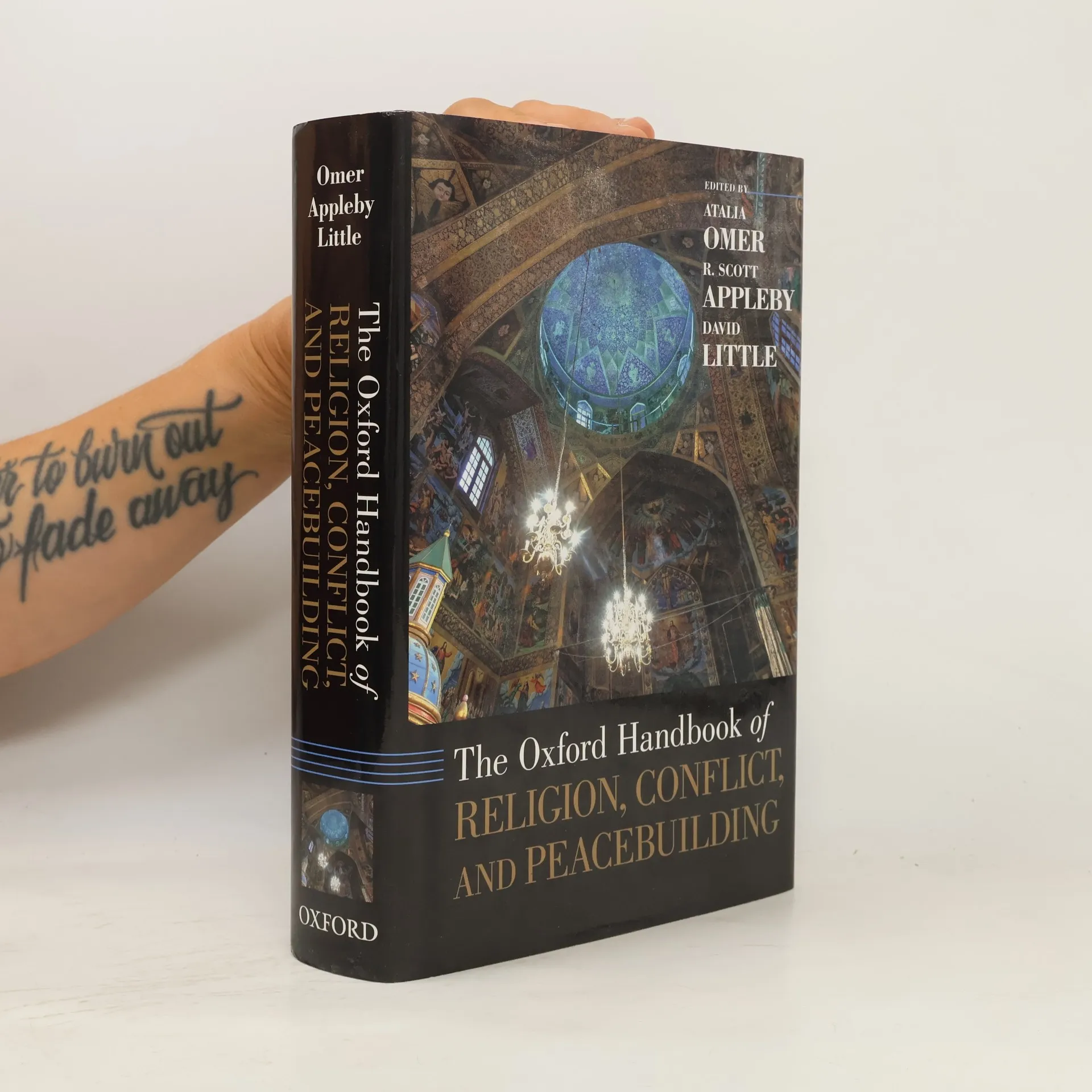
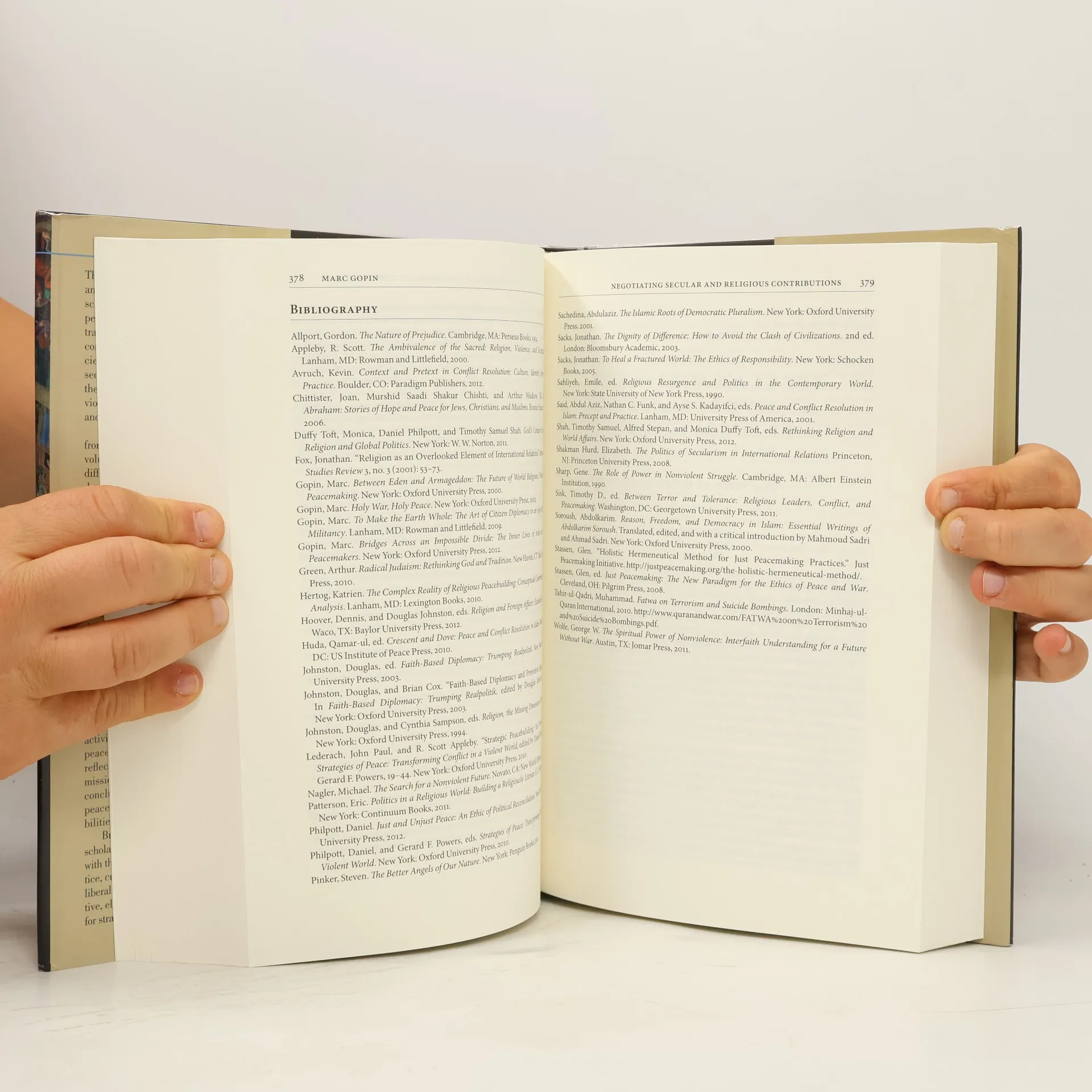
This volume provides a comprehensive and interdisciplinary account of the scholarship on religion, conflict, and peacebuilding. Looking far beyond the traditional parameters of the field, the contributors engage deeply with the legacies of colonialism, missionary activism, secularism, orientalism, and liberalism as they relate to the discussion of religion, violence, and nonviolent transformation and resistance. Featuring numerous case studies from various contexts and traditions, the volume is organized thematically into five different parts. It begins with an up-to-date mapping of scholarship on religion and violence, and religion and peace. The second part explores the challenges related to developing secularist theories on peace and nationalism, broadening the discussion of violence to include an analysis of cultural and structural forms. In the third section, the chapters explore controversial topics such as religion and development, religious militancy, and the freedom of religion as a keystone of peacebuilding. The fourth part locates notions of peacebuilding in spiritual practice by focusing on constructive resources within various traditions, the transformative role of rituals, youth and interfaith activism in American university campuses, religion and solidarity activism, scriptural reasoning as a peacebuilding practice, and an extended reflection on the history and legacy of missionary peacebuilding. The volume concludes by looking to the future of peacebuilding scholarship and the possibilities for new growth and progress. Bringing together a diverse array of scholars, this innovative handbook grapples with the tension between theory and practice, cultural theory, and the legacy of the liberal peace paradigm, offering provocative, elastic, and context-specific insights for strategic peacebuilding processes.
Een boek kopen
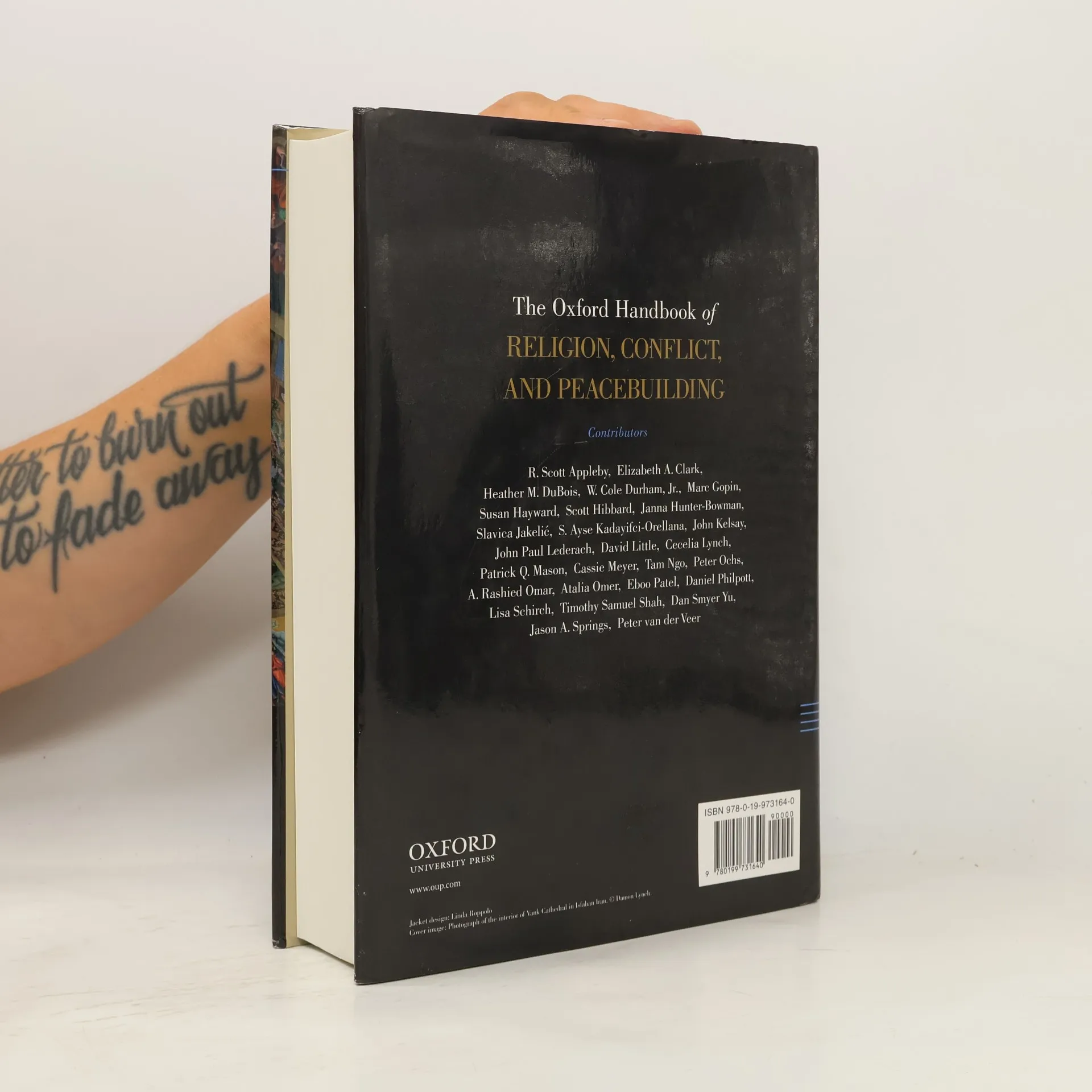
Oxford Handbooks: The Oxford Handbook of Religion, Conflict, and Peacebuilding, Atalia Omer, R. Scott Appleby, David Little
- Taal

- Jaar van publicatie
- 2015
- Bindwijze
- (Hardcover)
Betaalmethoden
Nog niemand heeft beoordeeld.
- Titel
- Oxford Handbooks: The Oxford Handbook of Religion, Conflict, and Peacebuilding
- Taal
- Engels
- Auteurs
- Atalia Omer, R. Scott Appleby, David Little
- Uitgever
- Oxford University Press
- Jaar van publicatie
- 2015
- Formaat
- Hardcover
- Aantal pagina's
- 736
- ISBN10
- 0199731640
- ISBN13
- 9780199731640
- Reeks
- Aantekening
- This volume provides a comprehensive and interdisciplinary account of the scholarship on religion, conflict, and peacebuilding. Looking far beyond the traditional parameters of the field, the contributors engage deeply with the legacies of colonialism, missionary activism, secularism, orientalism, and liberalism as they relate to the discussion of religion, violence, and nonviolent transformation and resistance. Featuring numerous case studies from various contexts and traditions, the volume is organized thematically into five different parts. It begins with an up-to-date mapping of scholarship on religion and violence, and religion and peace. The second part explores the challenges related to developing secularist theories on peace and nationalism, broadening the discussion of violence to include an analysis of cultural and structural forms. In the third section, the chapters explore controversial topics such as religion and development, religious militancy, and the freedom of religion as a keystone of peacebuilding. The fourth part locates notions of peacebuilding in spiritual practice by focusing on constructive resources within various traditions, the transformative role of rituals, youth and interfaith activism in American university campuses, religion and solidarity activism, scriptural reasoning as a peacebuilding practice, and an extended reflection on the history and legacy of missionary peacebuilding. The volume concludes by looking to the future of peacebuilding scholarship and the possibilities for new growth and progress. Bringing together a diverse array of scholars, this innovative handbook grapples with the tension between theory and practice, cultural theory, and the legacy of the liberal peace paradigm, offering provocative, elastic, and context-specific insights for strategic peacebuilding processes.