




Meer over het boek
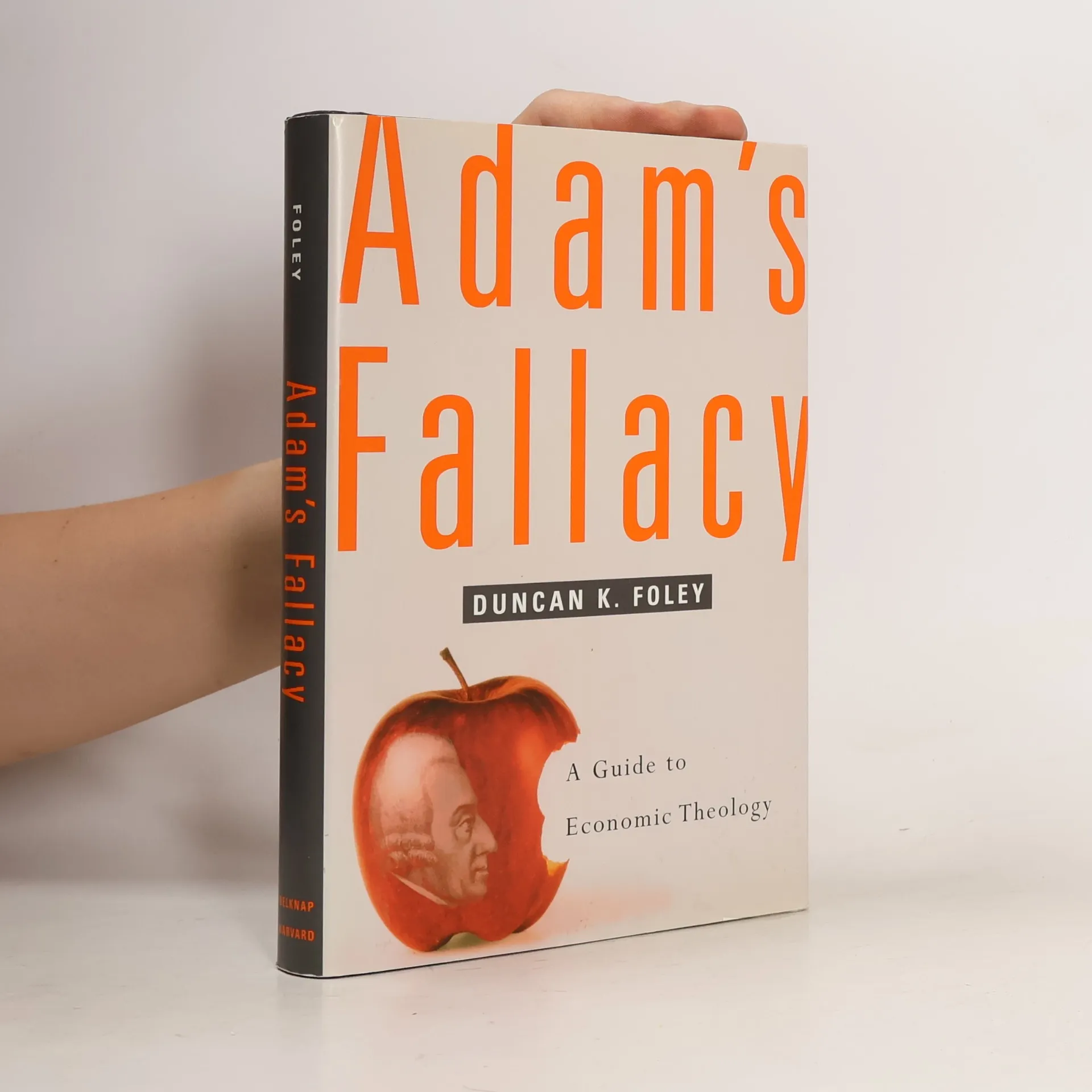
This book serves as a comprehensive guide to economics, exploring the core ideas of influential economists from Adam Smith to Joseph Schumpeter. It features chapters on notable figures such as Thomas Malthus, David Ricardo, Karl Marx, the marginalists, John Maynard Keynes, Friedrich Hayek, and Thorstein Veblen. The author, Duncan Foley, posits that economics, at its most profound level, is a speculative philosophical discourse rather than a strict science. He critiques the notion of separating the economic realm, where self-interest is believed to lead to socially beneficial outcomes, from the broader social context, where such self-interest can be morally questionable. While Smith and his successors highlighted the productivity gains and improved living standards resulting from market dynamics and labor division, they overlooked critical issues like wealth distribution among societal classes and the long-term welfare of the planet. The writing is engaging and thought-provoking, offering insights that resonate deeply with readers, prompting reflection on the complexities of economics and its implications for society.
Een boek kopen
Adam's Fallacy, Duncan K. Foley
- Taal

- Jaar van publicatie
- 2006
- Bindwijze
- (Hardcover),
- Staat van het boek
- Goed
- Prijs
- € 4,79
Betaalmethoden
Nog niemand heeft beoordeeld.
- Titel
- Adam's Fallacy
- Ondertitel
- A Guide to Economic Theology
- Taal
- Engels
- Auteurs
- Duncan K. Foley
- Jaar van publicatie
- 2006
- Formaat
- Hardcover
- Aantal pagina's
- 265
- ISBN10
- 0674023099
- ISBN13
- 9780674023093
- Reeks
- Categorieën
- Aantekening
- This book serves as a comprehensive guide to economics, exploring the core ideas of influential economists from Adam Smith to Joseph Schumpeter. It features chapters on notable figures such as Thomas Malthus, David Ricardo, Karl Marx, the marginalists, John Maynard Keynes, Friedrich Hayek, and Thorstein Veblen. The author, Duncan Foley, posits that economics, at its most profound level, is a speculative philosophical discourse rather than a strict science. He critiques the notion of separating the economic realm, where self-interest is believed to lead to socially beneficial outcomes, from the broader social context, where such self-interest can be morally questionable. While Smith and his successors highlighted the productivity gains and improved living standards resulting from market dynamics and labor division, they overlooked critical issues like wealth distribution among societal classes and the long-term welfare of the planet. The writing is engaging and thought-provoking, offering insights that resonate deeply with readers, prompting reflection on the complexities of economics and its implications for society.