

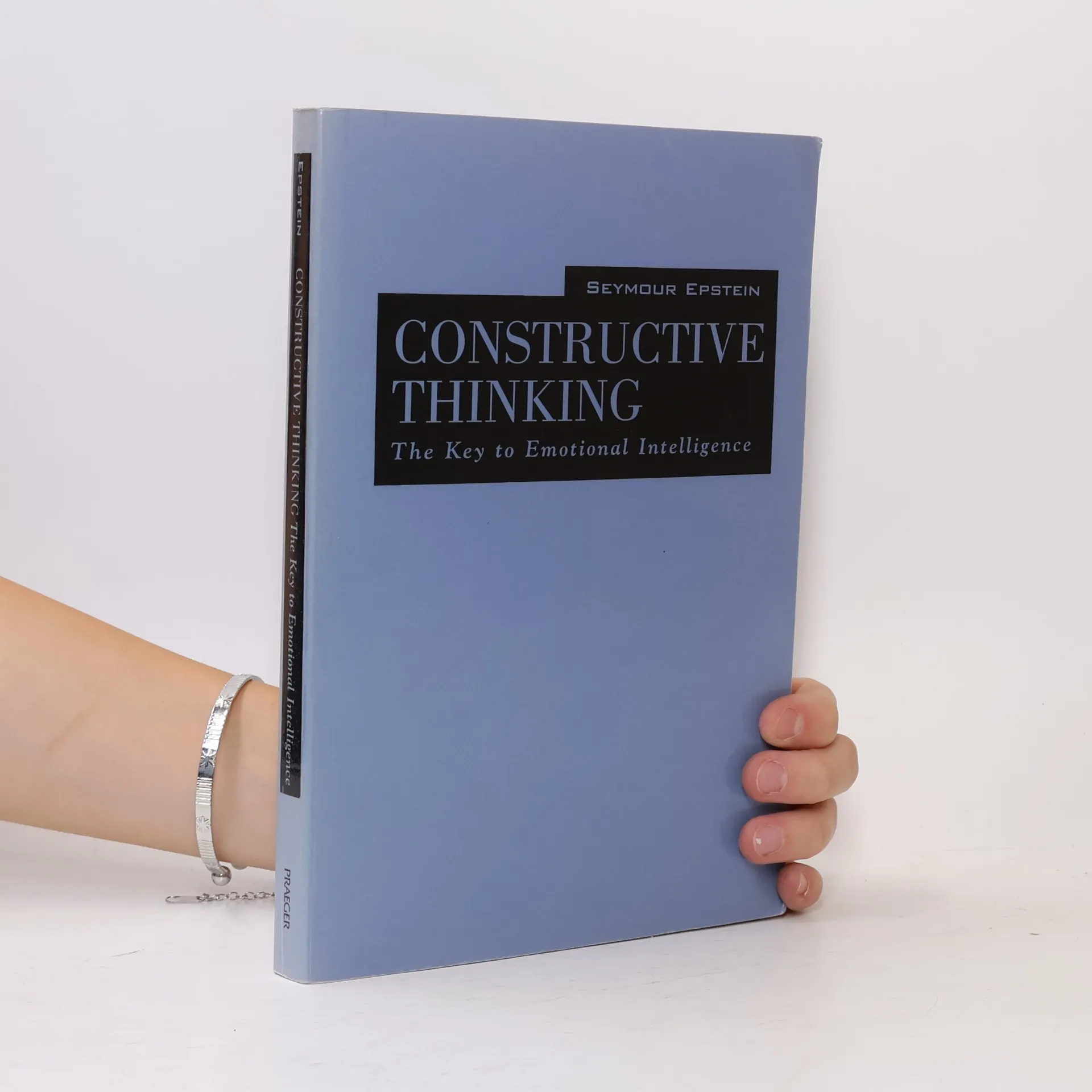

Constructive Thinking
The Key to Emotional Intelligence
Auteurs
Meer over het boek
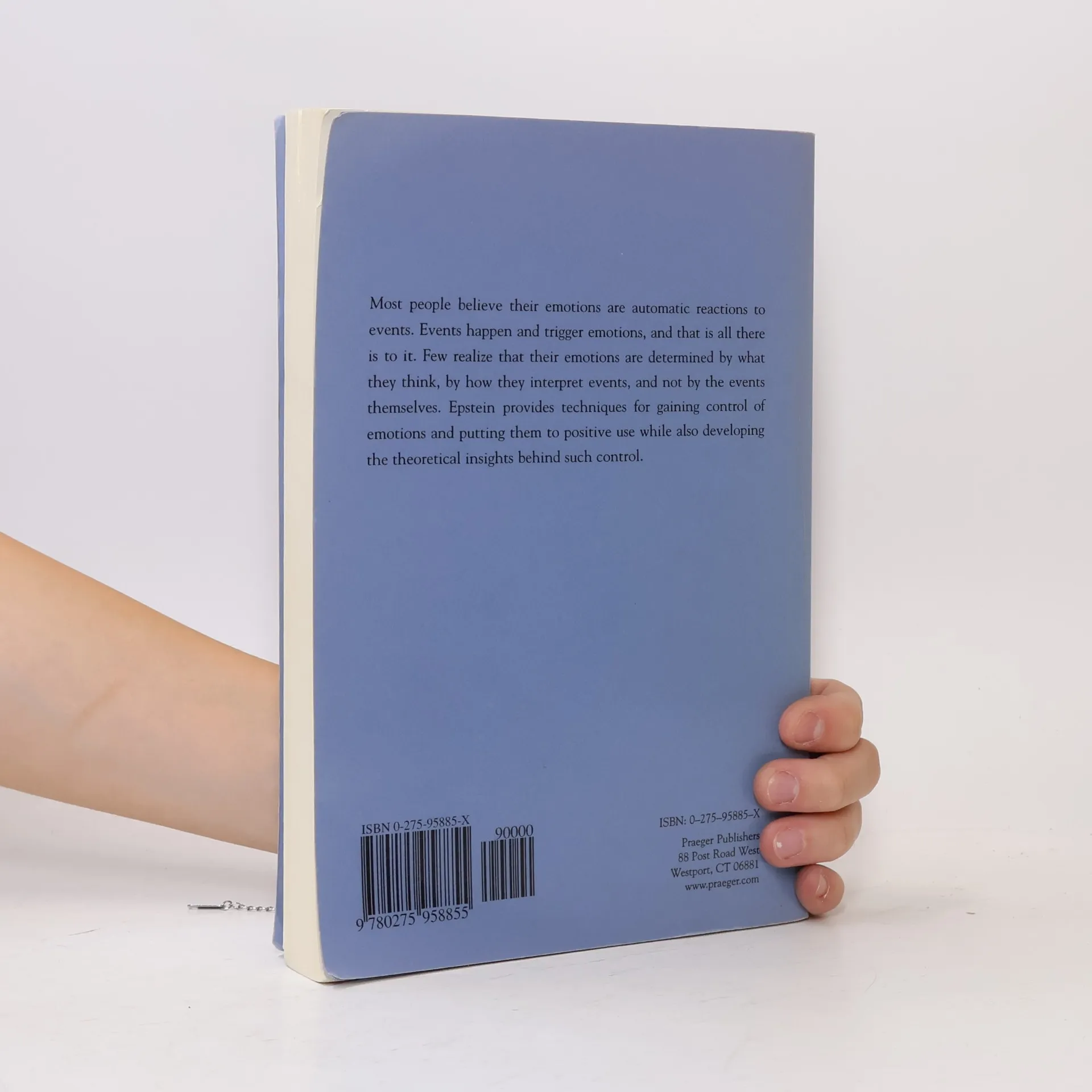
This book explores how to gain control over emotions through a theory of automatic processing and its implications. The author, a respected professor of personality psychology, has backed his theory with extensive research published in leading professional journals. Inspired by the success of a course he taught, where students reported transformative insights into their emotional control, he aims to share this knowledge widely. The theory posits that individuals operate with two minds: a rational-analytical mind and an intuitive-experiential mind, the latter closely linked to emotions. Each mind functions under distinct principles and possesses its own intelligence. The rational-analytical mind's intelligence is assessed through IQ tests, while the intuitive-experiential mind's intelligence, related to emotional intelligence, is measured by the Constructive Thinking Inventory (CTI), developed by the author and included in the book. By understanding how the intuitive-experiential mind operates, individuals can train and learn from it, thereby enhancing their emotional intelligence. The book offers practical exercises for applying these principles in daily life and reviews various methods for improving emotional intelligence. It serves as a valuable resource for courses on emotional intelligence and stress management, as well as for individual readers seeking personal growth.
Een boek kopen
Constructive Thinking, Seymour Epstein
- Taal

- Jaar van publicatie
- 1998
- Bindwijze
- (Paperback),
- Staat van het boek
- Goed
- Prijs
- € 3,69
Betaalmethoden
Nog niemand heeft beoordeeld.
- Titel
- Constructive Thinking
- Ondertitel
- The Key to Emotional Intelligence
- Taal
- Engels
- Auteurs
- Seymour Epstein
- Uitgever
- Praeger
- Jaar van publicatie
- 1998
- Formaat
- Paperback
- Aantal pagina's
- 304
- ISBN10
- 027595885X
- ISBN13
- 9780275958855
- Reeks
- Categorieën
- Tags
- Psychologische thema’s, Leiderschap, Succes, Psychologische Aspecten, Neuropsychologie, EQ, Emotionele Intelligentie
- Aantekening
- This book explores how to gain control over emotions through a theory of automatic processing and its implications. The author, a respected professor of personality psychology, has backed his theory with extensive research published in leading professional journals. Inspired by the success of a course he taught, where students reported transformative insights into their emotional control, he aims to share this knowledge widely. The theory posits that individuals operate with two minds: a rational-analytical mind and an intuitive-experiential mind, the latter closely linked to emotions. Each mind functions under distinct principles and possesses its own intelligence. The rational-analytical mind's intelligence is assessed through IQ tests, while the intuitive-experiential mind's intelligence, related to emotional intelligence, is measured by the Constructive Thinking Inventory (CTI), developed by the author and included in the book. By understanding how the intuitive-experiential mind operates, individuals can train and learn from it, thereby enhancing their emotional intelligence. The book offers practical exercises for applying these principles in daily life and reviews various methods for improving emotional intelligence. It serves as a valuable resource for courses on emotional intelligence and stress management, as well as for individual readers seeking personal growth.