

Je koopt precies het boekdat op de foto staat
Meer over het boek
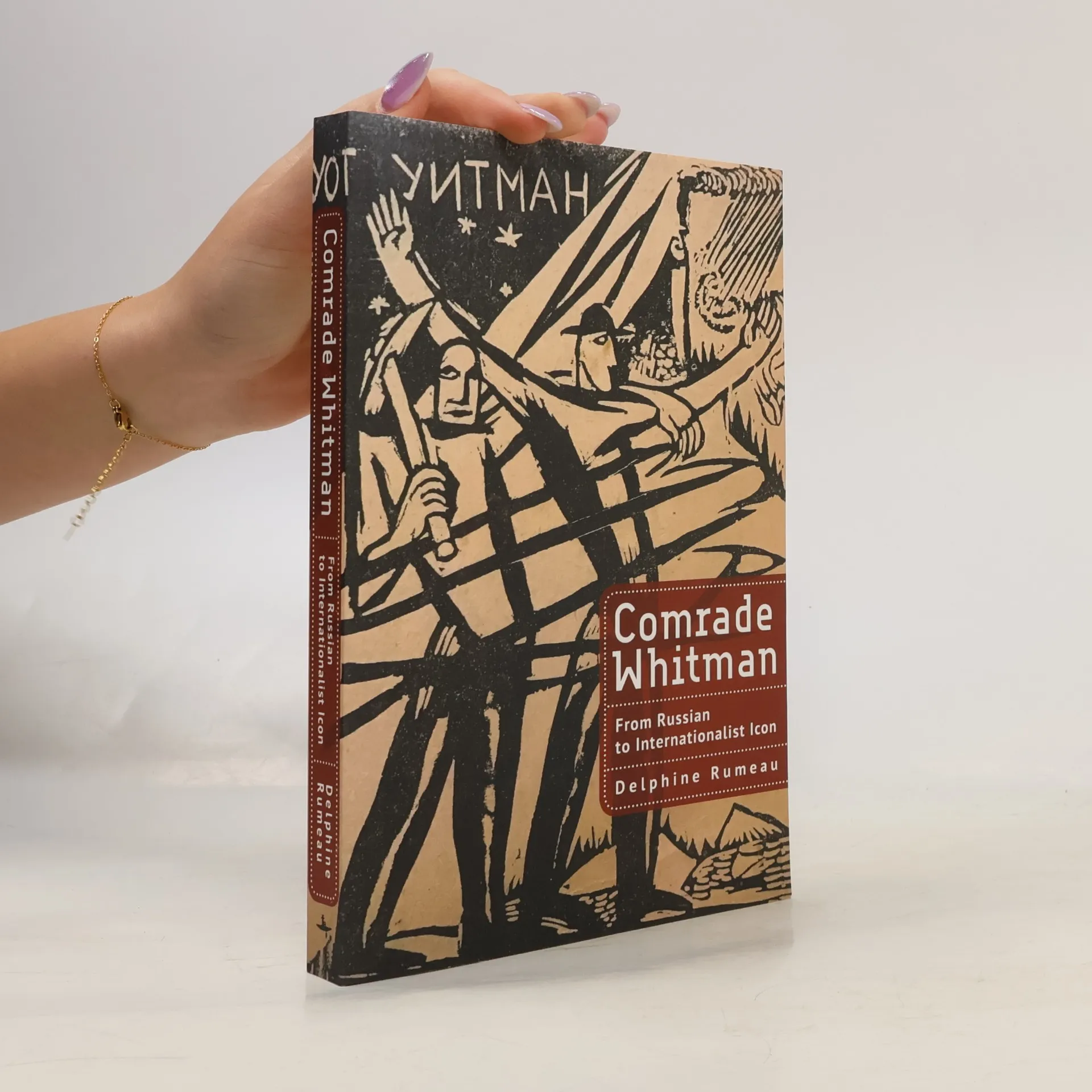
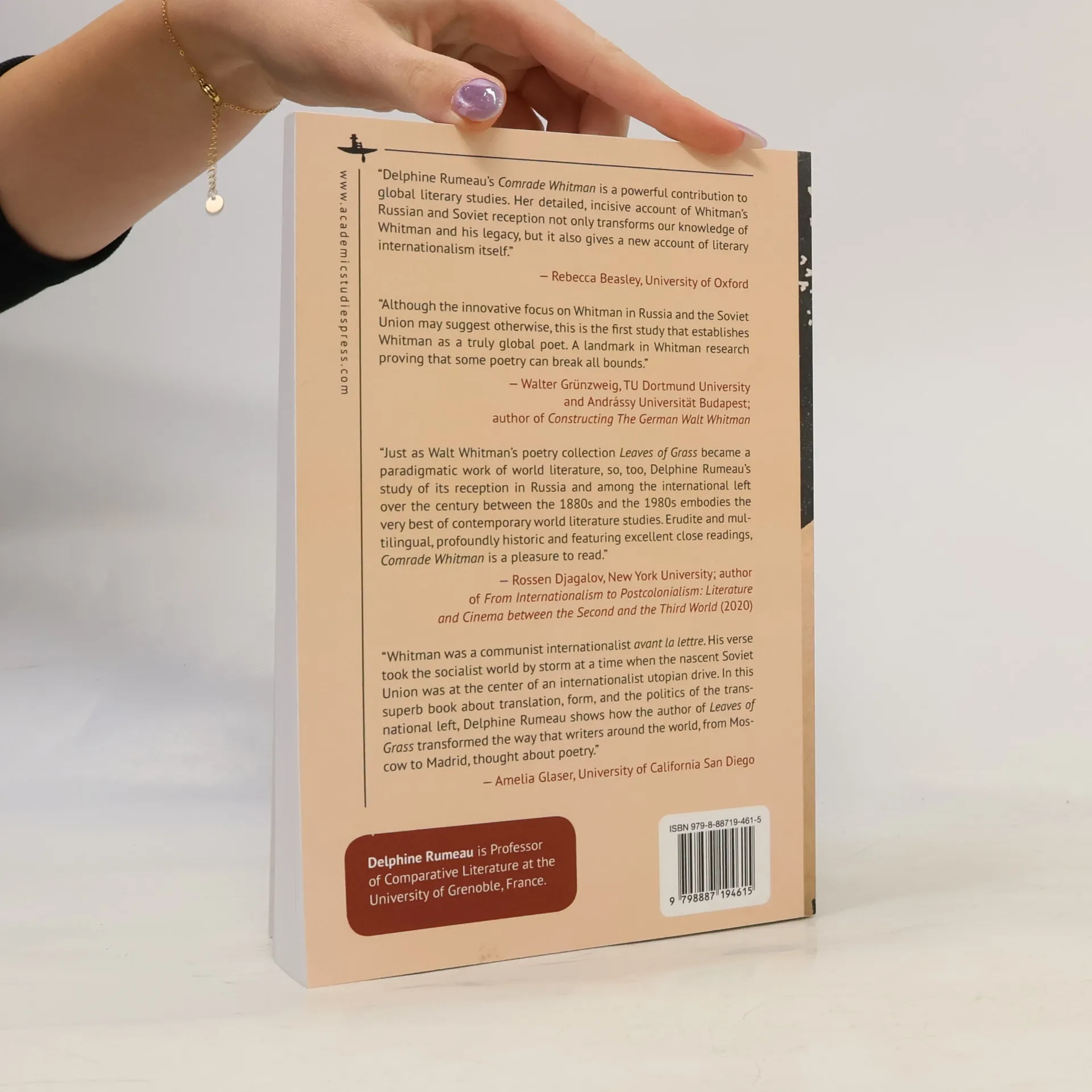
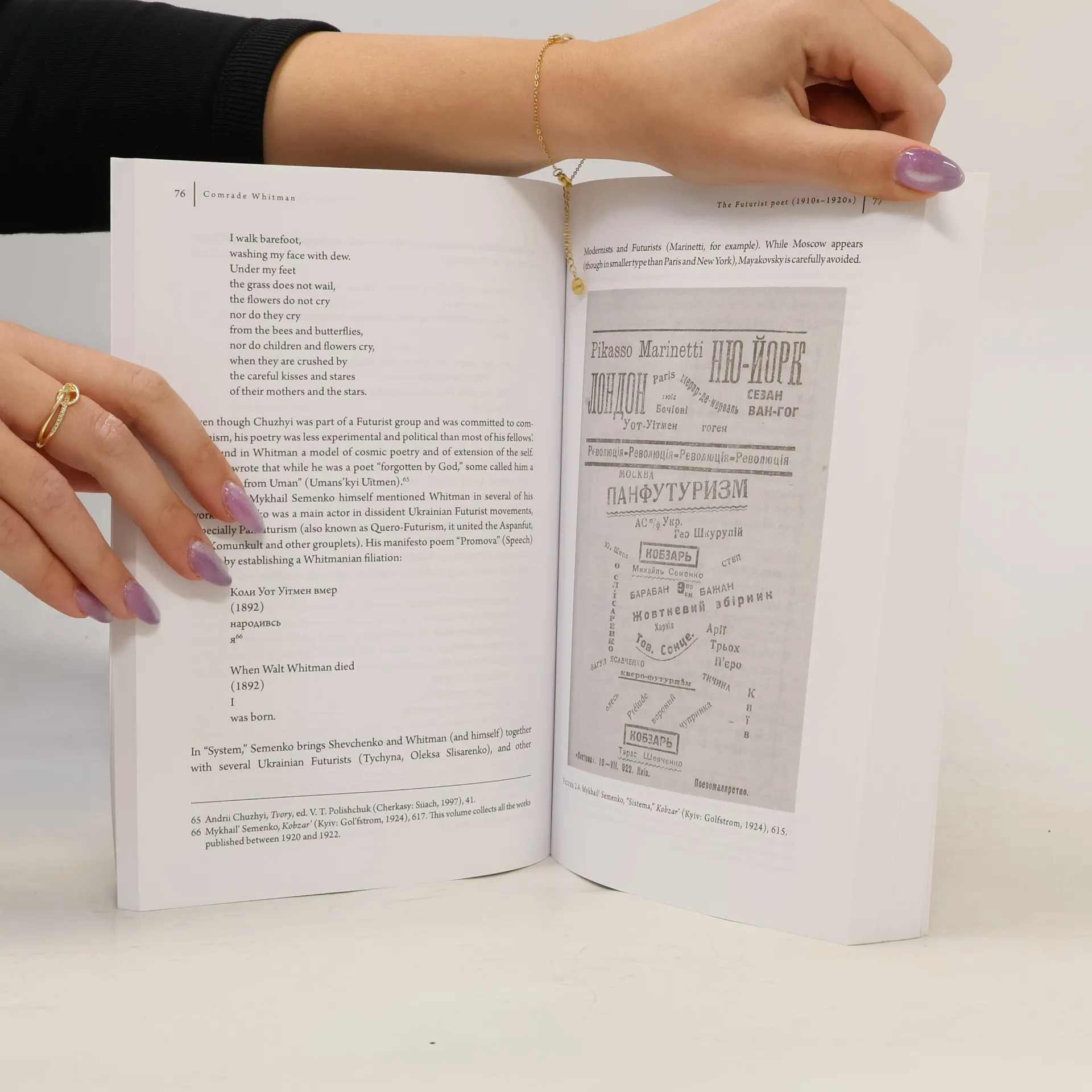
The reception of the American poet Walt Whitman has been a global phenomenon. It is central to the history of modern poetry, but it goes beyond literary stakes: Whitman's proclaimed heirs often saw him as a prophet of a new world. This book focuses on the Russian and Soviet uses of the poet, showing how they contributed to his transformation into a revolutionary and communist icon, especially in the US and in Latin America. It illuminates circuitous routes of translations and interpretations between the Soviet Union, Europe and the Americas. It covers a vast linguistic scope, including Yiddish and various languages of the Russian and Soviet empires.
Een boek kopen
Comrade Whitman, Delphine Rumeau
- Taal

- Jaar van publicatie
- 2024
- Bindwijze
- (Paperback),
- Staat van het boek
- Zeer goed
- Prijs
- € 25,49
Betaalmethoden
Nog niemand heeft beoordeeld.
- Titel
- Comrade Whitman
- Ondertitel
- From Russian to Internationalist Icon
- Taal
- Engels
- Auteurs
- Delphine Rumeau
- Uitgever
- Academic Studies Press
- Jaar van publicatie
- 2024
- Formaat
- Paperback
- Aantal pagina's
- 376
- ISBN13
- 9798887194615
- Reeks
- Categorieën
- Tags
- Historisch thema, Wereldliteratuur, Verenigde Staten, 20e Eeuw, Amerikaanse Literatuur, Rusland, Geschiedenis van Europa, Literaire Critiek, Politieke theorieën, Joodse Literatuur, Communisme, Sovjetunie, Koude Oorlog, Latijns-Amerika, Amerikaanse Poëzie, Jiddisch
- Aantekening
- The reception of the American poet Walt Whitman has been a global phenomenon. It is central to the history of modern poetry, but it goes beyond literary stakes: Whitman's proclaimed heirs often saw him as a prophet of a new world. This book focuses on the Russian and Soviet uses of the poet, showing how they contributed to his transformation into a revolutionary and communist icon, especially in the US and in Latin America. It illuminates circuitous routes of translations and interpretations between the Soviet Union, Europe and the Americas. It covers a vast linguistic scope, including Yiddish and various languages of the Russian and Soviet empires.