

Meer over het boek
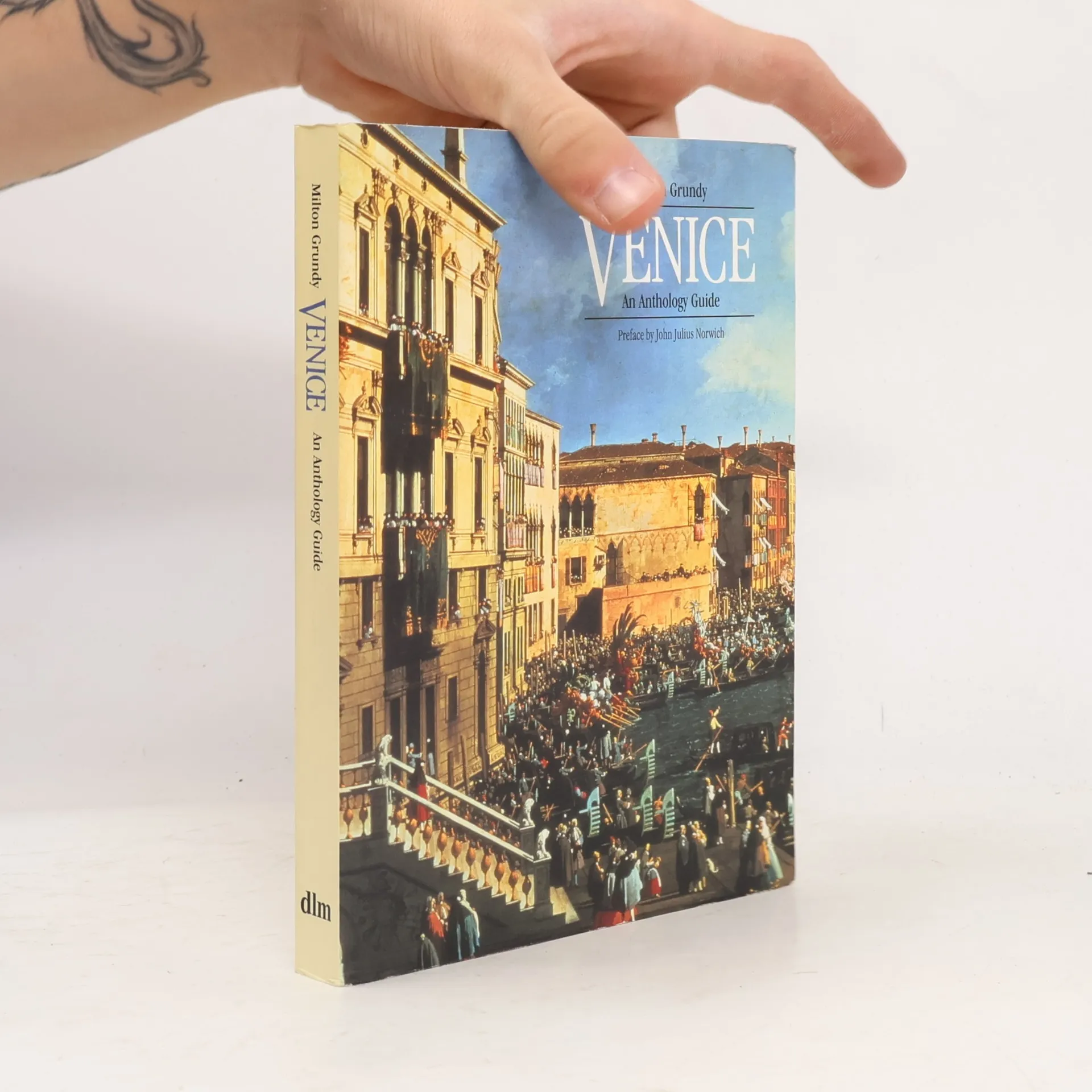
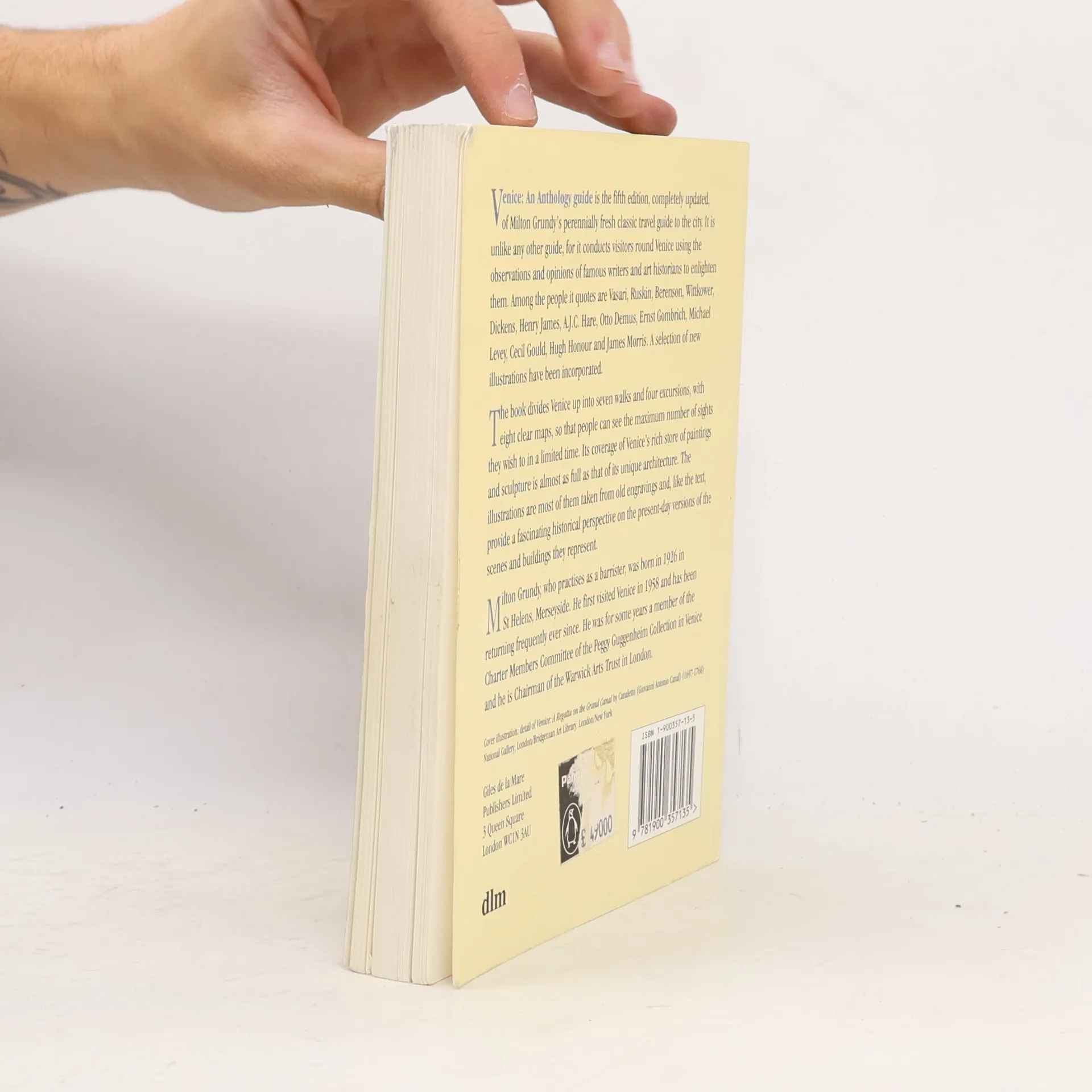
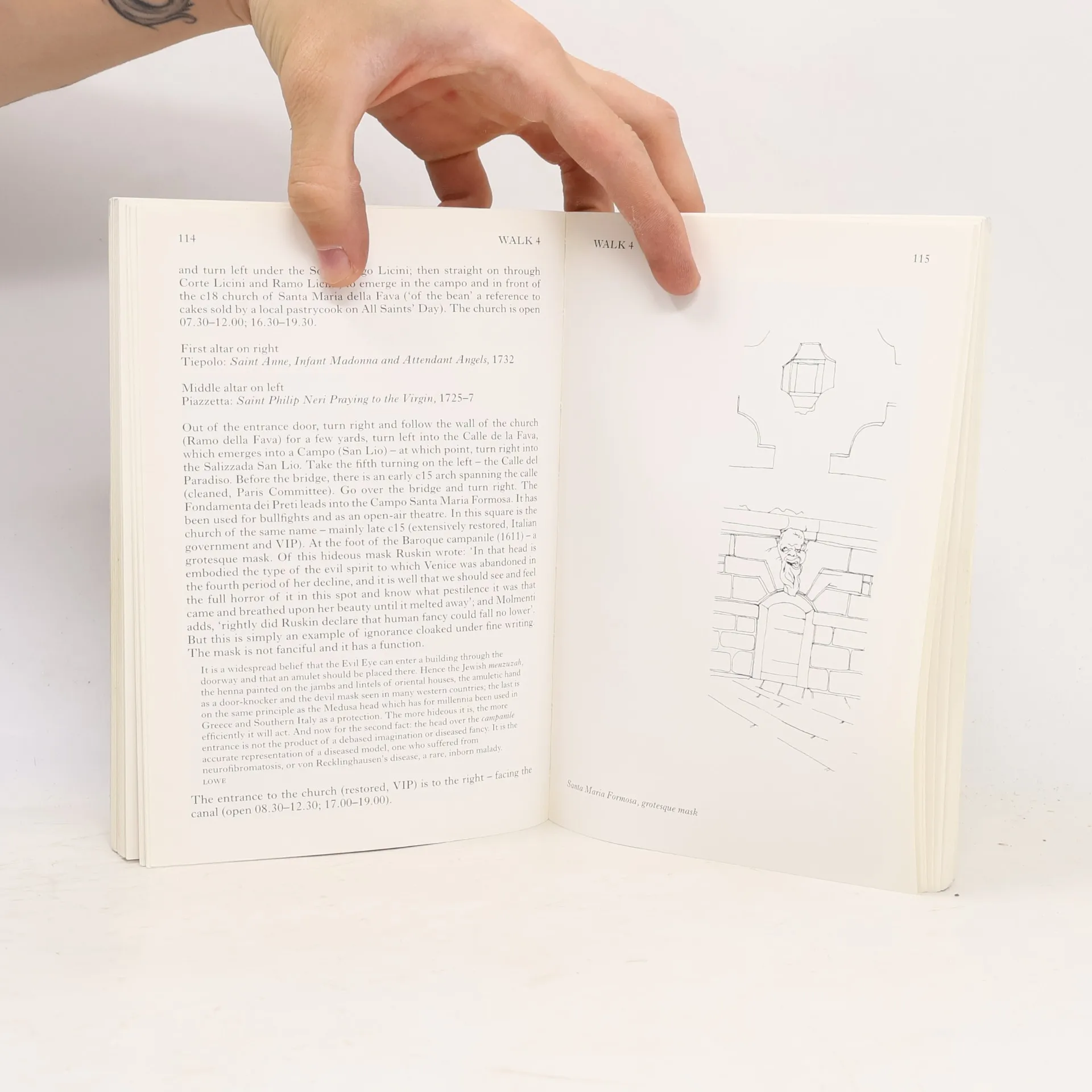
with a preface by John Julius Norwich Milton Grundy's perennially fresh classic travel guide to the city. It is unlike any other guide, for it conducts visitors round Venice using the observations and opinions of famous writers and art historians to enlighten them. Among the people it quotes are Vasari, Ruskin, Berenson, Wittkower, Dickens, Henry James, A.J.C. Hare, Otto Demus, Ernst Gombrich, Michael Levey, Cecil Gould, Hugh Honour and James Morris. A selection of new illustrations has been incorporated. clear maps, so that people can see the maximum number of sights they wish to in a limited time. Its coverage of Venice's rich store of paintings and sculpture is as full as that of its unique architecture. The illustrations are most of them taken from old engravings and, like the text, provide a fascinating historical perspective on the present-day versions of the scenes and buildings they represent.
Een boek kopen
Venice, Milton Grundy, John Julius Norwich
- Taal

- Jaar van publicatie
- 1998
- Bindwijze
- (Paperback),
- Staat van het boek
- Goed
- Prijs
- € 9,79
Betaalmethoden
Nog niemand heeft beoordeeld.
- Titel
- Venice
- Ondertitel
- An Anthology Guide
- Taal
- Engels
- Auteurs
- Milton Grundy, John Julius Norwich
- Uitgever
- Giles de la Mare Publishers
- Jaar van publicatie
- 1998
- Formaat
- Paperback
- Aantal pagina's
- 216
- ISBN10
- 1900357135
- ISBN13
- 9781900357135
- Reeks
- Categorieën
- Aantekening
- with a preface by John Julius Norwich Milton Grundy's perennially fresh classic travel guide to the city. It is unlike any other guide, for it conducts visitors round Venice using the observations and opinions of famous writers and art historians to enlighten them. Among the people it quotes are Vasari, Ruskin, Berenson, Wittkower, Dickens, Henry James, A.J.C. Hare, Otto Demus, Ernst Gombrich, Michael Levey, Cecil Gould, Hugh Honour and James Morris. A selection of new illustrations has been incorporated. clear maps, so that people can see the maximum number of sights they wish to in a limited time. Its coverage of Venice's rich store of paintings and sculpture is as full as that of its unique architecture. The illustrations are most of them taken from old engravings and, like the text, provide a fascinating historical perspective on the present-day versions of the scenes and buildings they represent.