




Meer over het boek
Demographic and epidemiological transitions will result in dramatic changes in the health needs of the world's populations. Everywhere there is a steep increase in the need for long-term care (LTC). These trends reflect two interrelated processes. One is the growth in factors that increase the prevalence of long-term disability in the population. The second is the change in the capacity of the informal support system to address these needs.Both of these processes enhance the urgency for public policies to address the consequences of these changes. The growing need for LTC policies is generally associated with industrialized countries. What is less widely acknowledged is that long-term care needs are increasing in the developing world at a rate that far exceeds that experienced by industrialized countries. Moreover the developing world is experiencing increases in LTC needs at levels of income that are far lower than that which existed in the industrialized world when these needs emerged. This volume addresses many of these issues.
Een boek kopen
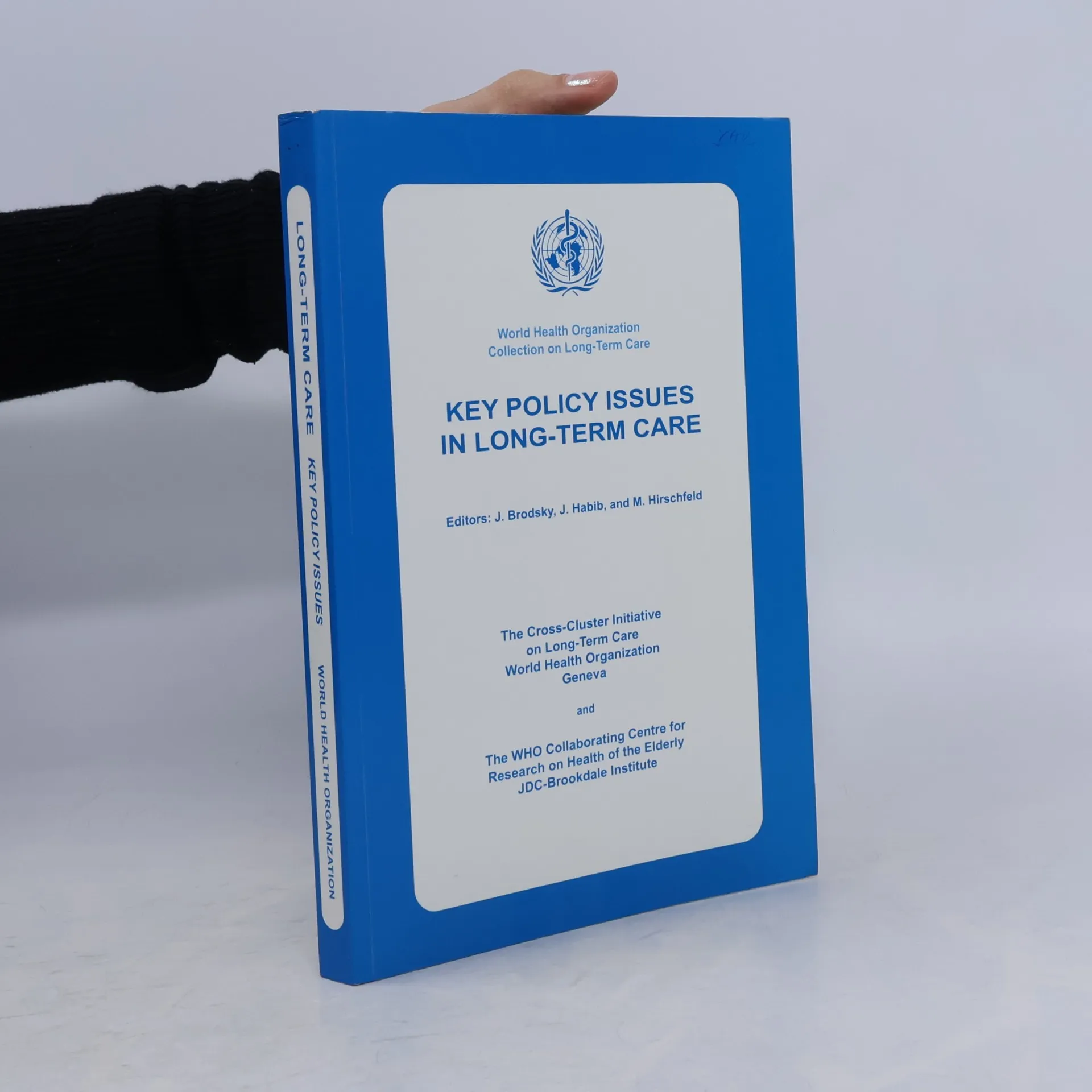
World Health Organization Collection on Long-Term Care: Key Policy Issues in Long Term Care, Jenny Brodsky, Jack Habib, Miriam Hirschfeld
- Taal

- Jaar van publicatie
- 2003
- Bindwijze
- (Paperback),
- Staat van het boek
- Goed
- Prijs
- € 54,99
Betaalmethoden
Nog niemand heeft beoordeeld.
- Titel
- World Health Organization Collection on Long-Term Care: Key Policy Issues in Long Term Care
- Taal
- Engels
- Auteurs
- Jenny Brodsky, Jack Habib, Miriam Hirschfeld
- Uitgever
- World Health Organization
- Jaar van publicatie
- 2003
- Formaat
- Paperback
- Aantal pagina's
- 288
- ISBN10
- 9241562250
- ISBN13
- 9789241562256
- Reeks
- Categorieën
- Aantekening
- Demographic and epidemiological transitions will result in dramatic changes in the health needs of the world's populations. Everywhere there is a steep increase in the need for long-term care (LTC). These trends reflect two interrelated processes. One is the growth in factors that increase the prevalence of long-term disability in the population. The second is the change in the capacity of the informal support system to address these needs.Both of these processes enhance the urgency for public policies to address the consequences of these changes. The growing need for LTC policies is generally associated with industrialized countries. What is less widely acknowledged is that long-term care needs are increasing in the developing world at a rate that far exceeds that experienced by industrialized countries. Moreover the developing world is experiencing increases in LTC needs at levels of income that are far lower than that which existed in the industrialized world when these needs emerged. This volume addresses many of these issues.