

Meer over het boek
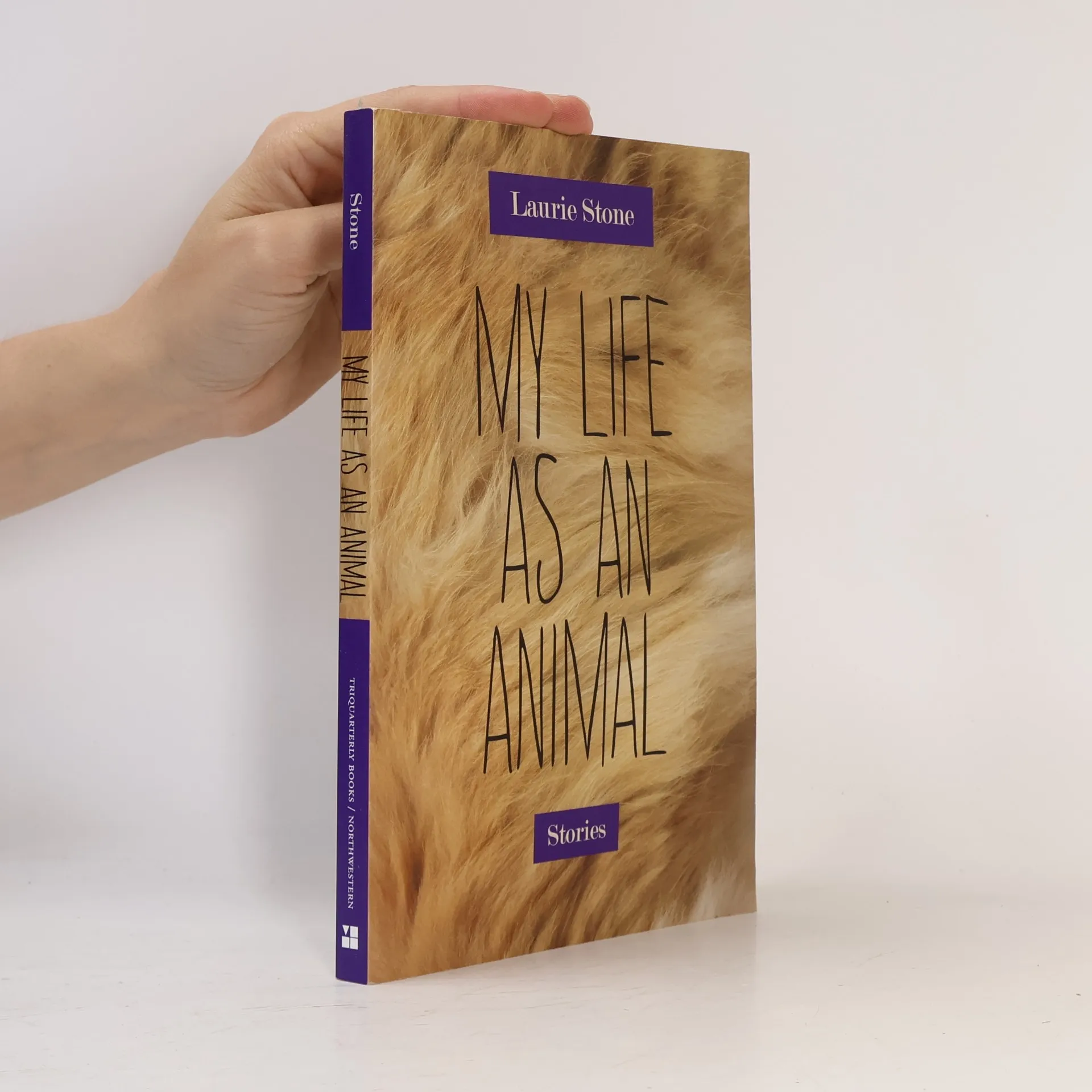
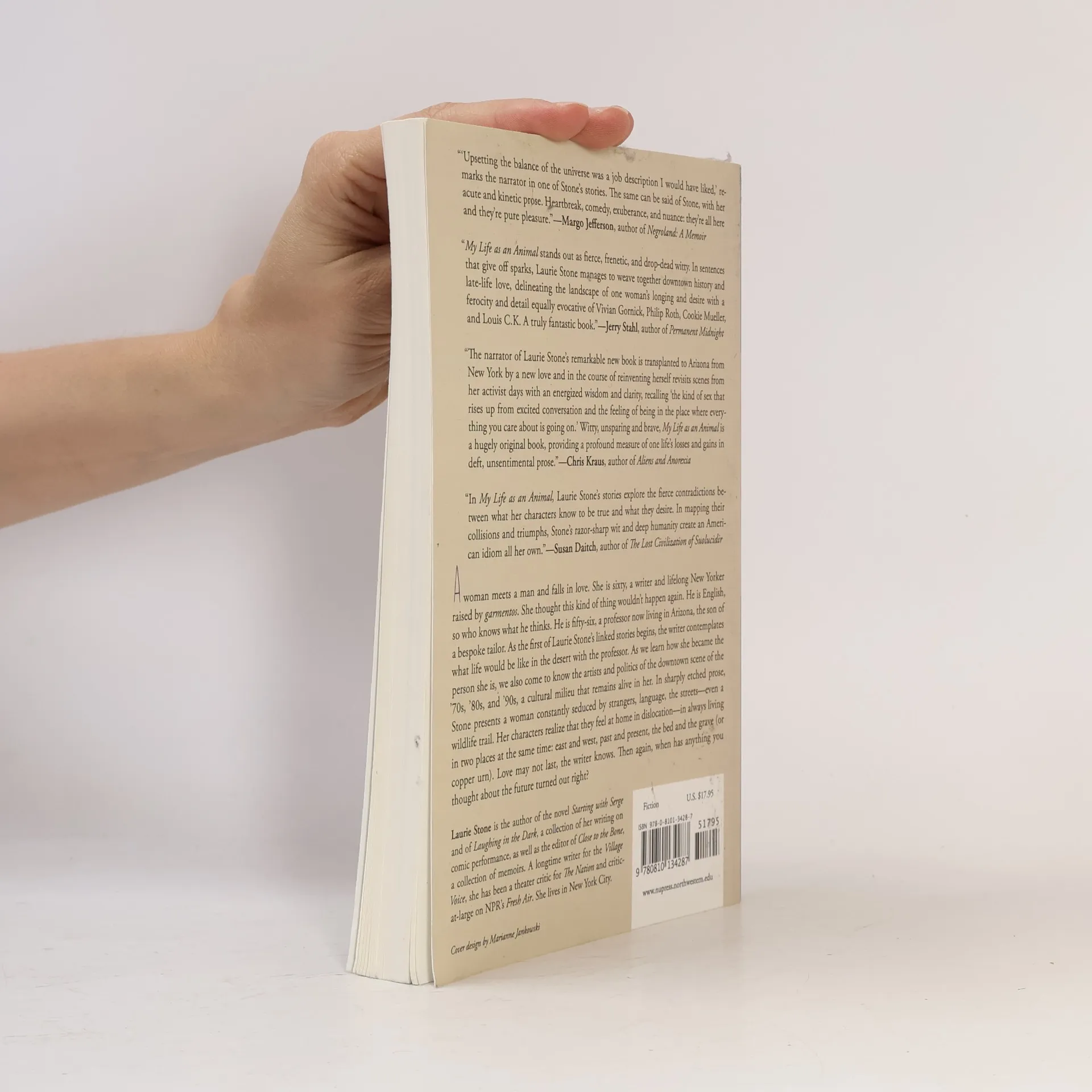
A woman meets a man and falls in love. She is sixty, a writer and lifelong New Yorker raised by garmentos. She thought this kind of thing wouldn’t happen again. He is English, so who knows what he thinks. He is fifty-six, a professor now living in Arizona, the son of a bespoke tailor. As the first of Laurie Stone’s linked stories begins, the writer contemplates what life would be like in the desert with the professor. As we learn how she became the person she is, we also come to know the artists and politics of the downtown scene of the ’70s, ’80s, and ’90s, a cultural milieu that remains alive in her. In sharply etched prose, Stone presents a woman constantly seduced by strangers, language, the streets— even a wildlife trail. Her characters realize that they feel at home in dislocation—in always living in two places at the same time: east and west, past and present, the bed and the grave (or copper urn). Love may not last, the writer knows. Then again, when has anything you thought about the future turned out right?
Een boek kopen
My Life as an Animal: Stories, Graham Clark, Gill G. Ringland, Laurie Young, David Haigh, Andrew Curry, Tim Westall, Merlin Stone, David Young, Laurie Stone
- Taal

- Jaar van publicatie
- 2017
- Bindwijze
- (Paperback),
- Staat van het boek
- Goed
- Prijs
- € 2,39
Betaalmethoden
Nog niemand heeft beoordeeld.
- Titel
- My Life as an Animal: Stories
- Taal
- Engels
- Auteurs
- Graham Clark, Gill G. Ringland, Laurie Young, David Haigh, Andrew Curry, Tim Westall, Merlin Stone, David Young, Laurie Stone
- Uitgever
- NORTHWESTERN UNIV PR
- Jaar van publicatie
- 2017
- Formaat
- Paperback
- Aantal pagina's
- 203
- ISBN10
- 0810134284
- ISBN13
- 9780810134287
- Reeks
- Categorieën
- Tags
- Historisch thema, Humor, Vrouwen, Hedendaagse literatuur, Korte Verhalen, Verenigde Staten, Arizona
- Aantekening
- A woman meets a man and falls in love. She is sixty, a writer and lifelong New Yorker raised by garmentos. She thought this kind of thing wouldn’t happen again. He is English, so who knows what he thinks. He is fifty-six, a professor now living in Arizona, the son of a bespoke tailor. As the first of Laurie Stone’s linked stories begins, the writer contemplates what life would be like in the desert with the professor. As we learn how she became the person she is, we also come to know the artists and politics of the downtown scene of the ’70s, ’80s, and ’90s, a cultural milieu that remains alive in her. In sharply etched prose, Stone presents a woman constantly seduced by strangers, language, the streets— even a wildlife trail. Her characters realize that they feel at home in dislocation—in always living in two places at the same time: east and west, past and present, the bed and the grave (or copper urn). Love may not last, the writer knows. Then again, when has anything you thought about the future turned out right?