

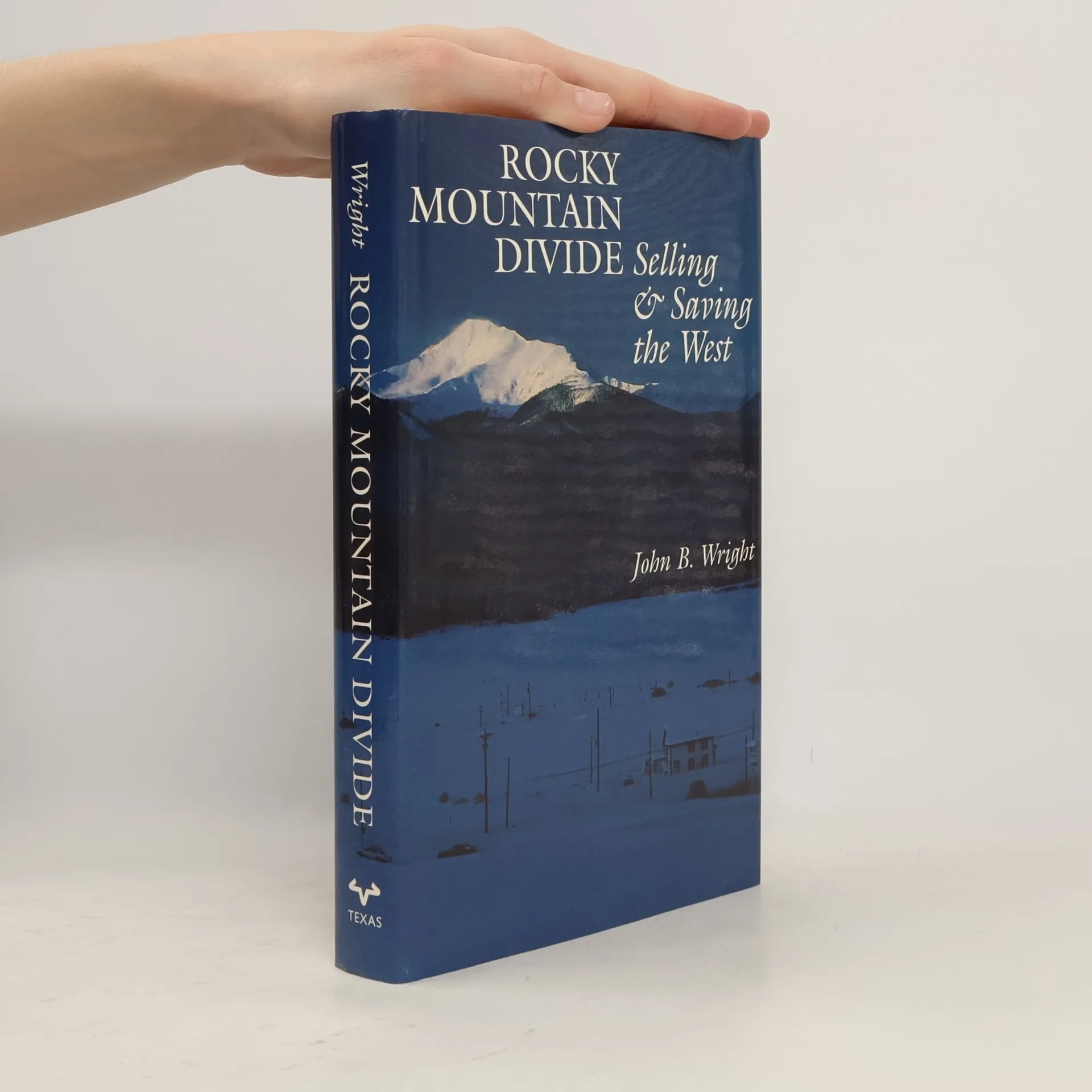


Rocky Mountain Divide
Selling and Saving the West
Auteurs
Meer over het boek
The opposing forces of conservation and development have shaped and will continue to shape the natural environment and scenic beauty of the American West. Perhaps nowhere are their opposite effects more visible than in the neighboring states of Colorado and Utah, so alike in their spectacular mountain environments, yet so different in their approaches to land conservation. This study explores why Colorado has over twenty-five land trusts, while Utah has only one. John Wright traces the success of voluntary land conservation in Colorado to the state’s history as a region of secular commerce. As environmental consciousness has grown in Colorado, people there have embraced the businesslike approach of land trusts as simply a new, more responsible way of conducting the real estate business. In Utah, by contrast, Wright finds that Mormon millennialism and the belief that growth equals success have created a public climate opposed to the formation of land trusts. As Wright puts it, "environmentalism seems to thrive in the Centennial state within the spiritual vacuum which is filled by Mormonism in Utah." These findings remind conservationists of the power of underlying cultural values that affect their efforts to preserve private lands.
Een boek kopen
Rocky Mountain Divide, John Burghardt Wright
- Taal

- Jaar van publicatie
- 1993
- Bindwijze
- (Hardcover),
- Staat van het boek
- Goed
- Prijs
- € 1,59
Betaalmethoden
Nog niemand heeft beoordeeld.
- Titel
- Rocky Mountain Divide
- Ondertitel
- Selling and Saving the West
- Taal
- Engels
- Auteurs
- John Burghardt Wright
- Uitgever
- University of Texas Press
- Jaar van publicatie
- 1993
- Formaat
- Hardcover
- Aantal pagina's
- 275
- ISBN10
- 0292790791
- ISBN13
- 9780292790797
- Reeks
- Categorieën
- Aantekening
- The opposing forces of conservation and development have shaped and will continue to shape the natural environment and scenic beauty of the American West. Perhaps nowhere are their opposite effects more visible than in the neighboring states of Colorado and Utah, so alike in their spectacular mountain environments, yet so different in their approaches to land conservation. This study explores why Colorado has over twenty-five land trusts, while Utah has only one. John Wright traces the success of voluntary land conservation in Colorado to the state’s history as a region of secular commerce. As environmental consciousness has grown in Colorado, people there have embraced the businesslike approach of land trusts as simply a new, more responsible way of conducting the real estate business. In Utah, by contrast, Wright finds that Mormon millennialism and the belief that growth equals success have created a public climate opposed to the formation of land trusts. As Wright puts it, "environmentalism seems to thrive in the Centennial state within the spiritual vacuum which is filled by Mormonism in Utah." These findings remind conservationists of the power of underlying cultural values that affect their efforts to preserve private lands.