

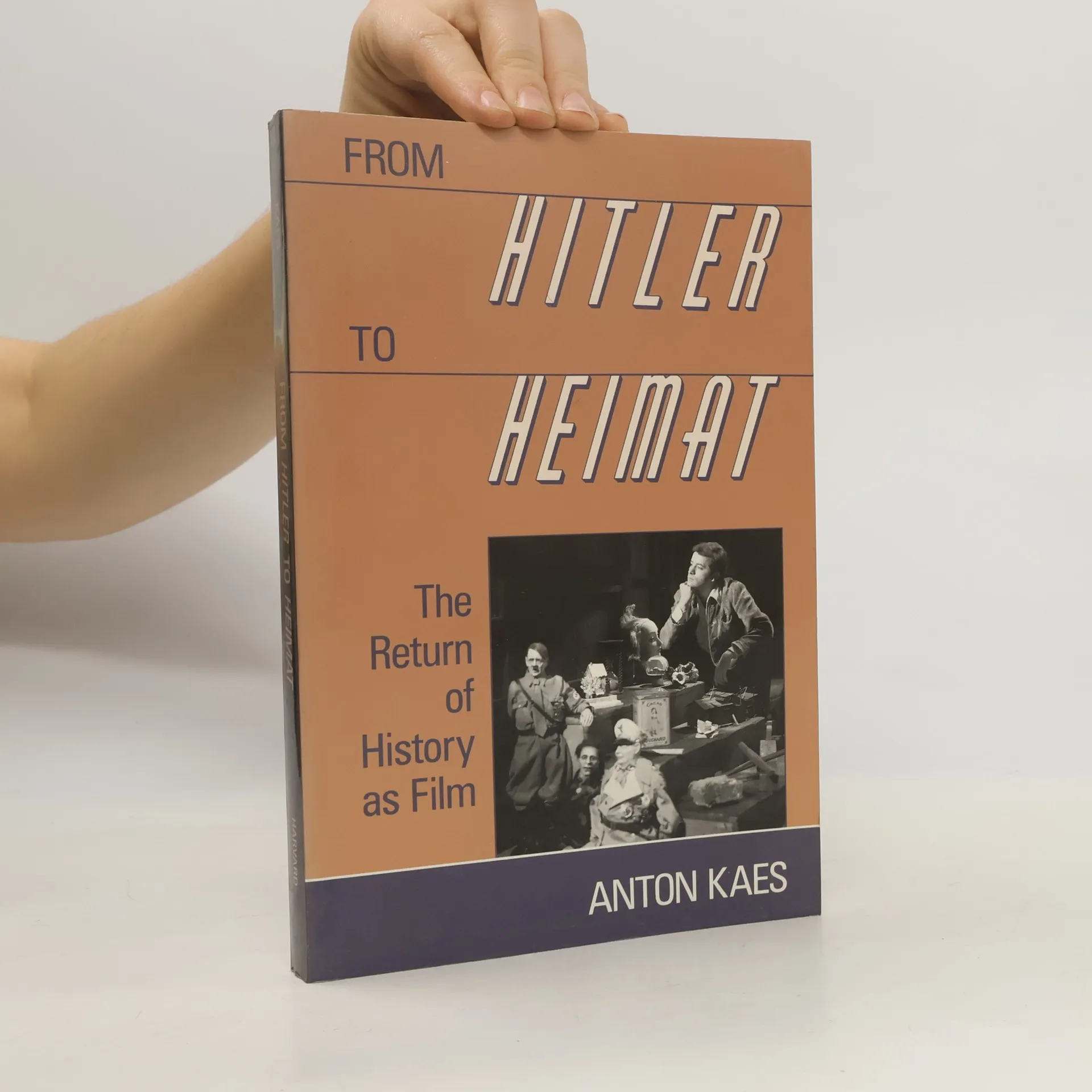
From Hitler to Heimat
The Return of History as Film
Auteurs
Meer over het boek
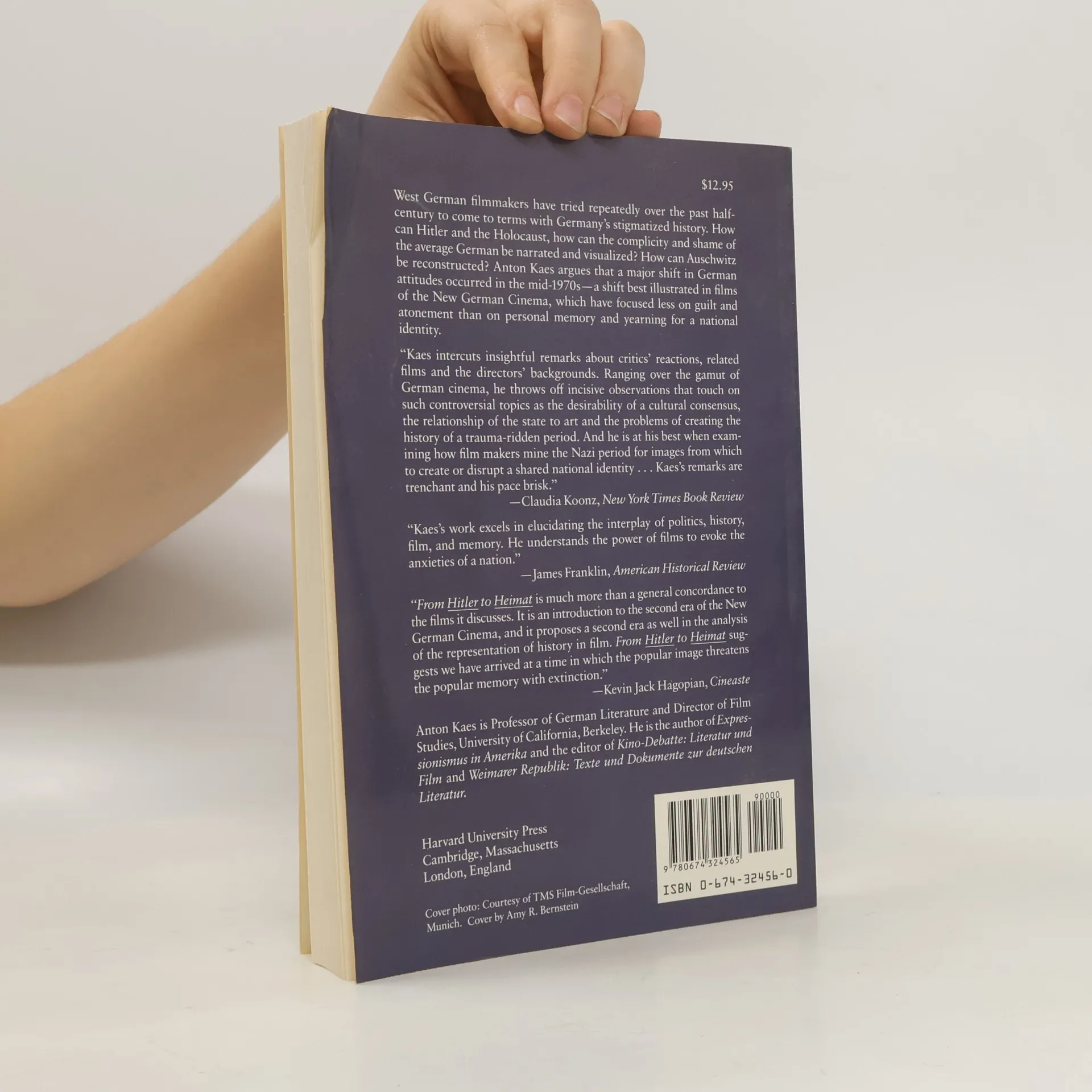
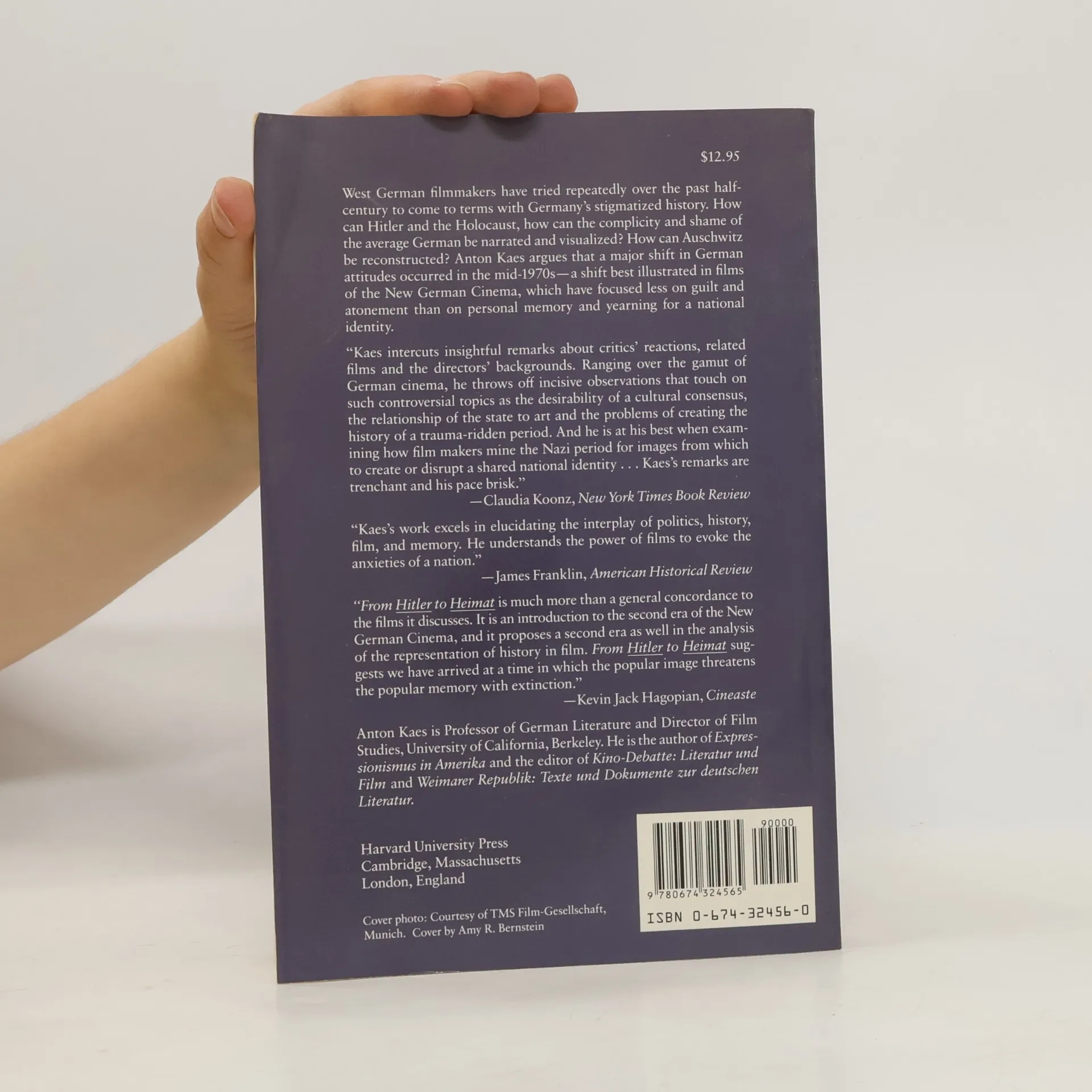
West German filmmakers have grappled with the nation's troubled history for over fifty years, questioning how to narrate and visualize the Holocaust and the complicity of ordinary Germans. Anton Kaes identifies a significant shift in German attitudes during the mid-1970s, particularly evident in the New German Cinema, which emphasizes personal memory and the quest for national identity over guilt and atonement. Kaes examines five influential films: Hans Jürgen Syberberg's provocative "Hitler, a Film from Germany," which restages German history in postmodern tableaux; Rainer Werner Fassbinder's "The Marriage of Maria Braun," reflecting on postwar Germany; Helma Sanders-Brahms's "Germany, Pale Mother," exploring the role of German women during and after the war; Alexander Kluge's "The Patriot," a self-reflexive collage of German history; and Edgar Reitz's "Heimat," an epic portrayal of German life from 1918 to the present. Despite their stylistic differences, these films share a focus on memory, representation, and the dialogue between past and present. Kaes employs a multidisciplinary approach, blending textual interpretation, cultural history, and contemporary theory, making his work relevant to those interested in postwar German history, politics, culture, and the relationship between history, memory, and film.
Een boek kopen
From Hitler to Heimat, Anton Kaes
- Taal

- Jaar van publicatie
- 1989
- Bindwijze
- (Paperback),
- Staat van het boek
- Beschadigd
- Prijs
- € 7,39
Betaalmethoden
Nog niemand heeft beoordeeld.
- Titel
- From Hitler to Heimat
- Ondertitel
- The Return of History as Film
- Taal
- Engels
- Auteurs
- Anton Kaes
- Uitgever
- Harvard University Press
- Jaar van publicatie
- 1989
- Formaat
- Paperback
- Aantal pagina's
- 288
- ISBN10
- 0674324560
- ISBN13
- 9780674324565
- Reeks
- Categorieën
- Aantekening
- West German filmmakers have grappled with the nation's troubled history for over fifty years, questioning how to narrate and visualize the Holocaust and the complicity of ordinary Germans. Anton Kaes identifies a significant shift in German attitudes during the mid-1970s, particularly evident in the New German Cinema, which emphasizes personal memory and the quest for national identity over guilt and atonement. Kaes examines five influential films: Hans Jürgen Syberberg's provocative "Hitler, a Film from Germany," which restages German history in postmodern tableaux; Rainer Werner Fassbinder's "The Marriage of Maria Braun," reflecting on postwar Germany; Helma Sanders-Brahms's "Germany, Pale Mother," exploring the role of German women during and after the war; Alexander Kluge's "The Patriot," a self-reflexive collage of German history; and Edgar Reitz's "Heimat," an epic portrayal of German life from 1918 to the present. Despite their stylistic differences, these films share a focus on memory, representation, and the dialogue between past and present. Kaes employs a multidisciplinary approach, blending textual interpretation, cultural history, and contemporary theory, making his work relevant to those interested in postwar German history, politics, culture, and the relationship between history, memory, and film.