

Organizational Frontiers Series: Judgment and Decision Making at Work
Meer over het boek
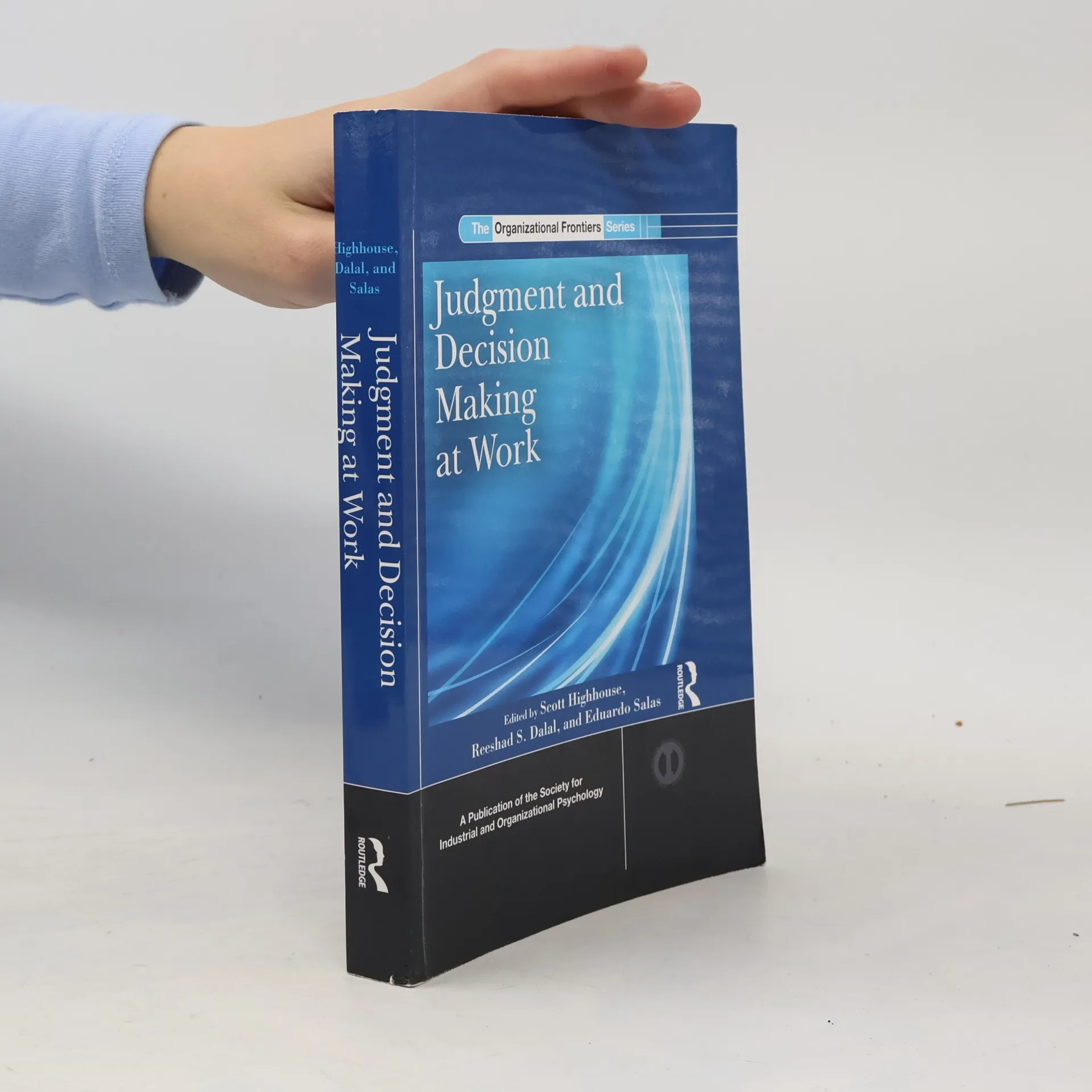
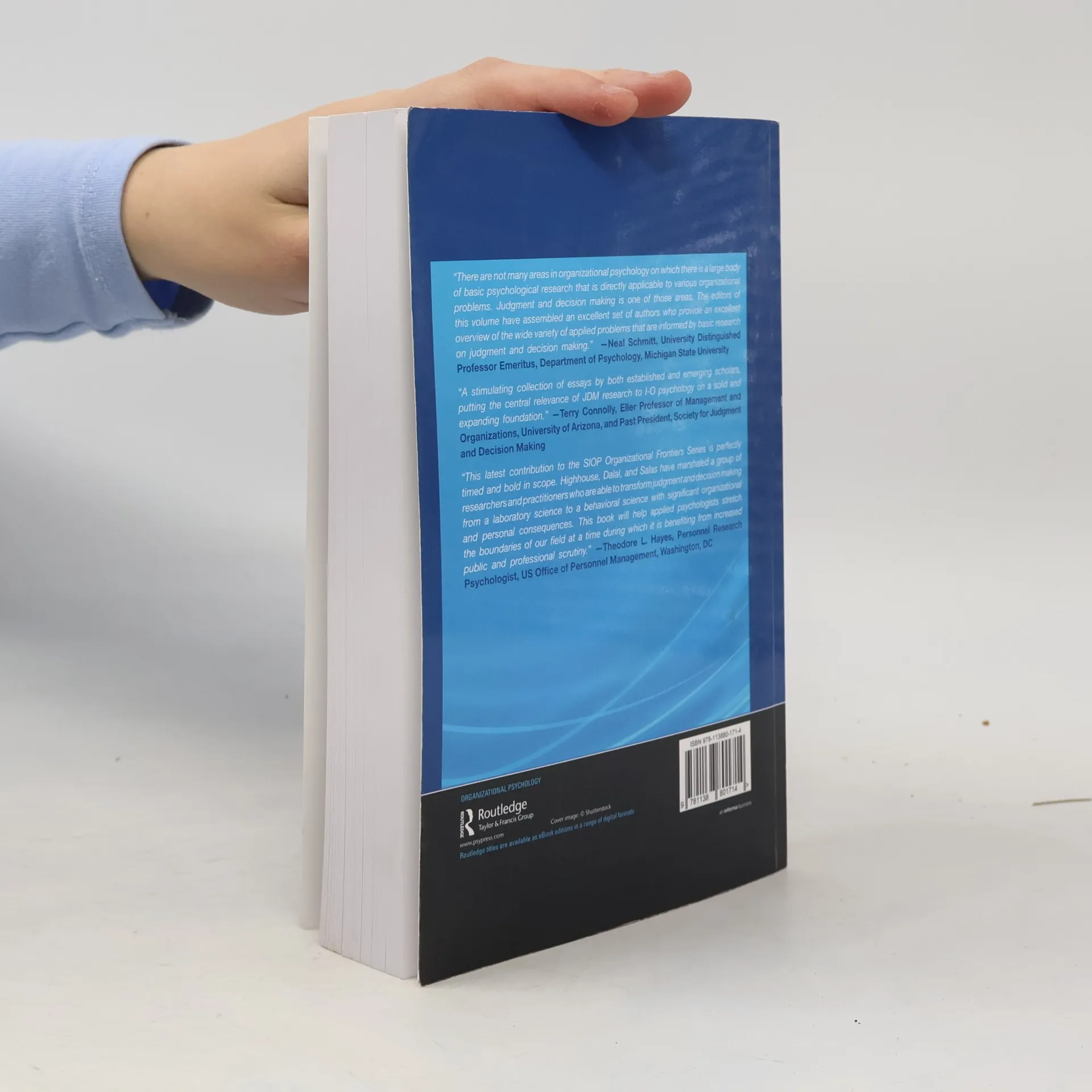
Employees are constantly making decisions and judgments that have the potential to affect themselves, their families, their work organizations, and on some occasion even the broader societies in which they live. A few examples include: deciding which job applicant to hire, setting a production goal, judging one's level of job satisfaction, deciding to steal from the cash register, agreeing to help organize the company's holiday party, forecasting corporate tax rates two years later, deciding to report a coworker for sexual harassment, and predicting the level of risk inherent in a new business venture. In other words, a great many topics of interest to organizational researchers ultimately reduce to decisions made by employees. Yet, numerous entreaties notwithstanding, industrial and organizational psychologists typically have not incorporated a judgment and decision-making perspective in their research. The current book begins to remedy the situation by facilitating cross-pollination between the disciplines of organizational psychology and decision-making. The book describes both laboratory and more "naturalistic" field research on judgment and decision-making, and applies it to core topics of interest to industrial and organizational psychologists: performance appraisal, employee selection, individual differences, goals, leadership, teams, and stress, among others. The book also suggests ways in which industrial and organizational psychology research can benefit the discipline of judgment and decision-making. The authors of the chapters in this book conduct research at the intersection of organizational psychology and decision-making, and consequently are uniquely positioned to bridging the divide between the two disciplines.
Een boek kopen
Organizational Frontiers Series: Judgment and Decision Making at Work, Eduardo Salas, Scott Highhouse, Reeshad S. Dalal
- Taal

- Jaar van publicatie
- 2014
- Bindwijze
- (Paperback),
- Staat van het boek
- Goed
- Prijs
- € 34,99
Betaalmethoden
Nog niemand heeft beoordeeld.
- Titel
- Organizational Frontiers Series: Judgment and Decision Making at Work
- Taal
- Engels
- Auteurs
- Eduardo Salas, Scott Highhouse, Reeshad S. Dalal
- Uitgever
- Routledge
- Jaar van publicatie
- 2014
- Formaat
- Paperback
- Aantal pagina's
- 408
- ISBN10
- 1138801712
- ISBN13
- 9781138801714
- Reeks
- Categorieën
- Aantekening
- Employees are constantly making decisions and judgments that have the potential to affect themselves, their families, their work organizations, and on some occasion even the broader societies in which they live. A few examples include: deciding which job applicant to hire, setting a production goal, judging one's level of job satisfaction, deciding to steal from the cash register, agreeing to help organize the company's holiday party, forecasting corporate tax rates two years later, deciding to report a coworker for sexual harassment, and predicting the level of risk inherent in a new business venture. In other words, a great many topics of interest to organizational researchers ultimately reduce to decisions made by employees. Yet, numerous entreaties notwithstanding, industrial and organizational psychologists typically have not incorporated a judgment and decision-making perspective in their research. The current book begins to remedy the situation by facilitating cross-pollination between the disciplines of organizational psychology and decision-making. The book describes both laboratory and more "naturalistic" field research on judgment and decision-making, and applies it to core topics of interest to industrial and organizational psychologists: performance appraisal, employee selection, individual differences, goals, leadership, teams, and stress, among others. The book also suggests ways in which industrial and organizational psychology research can benefit the discipline of judgment and decision-making. The authors of the chapters in this book conduct research at the intersection of organizational psychology and decision-making, and consequently are uniquely positioned to bridging the divide between the two disciplines.