Koop 10 boeken voor 10 € hier!
Bookbot

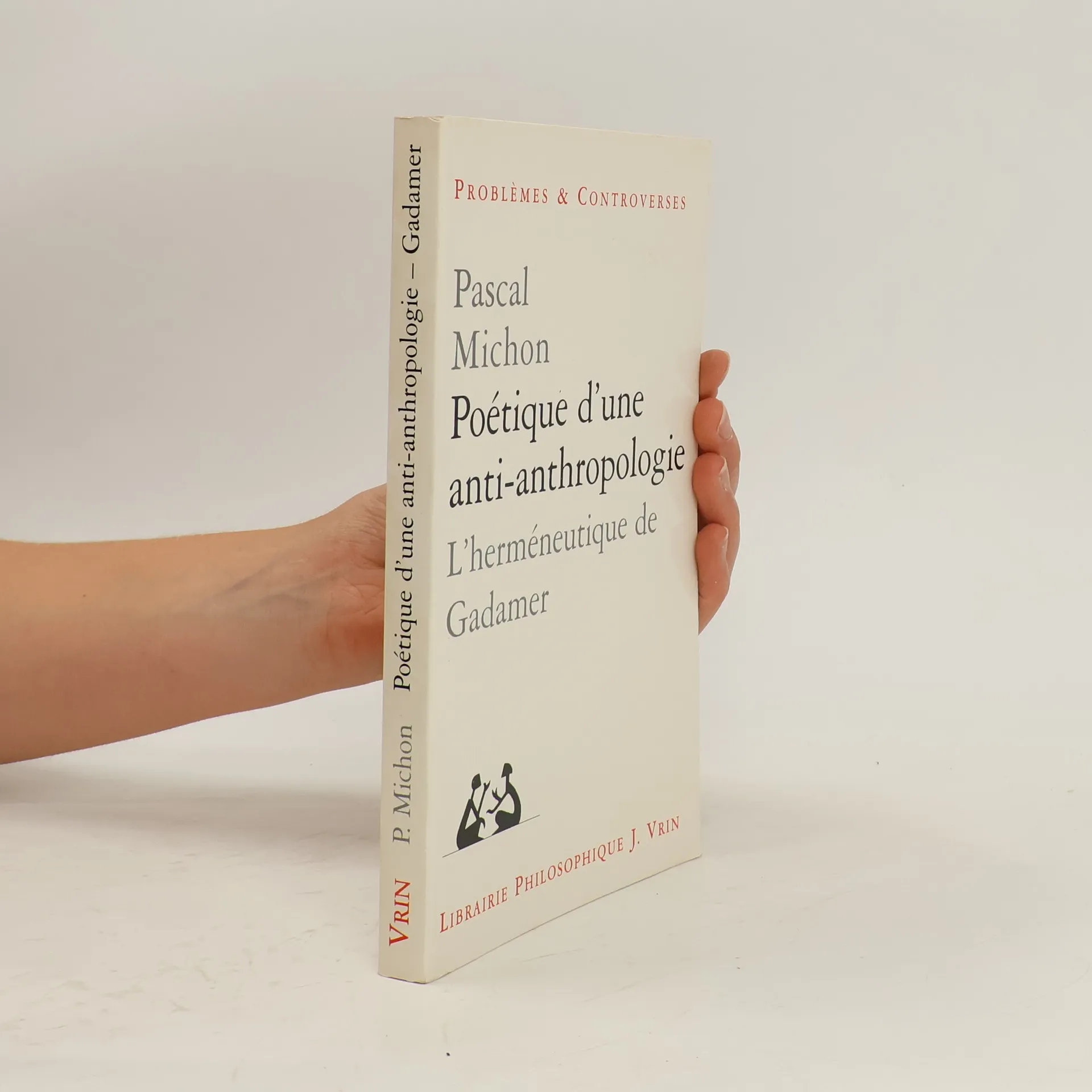
Pascal Michon

    Poétique d'une anti-anthropologie
    Elements of Rhythmology: IV. A Rhythmic Constellation. The 1970s
    • During the last fifteen years, rhythmanalysis has been thriving in many disciplines, especially in the English-speaking scientific world. As a result, the figure of Henri Lefebvre has reemerged after a long period of oblivion and has become a kind of totem in rhythmanalytical studies. Giving honor where honor is due, this book begins with a study of Lefebvre’s contribution. But, in the 1970s and 1980s, he was by far not the only one important thinker interested in rhythm. In fact, he belonged to a sort of “constellation” of linguists, sociologists, philosophers, specialists in literature and art, all of whom took rhythm as a key subject. Over a very few years, rhythmanalysis passed from the first essays of Lefebvre and Foucault, mainly interested in the rhythms of society, individual and time, to those of Benveniste and Barthes, highlighting the entirely new question of the rhuthmoi of language, subject and self, and finally to those of Serres and Morin, which introduced in turn, on a comparable basis, that of the rhuthmoi of nature, machines and information.This volume is the fourth installment in a series that aims to cover the entire history of the concept of rhythm in Western culture.

      Elements of Rhythmology: IV. A Rhythmic Constellation. The 1970s
    • L'herméneutique universelle, exposée dans "Vérité et méthode", se présente comme une philosophie de la "Sprache". Selon Gadamer, seule en effet une méditation de la "Sprachlichkeit" du Dasein permet de rendre compte de son historicité essentielle. Doit-on traduire "Sprache" et "Sprachlichkeit" par langue ou par langage ? La question du rapport entre philosophie et langage ressurgit.

      Poétique d'une anti-anthropologie