


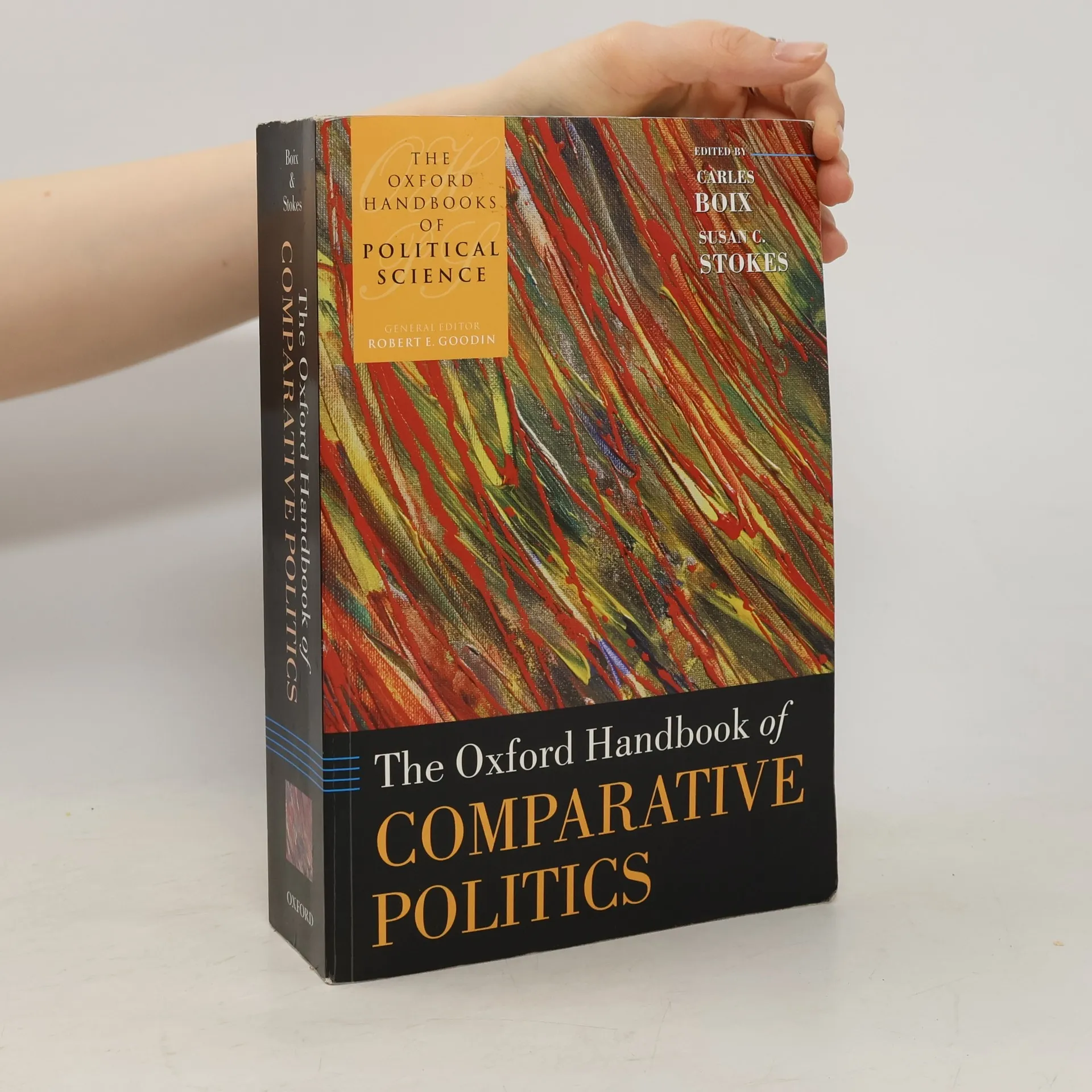
The Oxford Handbooks of Political Science: The Oxford Handbook of Comparative Politics
- 1034bladzijden
- 37 uur lezen
This comprehensive volume offers a critical survey of empirical political science through contributions from 48 leading scholars in comparative politics. Part I explores key research methodologies, including the comparative method, historical analysis, case-study research, and field research, while assessing the potential for establishing a science of comparative politics. Parts II to IV delve into the foundations of political order, examining state origins, their connections to war and economic development, and the sources of citizen compliance and political obligation. Topics such as democratic transitions, civic culture, authoritarianism, revolutions, civil wars, and contentious politics are also addressed. Parts V and VI focus on the mobilization, representation, and coordination of political demands. Part V investigates the emergence of political parties, their various forms, and voter behavior, alongside discussions on collective action, social movements, and political participation. Part VI examines the mechanisms for aggregating and coordinating political demands, leading to a systematic exploration of specific institutions like electoral systems, federalism, legislative-executive relationships, the judiciary, and bureaucracy. Lastly, Part VII highlights the growing literature on macropolitical economy from the past two decades.