

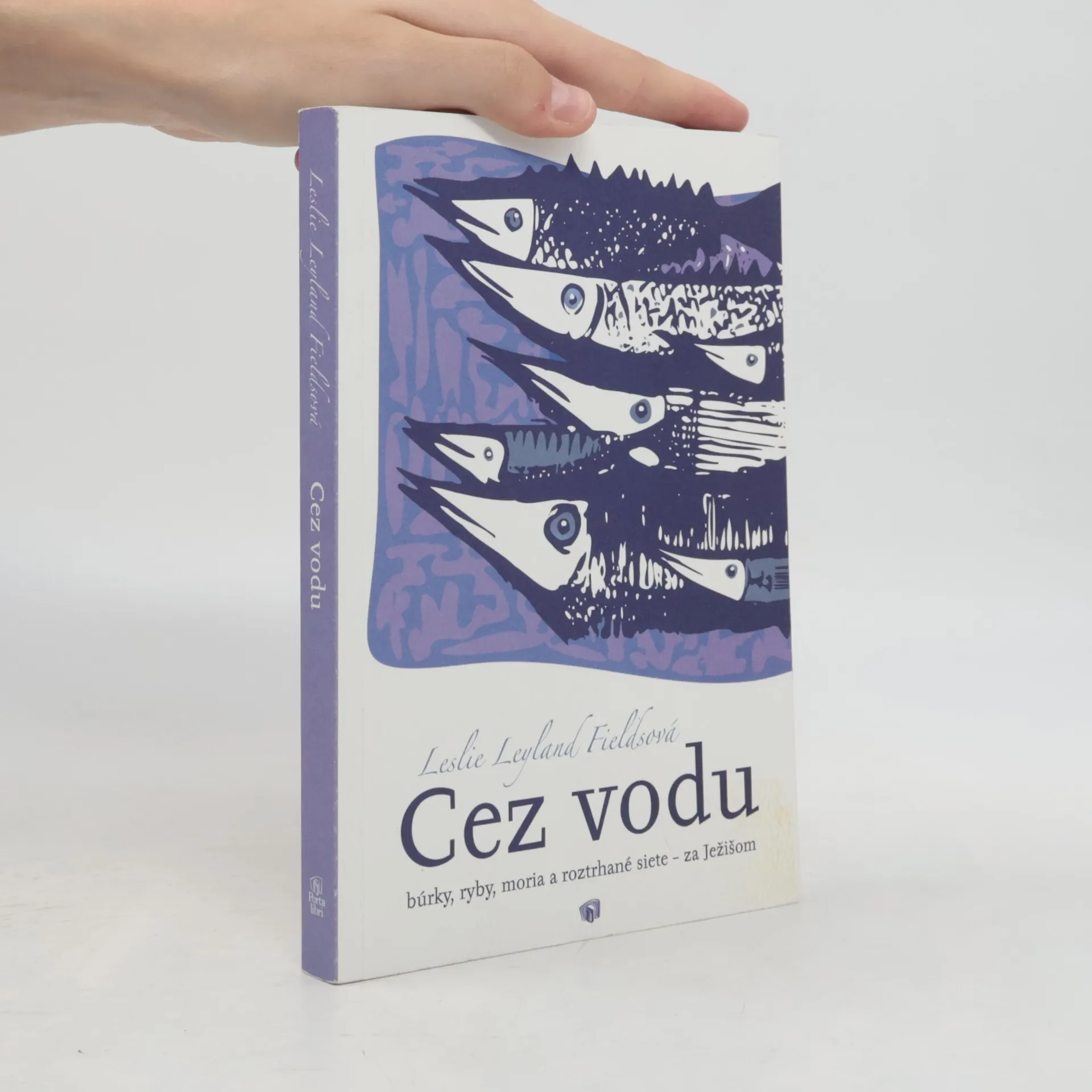
Kniha získala od časopisu Christianity Today ocenenie „Kniha roka 2017“. Evanjeliá sú dramatické a divoké príbehy premočené vodami Galilejského jazera. Prví Ježišovi učeníci boli obyčajní rybári a ich život s Ježišom je plný vody, rýb, rybárov, sietí roztrhaných od veľkých úlovkov, ale aj búrok, pri ktorých ide o život. Mnohým nám, ľuďom žijúcim vo vnútrozemí, je tento svet cudzí. Nie vždy rozumieme tomu, čo sa vlastne v evanjeliách odohráva. Ale s Leslie Leyland Fieldsovou – známou autorkou a rybárkou z ostrova Kodiak – môžete prekročiť vody času a kultúry. Leslie vás zoberie do ľadových vôd Aljašky k drsnému komerčnému rybolovu divých lososov, ako aj na prekvapivé galilejské vody Novej zmluvy. Pripravte sa, pretože neostanete suchí... Leslie Leyland Fieldsová je dobrodružná rybárka, skvelá spisovateľka, charizmatická spíkerka, neúnavná cestovateľka a popritom všetkom verná manželka a obetavá matka. So svojím manželom Duncanom žije na ostrove Kodiak na Aljaške, kde vychovala šesť detí. Ich neľahkým živobytím je komerčný rybolov divých lososov. Keď sa skončí rybárska sezóna, Leslie cestuje, prednáša a píše.
Leslie Leyland Fields Volgorde van de boeken (chronologisch)
Deze auteur duikt in diepgaande thema's, variërend van lichaamstheologie tot moederschap en cultuur, en put daarbij vaak uit de contrasten van het leven in de wildernis van Alaska en haar ervaringen tijdens lezingentours. Haar schrijven wordt gekenmerkt door een krachtige stem en het vermogen om persoonlijke reflecties te verbinden met bredere filosofische en spirituele vragen. Ze bespreekt enthousiast de onderwerpen die haar het meest raken, zowel via essays die diverse prijzen hebben gewonnen als in persoonlijke interacties met lezers. Haar werken gaan over de essentie van het menselijk leven, geloof en onze relatie met de natuurlijke wereld.
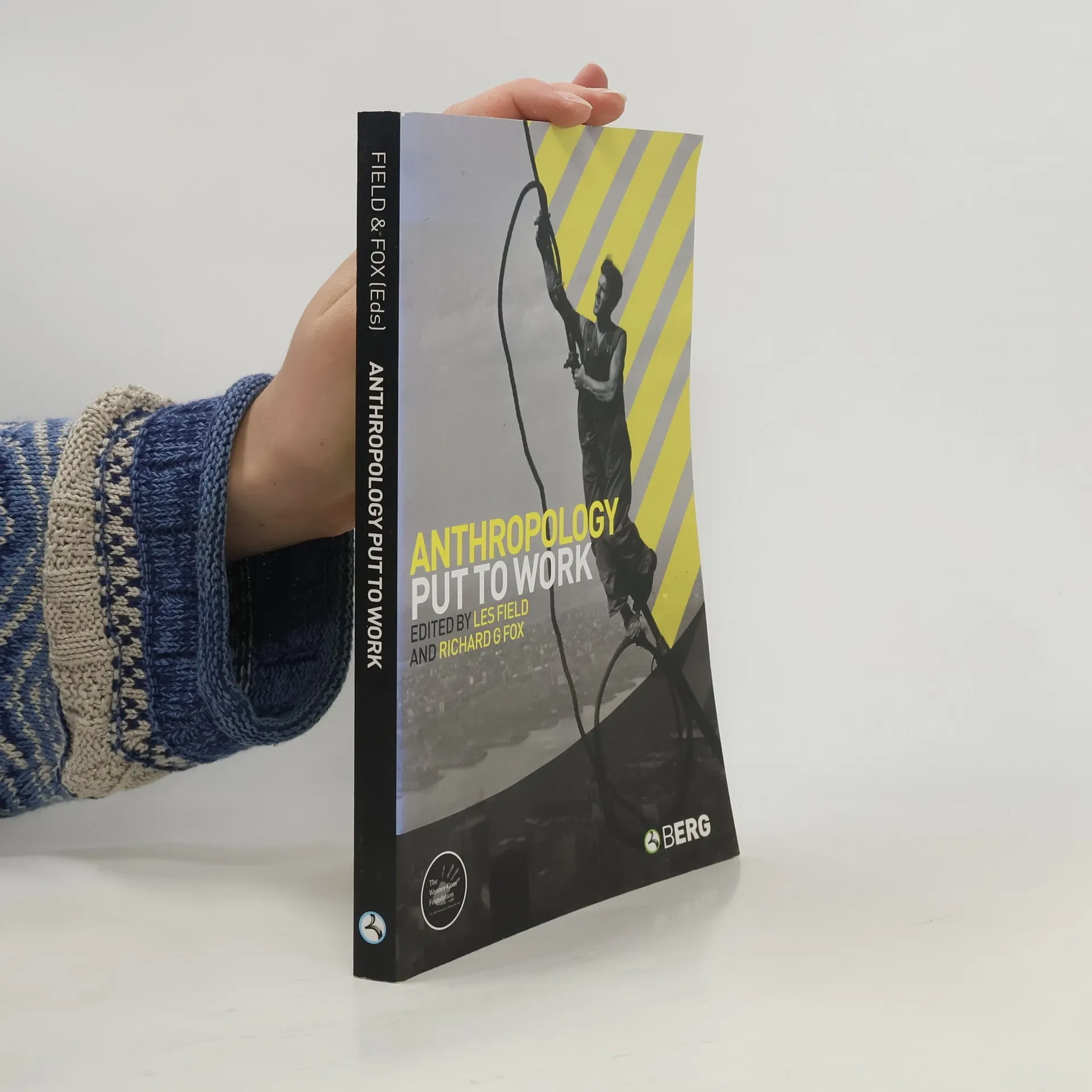
Wenner-Gren International Symposium Series: Anthropology Put to Work
- 270bladzijden
- 10 uur lezen
How do anthropologists work today and how will they work in future? While some anthropologists have recently called for a new "public" or "engaged" anthropology, profound changes have already occurred, leading to new kinds of work for a large number of anthropologists. The image of anthropologists "reaching out" from protected academic positions to a vaguely defined "public" is out of touch with the working conditions of these anthropologists, especially those junior and untenured.The papers in this volume show that anthropology is put to work in diverse ways today. They indicate that the new conditions of anthropological work require significant departures from canonical principles of cultural anthropology, such as replacing ethnographic rapport with multiple forms of collaboration. This volume's goal is to help graduate students and early-career scholars accept these changes without feeling something essential to anthropology has been lost. There really is no other choice for most young anthropologists.