

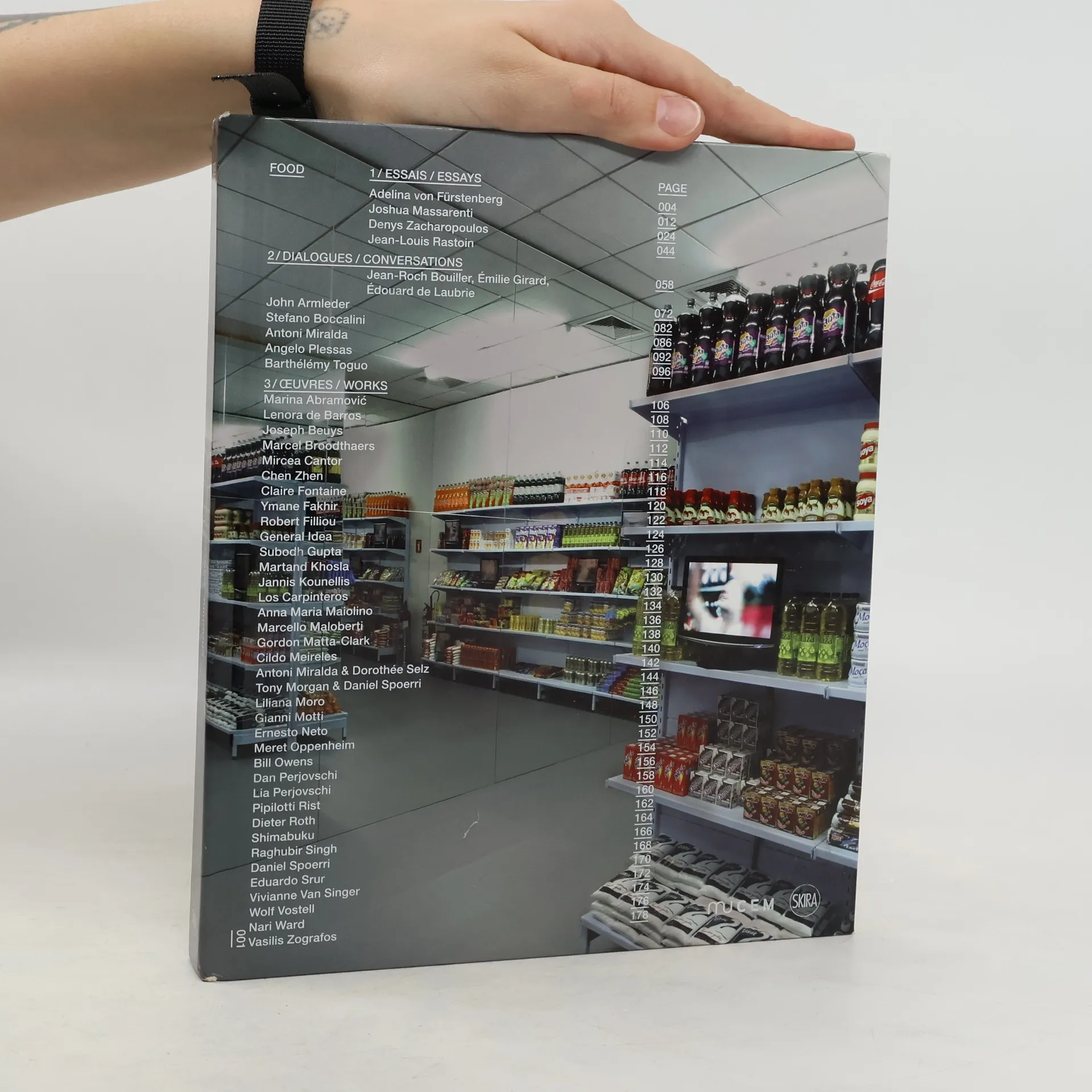
A selection of artworks by international artists dealing with the food theme and all its implications. This volume accompanies the international traveling exhibition FOOD, that focuses on the preservation of Earth and food choices, as well as the effects of climate change, the poisoning of agricultural products, the food distribution gap, famine, and other related concerns.
Ernesto Neto Boeken
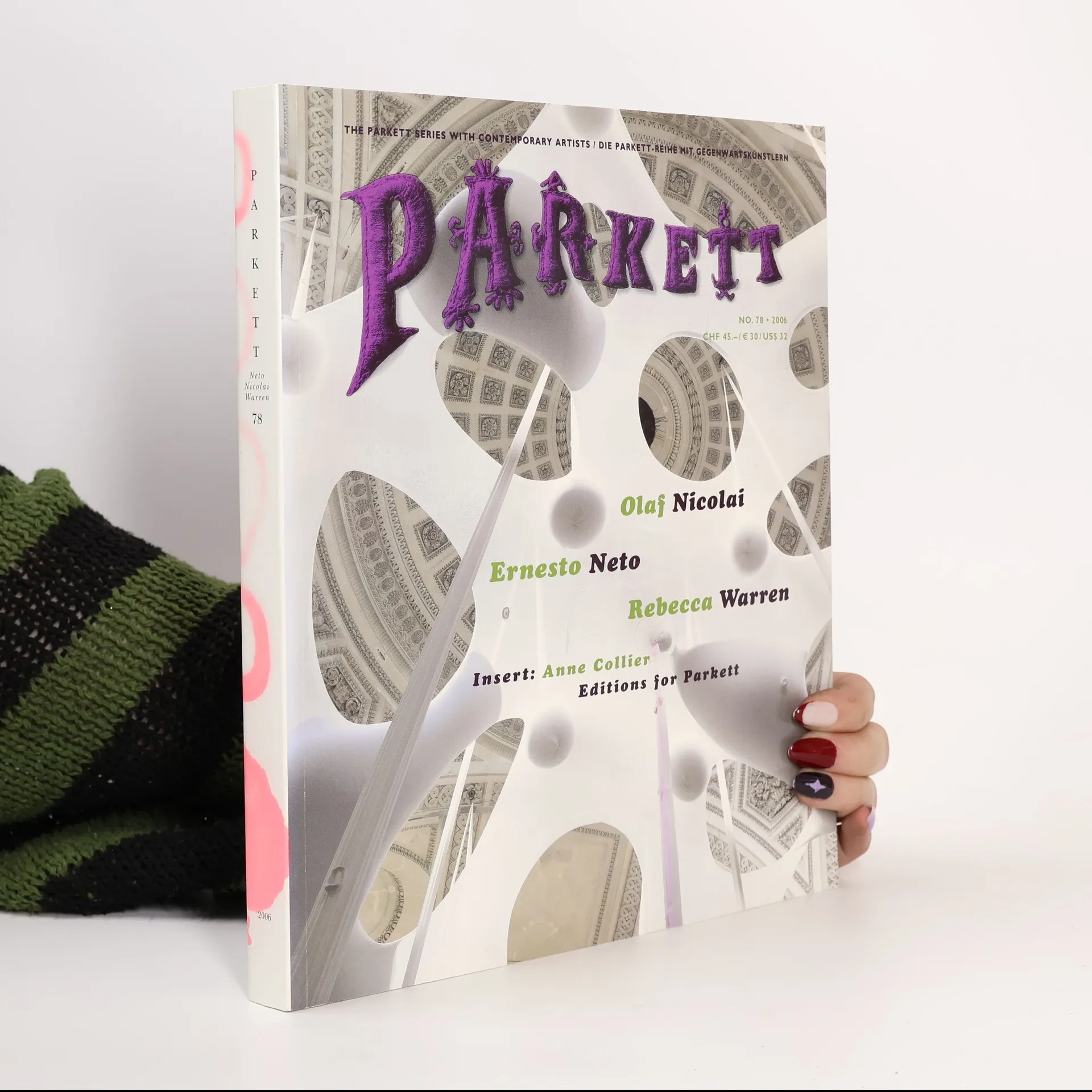
Parkett 78 features the artists Ernesto Neto, Olaf Nicolai and Rebecca Warren. Neto's drooping, opaque lycra installations envelop the viewer in a fog of fabric, a cushion for the gaze, their milky skins leaving children ecstatic and adults in a Fredric Jamesonian "Hyperspace." Olaf Nicolai's concept-driven art, like much of the avant-garde work of the last half-century, remains set on integrating art with daily life. We experience this "blurring" in his randomly arranged pre-fabricated Pantone colors, ornamental stones taken from a 1960s Dresden shopping mall and wall text reading, "A short catalogue of things that you think you want…" Rebecca Warren makes vulgar, lumpy plasticine figures that show the influence of Giacometti and R. Crumb alike. As Neal Brown writes, her figures are, "fingered and improperly squeezed into something that is compulsively-chaotic-masturbatory-fat-ugly-disfigured-repressed-incontinent-excretory-bestial-bulimic…" The issue also features Erwin Wurm, Andro Wekua and Vito Acconci, with texts by Yuko Hasegawa, Paulo Herkenhoff, Charles Esche, Vincent Pécoil, Catherine Lampert, Marjorie Perloff and Kate Fowle, among others.
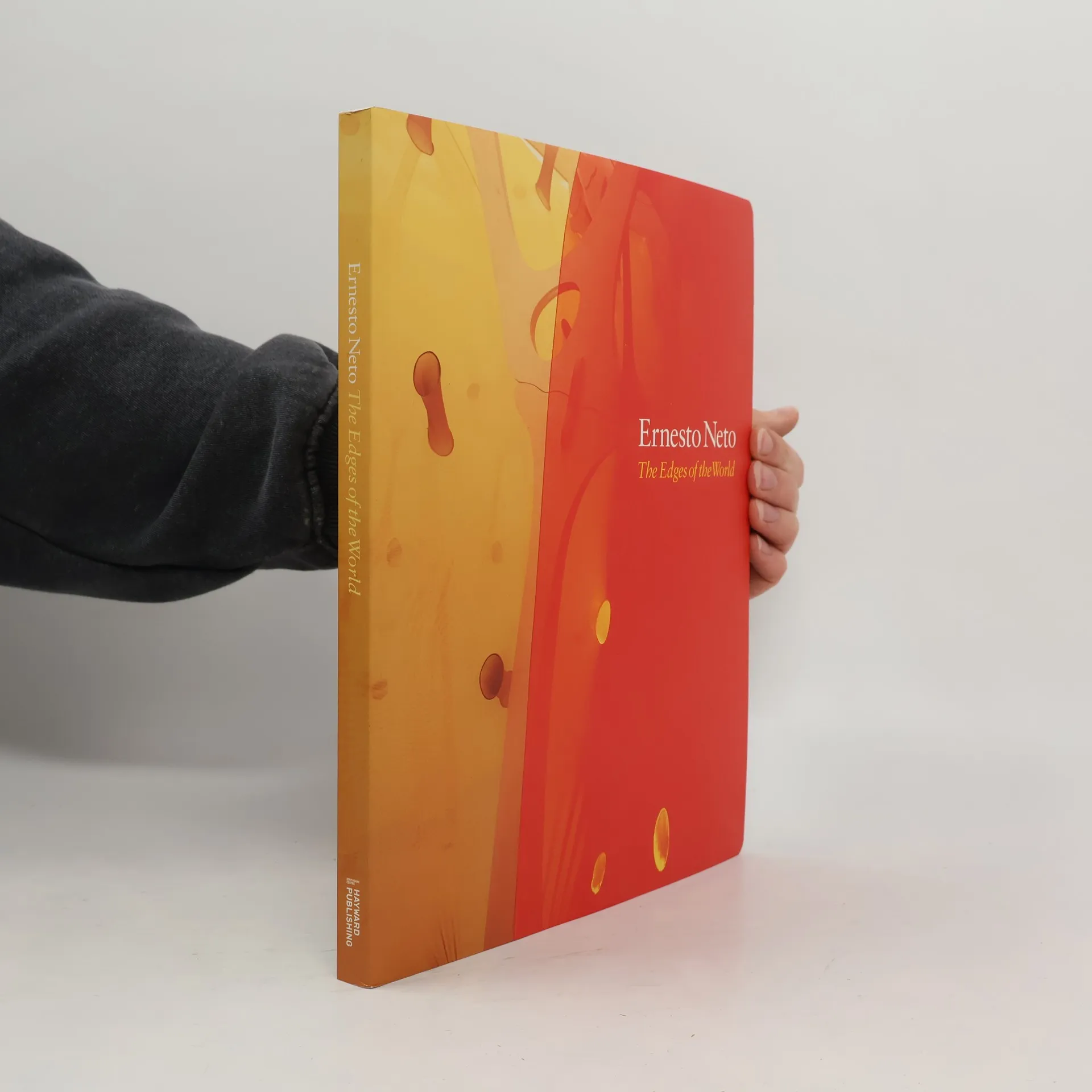
Brazilian artist Ernesto Neto (born 1964) draws on a variety of sources for inspiration, ranging from the natural world to department stores, modernists like Alexander Calder and Constantin Brancusi to Brazilian predecessors like Lygia Clark and H�lio Oiticica. Neto's multi-sensory environments exist, in the artist's words, "as a place of sensations, a place of exchange and continuity between people." This important survey is published to accompany an exhibition at London's Hayward Gallery, in which Neto reimagines the gallery's concrete spaces and brutalist architecture with a new site-specific commission and a number of new sculptural works. The artist's works incorporate the Hayward's outdoor sculpture terraces, creating an interrelated series of spaces in which the relationships between inside and outside are provocatively reconfigured. Spanning Neto's career to date, this publication contains texts by key international scholars.
Ernesto Neto
- 192bladzijden
- 7 uur lezen
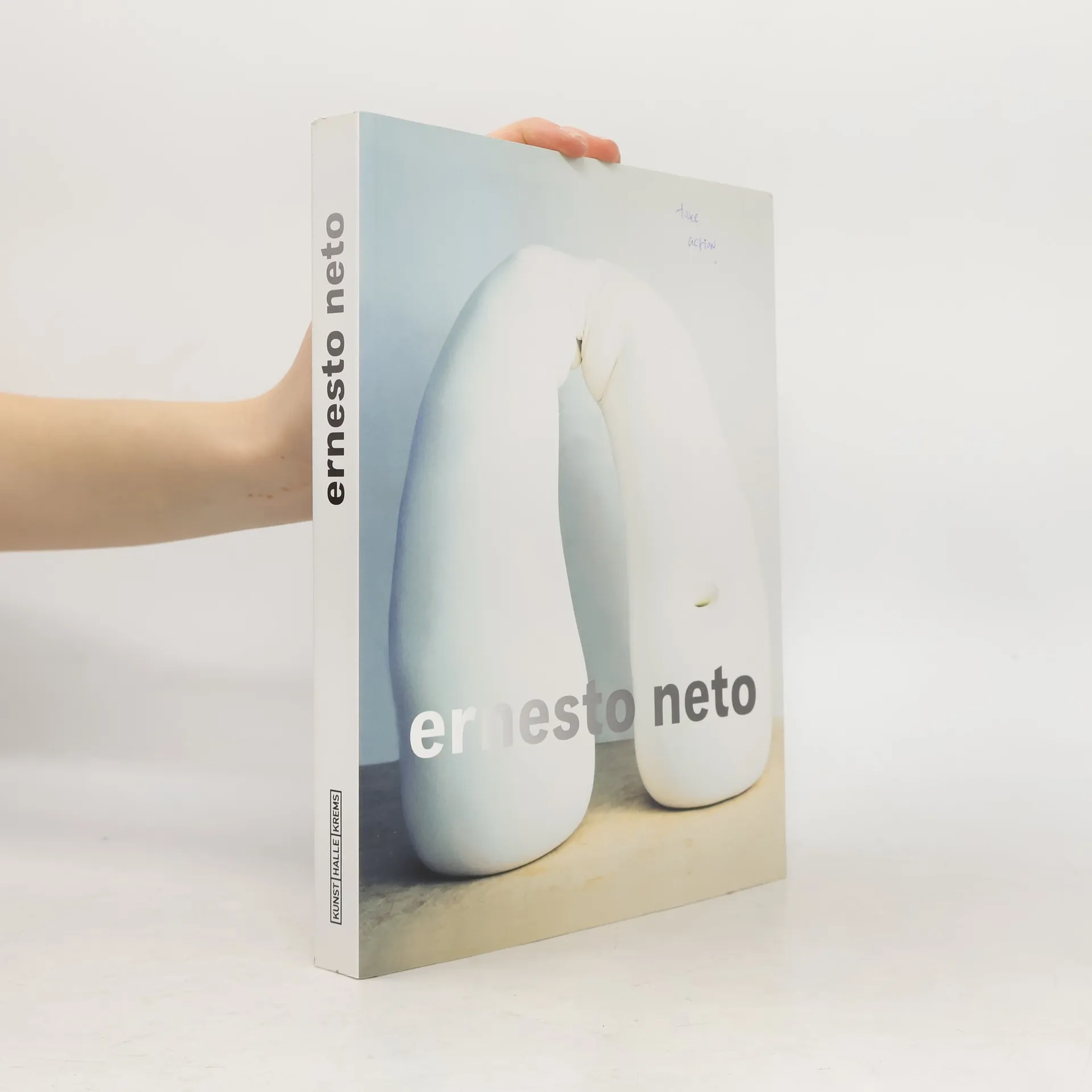
I am sculpture and think as sculpture, said Brazilian artist Ernesto Neto (born 1964). Neto aims to create an equally absorbing, boundary-blurring experience for his audiences, soliciting interaction and multisensory engagement from viewers of his engrossing biomorphic sculptural environments; he seeks nothing less than to create and to tap into a universal language of the senses. Ernesto Neto , published to accompany an exhibition-cum-Gesamtkunstwerk at the Kunsthalle Krems, is conceived as a retrospective and an opportunity to offer new insights into Neto’s biosculptural cosmos of sensuousness, intimacy and interrelationships (both human and material). Particular attention is paid in this volume to the roots of Neto’s work in the art history and culture of Brazil, from the Neo-Concrete art of Lygia Clark and Hélio Oiticica to the Tropicália theater, poetry and music of the late 1960s.