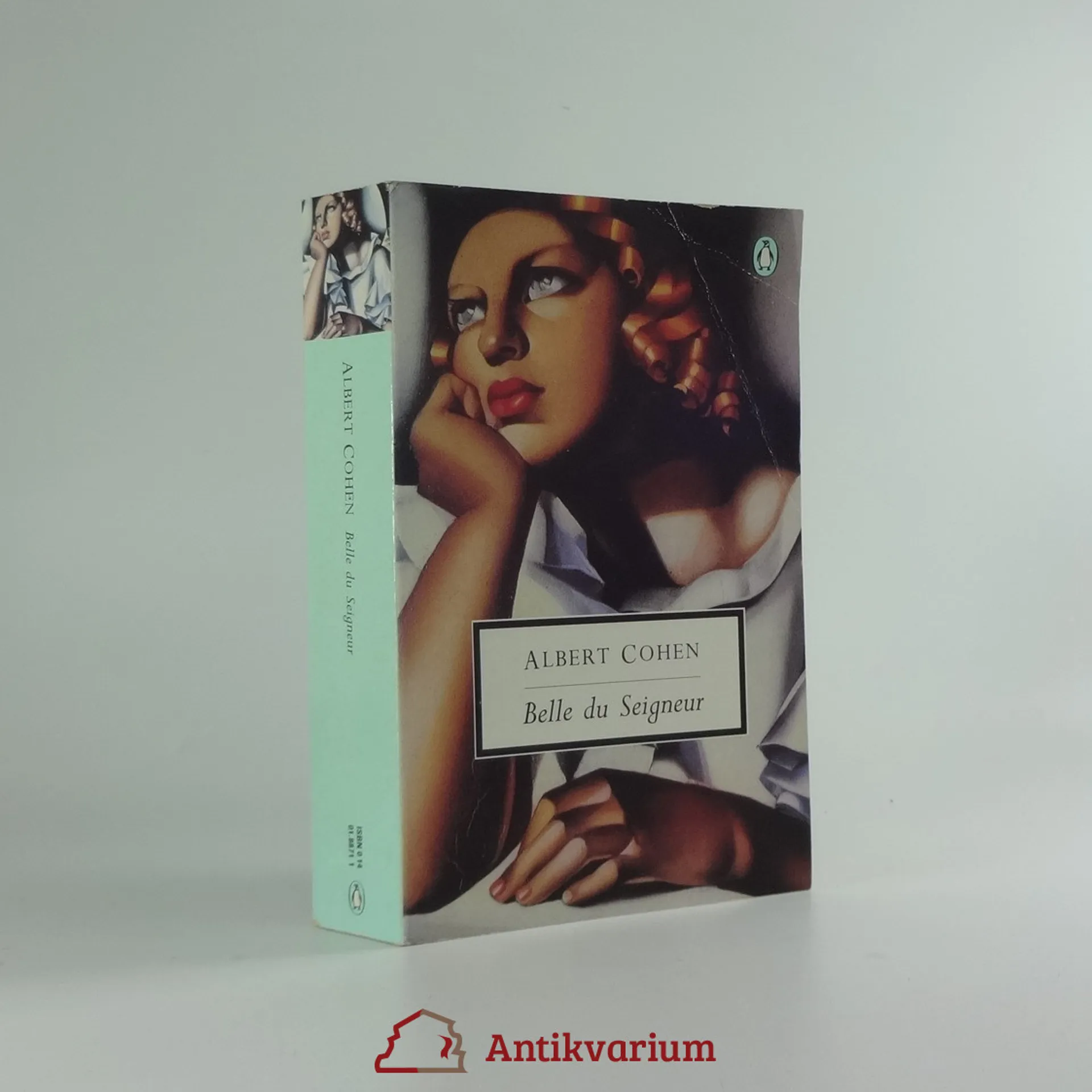
Published in 1968 "Belle du Seigneur" is the longest love story in French literature. At one level it is a hiliarious mock-epic concerning the mental world of the cuckold in the affair - a minor bureaucrat in the United Nations.
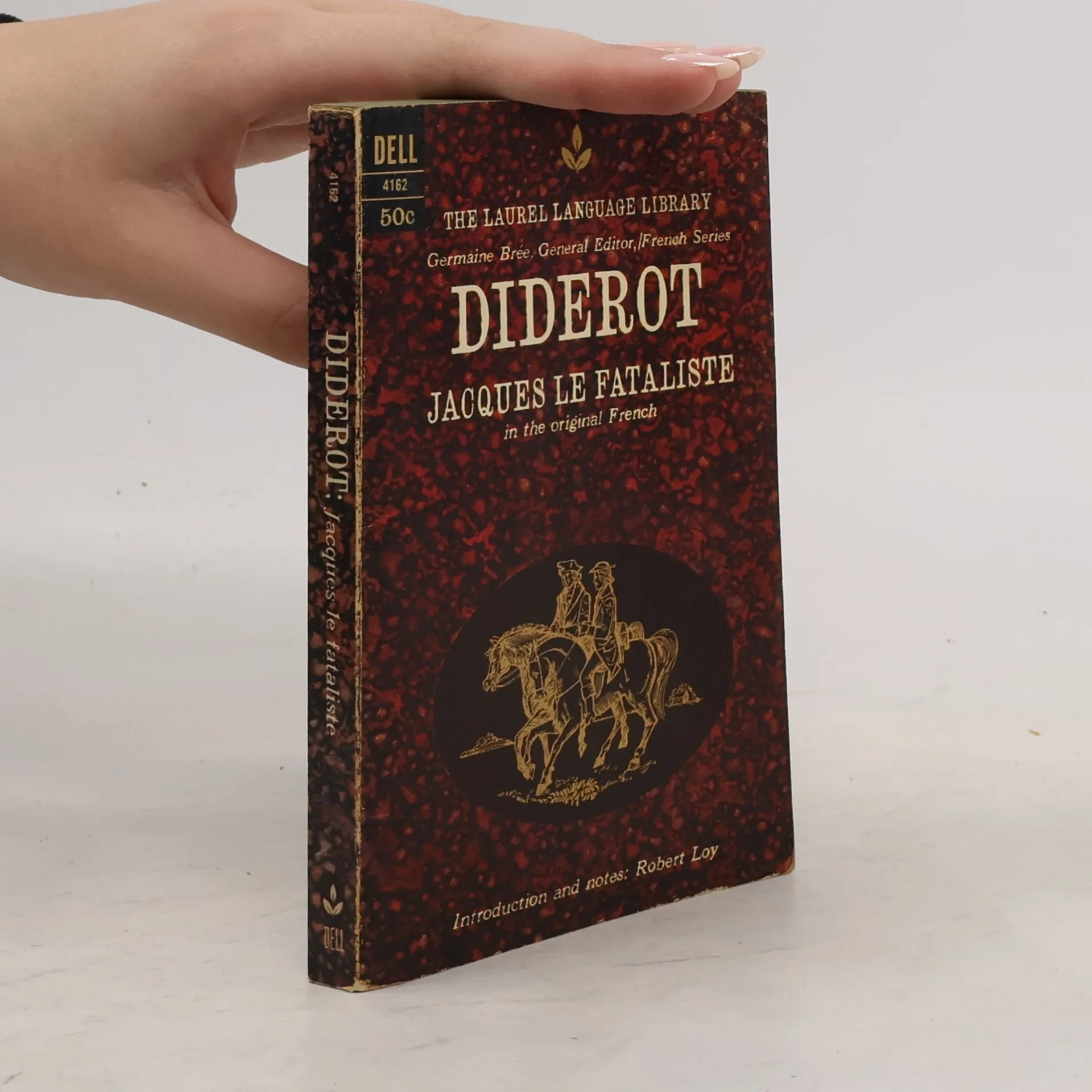
Everything that happens to us in the world, both good and bad, is written in the heavens. This is claimed by the titular character of the philosophical tale by the French writer and philosopher Denis Diderot. Not without reason, he has earned the nickname fatalist. However, despite his unwavering belief in the inevitability of fate, he stands against evil and believes that good must prevail. During countless wanderings, the characters discuss many fundamental issues, including the problem of individual freedom, friendship, and social relations. A significant portion of their humorous dialogues is dedicated to male-female relationships—mainly through the character of Kubuś, readers learn a number of love stories. The colorful conversations between Kubuś and his master entertained a few holders of Diderot's manuscript for two decades, and they were published only after the author's death in 1796. Even today, despite the fact that the world has undergone a true revolution, they still provoke reflection.
Macmillan Readers series is one of the most popular simplified readers for learners of English. The information is controlled, with pictures explaining some of the difficult vocabulary. This book has 600 basic words for Beginner-level students and explains how Cornelius wants to grow the first black tulip but there are many factors in his way.
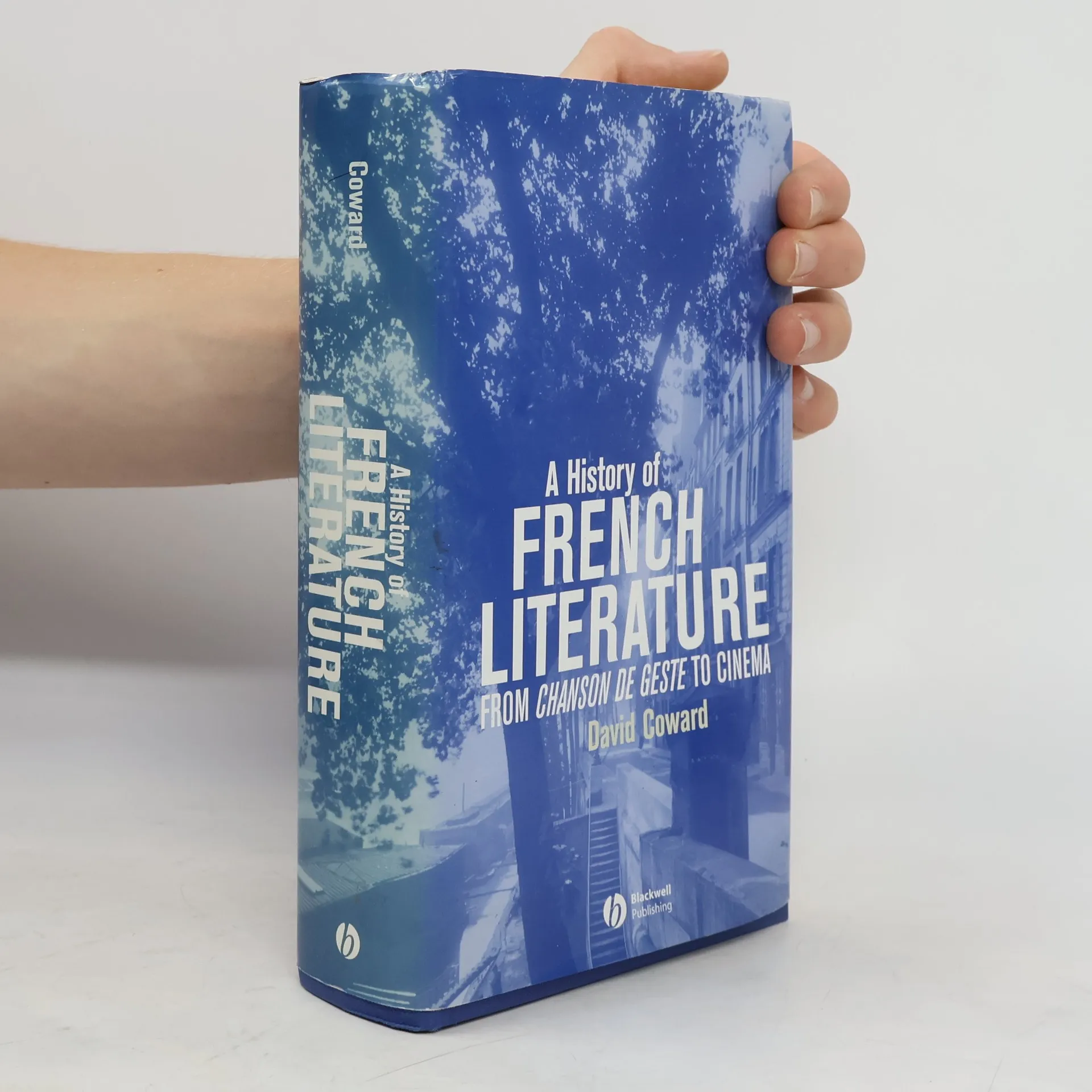
This ambitious volume is more than a history of French literature; it explores the profound impact of post-modern thought on our understanding of 'literature' itself. David Coward presents the rich diversity of French literature, enhanced by new Francophone contributions from Europe, Canada, the West Indies, and Africa. His narrative situates literary development within broader cultural contexts, linking it to the social conditions and mentalities that shaped it.
Coward transcends traditional notions of 'literature' by delving into best-sellers, graphic fiction, and cinema. He traces the evolution of the intellectual from the Dreyfus Affair through the divisions of the 1930s, from Existentialists to Post-Structuralists, mapping a journey from literary doctrine to critical theory.
Covering a wide range of topics—from medieval feminism to contemporary issues, and from 15th-century modernism to Proust—Coward serves as an engaging guide. He clearly outlines themes and genres, enabling readers to follow the evolution of theatre, poetry, and fiction, as well as broader issues like censorship and writers' rewards. The text is further enhanced by a comprehensive and user-friendly index, making it accessible for readers seeking to navigate this expansive literary landscape.
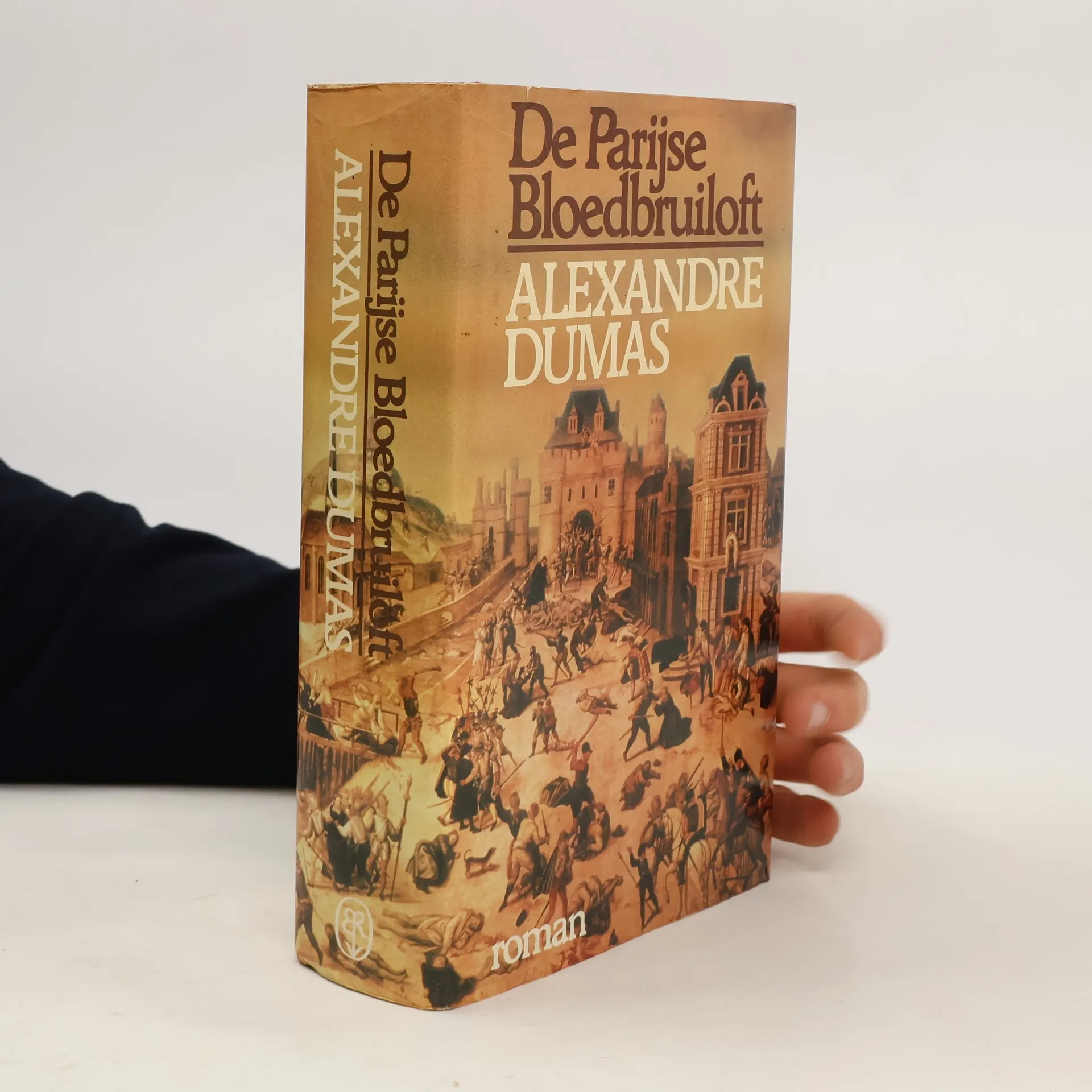
Des « noces vermeilles » de Marguerite de Valois et Henri de Navarre, prélude au massacre des protestants, à la mort de Charles IX baignant dans une rosée de sang, les deux années qui s'écoulent comptent parmi les plus cruelles de l'histoire de France. Guerres civiles de religion, luttes d'influence au sein de la famille royale, complots et assassinats politiques forment la trame sombre sur laquelle se détache la figure de Margot. Beauté incomparable, dame galante, cette fille de France est aussi une femme de lettres doublée d'une redoutable politique ; Marguerite est avant tout une Valois, fille de roi, sœur de roi, femme de roi. Et le brave La Mole, ce jeune gentilhomme protestant réfugié dans l'alcôve royale pour échapper à ses assassins la nuit de la Saint-Barthélemy, sait que l'amour qu'il voue à cette perle le précipitera au cœur d'intrigues de pouvoir où la vie d'un homme n'a guère de poids.