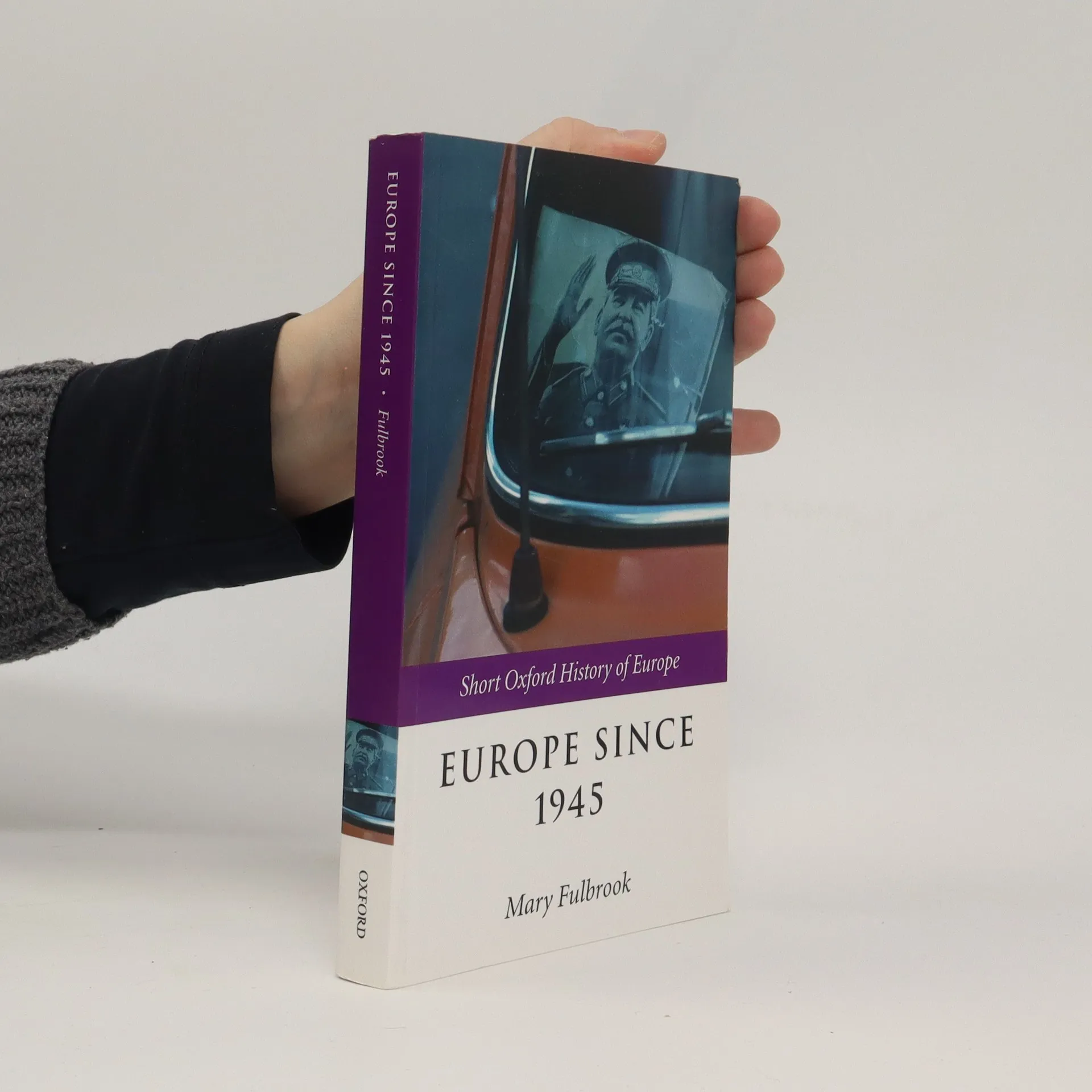

Mary Jean Fulbrook is een vooraanstaand Brits academicus en historicus wiens werk zich verdiept in de complexiteit van de Duitse geschiedenis. Haar uitgebreide onderzoek bestrijkt diverse gebieden, waaronder religie en samenleving in vroegmodern Europa, de aard van Duitse dictaturen in de 20e eeuw en de blijvende impact van de Holocaust op Europa. Fulbrook houdt zich ook bezig met historiografie en sociale theorie, waarbij ze kritisch onderzoekt hoe geschiedenis wordt geconstrueerd en geïnterpreteerd. Haar academische werk biedt diepgaande inzichten in de ingewikkelde sociale en politieke krachten die het Europese continent hebben gevormd.
The book offers an engaging exploration of Berlin through ten vignettes, highlighting its historical layers and transformations. It delves into the city's unique past by focusing on specific locations, illustrating how these sites shape Berlin's identity and ongoing re-imagination. Mary Fulbrook examines the complex legacies that continue to influence the city's experience and perception today.
Conformity and Complicity in Nazi Germany and the Holocaust
Focusing on the actions of individuals during the Nazi era, Mary Fulbrook challenges the prevalent question of awareness among Germans, suggesting that the more critical inquiry is about their responses to what they knew. Through a compelling analysis, she explores the moral choices and responsibilities of people in the face of atrocities, delving into the complexities of knowledge and complicity in a historical context that remains deeply relevant today.
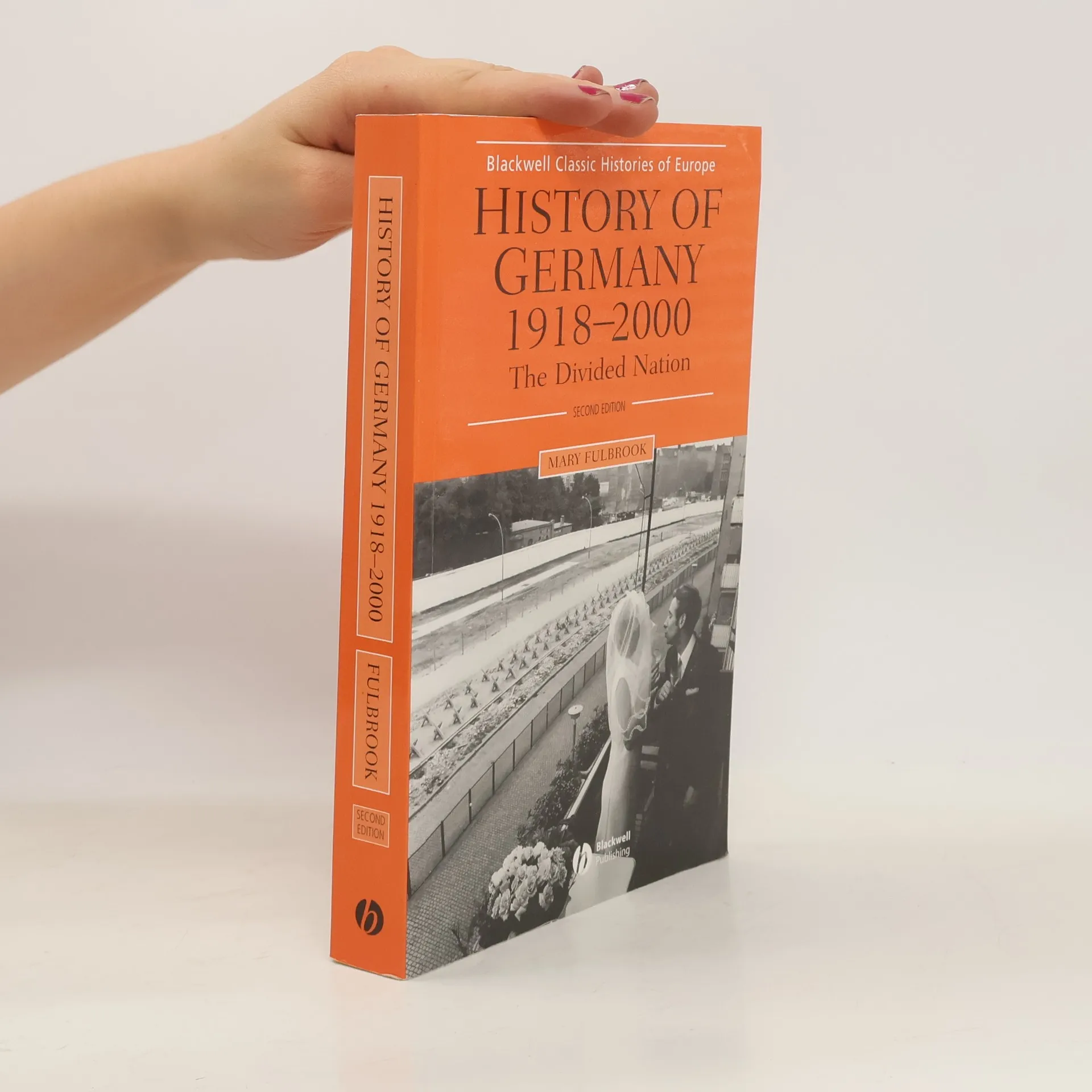
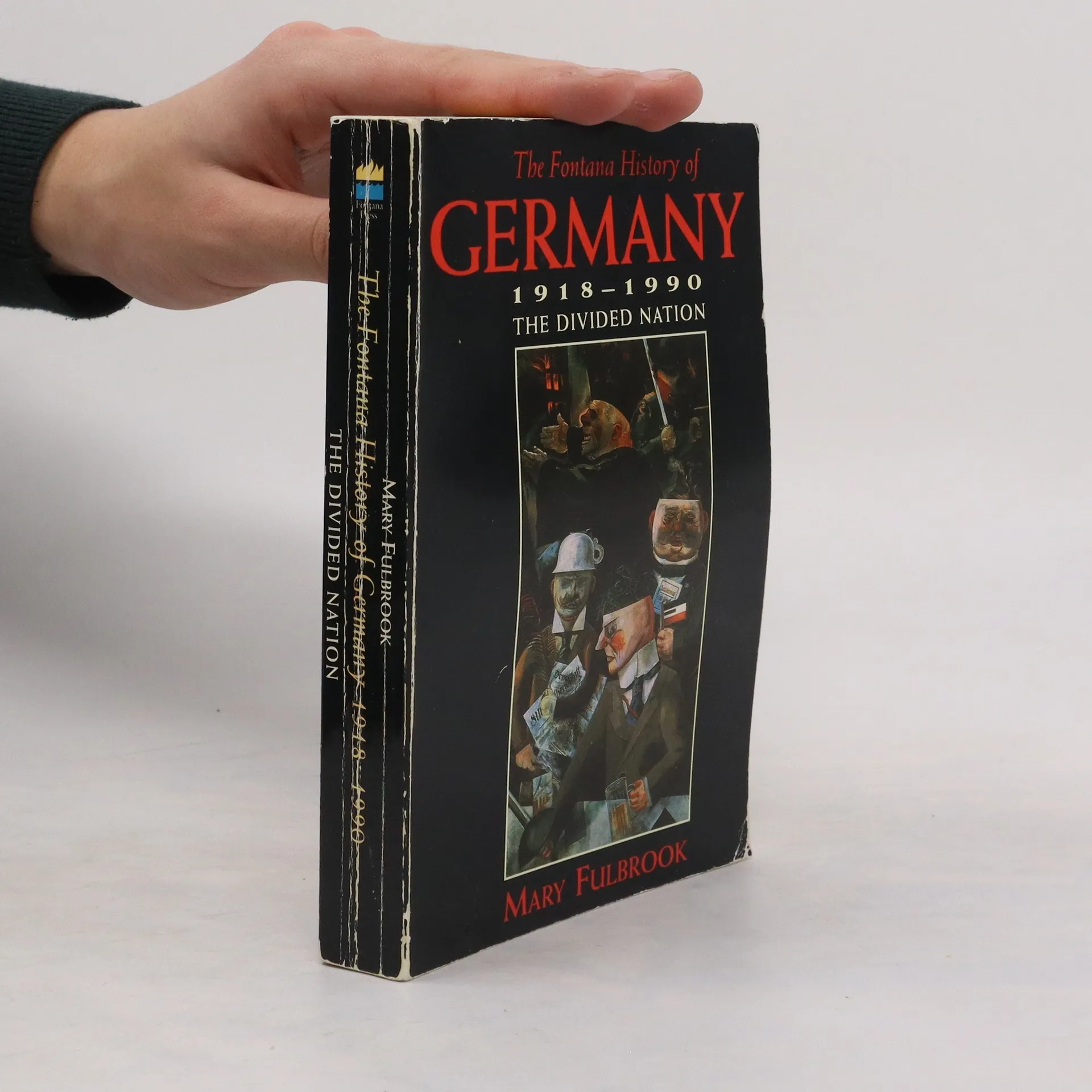
This acclaimed textbook offers a comprehensive exploration of modern German history, crafted by a prominent scholar. It provides in-depth analysis and insights into significant events and themes, making it an essential resource for students and enthusiasts alike. The new edition features updated research and perspectives, ensuring relevance in the study of Germany's complex past.
This third edition of Mary Fulbrook's much-admired book provides a clear guide
to German history from the early middle ages to the present day. Since the
second edition in 2004, there have been significant changes in Germany, Europe
and the wider world. This new edition captures these dramatic new
developments.
In many of the recent studies of bystanders during the Holocaust, the reliance on postwar perspectives has made it difficult to accurately portray the motivating factors at the time. In this essay about German bystanders to anti-Jewish persecution during the 1930s, Mary Fulbrook addresses that problem by relying solely on contemporary sources, and provides a uniquely sharp and nuanced understanding.
An innovative study of the ways in which Germans of different ages and life
stages lived through the violent eruptions of the two world wars, and through
the rise of Nazism, looking at the ways in which this shaped, not merely
German society, state, and economy, but also the character of the German
people.
The story of a small town near Auschwitz and of its local Nazi administrator.
An ordinary functionary and family man without whose help, and those of
thousands like him, the murderous plans of the Nazi elite could never have
been fully realized.
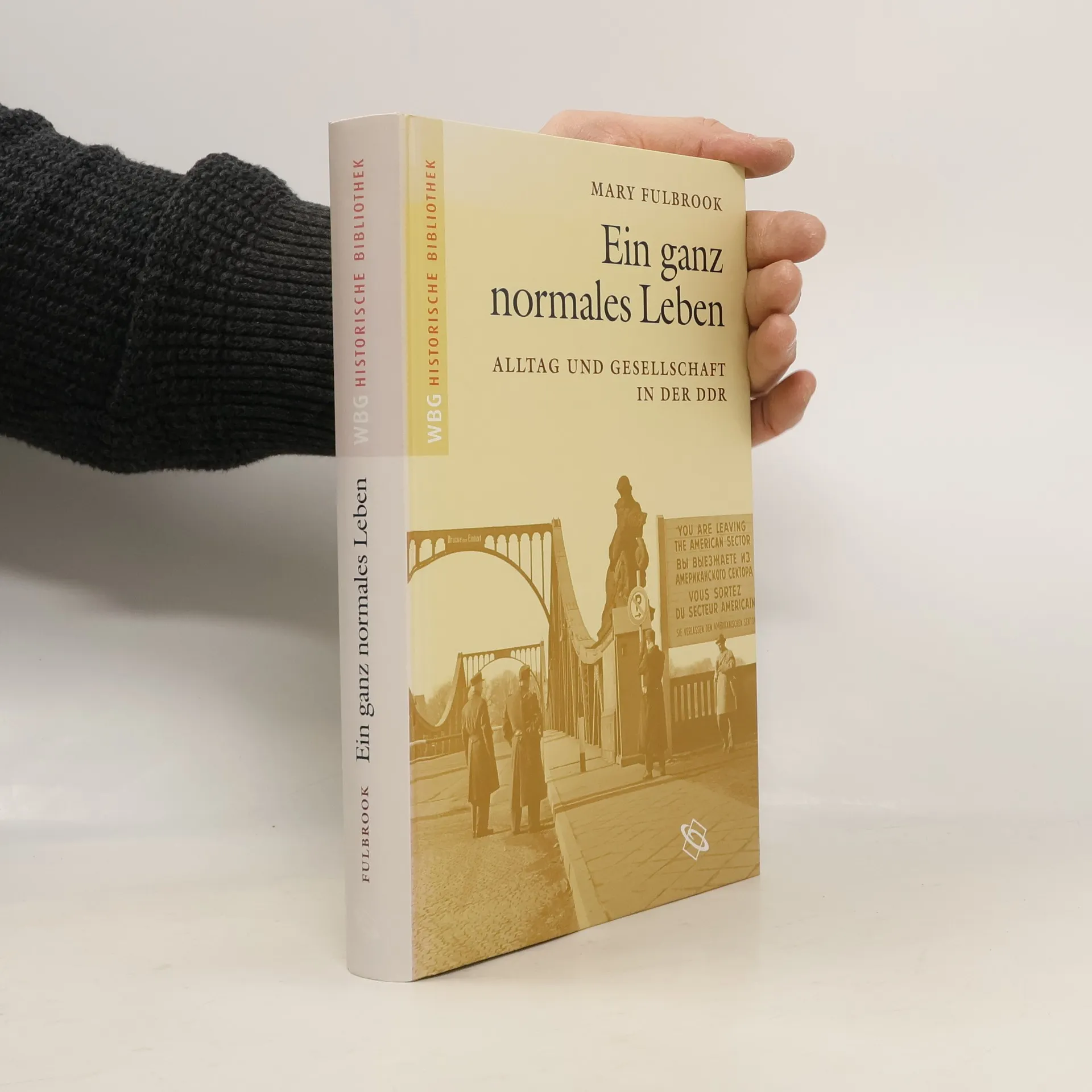
Wie war das Leben in der ehemaligen DDR wirklich? Die Analyse des repressiven politischen Systems mit Mauerbau und Stasi, politischer Unterdrückung und Mangelwirtschaft gibt nur einen Teil der Wahrheit wieder. Die Erfahrungen, Wahrnehmungen und Erinnerungen vieler Ostdeutscher zeigen ein anderes Bild: Viele erklärten nach der Wiedervereinigung 1990, sie hätten ›ein ganz normales Leben‹ geführt. Auf Grund der reichhaltigen Quellen in den nun geöffneten DDR-Archiven sowie zahlreichen Gesprächen mit Menschen, die in der DDR gelebt haben, geht Mary Fulbrook diesem Widerspruch nach. Sie untersucht die Verwandlung der ostdeutschen Gesellschaft in die eines modernen Industriestaates, entstanden auf den Ruinen des ›Dritten Reiches‹, und gibt aufschlussreiche Einblicke in die wirtschaftlichen und sozialen Umstände sowie die individuelle Lebensgestaltung der DDR-Bürger.
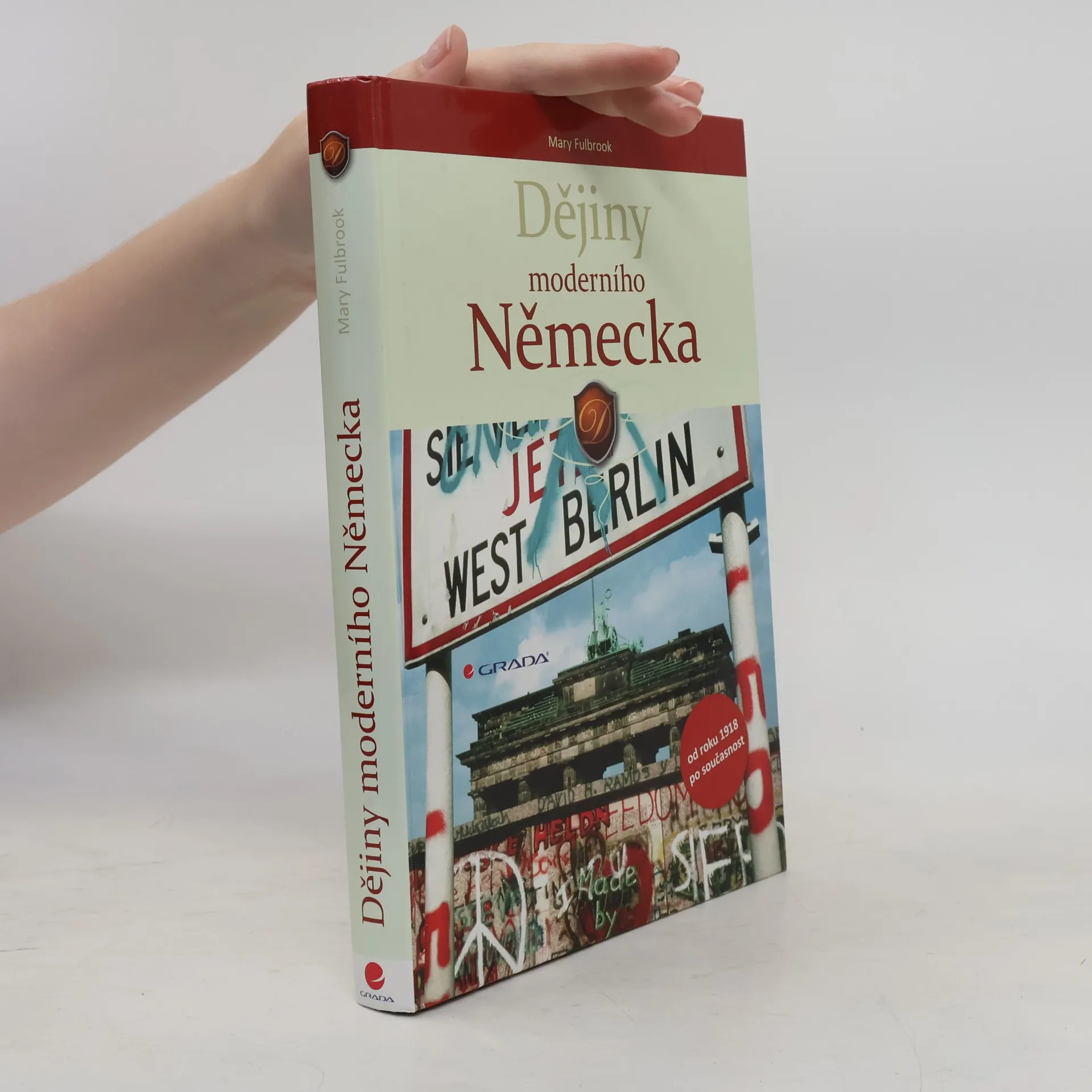
Podtitul: Od roku 1918 po současnost.
Českému čtenáři se dostává do rukou neuvěřitelně úspěšná kniha, která podává německé moderní dějiny čtivým a napínavým způsobem jako příběh plný špatných i dobrých zvratů a odhalených souvislostí. Kniha dobyla Británii a pokračuje v tažení do zbytku Evropy. Je důležité, že přichází i k nám, protože jen málokterá země má s naší historií tolik společného, a to v dobrém i špatném, jako Německo. Obrovský kulturní přínos, ale i rodiště agresivní ideologie a režimu, který znamenal pro Evropu pohromu a pro spoustu národů genocidu. Kniha popisuje dramatickou epochu moderního německého státu od porážky v první světové válce v roce 1918 - období slabé Výmarské republiky trpící hyperinflací a výstřelky politického extremismu, nacistickou éru a její katastrofální zakončení, kdy se mocenské uspořádání rovnou zvrhlo do studené války a k rozdělení země, dále je podrobně popsáno sjednocení v roce 1990 a také je rozebrána současná epocha, kterou se dosud historické publikace nezabývaly. Kromě dosud historiky nepopsaných událostí po sjednocení obsahuje kniha i některé nové historické poznatky, zvláště z období nacismu a holokaustu, ale i komunistické éry.