Noch nie war es für die Menschheit so wichtig, der Wissenschaft zuzuhören. Ein hoch entwickeltes Wissen und eine fortschrittliche Technologie wie nie zuvor in der Geschichte sind beste Voraussetzungen, um die Zukunft unseres Planeten zu bestimmen. Doch die Entscheidungen, die wir über die Anwendung der Wissenschaft treffen, können nicht aus dem Labor kommen, sie müssen vielmehr das Ergebnis einer breiten öffentlichen Debatte sein. Die Wissenschaft muss Teil unserer Kultur werden. Wie Martin Rees in dieser fachkundigen und persönlichen Analyse zeigt, müssen wir global, rational und langfristig denken, auf der Grundlage der Technologie des 21. Jahrhunderts, aber geleitet von Werten, die von der Wissenschaft nicht vorgegeben werden können.

Martin J. Rees Volgorde van de boeken
Martin Rees is een Engelse kosmoloog en astrofysicus wiens werk gericht is op het begrijpen van het universum. Zijn literaire output duikt in diepe existentiële vragen, waarbij hij de grenzen van onze kennis en de mogelijke toekomsten van de mensheid binnen de kosmos verkent. Rees' stijl staat bekend om zijn vermogen om complexe wetenschappelijke concepten toegankelijk te maken voor een breed publiek, terwijl hij wetenschappelijke nauwkeurigheid en een diep respect voor de mysteries van het universum behoudt. Zijn schrijven inspireert tot reflectie over onze plaats in de kosmos en de oneindige mogelijkheden die voor ons liggen.


- 2023
- 2022
If Science is to Save Us
- 200bladzijden
- 7 uur lezen
There has never been a time when ‘following the science’ has been more important for humanity. At no other point in history have we had such advanced knowledge and technology at our fingertips, nor had such astonishing capacity to determine the future of our planet. But the decisions we must make on how science is applied belong outside the lab and should be the outcome of wide public debate. For that to happen, science needs to become part of our common culture. Science is not just for scientists: if it were, it could never save us from the multiple crises we face. For science can save us, if its innovations mesh carefully into society and its applications are channelled for the common good. As Martin Rees argues in this expert and personal analysis of the scientific endeavour on which we all depend, we need to think globally, we need to think rationally and we need to think long-term, empowered by twenty-first-century technology but guided by values that science alone cannot provide.
- 2022
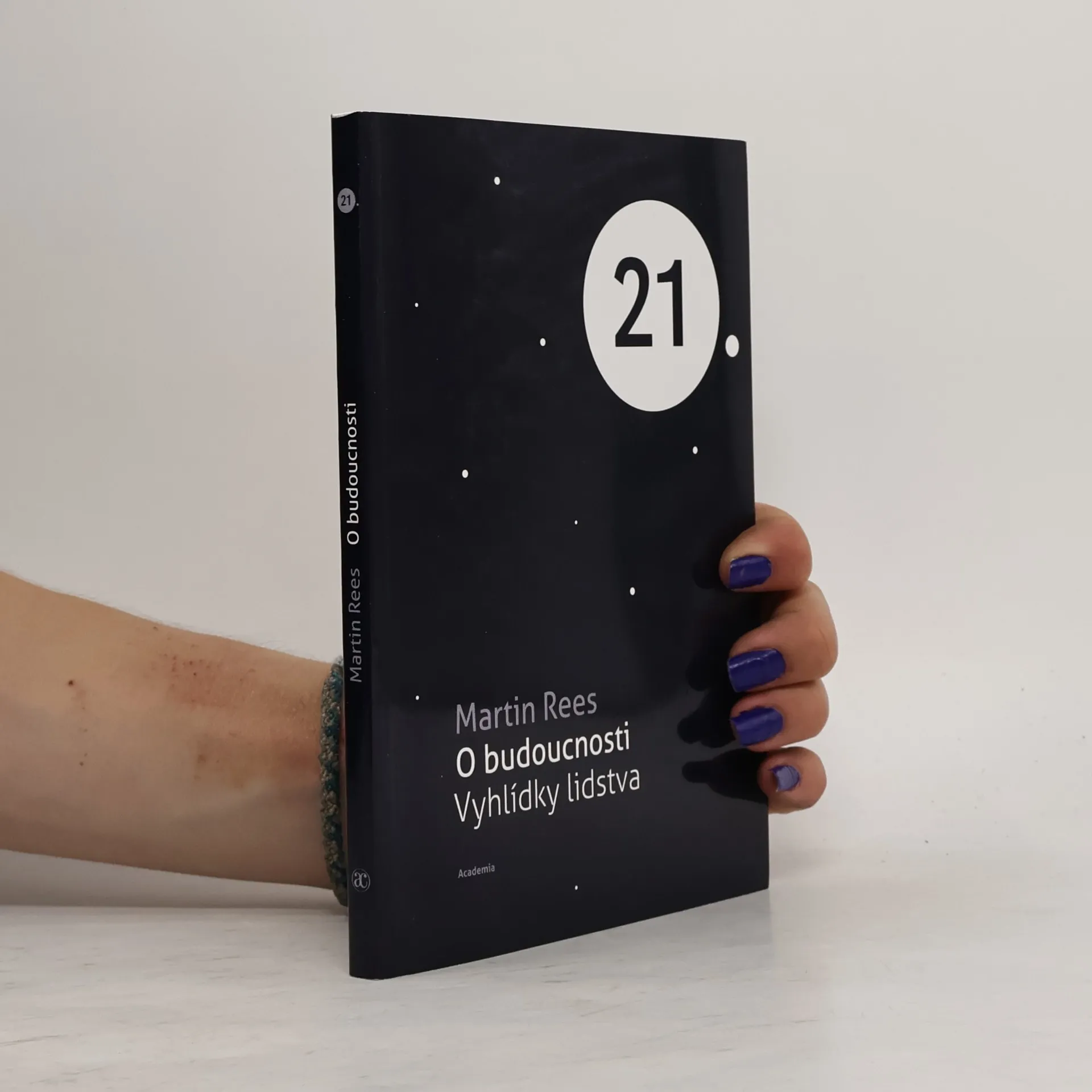
Budoucnost lidstva na Zemi zásadně závisí na budoucnosti vědy a na tom, jak úspěšně k řešení svých problémů využijeme technologický pokrok. Musíme však myslet racionálně, globálně, kolektivně, optimisticky a předvídat daleko dopředu. Pokrok v biotechnologii, kybernetice, robotice a v rozvoji umělé inteligence – pokud se bude uplatňovat rozumně – nám umožní pomoci rozvojovým zemím a překonat hrozby, kterým lidstvo čelí – od klimatické změny po jadernou válku. Kniha O budoucnosti přináší v přístupné a čtivé formě fascinující vhled do nejmodernější vědy a technologie každému, kdo chce porozumět stěžejním problémům, které budou definovat budoucnost lidstva na Zemi i ve vesmíru.
- 2021
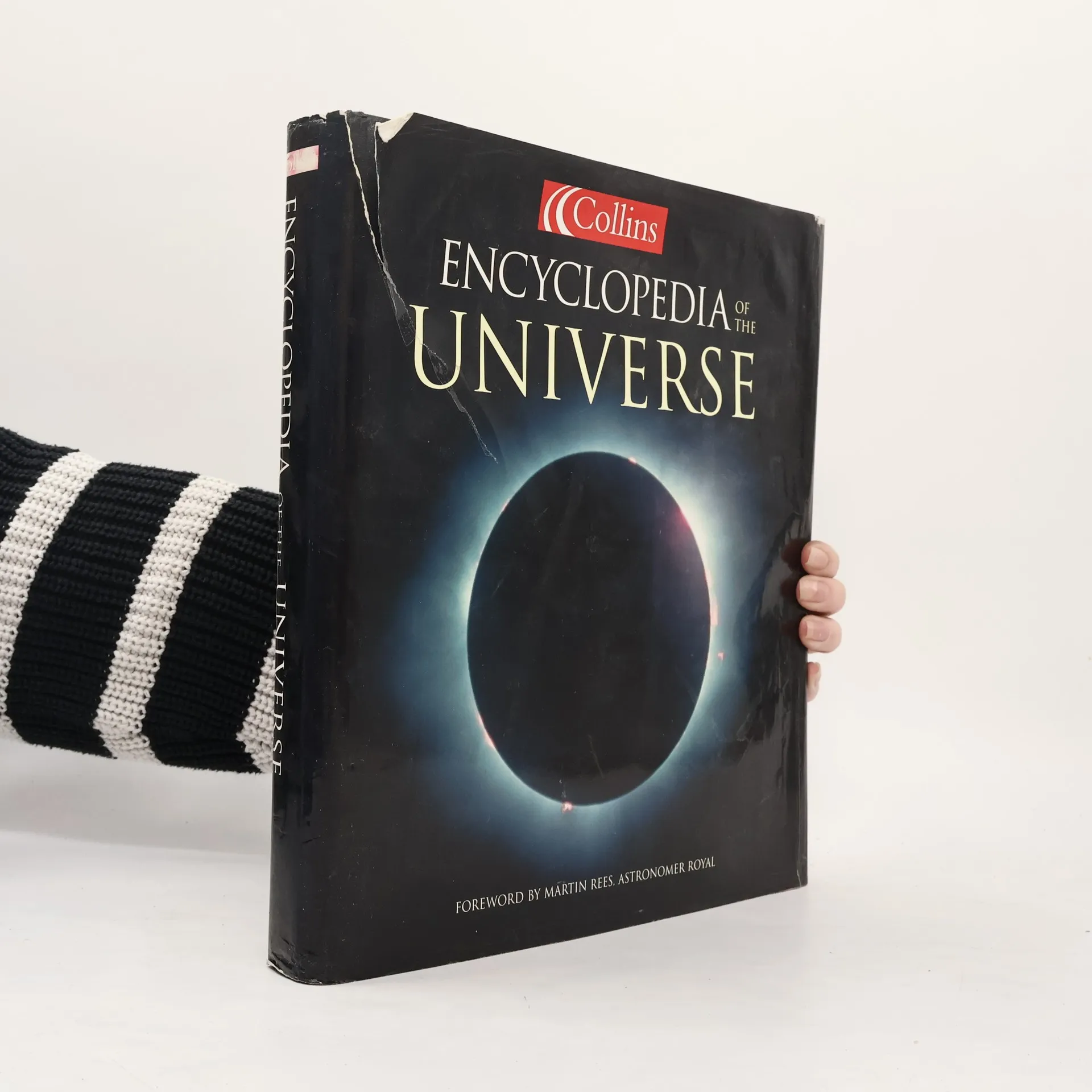
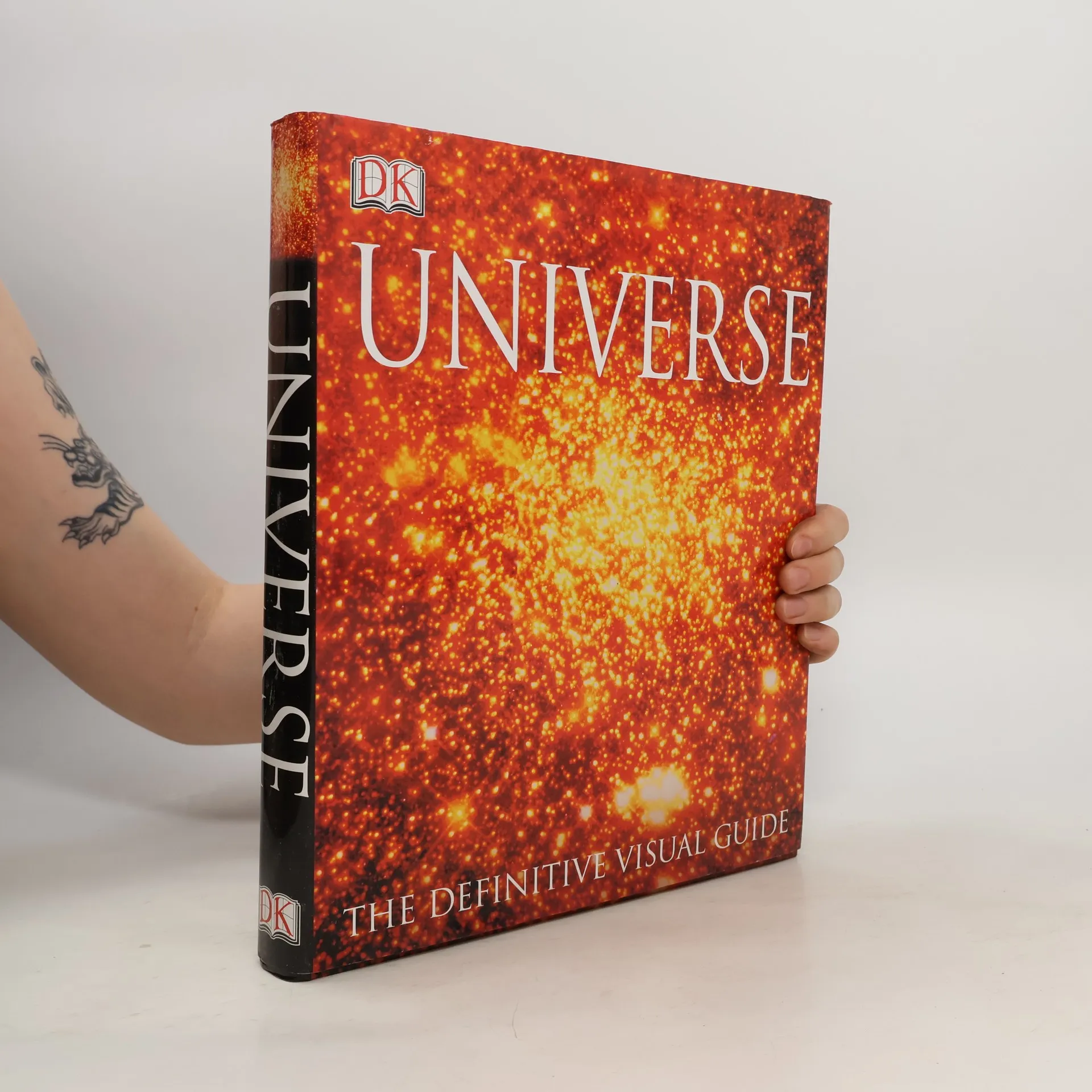
Universum
Die große Bild-Enzyklopädie mit mehr als 2500 Fotografien und Illustrationen
Die Inhalte aus dem Weltraum-Buch im Überblick: Das All und seine Erforschung: Das Kapitel erklärt die wichtigsten Theorien zur Entstehung, dem möglichen Ende des Universums und zu den im Weltall befindlichen Objekten. Zudem erfahren Sie, wie die Bewegungen der Erde unser Bild des Alls beeinflussen und erhalten eine kurze Geschichte der Astronomie und Raumfahrt - Das Weltall: Erhalten Sie einen umfassenden Überblick über unser Sonnensystem, die Milchstrasse und die Galaxien jenseits unserer eigenen. Mit einführenden Erläuterungen zu den verschiedenen Himmelskörpern und detaillierten Einzelprofilen der Planeten, Sterne, Sternenhaufen, Galaxien usw. - Der Sternenhimmel: Das Schlusskapitel enthält einen umfassenden Sternenatlas mit Einträgen zu den Sternenkonstellationen, von Andromeda bis Ursa Major, und den jeweiligen Himmelskörpern. Im zweiten Abschnitt finden Sie Himmelskarten für jeden Monat des Jahres, von der nördlichen und südlichen Hemisphäre aus betrachtet
- 2020
- 2018
On the Future
- 296bladzijden
- 11 uur lezen
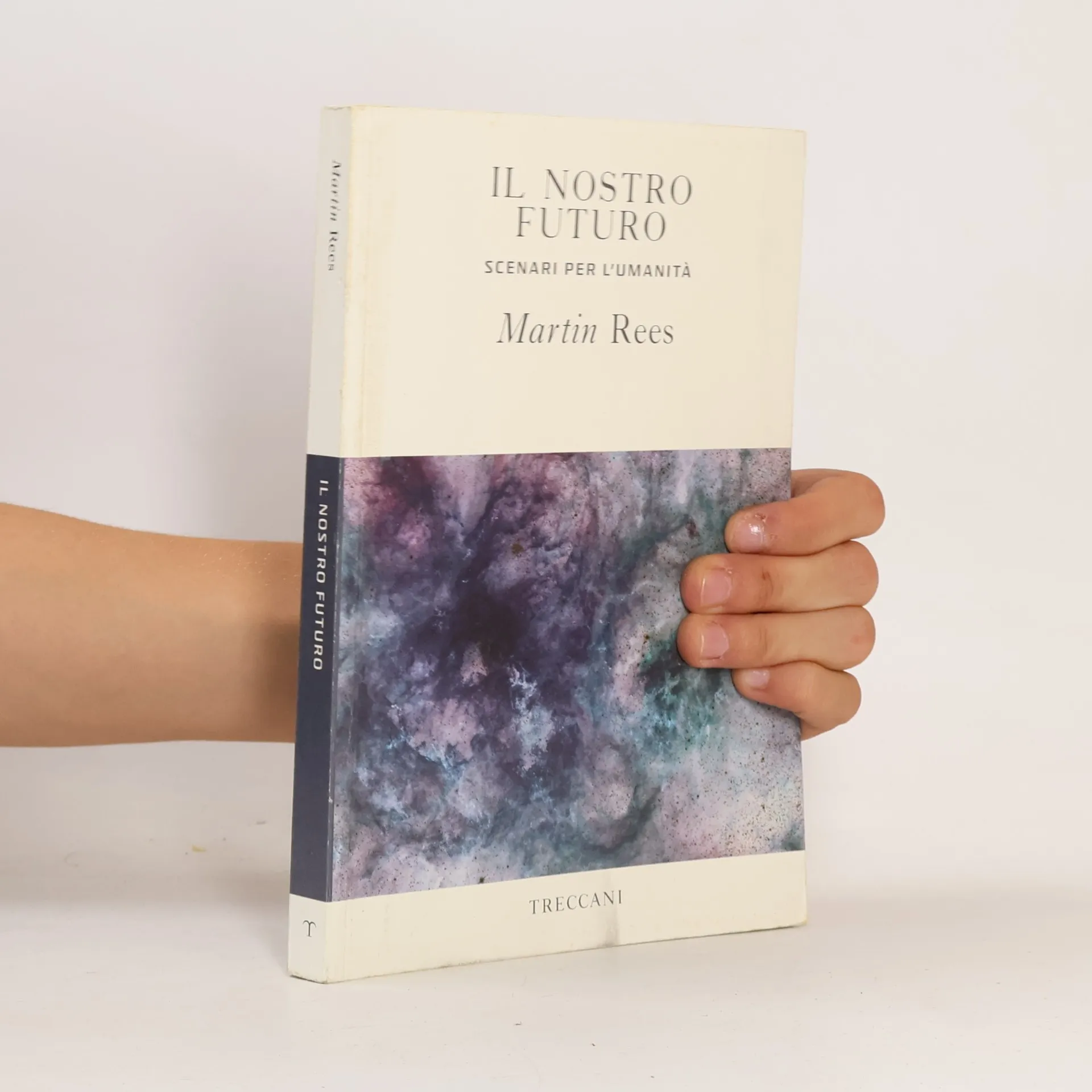
"Humanity has reached a critical moment. Our world is unsettled and rapidly changing, and we face existential risks over the next century. Various outcomes--good and bad--are possible. Yet our approach to the future is characterized by short-term thinking, polarizing debates, alarmist rhetoric, and pessimism. In this short, exhilarating book, renowned scientist and bestselling author Martin Rees argues that humanity's prospects depend on our taking a very different approach to planning for tomorrow. The future of humanity is bound to the future of science and hinges on how successfully we harness technological advances to address our challenges. If we are to use science to solve our problems while avoiding its dystopian risks, we must think rationally, globally, collectively, and optimistically about the long term. Advances in biotechnology, cybertechnology, robotics, and artificial intelligence--if pursued and applied wisely--could empower us to boost the developing and developed world and overcome the threats humanity faces on Earth, from climate change to nuclear war. At the same time, further advances in space science will allow humans to explore the solar system and beyond with robots and AI. But there is no "Plan B" for Earth--no viable alternative within reach if we do not care for our home planet. Rich with fascinating insights into cutting-edge science and technology, this accessible book will captivate anyone who wants to understand the critical issues that will define the future of humanity on Earth and beyond."-- Provided by publisher
- 2015
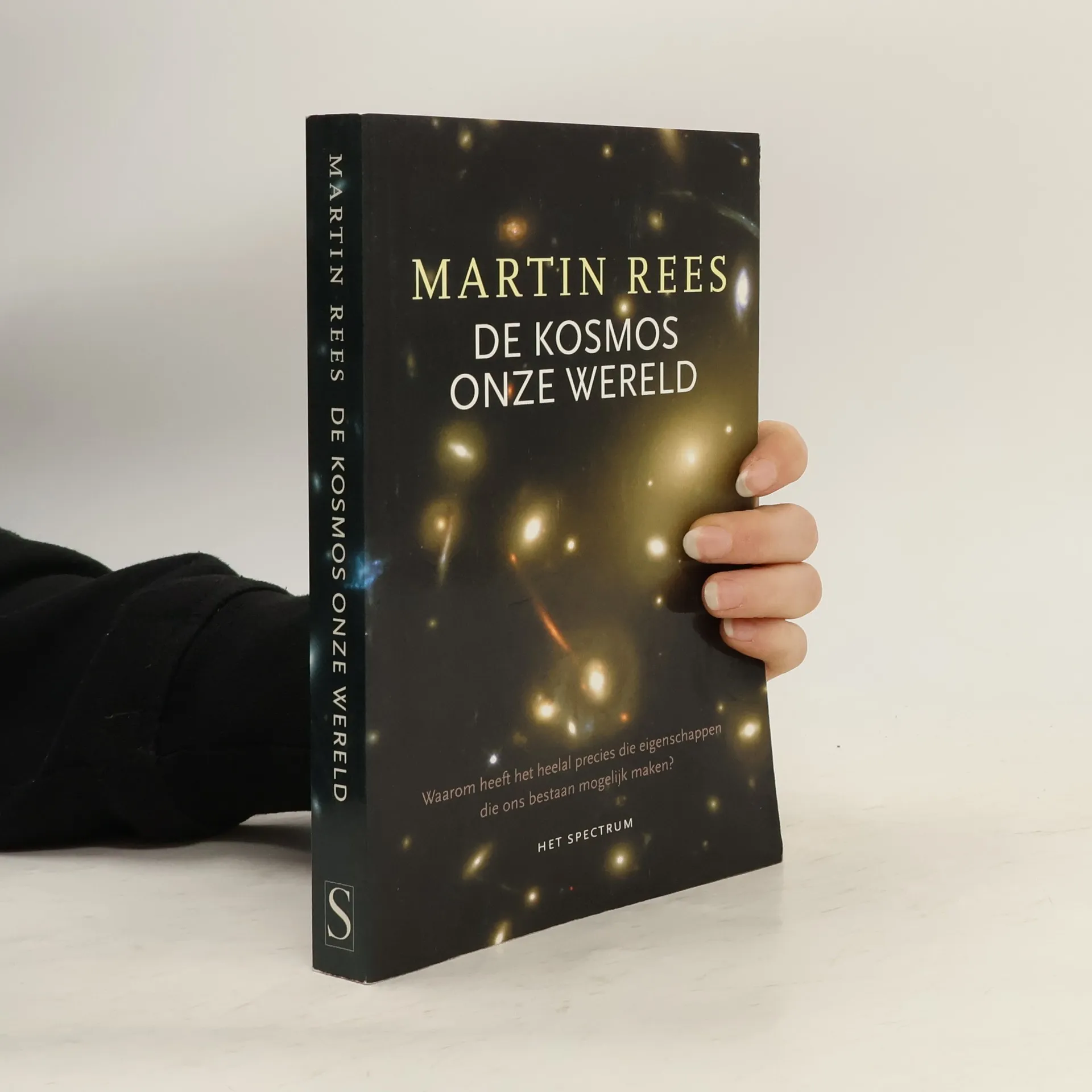
Gibt es neben unserem noch andere Universen? Wie und wann sind sie entstanden? Welche physikalischen Gesetze herrschen dort? – Die Grundfragen der Kosmologie, beantwortet von Martin Rees, einem der renommiertesten Astronomen der Welt.(Dieser Text bezieht sich auf eine frühere Ausgabe.)
- 2015
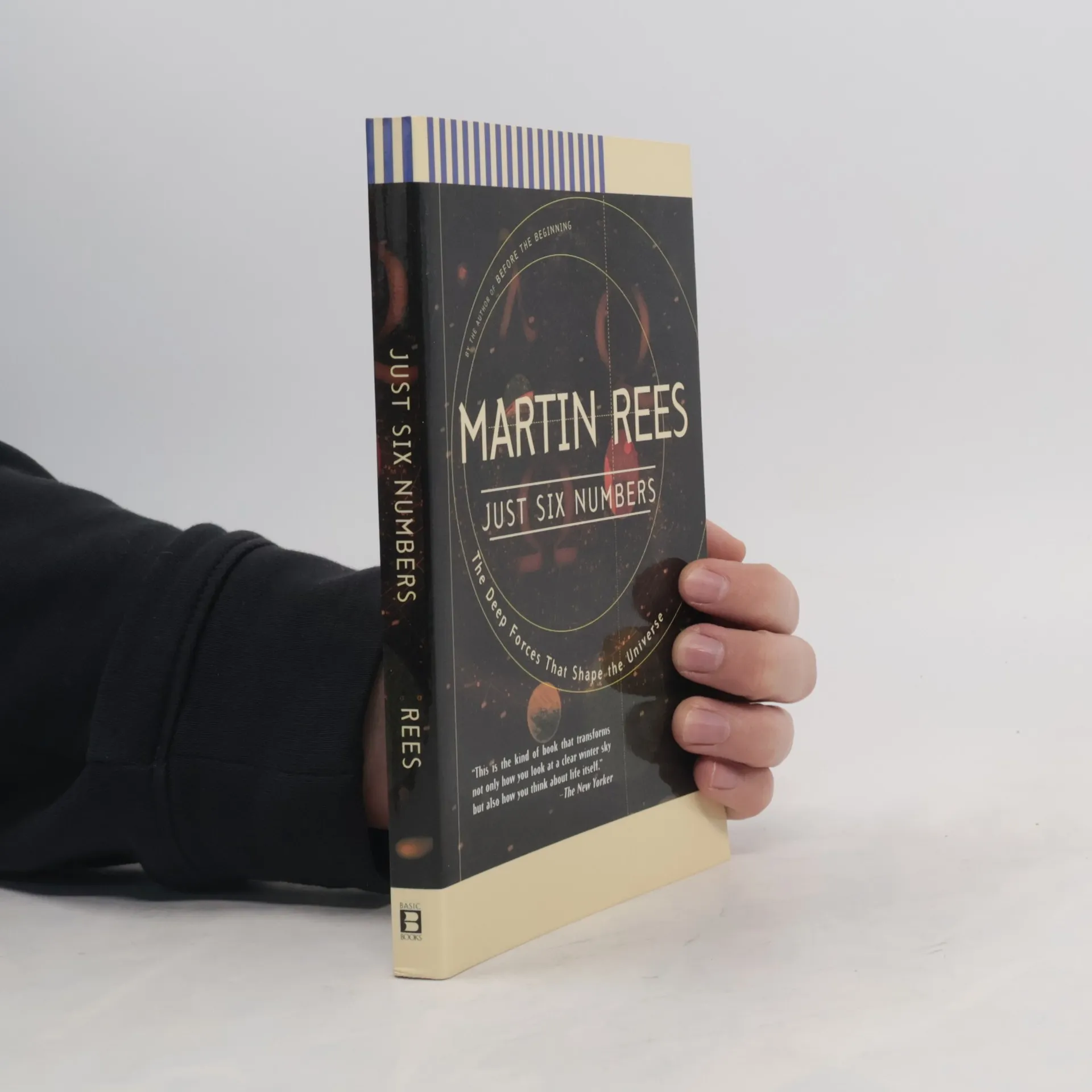
Just Six Numbers
- 208bladzijden
- 8 uur lezen
Astronomer Royal Martin Rees shows how the behaviour and origins of the universe can be explained by just six numbers.
- 2013
Gravity's Fatal Attraction
- 350bladzijden
- 13 uur lezen
Blending descriptive theoretical arguments with the latest observational results, Begelman and Rees present the evidence for black holes and their role in the Universe. This lavishly illustrated book is suitable for introductory undergraduate courses, and will also fascinate amateur astronomers and all readers interested in astronomy and physics.
- 2006
Universe : the definitive visual guide
- 540bladzijden
- 19 uur lezen
"Universe reveals space in all its awe-inspiring wonder"--Jacket.