

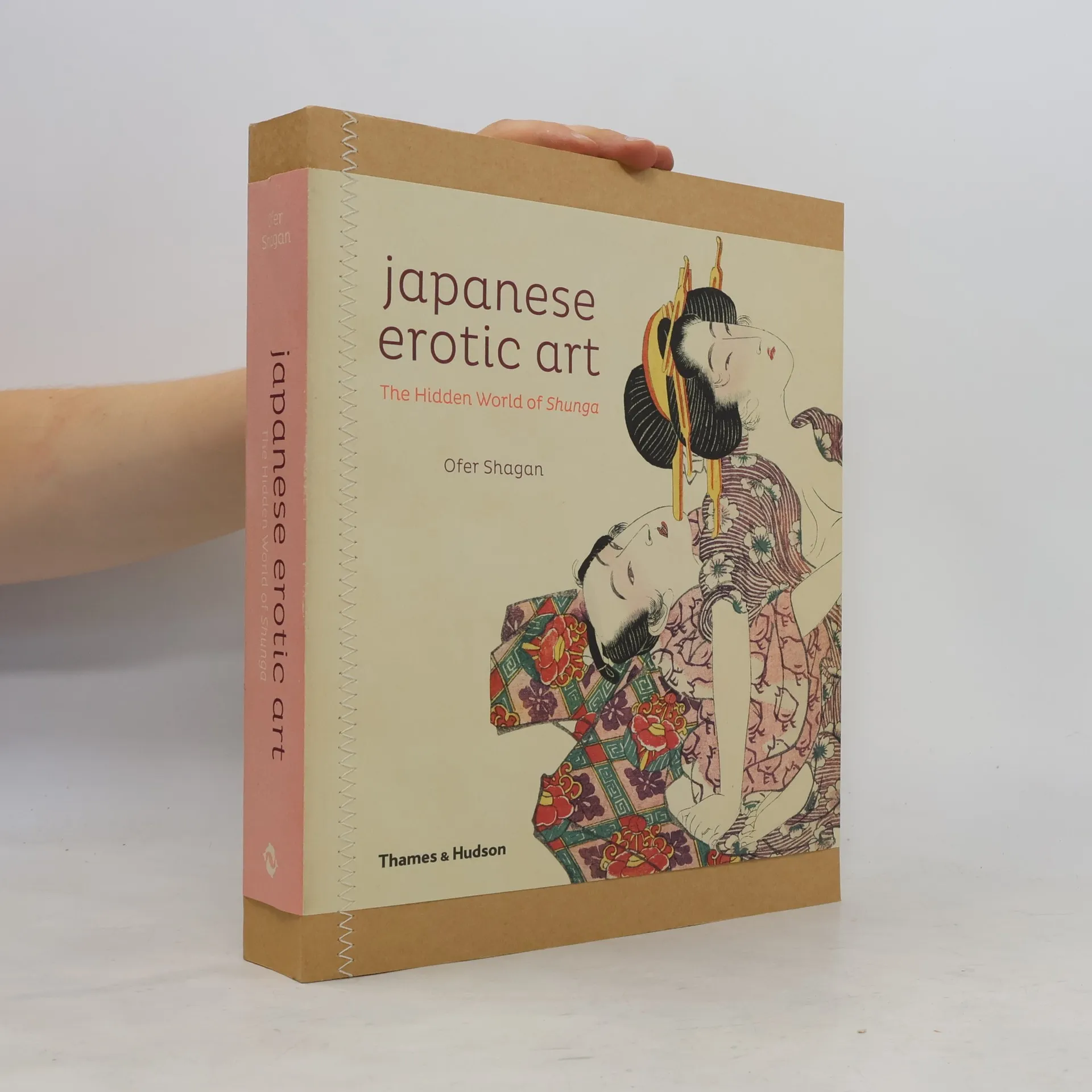
Japanese erotic art, shunga , has a long history, with thousands of paintings, prints, and illustrated books produced, mostly from the seventeenth to late nineteenth centuries. Shunga literally means “picture of spring”—“spring” being a common Japanese euphemism for sex—and the works celebrate all facets of human sexuality with great candor. Unlike earlier books that have tended to focus on individual artists, this new publication has a thematic structure, covering the whole spectrum of sexual practice and expression, including adultery and jealousy, voyeurism, orgasm, and violent sex and death. Using images from his own unparalleled collection, Ofer Shagan brings the rich and vast world of shunga to modern view, highlighting the messages, symbols, and humor that often appear in the background but are fundamentally significant for understanding the messages in the art.
C. Andrew Gerstle Volgorde van de boeken (chronologisch)

Kabuki heroes on the Osaka stage 1780-1830
- 304bladzijden
- 11 uur lezen
Kabuki Heroes is about collective participation in urban culture--on the stage, in poetry salons, in art studios, and in fan clubs. Focusing on the culture of Kabuki theater in Osaka and Kyoto, the book illustrates the passionate hero worship of actors by all levels of society. Just as now we worship celebrities both in private and in public--at concerts, theaters, and sports events--so too did eighteenth- and nineteenth-century Kabuki fans celebrate their stage idols. Most importantly, after the spread of new color woodblock printing technology in the late 1760s, a golden age of popular Kabuki culture was promoted far and wide with beautifully colored prints and books. The over 300 fine examples brought together in this catalogue reside in leading public and private collections in Europe and Japan and evoke a fascinating period when theater, art, and poetry were essential elements of social and cultural life.