
Bookbot

Marie Vlachova

    Vyklantice
    Identiteit
    Unconditional parenting : moving from rewards and punishments to love and reason
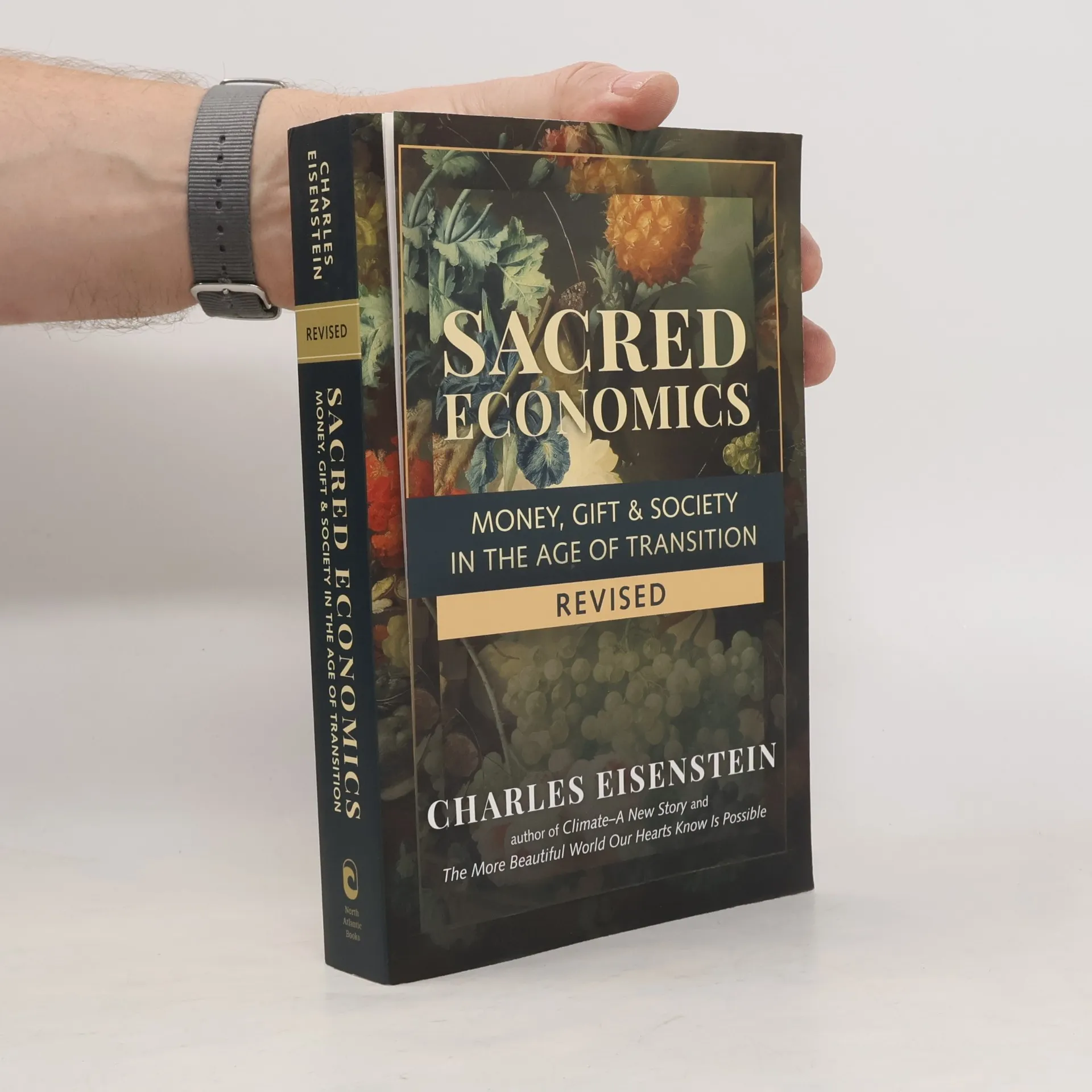
    Sacred Economics
    • Sacred Economics

      • 496bladzijden
      • 18 uur lezen

      Expanded and updated, Charles Eisenstein's classic treatise on capitalism, currency, and the gift economy. This revised version traces the history of money, from ancient gift economies to modern capitalism, and includes new material on cryptocurrencies and emerging research that has come out since the book's original publication. Charles Eisenstein shows how capitalism contributes to alienation, competition, and scarcity; destroys community; and necessitates endless growth at the cost of social and environmental devastation. Today, these trends have reached their extreme--and their collapse presents a golden opportunity to transition to a more connected, ecological, and sustainable way of being. Eisenstein describes the deeper narratives beneath our economic system, and how we can reimagine it to align with a new story. Applying a broadly integrated synthesis of theory, policy, and practice, he explores avant-garde concepts of the New Economics, including negative-interest currencies, local economies, gift economics, cryptocurrencies, and the restoration of the commons. Tapping into a rich lineage of conventional and unconventional economic thought, Eisenstein presents a vision that is original yet commonsense, radical yet gentle, and increasingly relevant as the crises of our civilization deepen.

      Sacred Economics
      4,2
    • The author of Punished by Rewards and The Schools Our Children Deserve returns with a provocative challenge to the conventional ways of raising children. Kohn argues that all children have the need to be loved unconditionally, yet conventional approaches to parenting, such as punishment and reward, teach children that they are loved only when they please and impress parents. Kohn cites powerful research detailing the damage this can cause. Unconditional Parenting pushes parents to question their ideas of parenting and offers practical solutions to problems.

      Unconditional parenting : moving from rewards and punishments to love and reason
      4,2
    • Identiteit

      waardigheid, ressentiment en identiteitspolitiek

      • 267bladzijden
      • 10 uur lezen

      Fukuyama, de schrijver van het wereldwijd beroemde boek "Het einde van de geschiedenis', bekijkt in zijn nieuwe boek "Identiteit' het electorale succes van populisten. Dit succes wordt vaak verklaard vanuit economische motieven, maar komt in feite voort uit een behoefte aan identiteit. In "Het einde van de geschiedenis' schreef Fukuyama al dat mensen hechten aan erkenning van hun waardigheid. Nu verklaart hij vanuit dit begrip het huidige tijdsgewricht. Voorheen streefde de liberale democratie naar universele erkenning van burgerschap met onvervreemdbare rechten. Nu heeft identiteitspolitiek op basis van religie, ras, etniciteit of gender de overhand. De opleving van de gepolitiseerde islam, identiteitspolitiek gericht op etnische minderheden, activisme op universiteiten en het anti-immigranten-populisme zijn daar voorbeelden van. De behoefte aan identiteit kan niet zomaar opzij worden gezet. Daarom moet zij ingevuld worden op een manier die de democratie ondersteunt in plaats van ondermijnt. Identiteit is een noodzakelijk boek – een ernstige waarschuwing dat we onszelf veroordelen tot voortdurend conflict, tenzij we een universele invulling aan menselijke waardigheid geven.

      Identiteit
      3,9