

Bookbot

I. hsan Oktay Anar

    Deze Turkse auteur duikt in de diepten van de filosofie en verkent de ingewikkelde verbanden tussen geschiedenis en fictie. Zijn werken, nauwgezet onderzocht en dicht informatief, weven grote verhalen uit talloze kleine verhalen. Stilistisch is zijn proza rijk aan allusies, wat een empirische lezer cultiveert die zowel onderlegd als door de tekst geboeid is. Op deze manier creëert de auteur zijn eigen veeleisende publiek.

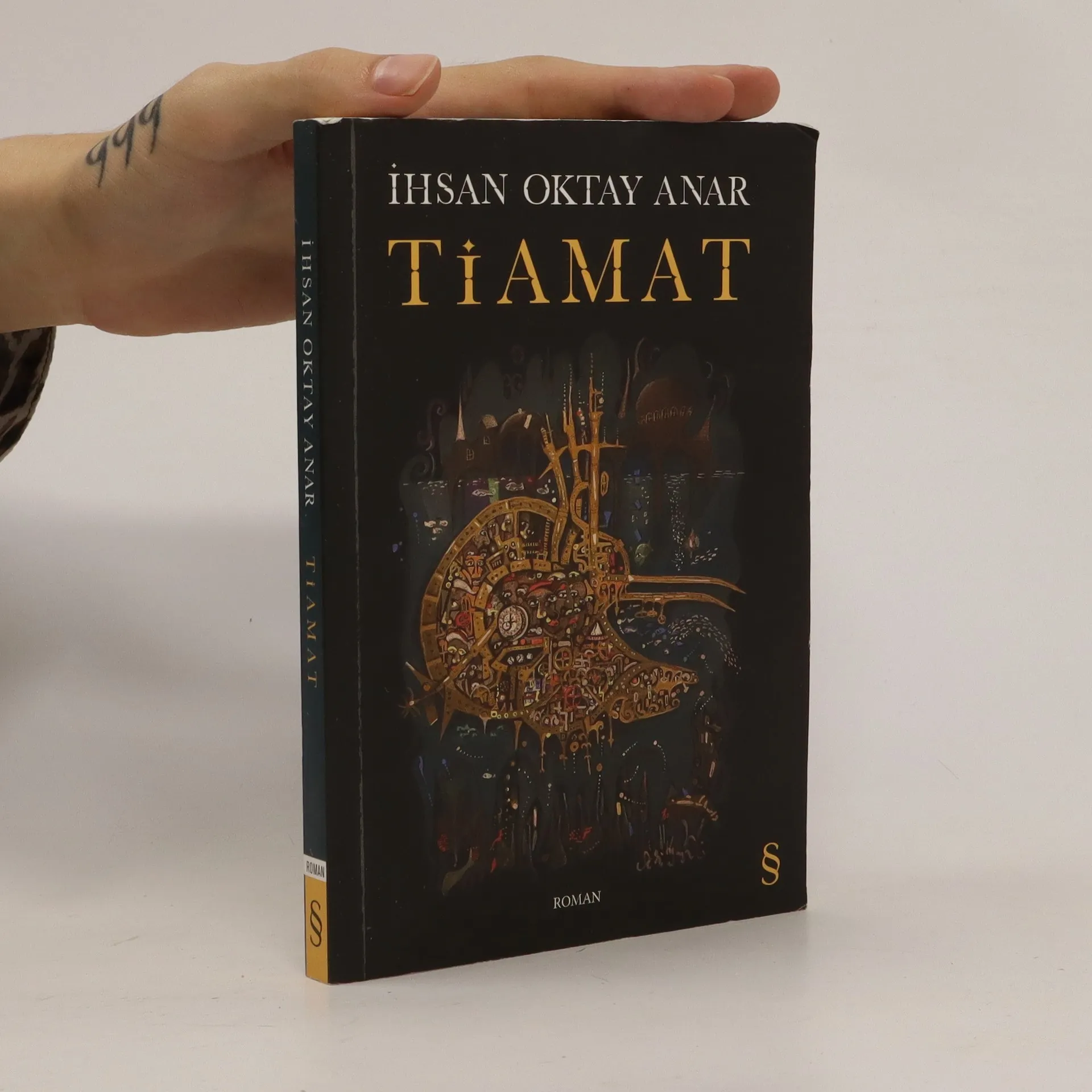
    Tiamat
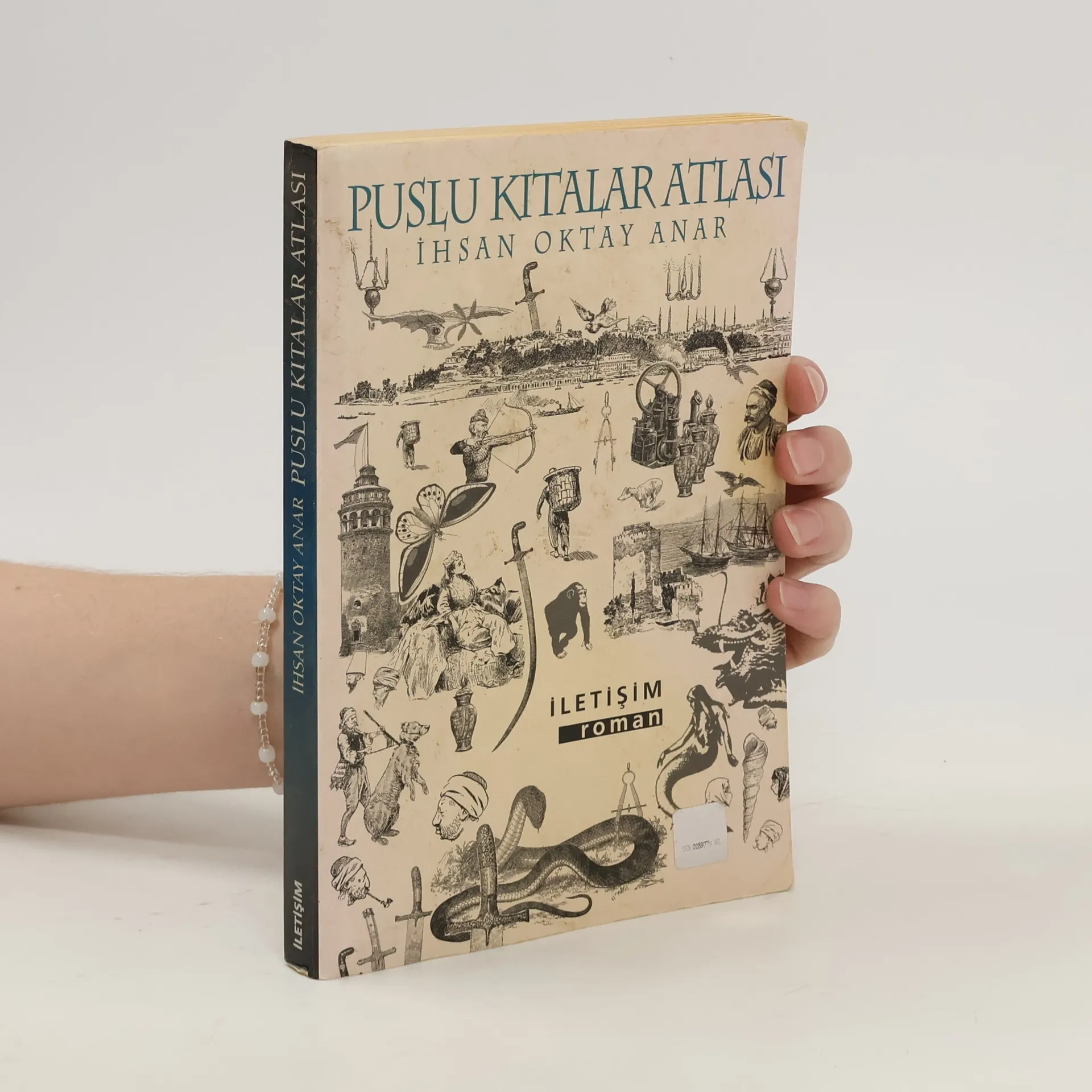
    Puslu Kitalar Atlasi
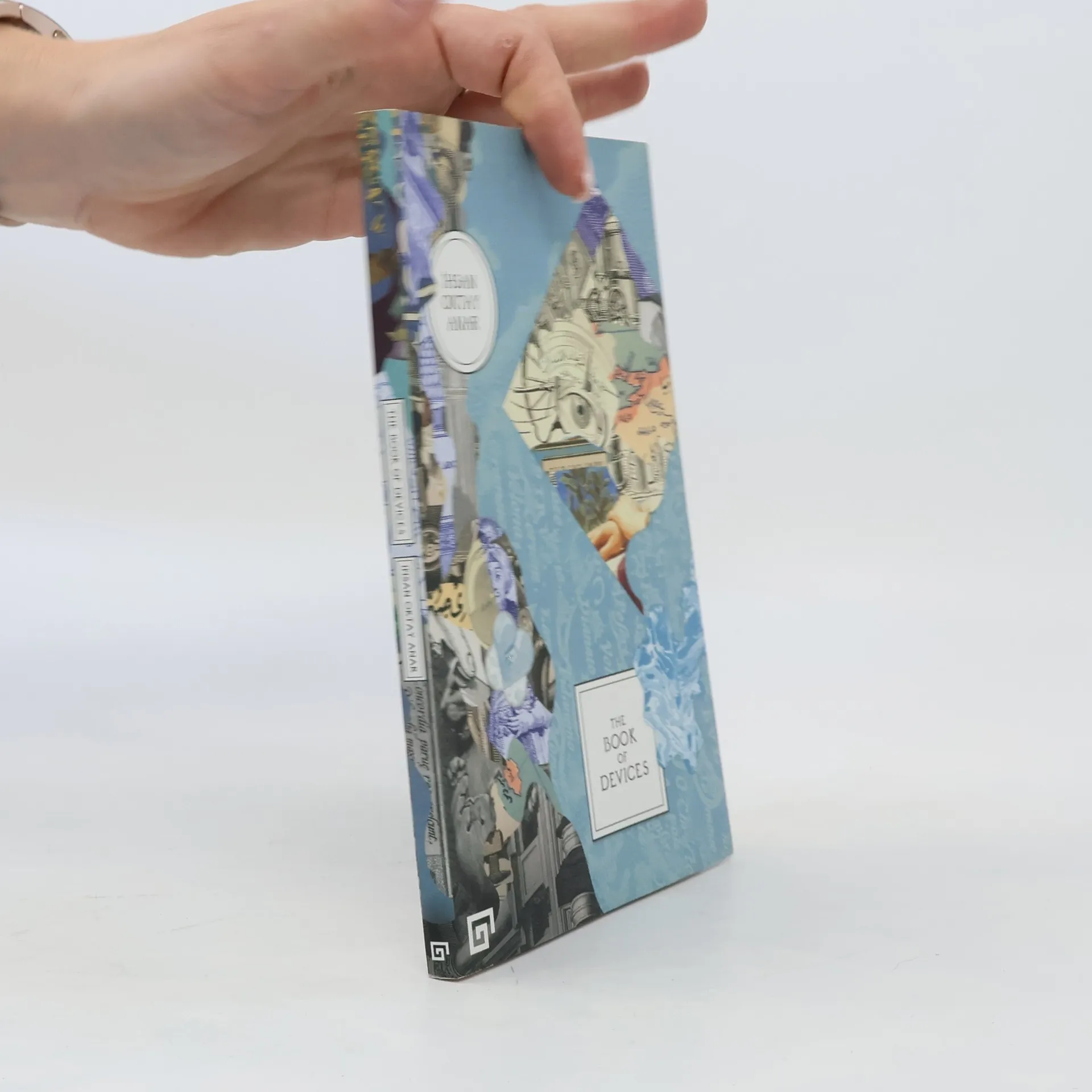
    The Book of Devices
    • The Book of Devices

      • 137bladzijden
      • 5 uur lezen

      "He had sought to be the agent of all forces and actions on the Earth, and thus, just as he had transformed iron ingot into a music box, so had he strived to transform the Earth and all it contained into a machine." Ihsan Oktay Anar's 1996 novella, "The Book of Devices," is a skeleton key to the ever-inventive author's fictional world set in the Ottoman times. Here are the wonderful histories of the triumphs and tribulations of three Ottoman inventors, "as reported by the narrators of events and relators of traditions." By turns humorous and touching, these interlinked stories are nutshells of vividly imagined past. While we follow Yafes Chelebi and his two successors in their search for the secret of the perpetual motion, the crumbling empire undergoes drastic changes in the background and the city of their dreams, Istanbul, witnesses coup d''tats, Westernizing reforms, and the advent of technological innovation. Written in a unique idiom that is both a tender mimicry and witty parody of the Ottoman bureaucratic prose, The Book of Devices is Anar at his imaginative best. One cannot help but wonder how a twenty-first-century author can dwell in the past with such ease and come back to the present, as in a Borgesian parable, with a cabinet of dreamy curiosities.

      The Book of Devices
      4,1
    • Puslu Kitalar Atlasi

      • 238bladzijden
      • 9 uur lezen

      Yeniçeriler kapıyı zorlarken Uzun İhsan Efendi hâlâ malûm konuyu düşünüyor, fakat işin içinden bir türlü çıkamıyordu…“Rendekâr doğru mu söylüyor? Düşünüyorum, öyleyse varım. Oldukça makûl. Fakat bundan tam tersi bir sonuç, varolmadığım, bir düş olduğum sonucu da çıkar: Düşünen bir adamı düşünüyorum. Düşündüğümü bildiğim için, ben varım. Düşündüğünü bildiğim için, düşlediğim bu adamın da varolduğunu biliyorum. Böylece o da benim kadar gerçek oluyor. Bundan sonrası çok daha hüzünlü bir sonuca varıyor. Düşündüğünü düşündüğüm bu adamın beni düşlediğini düşlüyorum. Öylese gerçek olan biri beni düşlüyor. O gerçek, ben ise bir düş oluyorum.”Kapı kırıldığında Uzun İhsan Efendi kitabı kapadı. Az sonra başına geleceklere aldırmadan kafasından şunları geçirdi:“Dünya bir düştür. Evet, dünya... Ah! Evet, dünya bir masaldır.”

      Puslu Kitalar Atlasi
      4,5
    • Tiamat

      • 160bladzijden
      • 6 uur lezen
      Tiamat
      3,6