Der Trost der Dinge
Münchner Ausgabe


Orhan Pamuk wordt gevierd als een verteller van Istanbul, een stad die zijn vroege schrijven vormde en zijn latere autobiografische essays inspireerde. Zijn werk duikt vaak in complexe thema's als identiteit, de kruising van westerse en oosterse culturen, en culturele botsingen, allemaal verweven door meeslepende verhalen. Pamuks stijl valt op door zijn experimentele aard, diepe karakterpsychologie en meesterlijke weergave van Turkije's verleden en heden. Zijn literaire betekenis ligt in zijn vermogen om persoonlijke ervaringen te verbinden met universele menselijke waarheden, en lezers een uniek perspectief te bieden op de complexiteit van het moderne leven.

Münchner Ausgabe
Orhan Pamuk's reflections span fourteen years, blending his daily thoughts with personal illustrations. This collection reveals his journeys, family influences, and the intricacies of his bond with Turkey, offering insights into the inspirations behind his novels. Alongside his writings, vibrant paintings showcase the landscapes that fuel his creativity. This volume serves as a captivating exploration of Pamuk's inner world, inviting readers to engage with the art, culture, and political nuances that have influenced his literary voice.
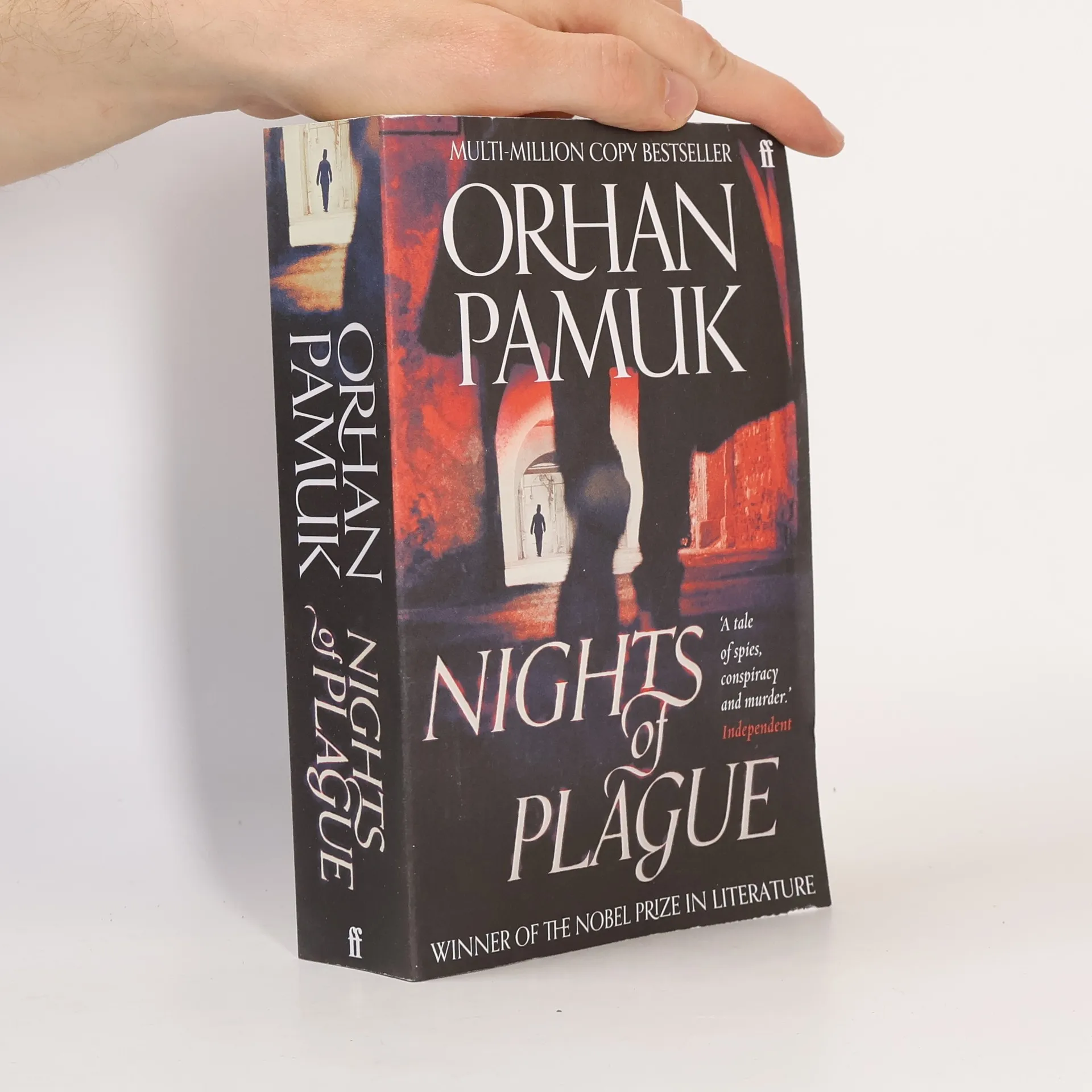
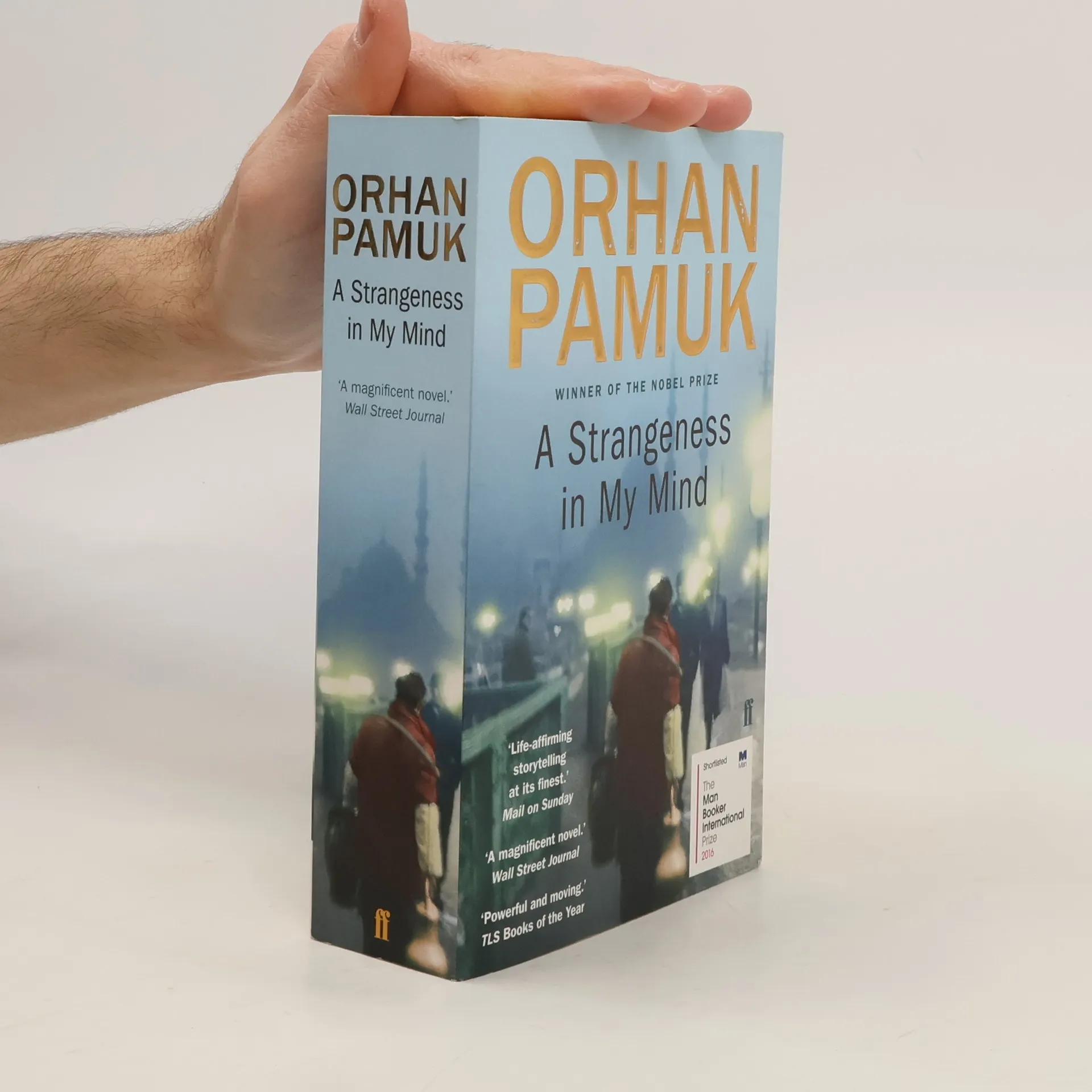
A new novel by a Nobel Prize-winning author blends detective elements with a historical epic, set against the backdrop of a fictional island in the Ottoman Empire during April 1900. On Mingeria, located in the eastern Mediterranean, tensions run high between the Muslim and Orthodox Greek populations. The arrival of a plague—possibly brought by returning Muslim pilgrims or merchant ships—ignites chaos. To combat the outbreak, Sultan Abdul Hamid II dispatches his top quarantine expert, an Orthodox Christian. However, resistance from some Muslims, including followers of a prominent religious leader, undermines the quarantine efforts, leading to the expert's murder. As the plague spreads, the sultan sends a second doctor, this time a Muslim, and enforces strict measures. Yet, local governance failures and public defiance result in the quarantine's collapse, causing the death toll to rise. With the threat of the plague reaching Istanbul, the sultan succumbs to international pressure, allowing a blockade of the island. Left to fend for themselves, the people of Mingeria must confront the epidemic. This gripping tale, rich in historical detail and suspense, resonates with contemporary themes despite its setting over a century ago.
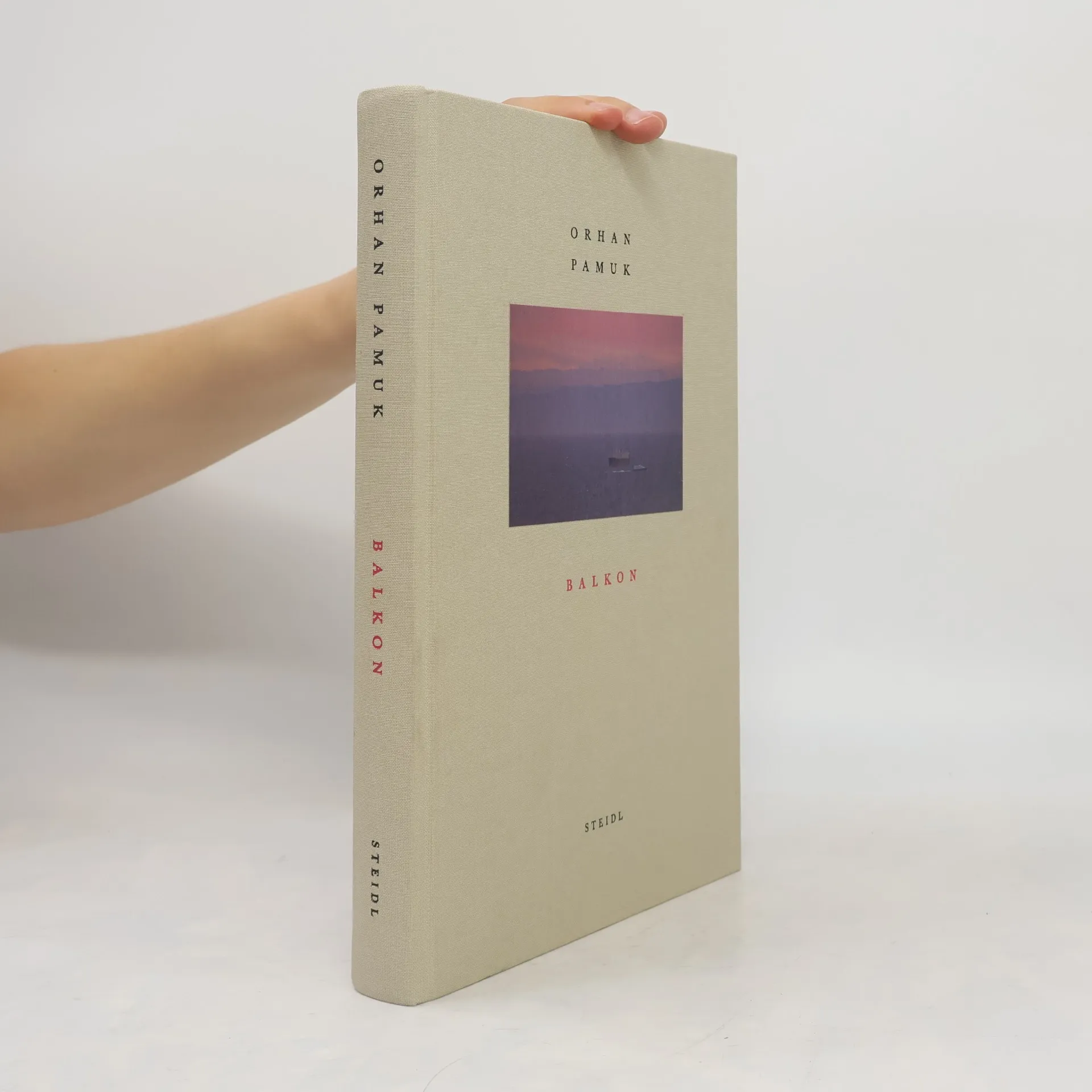
Orhan Pamuk, der Literaturnobelpreisträger, ist nicht nur ein Romanautor, sondern auch ein leidenschaftlicher Fotograf. Schon in seiner Jugend hielt er mit großer Hingabe die Schönheit seiner Heimatstadt Istanbul fest, insbesondere den Blick auf den Bosporus und die unterschiedlichen Stadtteile. In den Wintermonaten 2016/17 kehrte Pamuk zur Fotografie zurück und schuf dabei 8.500 Farbfotografien von seinem Balkon in Cihangir. Oft verließ er seinen Schreibtisch nur, um den Bewegungen der Boote und den Veränderungen der Landschaft zu folgen. Diese fotografischen Arbeiten entstanden aus dem Bedürfnis heraus, flüchtige Momente festzuhalten. Mit jeder aufgenommenen Szene stellte sich eine melancholische Stimmung ein, die ihn mit Fragen konfrontierte: Warum mache ich diese Bilder? Wie verknüpfen sich Sehen und Fotografieren? Was fasziniert uns an der Darstellung von Landschaften in Fotografie und Natur? In seiner einführenden Reflexion bietet Pamuk einen tiefsinnigen und intimen Einblick in seine Gedanken und die Kunst des Fotografierens. Die Sammlung präsentiert 486 dieser eindrucksvollen Landschafts- und Seelenbilder, die die einzigartige Perspektive des Nobelpreisträgers widerspiegeln.
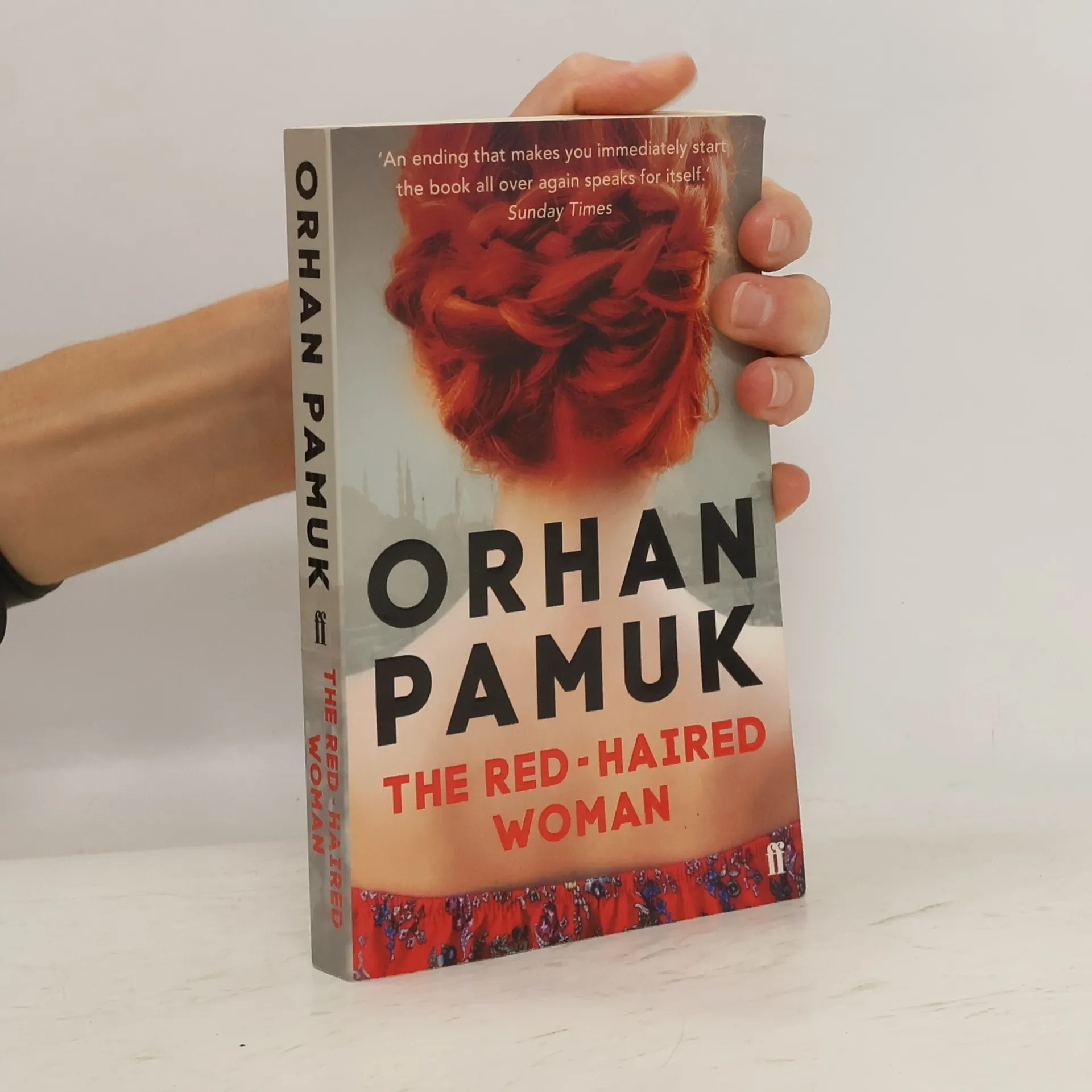
On the outskirts of a town thirty miles from Istanbul, a master well-digger and his young apprentice are hired to find water on a barren plain. As they struggle in the summer heat, excavating metre by metre, the two will develop a father-son bond that neither has known before. But in the nearby town, where they spend their evenings, the boy will find an irresistible diversion. The Red-Haired Woman, an alluring member of a travelling theatre group, catches his eye, and she seems as fascinated by him as he is by her. But in his distraction a horrible accident occurs, and he will spend his life unaware of the outcome, or who the Red-Haired Woman was, until many years later.
Publikace, jež vyšla k 220. výročí založení Společnosti vlasteneckých přátel umění, předchůdkyně Národní galerie v Praze, je souborem esejů představujících jakousi autobiografii Národní galerie v Praze, jejíž existence je mimo jiné založená na aktu velkorysých gest dávání a sdílení. Eseje vzdávají hold otcům zakladatelům, jednotlivým donátorům a institucím, umělcům a sběratelům, kteří galerijním sbírkám poskytli ničím nepodmíněný dar či dočasnou výpůjčku, provedli směnu nebo galerijním sbírkám – od starých mistrů přes grafiku a kresbu, umění Asie a Afriky až po umění 19. století a moderní a současné umění včetně architektury – a návštěvníkům prospěli jakýmkoli jiným způsobem. Kniha zahrnuje také texty věnované historii sběratelství a formativní roli štědrosti a velkorysosti v procesu vzniku sbírkových institucí. Komplexní obrázek dokreslují výňatky z filozofických, literárních a básnických děl, které problematiku velkorysosti zasazují do širších ideových souvislostí.
At a family wedding Mevlut catches sight of a girl with whom he falls in love. After a secret courtship of letters passed via his cousin, she agrees to elope with him, and on a dark night the two come together for the first time. As they rush to catch a train to Istanbul, Mevlut realises he has been misled. But the die is cast, and the situation will determine the rest of his days. Over the next four decades in Istanbul, Mevlut works various jobs to support his loving wife and family; work that gives him a special perspective on his rapidly changing city and the people who live there. And every evening he walks the streets, selling his wares and dreaming his dreams.
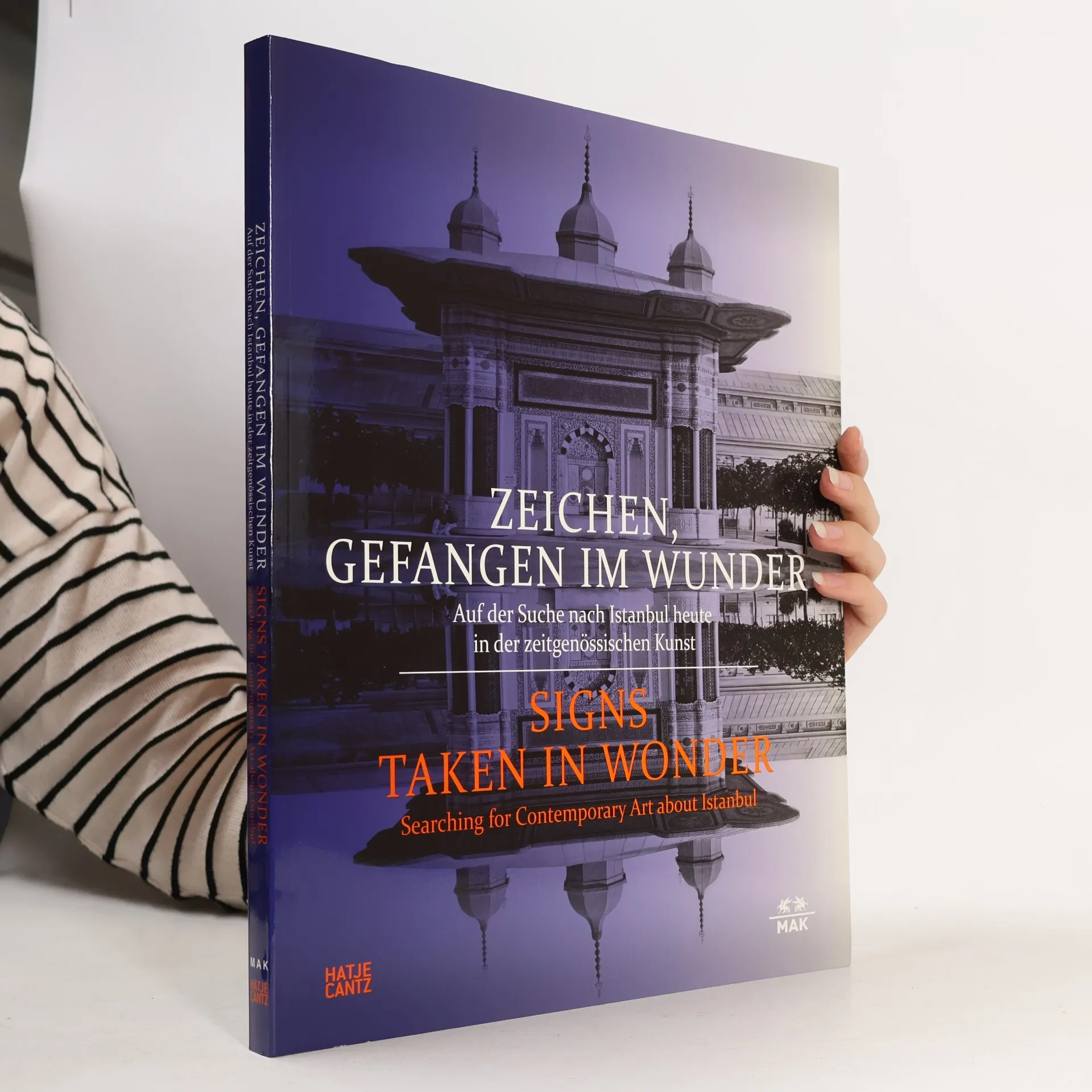
Auf der Suche nach Istanbul heute in der zeitgenössischen Kunst / Searching for Contemporary Art about Istanbul
Der Band kreist um den Augenblick des Wunders und des Erstaunens während der Entdeckung einer Stadt, ihrer Kunst und Kultur. Im Zentrum der Betrachtung stehen dabei Aspekte der Narration in der aktuellen zeitgenössischen künstlerischen Produktion Istanbuls und zwar in Literatur wie bildender Kunst. Die angebotenen Essays und Kunstwerke reflektieren die kulturelle Verortung der Stadt innerhalb der internationalen Gegenwartskunst und nähern sich den großen Themenkomplexen Innenschau, Weltkonstruktion und Wahrnehmung von den unterschiedlichsten Positionen aus. Künstler und Künstlerinnen aus drei Generationen skizzieren anhand zahlreicher Einzelprojekte persönliche und visionäre Erzählungen, die ihre weitreichenden äußeren und inneren Wandlungsprozesse dokumentieren. Die präsentierten Künstler (Auswahl): Hamra Abbas, Murat Akagündüz, Yesim Akdeniz, Eylem Aladogan, Meriç Algün Ringborg , Hüseyin Bahri Alptekin, Halil Altindere, Kutlug Ataman, CANAN, Asli Çavusoglu, Cengiz Çekil, Banu Çennetoglu, Mutlu Çerkez, Antonio Costantino, Canan Dagdelen, Lukas Duwenhögger, Erdem Ergaz, Cevdet Erek, Murat Gök, Nilbar Güres, Sibel Horada, Emre Hüner, Aki Nagasaka, Marcel Odenbach, Ahmet Ögüt, Füsun Onur, Mario Rizzi, Nasra Simmes, Günes Terkol, Erdem Tasdelen, Cengiz Tekin, Irem Tok, Uygur Yilmaz Ausstellung: MAK, Wien 23.1.–21.4.2013
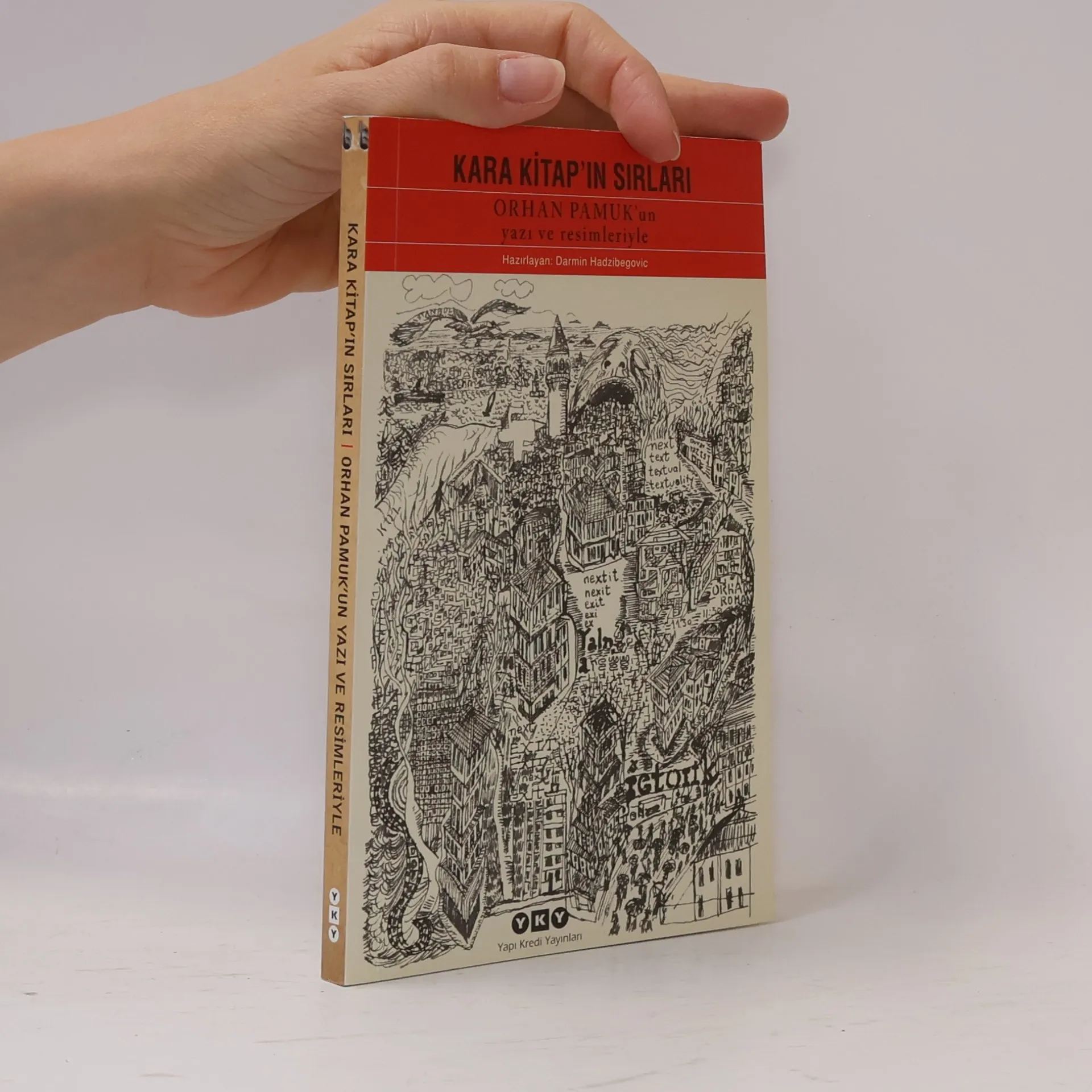
"Hayatının romanını yazacaksın." Türk Edebiyatı'nın en tuhaf, en değişik ve en özgün eserlerinden biri olan Kara Kitap'ı yazmaya hazırlanırken, böyle seslenmişti kendisine defterlerinde Orhan Pamuk; tarih, Eylül 1985'ti... Peki 1990'da yayınlanan bu "ele gelmez" metnin ne kadarı yazarın yaşamından, ne kadarı hayal gücünden, ne kadarı başka düşüncelerden ve etkilerden oluşuyordu? Kara Kitap'ın Sırları, okuyucuyu bu labirentlerle örülü "mutfağına" götürüyor: Pamuk'un atölyesinde ağırlanan okur, romanın otobiyografik ve etki kaynaklarını yakından tanıyor, yazarın "romancılık sırları"na ortak oluyor.
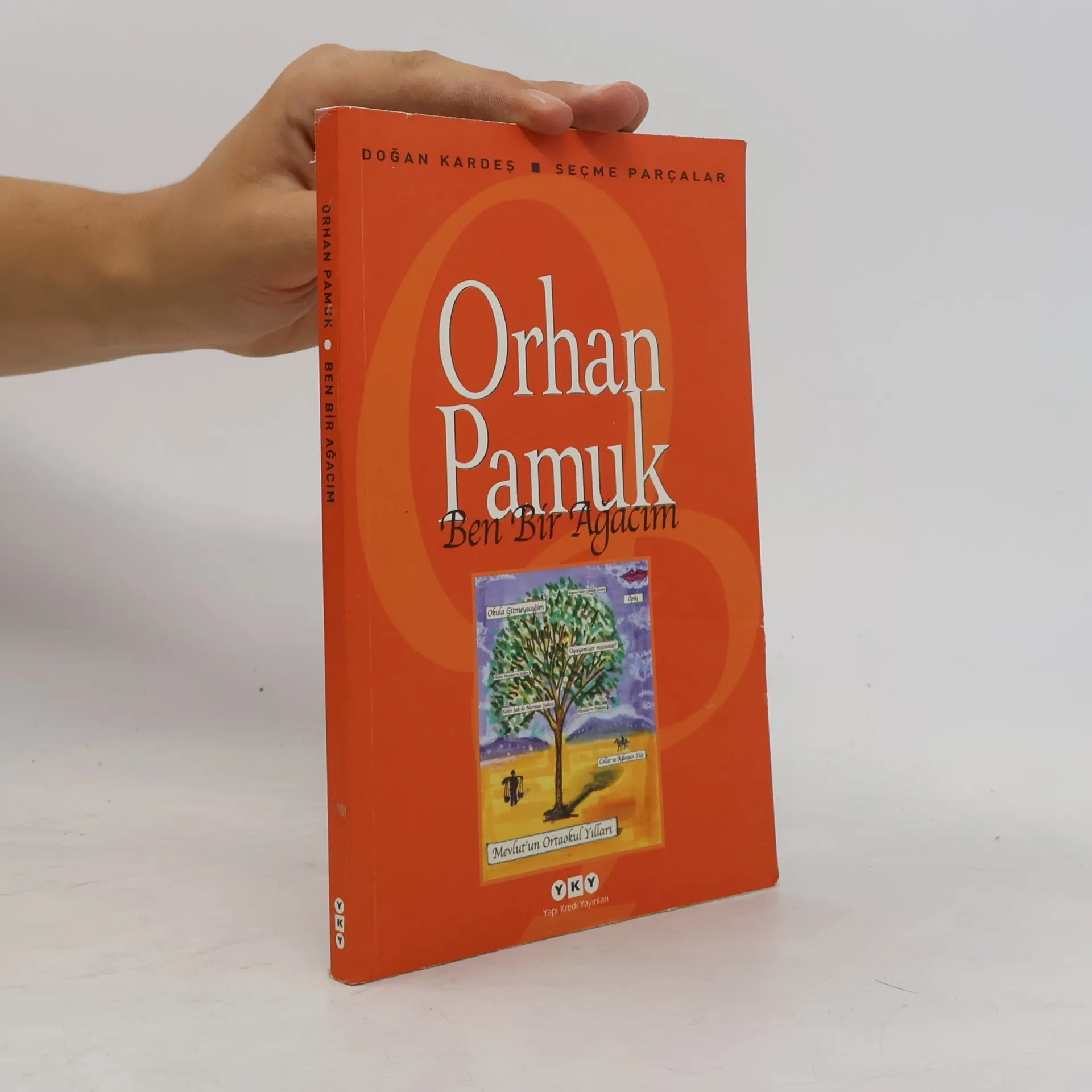
Herkes için Orhan Pamuk "Bu kitapta, şimdiye kadar yazdığım sayfalardan, en kolay anlaşılabilir ve en güçlü olanları seçmeye çalıştım." Çocukluk ve okul hikâyeleri ve tarihten sayfalar Orhan Pamuk, diğer kitaplarından bu parçaları kitaba alırken metinlere dokundu, eski yazılarını değiştirdi, cümleler, paragraflar ekledi, başlıklar koydu. Pamuk'un kırk yıllık yazarlık hayatının en güzel sayfalarından yapılan bu seçme hem onun yeni ve genç okurlarının, hem de yazarın eski takipçilerinin ilgisini çekecek. "Kitabın kalbinde, hakkında hayaller kurmaktan hoşlandığım iki konu var: Tarihin esrarlı yüzü ve çocukluk ve öğrencilik yıllarının hatıraları. Romanlarımda ve düzyazılarımda bu iki kaynağa hep geri döndüm. Her seferinde de iki konunun kafamda iç içe geçtiğini hissettim. Yani: Tarihin çocuksu yanı ile çocukluğun tarihsel yanı." Hiç yayımlanmamış bir hikâye Ben Bir Ağacım'da Pamuk, Osmanlı zamanının bir celladını, bir padişahın kıskançlığını anlatıyor, bir ağacı, bir resmi konuşturuyor ve kendi çocukluk, gençlik ve okul hatıralarını hikâye ediyor. Pamuk'un yeni romanı Kafamda Bir Tuhaflık'ın kahramanı Mevlut Karataş'ın ortaokul yıllarının hikâyesiyle...
Ce se intimpla cu noi, si in noi, cind citim un roman? Cum se naste acel „efect de lectura a romanului”, atit de diferit de ceea ce simti cind privesti un tablou sau citesti o poezie? In aceasta colectie de eseuri despre literatura si despre el insusi, Orhan Pamuk ne arata cum se alcatuiesc cele doua lumi – a scrisului si a cititului – si cum ajung ele sa se uneasca. „La sfirsitul lecturii, aflam mai multe despre Pamuk insusi decit despre cum scrie Pamuk. Aflam ca e genial, ca nu inceteaza sa se priveasca mereu de aproape, ca nu-l intereseaza o teorie coerenta a romanului, ci o stare a scrisului si a cititului.” (Financial Times) „Oricine se crede romancier ar trebui sa citeasca eseurile lui Pamuk – pentru ca trebuie sa invatam de la aceia care chiar se pricep.” (The Telegraph)
Im Frühjahr 2012 wurde es endlich eröffnet - Orhan Pamuks „Museum der Unschuld“. Ausgehend von seinem großen Liebesroman gleichen Titels, in dem Gegenstände aus der Alltagskultur der Türkei eine prominente Rolle spielen, wird Pamuks Sammlung nun dauerhaft in der Istanbuler Altstadt ausgestellt. Seine einzigartigen Objekte beschreibt Pamuk in diesem Buch: Durch alte Postkarten und Filmplakate, Hunderte von hinreißenden Fotografien und skurrile Gegenstände lässt der Literaturnobelpreisträger 2006 das geliebte Istanbul seiner Jugend aufleben, das in der brummenden Metropole von heute aufgegangen ist. Alle, die in die aufregende Stadt am Bosporus reisen, sollten dieses Vademecum dabeihaben: Schöner und hingebungsvoller kann eine Stadt nicht gezeigt werden.
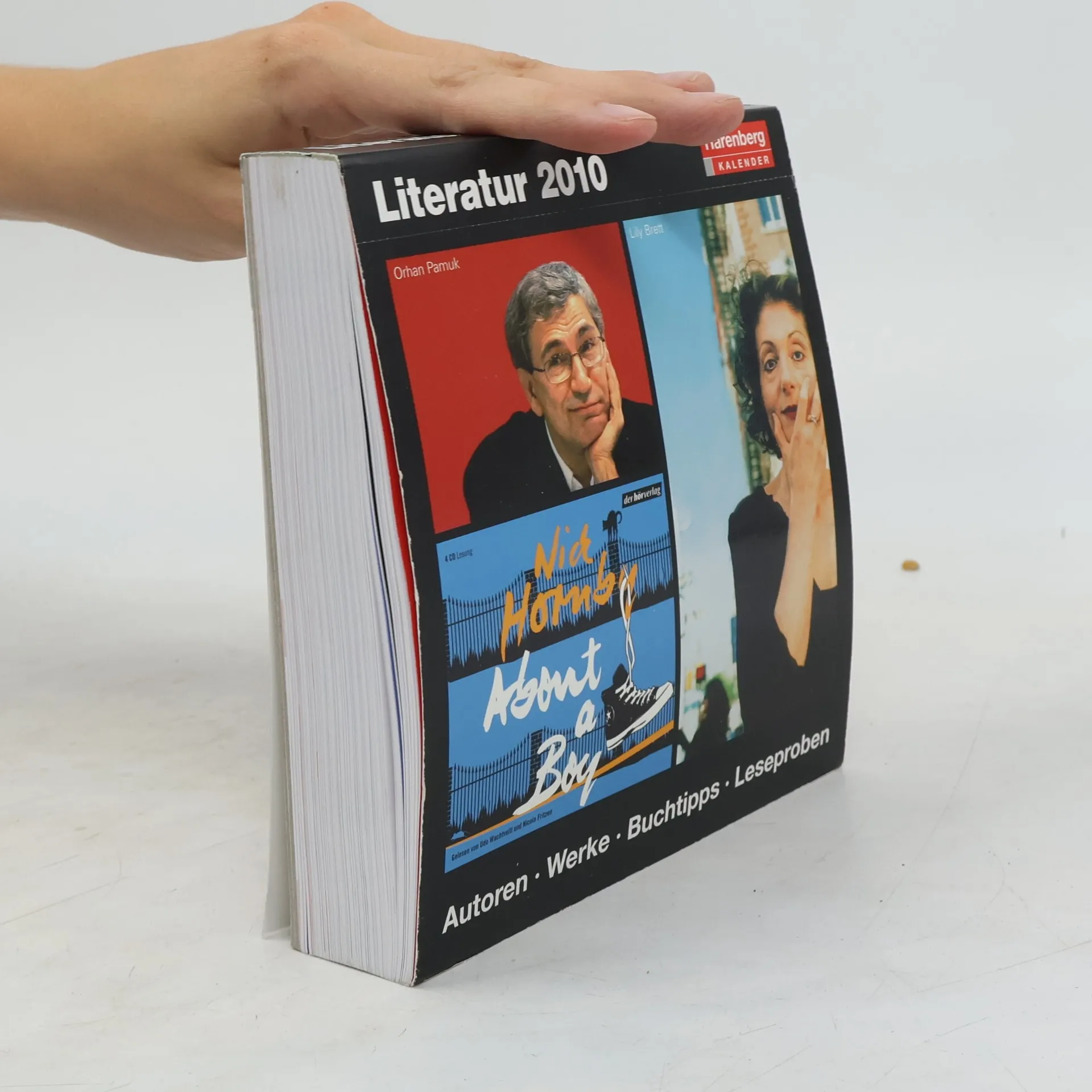
Autoren, Werke, Buchtipps, Leseproben
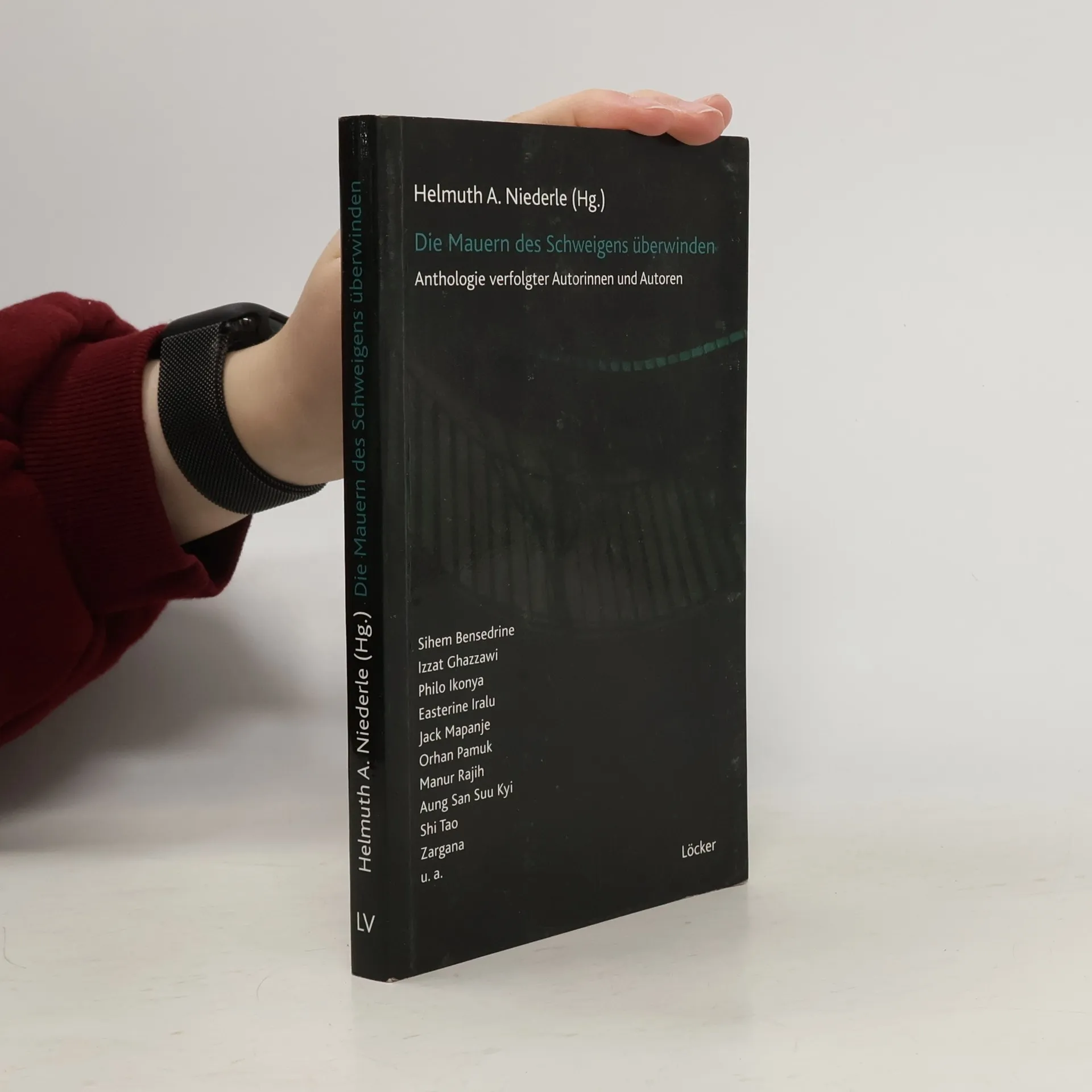
Anthologie verfolgter Autorinnen und Autoren
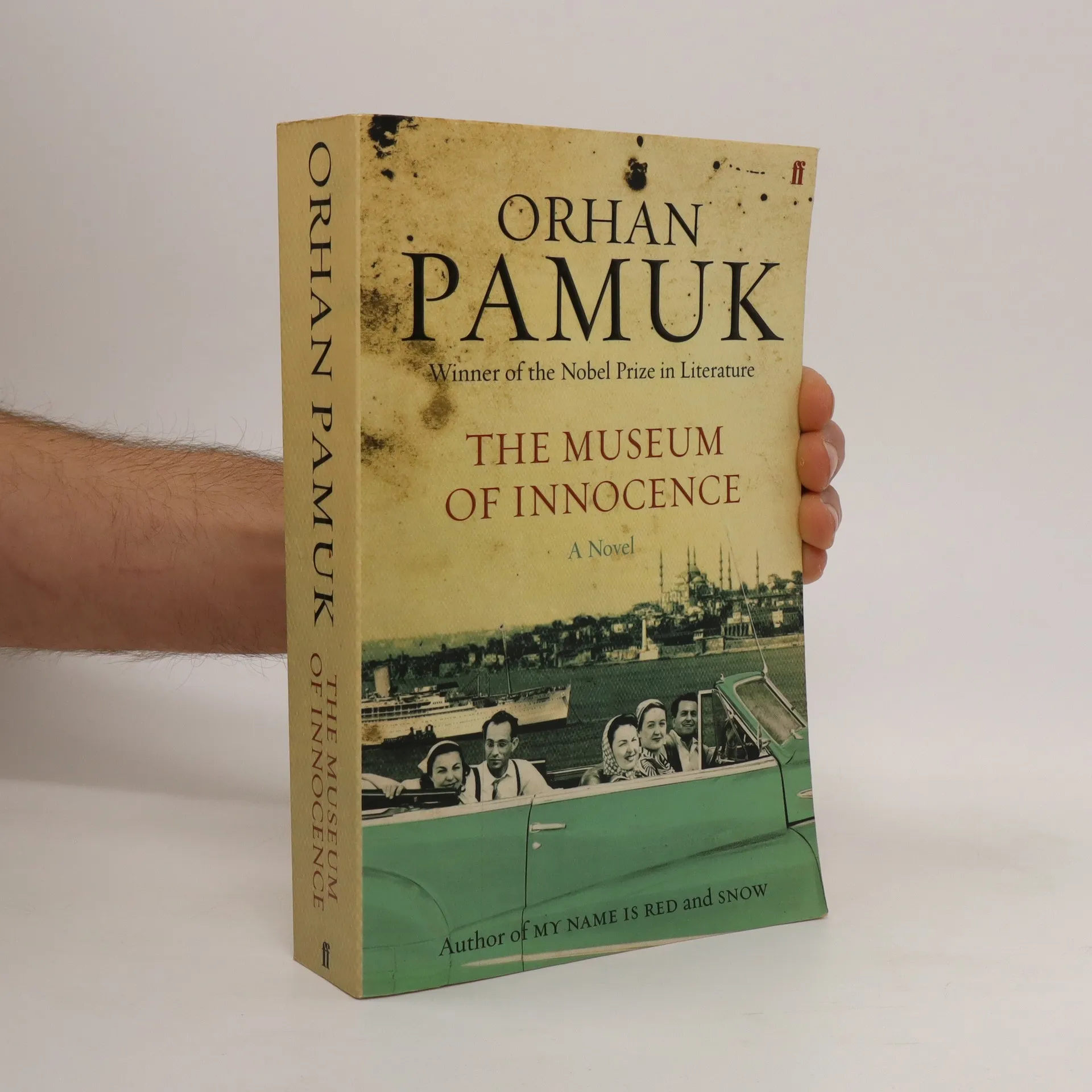
Set in Istanbul between 1975 and today, this is the story of Kemal, and of his obsessive love for a poor and distant relation, the beautiful Fusun. The novel depicts a panoramic view of life in Istanbul. Pamuk beautifully captures the identity crisis experienced by Istanbul's upper classes caught between traditional and westernised ways of being.
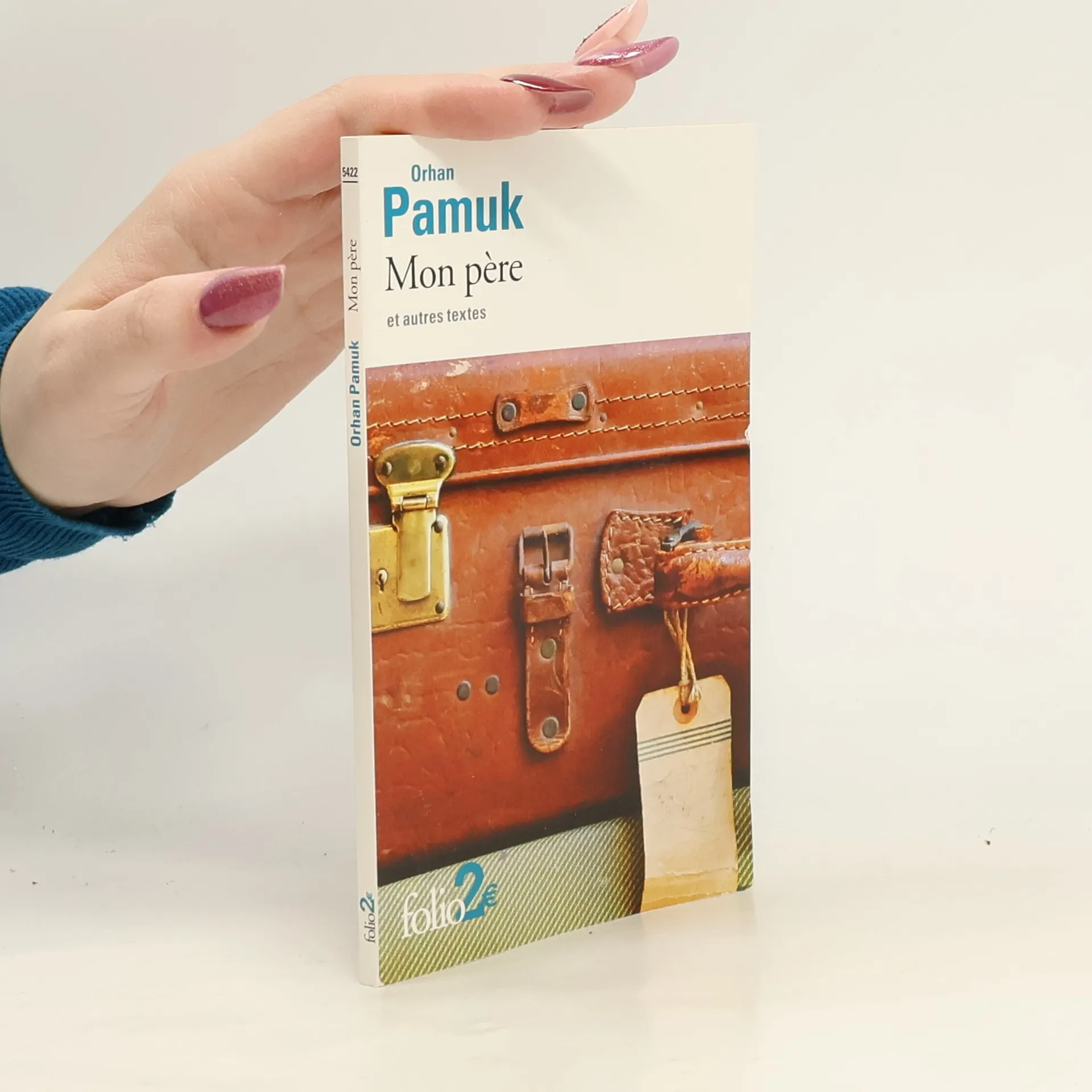
"J'aimais qu'il m'emmène au cinéma, j'aimais l'entendre parler à un tiers du film que nous avions vu ; j'aimais sa façon de se moquer des imbéciles, des gens creux et teigneux, comme j'aimais l'entendre parler d'une nouvelle variété de fruit, d'une ville qu'il avait visitée, d'un livre ou des dernières nouvelles, mais je voulais surtout qu'il me cajole et m'aime encore plus." Le grand écrivain turc Orhan Pamuk, Prix Nobel de littérature 2006, évoque dans une langue vibrante d'émotion la place de son père dans sa destinée d'homme et d'écrivain.
Čitaoci na srpskom jeziku imaju priliku da budu među prvima koji svedoče procesu stizanja do Nobelove nagrade turskog laureata. Dževdet-beg i njegovi sinovi je prvi roman Orhana Pamuka, koji je prvobitno nastao pod imenom Tama i svetlost, a objavljen je 1982. godine. Ovaj roman, nagrađen i pre objavljivanja, oslikava uticaj klasične evropske literature, poput Dostojevskog i Tolstoja. Pripada prvoj od tri faze Pamukovog pisanja: realizmu, modernizmu i postmodernizmu. Autor ga upoređuje sa Budenbrokovima Tomasa Mana, sličnim biografskim okolnostima i rezultatima. Roman predstavlja čvrstu sagas o tri generacije imućne istanbulske porodice, smeštene u vremenskom okviru od 1908. do 1971. godine, prikazujući promene turskog društva koje prihvata zapadne vrednosti, suočavajući se s krizama i dilemama. Ova porodična saga, napisana naturalistički, nudi čvrst zaplet, impresivne likove i preciznu društvenu pozadinu, pružajući široku sliku dvadesetog veka moderne Turske. Pamuk se seća trenutka kada je svom ocu predao rukopis, očekujući njegovo mišljenje, koje je bilo od velike važnosti za njega. Njegov otac je, nakon što je pročitao roman, izrazio svoje poverenje u sina, predviđajući mu buduće uspehe.
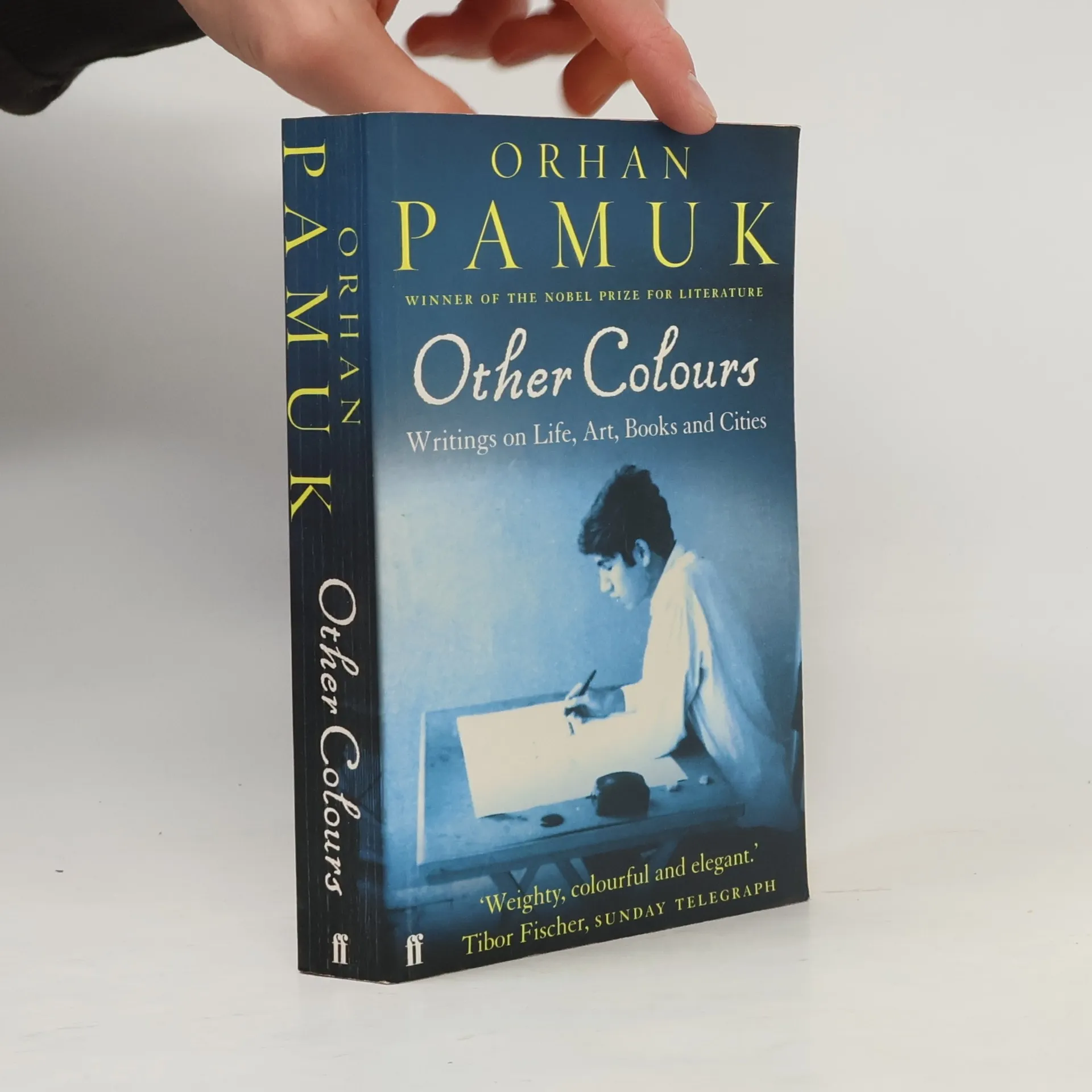
In the three decades that Nobel prize-winning author Orhan Pamuk has devoted himself to writing fiction, he has also produced scores of witty, moving, and provocative essays and articles. He engages the work of Nabokov, Kundera, Rushdie, and Vargas Llosa, among others, and he discusses his own books and writing process. We also learn how he lives, as he recounts his successful struggle to quit smoking, describes his relationship with his daughter, and reflects on the controversy he has attracted in recent years. Here is a thoughtful compilation of a brilliant novelist's best nonfiction, offering different perspectives on his lifelong obsessions with loneliness, contentment, and the books and cities that have shaped his experience.
Orhan Pamuk bu yeni kitabında, çocukluğundan başlayarak hayatından, yaşadıklarından bütün içtenliğiyle söz ediyor. Yazarın babasının ölümü, siyasi dertleri, futbol oynarken ya da romanlarını yazarken hissettikleri, tıpkı annesinin sigara böreği yapışı, yaz gecesi bir sivrisineğin hareketleri ve Boğaz gemileri hakkındaki gözlemleri gibi büyük bir manzaranın parçası olarak dikkatle işleniyor. Pamuk İstanbul’dan, Adalar’dan, New York’tan, Venedik ya da Kalküta’dan söz ederken yaptığı gibi, kendi suçluluk duygularından, rüyalarından, eski berberlerden ya da çocukluğunda sokaklarda atıştırdığı şeylerden de bütün dikkatiyle hikâyeler çıkarıyor. Konu ister Binbir Gece Masalları, ister Dostoyevski’nin romanları, ister eski ressamlar, ister Selimiye Camii olsun, Pamuk gözlemlerini, duygularını sıralarken akılda sevdiğimiz bir hikâyecinin tanıdık ve unutulmaz sesi kalıyor. Tıraş olmaktan asansöre binmeye, dünyayı çocuk gibi seyretmekten deprem endişelerimize, trafik ve dinden eski yangınlar ve yıkımlara uzanan bu kitap, Orhan Pamuk’un gözünden bakıldığında dünyanın ne kadar ilginç ve yeni olabileceğini bir kere daha kanıtlıyor.
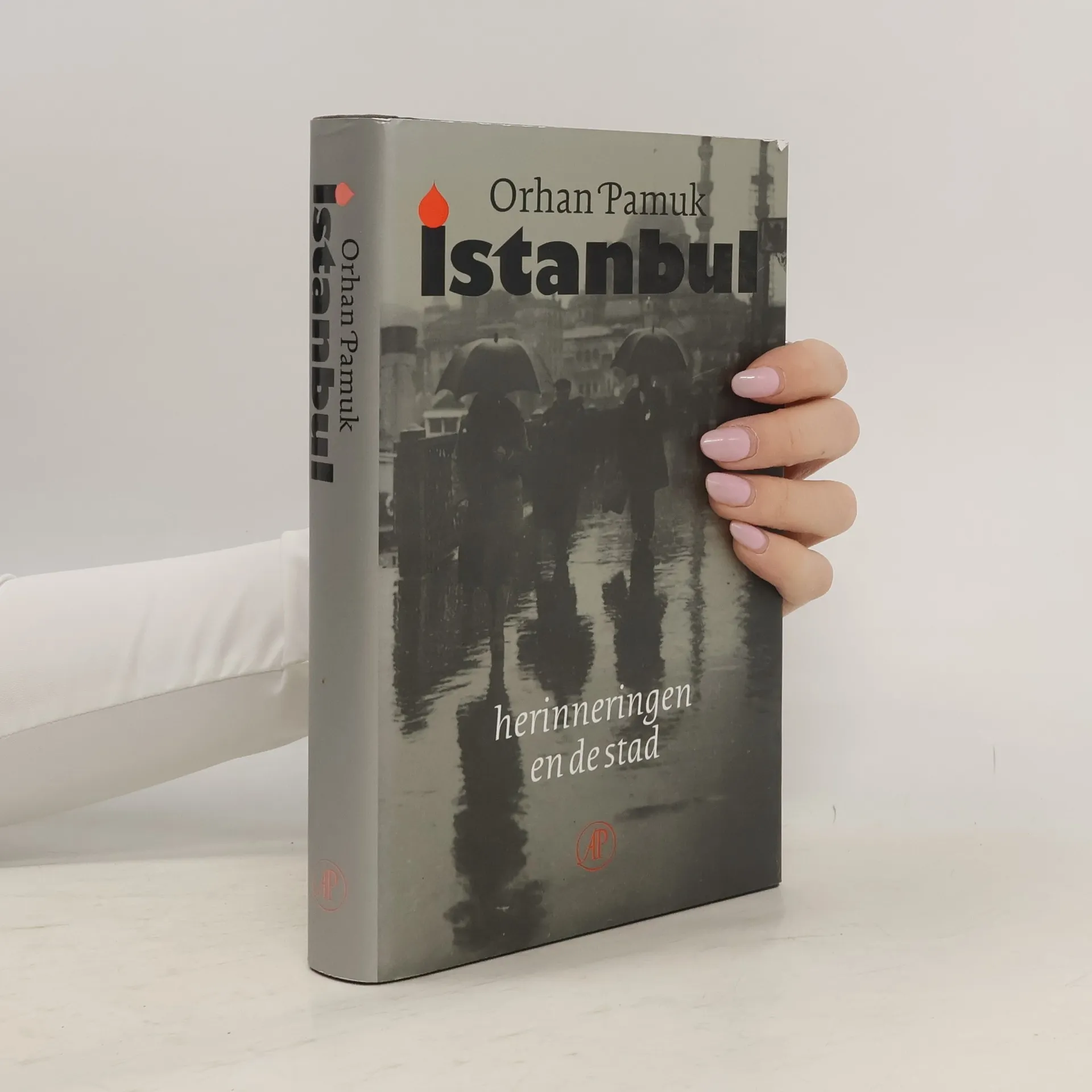
A shimmering evocation, by turns intimate and panoramic, of one of the world’s great cities, by its foremost writer. Orhan Pamuk was born in Istanbul and still lives in the family apartment building where his mother first held him in her arms. His portrait of his city is thus also a self-portrait, refracted by memory and the melancholy–or hüzün– that all Istanbullus share: the sadness that comes of living amid the ruins of a lost empire.With cinematic fluidity, Pamuk moves from his glamorous, unhappy parents to the gorgeous, decrepit mansions overlooking the Bosphorus; from the dawning of his self-consciousness to the writers and painters–both Turkish and foreign–who would shape his consciousness of his city. Like Joyce’s Dublin and Borges’ Buenos Aires, Pamuk’s Istanbul is a triumphant encounter of place and sensibility, beautifully written and immensely moving.
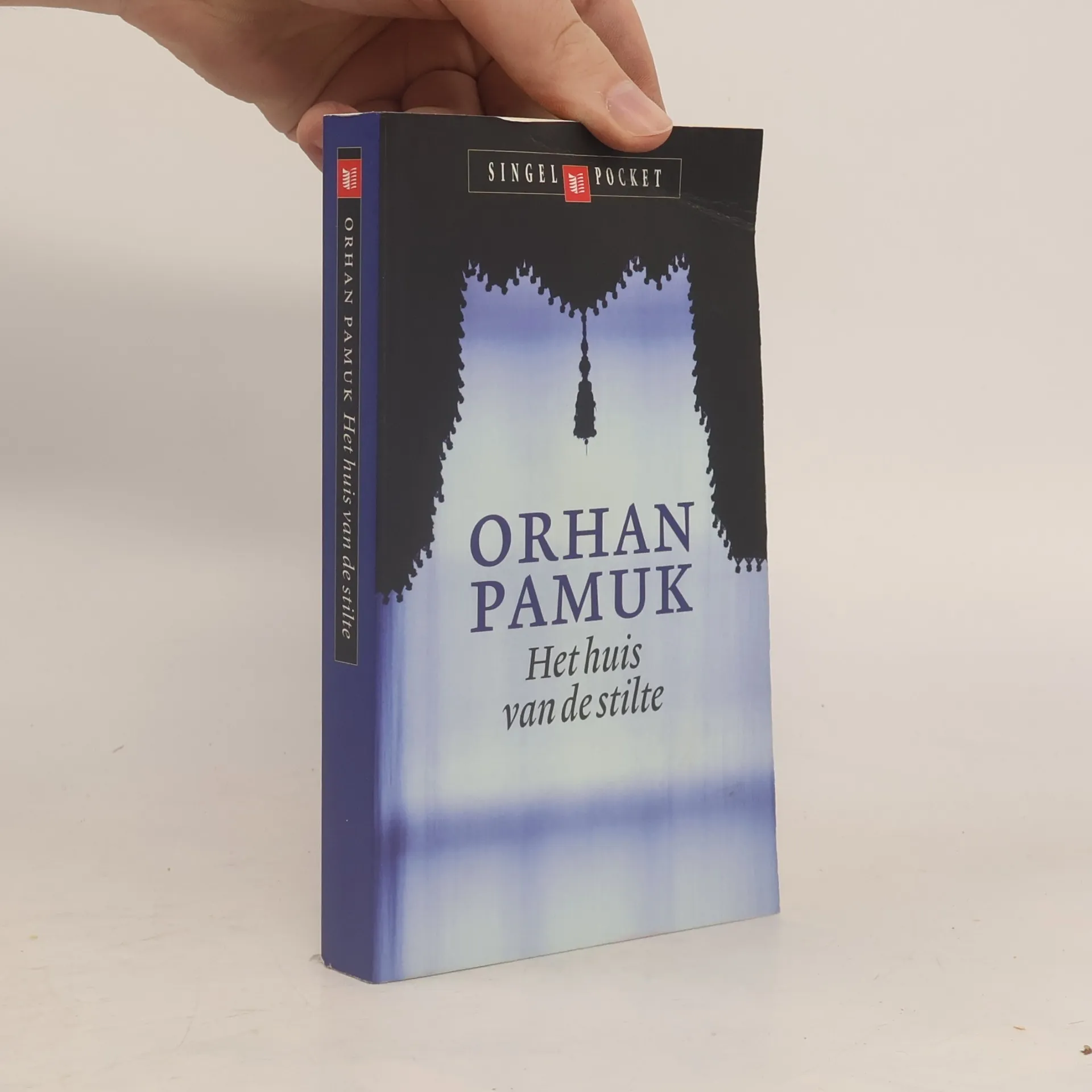
Biri tarihçi, biri devrimci, biri de zengin olmayı aklına koymuş üç torun İstanbul yakınlarındaki Cennethisar kasabasındaki babaannelerini ziyaret eder, dedelerinin yetmiş yıl önce siyaset yüzünden sürgün edildiğinde yaptırdığı evde bir hafta kalırlar. Bu sürede, babaannelerinin doksan yıllık anılarla yüklü geçmişi ağır ağır aralanırken, dedenin Doğu ile Batı arasındaki uçurumu bir çırpıda kapatacağını sandığı büyük bir ansiklopediyi yazışı hatırlanır. Evde sessiz gözlemleriyle kuşaklar arasında köprü kuran tanıklar, bahçe duvarlarının ötesinde ise aile ile ilgilenen tutkulu gençlerin hareketleri vardır. Sessiz Ev, Orhan Pamuk'un ikinci romanı. Yayımlandığında heyecanla karşılanmış, pek çok yabancı dile çevrilmiş, yurt dışında ödüller almıştı.
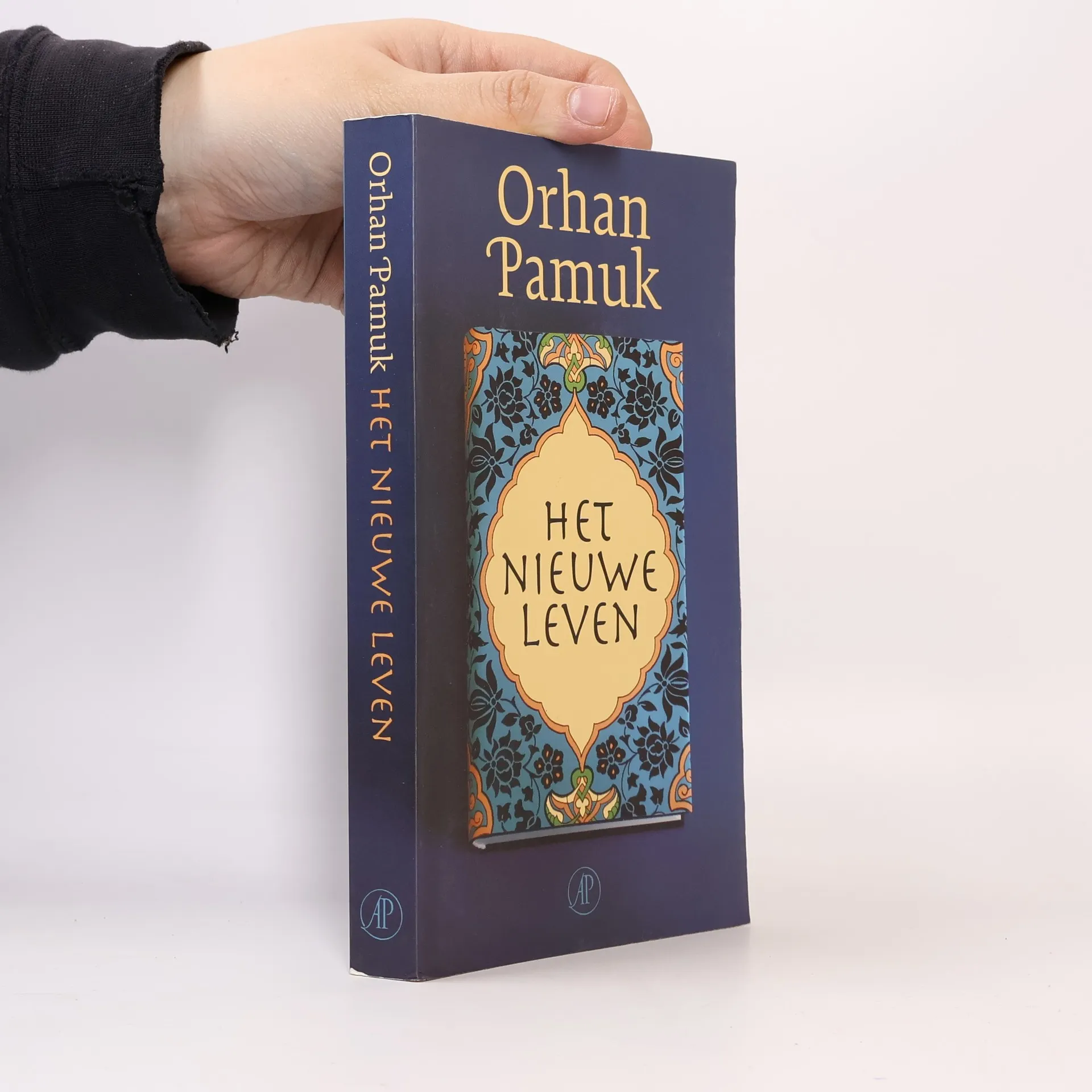
Osman, een jonge Turkse student in Istanbul, is zozeer onder de indruk geraakt van een boek dat hij in handen kreeg dat hij volledig wil opgaan in het nieuwe leven, waarvan in deze tekst sprake is. Geobserdeerd door het aan de lezer niet geopenbaarde boek raakt hij verwijderd van vrienden en medestudenten en verlaat hij tenslotte Istanbul om per bus het land in te trekkken. Zo doorkruist hij Anatolië tot in de meest afgelegen provinciestadjes in zijn zoektocht naar het nieuwe leven, de nieuwe wereld en vooral - zoals uiteindelijk blijkt - de liefde
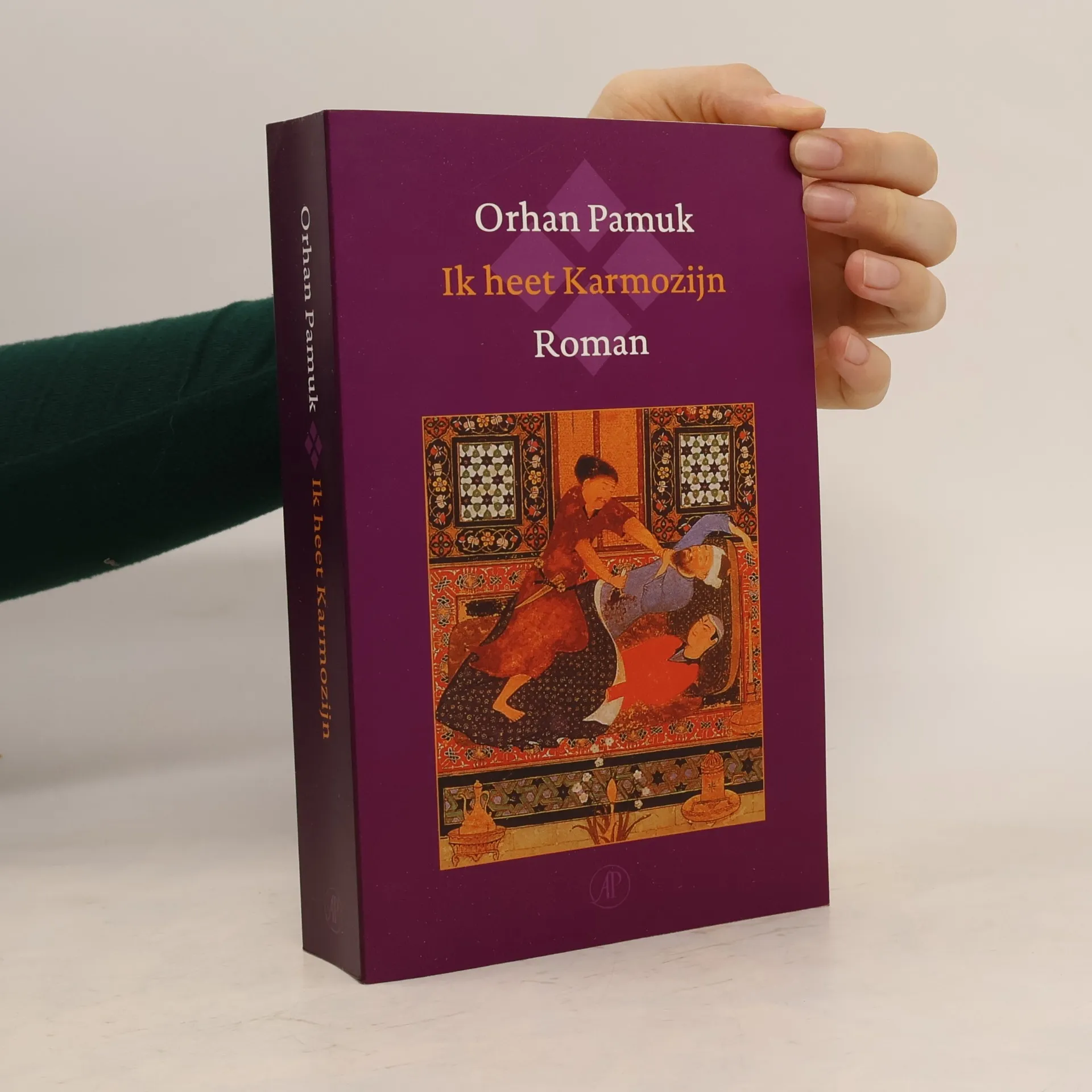
Als haar man na negen jaar nog steeds niet is teruggekeerd uit de oorlog, gaat de mooie Sjekure op zoek naar een nieuwe echtegenoot. Haar vader heeft een geheime, uiterst controversiële opdracht gekregen van de Osmaanse sultan. Meesterschilders werken samen aan een boek voor hem, onder supervisie van Sjekures vader. Ze maken hiervoor tekeningen in westerse stijl. Wanneer een van de schilders vermoord wordt, vraagt Sjekures vader zijn neef Kara om hulp. Sjekure en Kara waren als kinderen erg verliefd op elkaar, en nu krijgt deze liefde een kans weer op te bloeien.
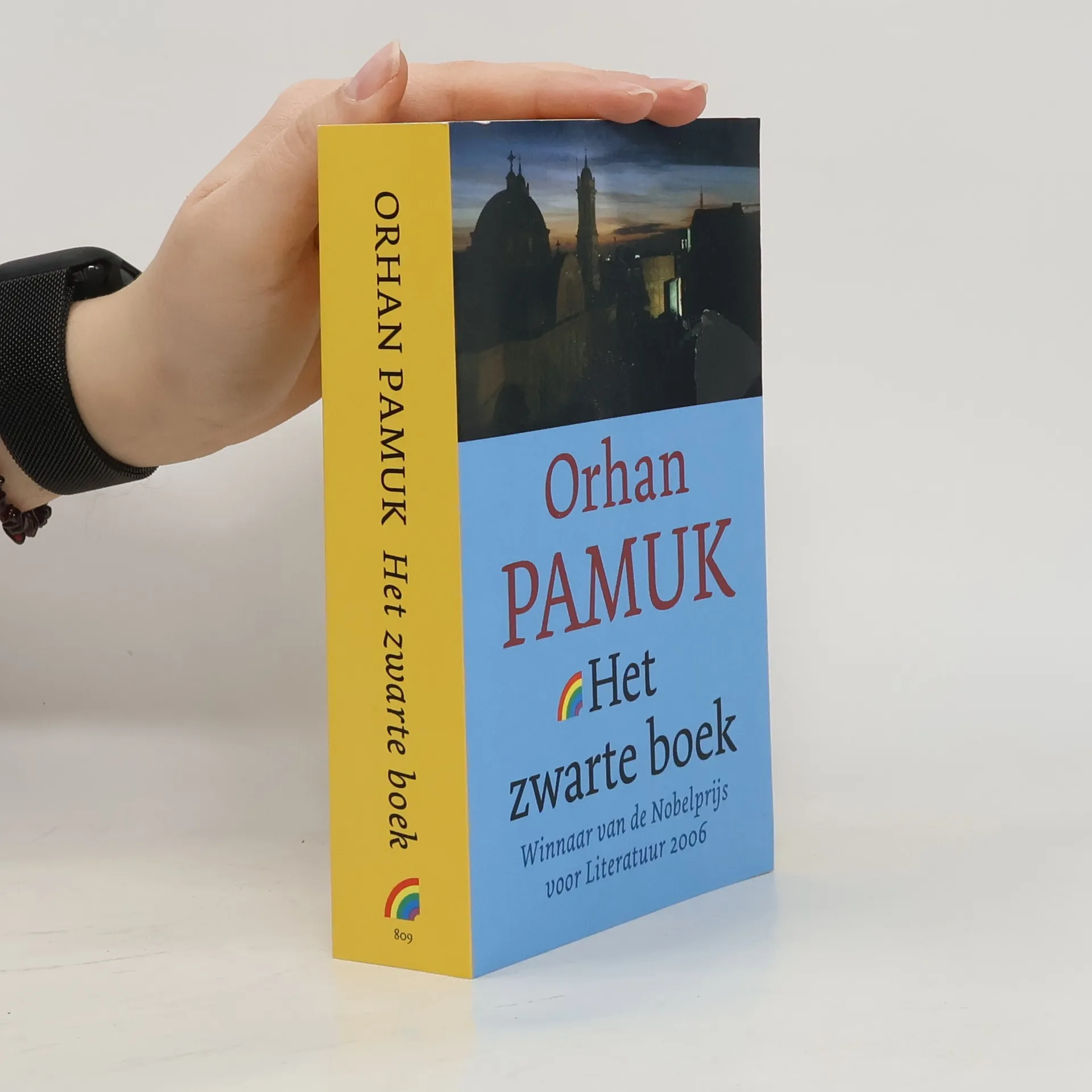
Galip, çocukluk aşkı, arkadaşı, amcasının kızı, sevgilisi ve kayıp karısı Rüya'yı karlı bir kış günü İstanbul'da aramaya başlar. Çocukluğundan beri yazılarını hayranlıkla okuduğu yakın akrabası gazeteci Celâl'in köşe yazıları, bu arayışta ona işaretler yollayacak ve eşlik edecektir. Okuyucu, bir yanda her bacası, her sokağı, her insanı başka bir esrarlı âlemin işaretine dönüşen İstanbul'da Galip'in araştırmalarını ve karşılaştığı kişileri izlerken, bir yandan da bu araştırmaları değişik işaretler ve tuhaf hikâyelerle tamamlayan Celâl'in köşe yazılarıyla karşılaşır. Eski cellatların hikâyelerinden Boğaz'ın sularının çekileceği felaket günlerine, kılık değiştiren paşalardan kültür tarihimizde kalmış esrarlı cinayetlere, karlı gecenin aşk hikâyelerinden yüzlerimizin üzerindeki anlamın sırlarına, İstanbul'un ücra ve karanlık köşelerinden gülünç ve tuhaf kişilerine, yakın tarihimizden günlük hayatımızın unutulmuş ve şaşırtıcı ayrıntılarına kadar uzanan bu araştırma Galip'i hem kayıp karısına, hem de hayatımızın içine gömüldüğü kayıp esrar doğru çekecektir.
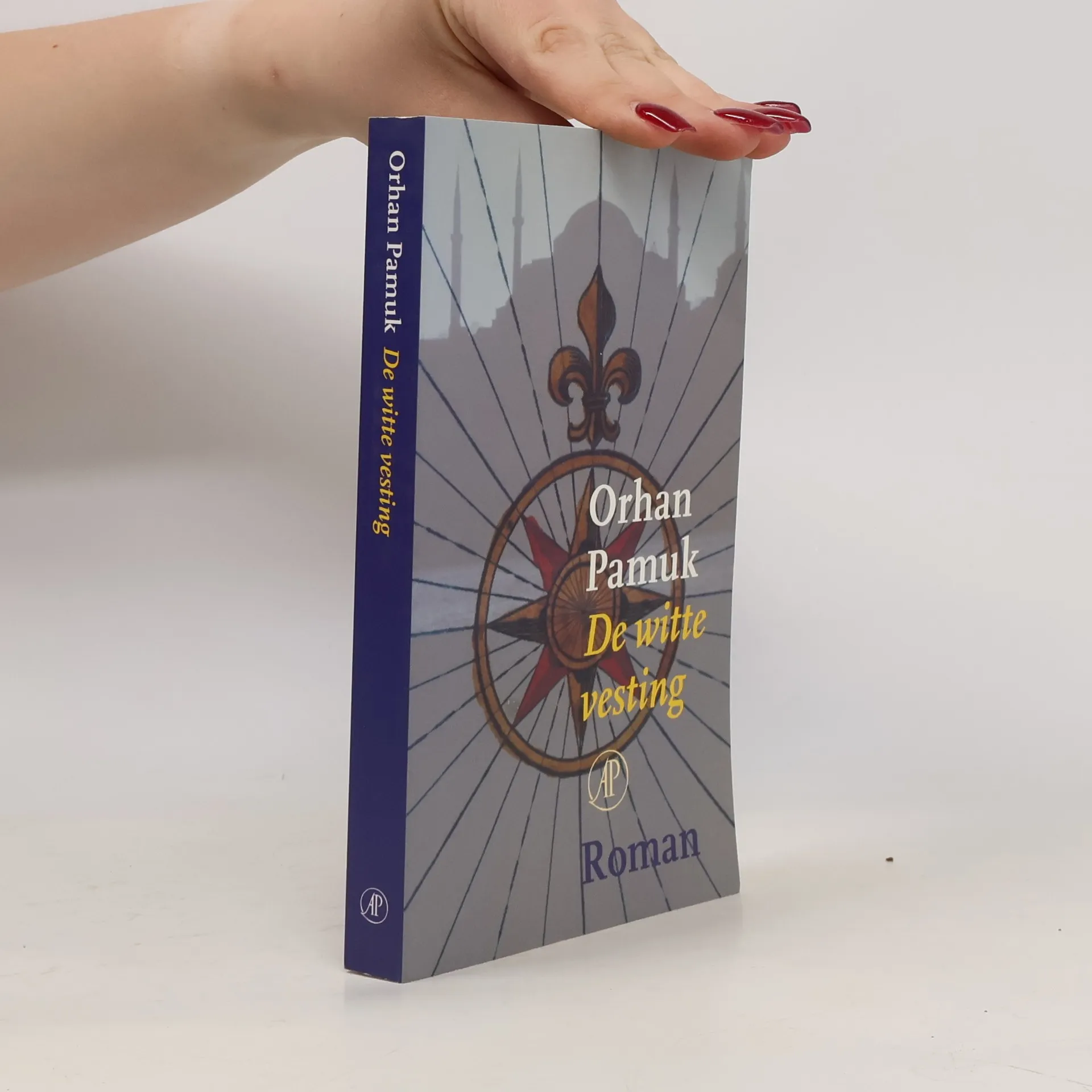
De witte vesting was de eerste roman van Orhan Pamuk die in Nederlandse vertaling verscheen. Het verhaal speelt zich af in de zeventiende eeuw, wanneer het Ottomaanse Rijk op het hoogtepunt van zijn macht verkeert. Een Venetiaans schip wordt gekaapt en een jonge Italiaanse student wordt als slaaf meegevoerd naar Turkije. Daar weet hij behoorlijk indruk te maken met zijn wetenschappelijke kennis. Ook zijn onverwachte talent voor het genezen van zieken dwingt bij de Turken respect af en hij wordt, hoewel slaaf, met privileges omringd. Op een gegeven moment stelt men hem toch voor de keus: de islam of je leven. Hij houdt stand en blijft zijn geloof trouw, maar zijn leven is van dan af in handen van een van de belangrijkste adviseurs van de sultan, de Hodja. Merkwaardigwijs lijkt deze man als twee druppels water op hem, en de relatie tussen beiden krijgt algauw een uitermate vreemd karakter. Het werk van Orhan Pamuk (1952) is in meer dan dertig landen vertaald.
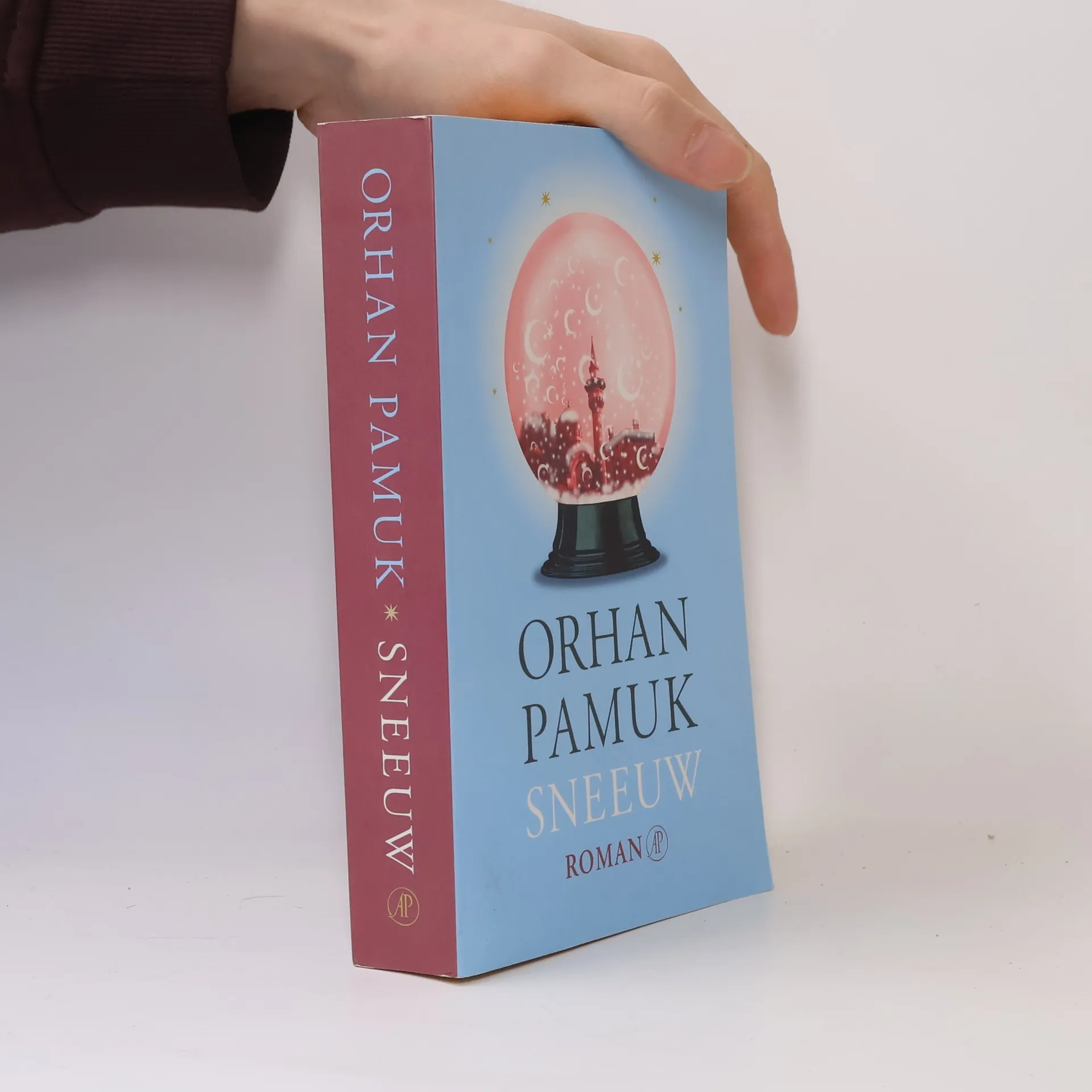
De dichter Ka, die twaalf jaar als banneling in Duitsland heeft gewoond, keert terug naar Turkije. Hij raakt verzeild in het noordoosten, waar de winters ijzig koud zijn. In de grensstad Kars doet hij onderzoek naar de lokale verkiezingen, en ook over de golf van zelfmoorden die zich voordoet onder vrome jonge meisjes is hij van plan een reportage te schrijven.In de aanhoudende sneeuw doorkruist Ka de stad - die inmiddels door de zware sneeuwval voor enige dagen van de buitenwereld is afgeslote...