

Beginnend met de kroning van Karel de Grote als keizer van het Westen in het jaar 800, leidt John Beckwith ons door de architectuur, schilderkunst, beeldhouwkunst, miniaturen en ivoor van de drie grote periodes van de vroeg-middeleeuwse kunst. De Ottonische periode, wellicht het best bekend om het grote centrum van kunst en ambacht dat verbonden was aan het hof, presenteerde een artistieke stijl die was ontwikkeld uit vroege christelijke en Karolingische bronnen - een stijl die de toegang vormde tot de grote artistieke wedergeboorte in de elfde en twaalfde eeuw - de romaanse periode.
John Beckwith Boeken

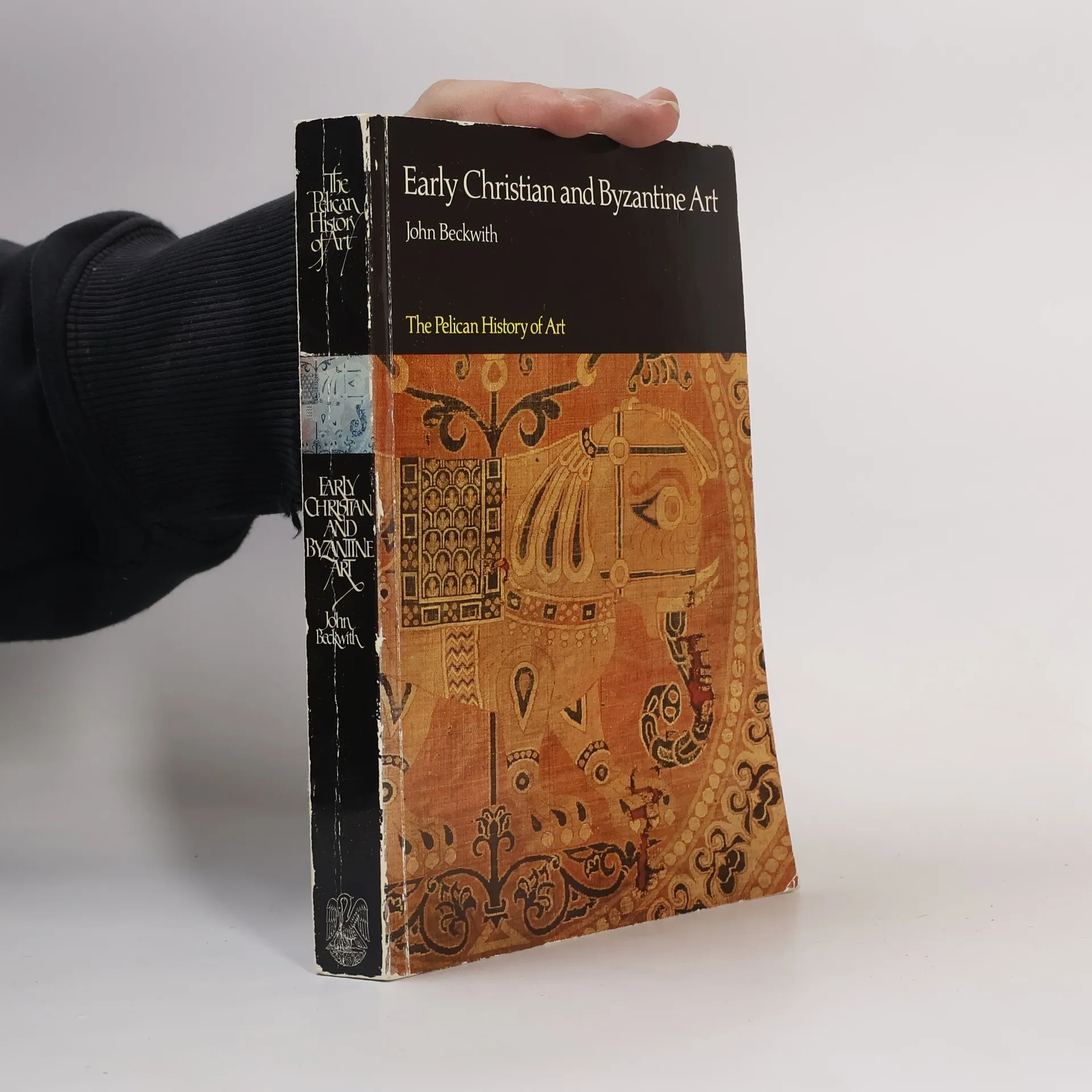
The Pelican History of Art: Early Christian and Byzantine Art
- 408bladzijden
- 15 uur lezen
The appreciation of early Christian and Byzantine Art as a sublime expression of religious thought and feeling is a comparatively modern phenomenon. Byzantine art is both static and dynamic: static in the sense that once an image was established it was felt that no improvement was necessary; dynamic in the sense that there was never one style and these styles or modes were constantly changing. The story is not only complex in its unravelling but ranges widely over various media: mosaic, wall painting and painted panels, sculpture in marble and ivory, manuscript illumination, gold, silver, and precious stones, jewellery, silk and rich vestments. This is an account by a medieval art-historian.