
A fascinating exploration of how the growth of digital mapping, spurred by sensing technologies, is affecting cities and daily lives
Antoine Picon Volgorde van de boeken (chronologisch)


digitalSTRUCTURES
- 240bladzijden
- 9 uur lezen
digitalSTRUCTURES: Data and Urban Strategies of the Civic Future provokes a larger body of work that engages with digital property and data infrastructures.
The Materiality of Architecture
- 192bladzijden
- 7 uur lezen
Digital tools have propelled architecture into a transformative era, blending traditional materials like wood, stone, and metal with pixels and code. An eminent thinker examines the significance of architectural materials over the centuries and the impact of technology on our perceptions of them. Antoine Picon argues that materiality transcends mere matter; the silence and inscrutability of raw materials often clash with humanity's quest for meaning. He explores how individuals shape their identities through their physical interactions with architectural materials and spaces. Picon posits that the essence of architecture lies in its ability to make matter expressive to humans. By reviewing key moments in Western European architecture, he provides a fresh perspective on the evolution of materiality and how experiences of the physical world have shifted alongside human subjectivity. Ultimately, Picon asserts that computer-based design methods are not a radical break from architectural traditions but rather a new means for architects to harness material resources. This evolution enhances the inherently humanistic nature of architecture, offering greater design freedom and liberation from material constraints in the digital age.
Authorship - Discourse, A Series on Architecture
- 336bladzijden
- 12 uur lezen
"Authorship" critically examines emergent themes in contemporary architecture by revisiting the notion of design authorship. As the concept of the master architect fades, the book explores the shifting role of creativity in architecture's cultural production. A cross-disciplinary group of designers and scholars investigates topics such as the impact of digital tools and computational scripts on building conception in the age of robotics, the climate of appropriation and sampling as a counter-form of authorship, and the rise of reauthored materials in a postdigital age. These inquiries challenge traditional ideas of authorship, repositioning the history of architecture. Featured essays delve into the separation between the personal and the authored, while other contributions examine meaning, symbolism, and iconography as subjects of authority rather than authorship. Ultimately, this book dismantles, realigns, and reassembles disparate architectural conditions to form new ways of thinking. "Discourse" is a biannual publication series that presents timely themes on and around architecture through essays, interviews, discussions, and various materials that highlight architectural culture, practice, and theory.
Digital Property - Open-source Architecture Ad
- 136bladzijden
- 5 uur lezen
"Even more than authorship, ownership is challenged by the rise of digital and computational methods of design and production. These challenges are simultaneously legal, ethical and economic. How are new methods of fabrication and manufacture going to irreversibly change not only ways of working, but also designers ethics and their stance on ownership? In his 2013 second-term State of the Union address, President Obama stated that 3D printing has the potential to revolutionize the way we make almost everything. Nowhere will the impact of 3D printing be felt greater than in the architectural and design communities. When anyone can print out an object or structure from a digital file, will designers still exert the same creative rights or will they need to develop new practice and payment models? As architecture becomes more collaborative with open-source processes, will the emphasis on signature as the basis of ownership remain relevant? How will wider teams working globally be accredited and compensated? This issue of AD explores this subject; it features the work of designers who are developing wholly new approaches to practice by exploring means of commercialising process-based products rather than objects."--Back cover
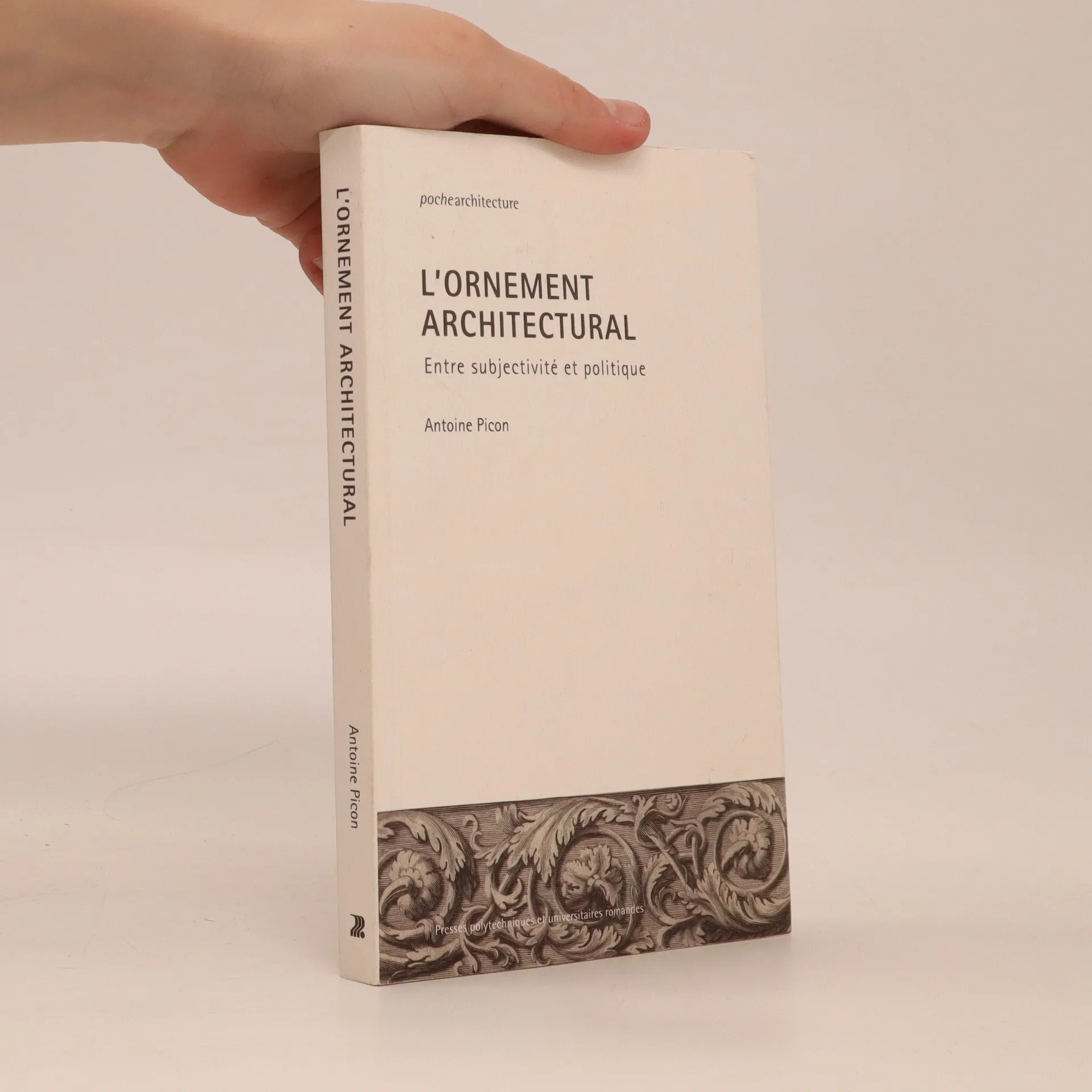
L'ornement architectural
- 196bladzijden
- 7 uur lezen
Après avoir été comparé par Adolf Loos à un "crime" et quasi abandonné par l'architecture moderne, l'ornement architectural a fait un retour spectaculaire ces dernières années, souvent en relation avec la montée en puissance des outils numériques. Quel sens donner à ce phénomène ? En même temps qu'il semble renouer avec une tradition pluriséculaire, l'ornement architectural contemporain diffère de ses prédécesseurs sur un certain nombre de points clés. Ce livre commence par explorer ces différences avant de proposer deux fils conducteurs permettant de relier passé et présent, ornement traditionnel et ornement contemporain. L'ornement présente tout d'abord des liens étroits avec la question du ou plutôt des sujets de l'architecture : concepteurs, artisans, clients, spectateurs qui tous contribuent à la production et à la réception de l'architecture. La portée politique de l'ornementation constitue un second fil conducteur. L'une des fonctions de l'ornement consistait autrefois à inscrire l'architecture dans un réseau de significations politiques et sociales. Subjectivité et politique : où en sommes-nous concernant ces deux aspects aujourd'hui ? La question de l'ornement permet en réalité de poser plus généralement celle du sens de l'architecture au sein du monde contemporain.