Set in late 20th century Africa, the book delves into the intricacies of political order and the essential elements that constitute a stable state. It examines the historical and social contexts that shape governance and authority, providing insights into the continent's unique challenges and developments during this transformative period. Through a detailed analysis, it highlights the interplay between politics, culture, and society in the formation of modern African states.
With over a billion people living on less than a dollar a day and eight million dying annually due to extreme poverty, global poverty presents a significant moral challenge. Despite the flow of millions in aid to poor countries, results often fall short. In this context, Abhijit Banerjee, an "aid optimist," asserts that aid can be effective, but inefficiencies arise from a lack of analysis regarding which programs truly work. This inefficiency breeds unwarranted pessimism about aid's role in economic development. Banerjee calls on aid donors to improve their approaches by employing field experiments and randomized trials to evaluate programs, similar to the methods used for new drug assessments. He suggests that current development assistance could focus exclusively on programs with proven success. In response, prominent figures in the field, such as Nicholas Stern and Angus Deaton, question whether randomized trials are universally applicable for evaluating success. They also explore broader issues regarding the role of aid in economic development and the types of interventions—whether micro or macro, political or economic—that will genuinely enhance the lives of impoverished individuals. With one in six people living in extreme poverty, finding effective solutions is imperative.
The book examines the transition from socialism to capitalism in Eastern Europe and its effects on developing nations, specifically focusing on Kenya's unique economic trajectory. Robert Bates critiques neo-classical development economics, attributing Kenya's initial growth to its strong economic institutions. However, he argues that the shift from the Kenyatta to the Moi regime led to a decline, as economic institutions were repurposed for wealth redistribution rather than wealth creation, ultimately impacting the country's economic stability.
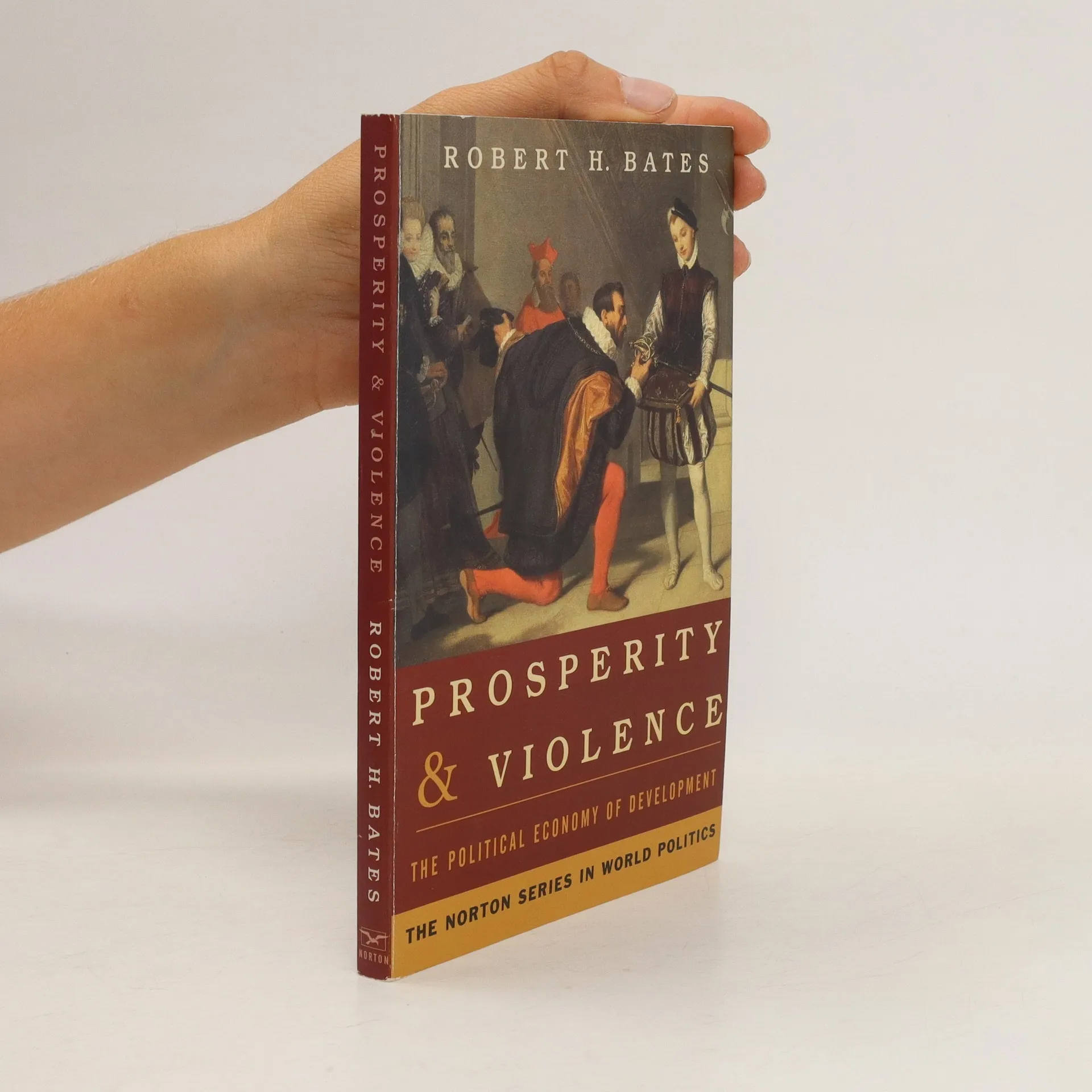
Prosperity & Violence considers the history of human civilization and explains the origins of the modern state, focusing on the evolution of capitalism as cultures move from dispersed agrarian clans to the dense modern metropolis. Informed by firsthand experience with the political and economic development of many diverse cultures, Bates demonstrates how successful modern states harness ethnic diversity for prosperity rather than for violence and political power. Brief and compelling, Prosperity & Violence is certain to be an excellent supplement in any comparative politics course.
Everest and K2two of the most feared and respected peaks in the world. High offers a unique perspective on climbing these two peaks, from early exploration disasters, to the modern tragedies.