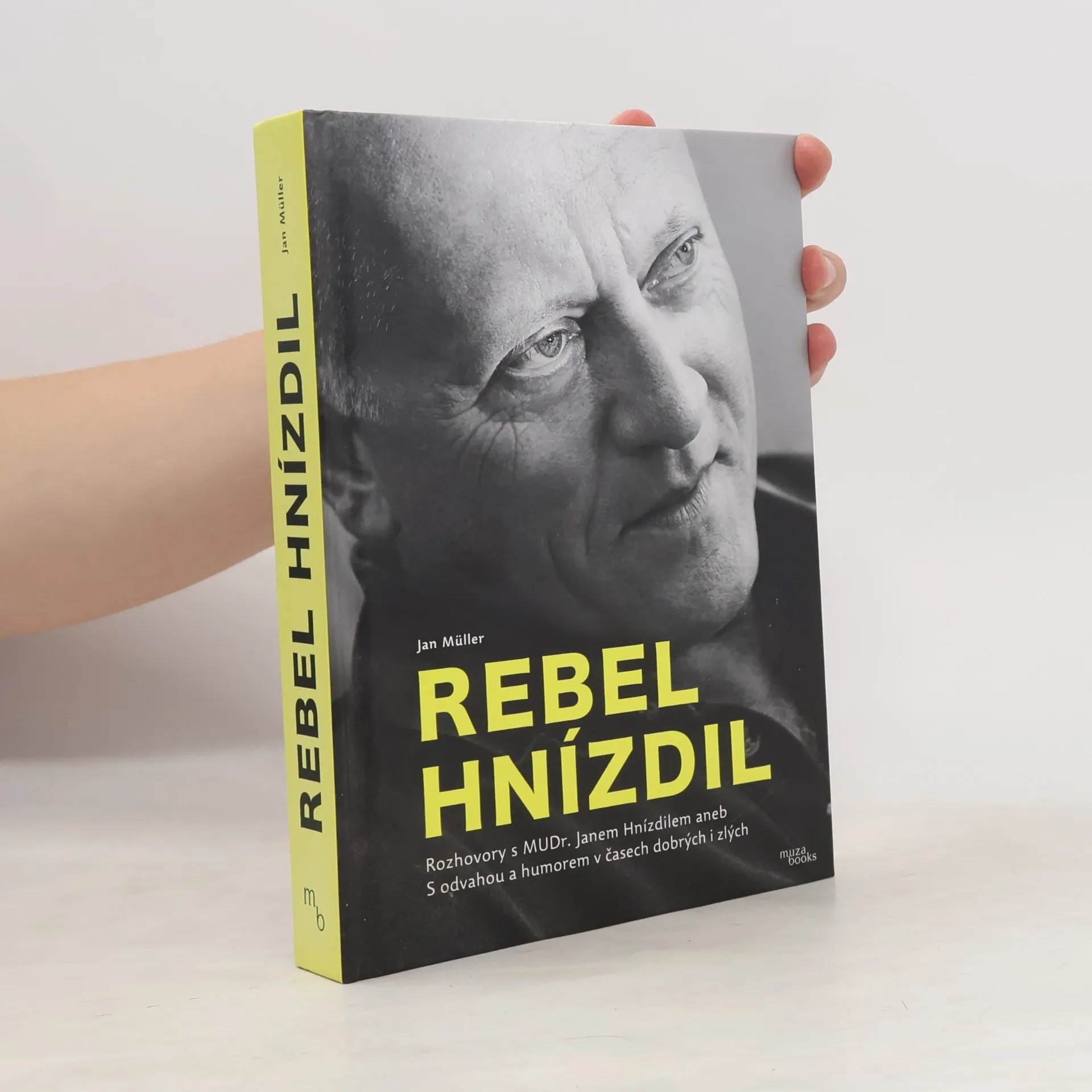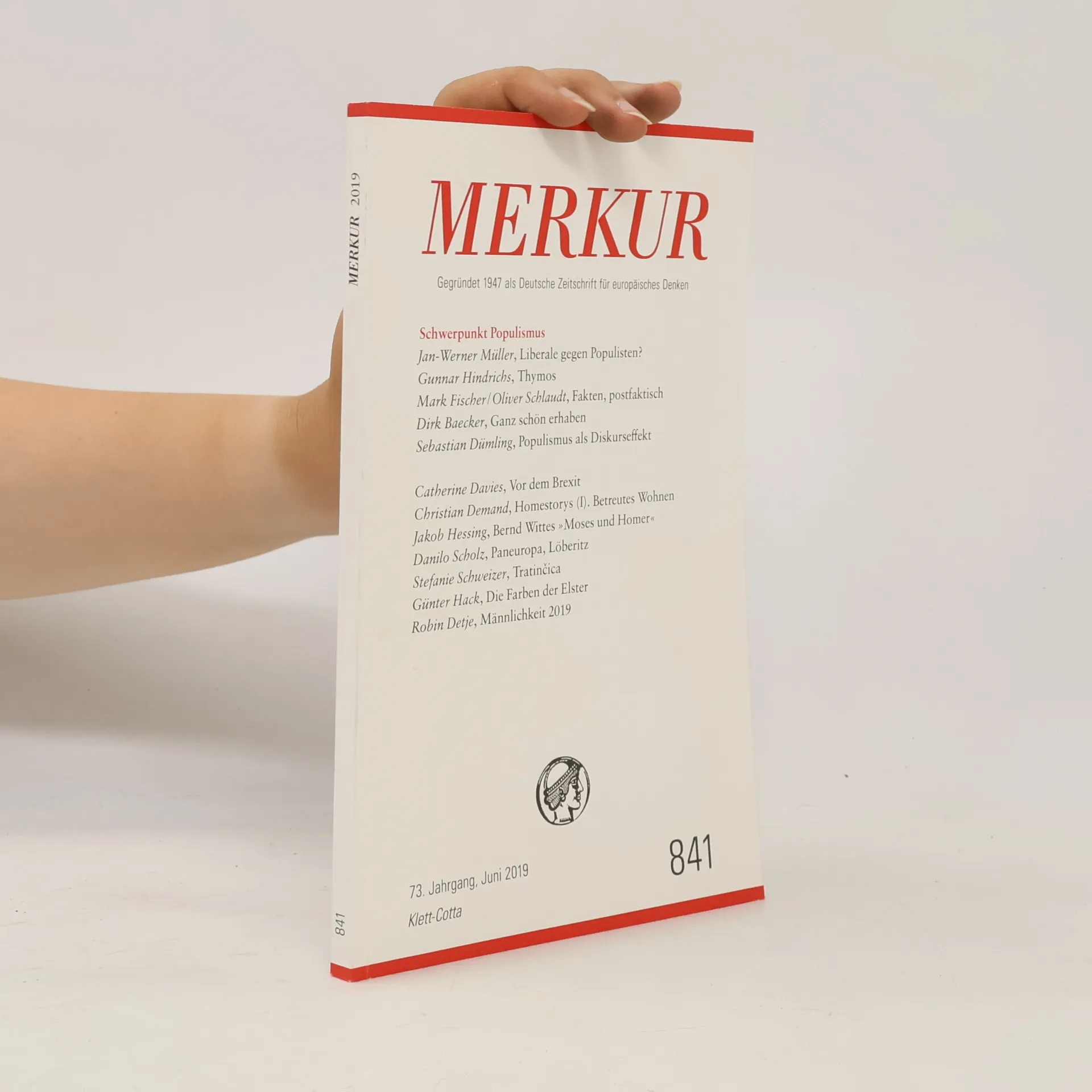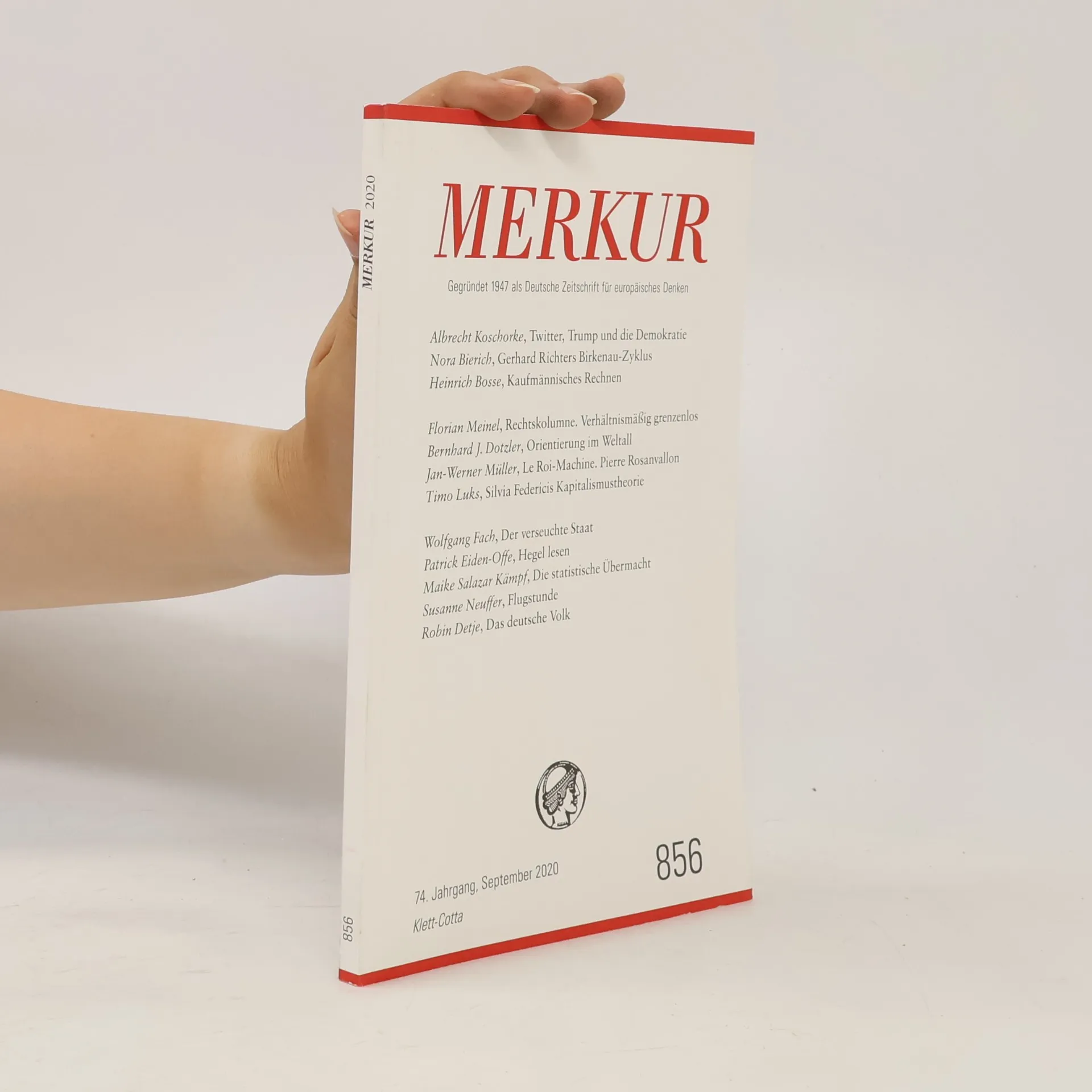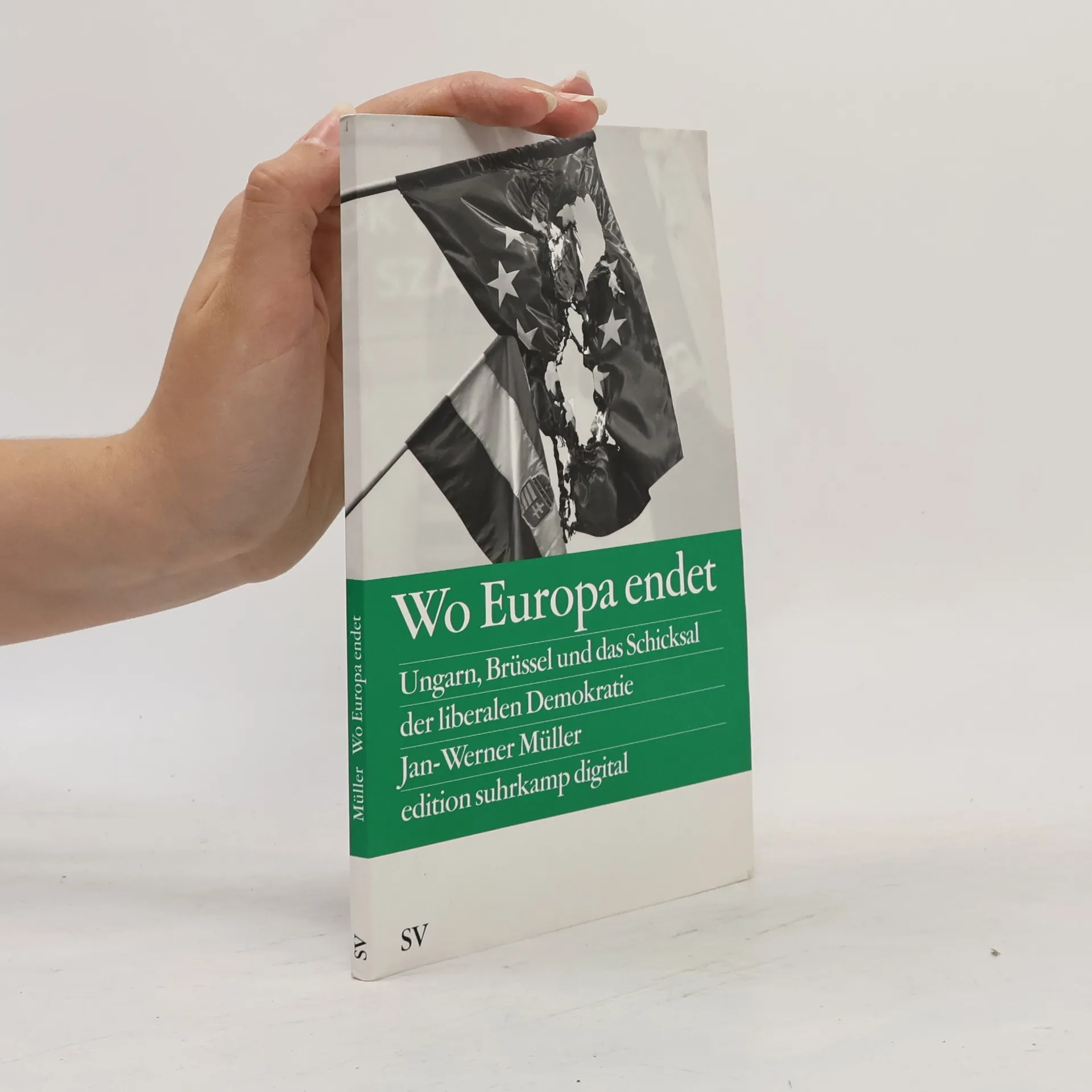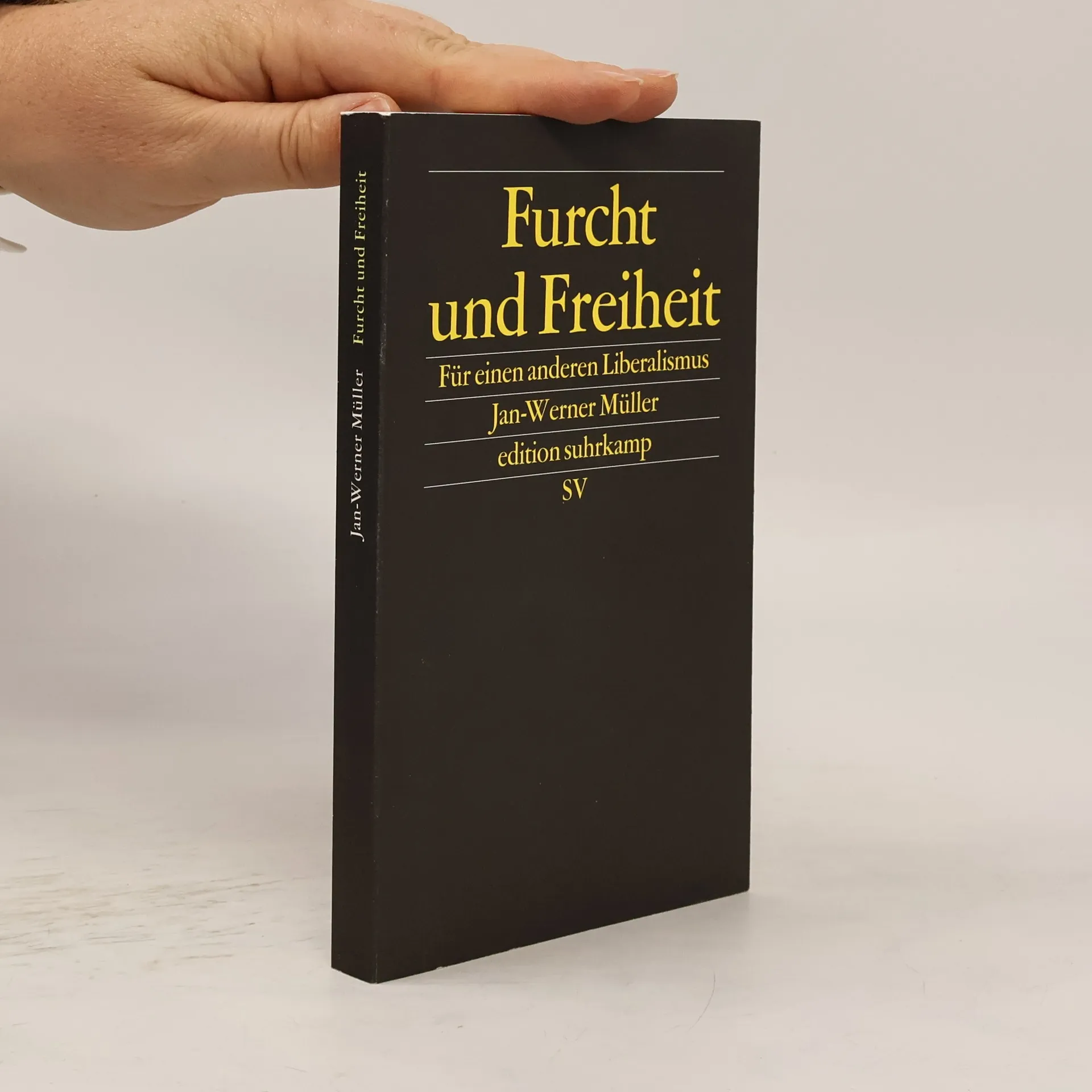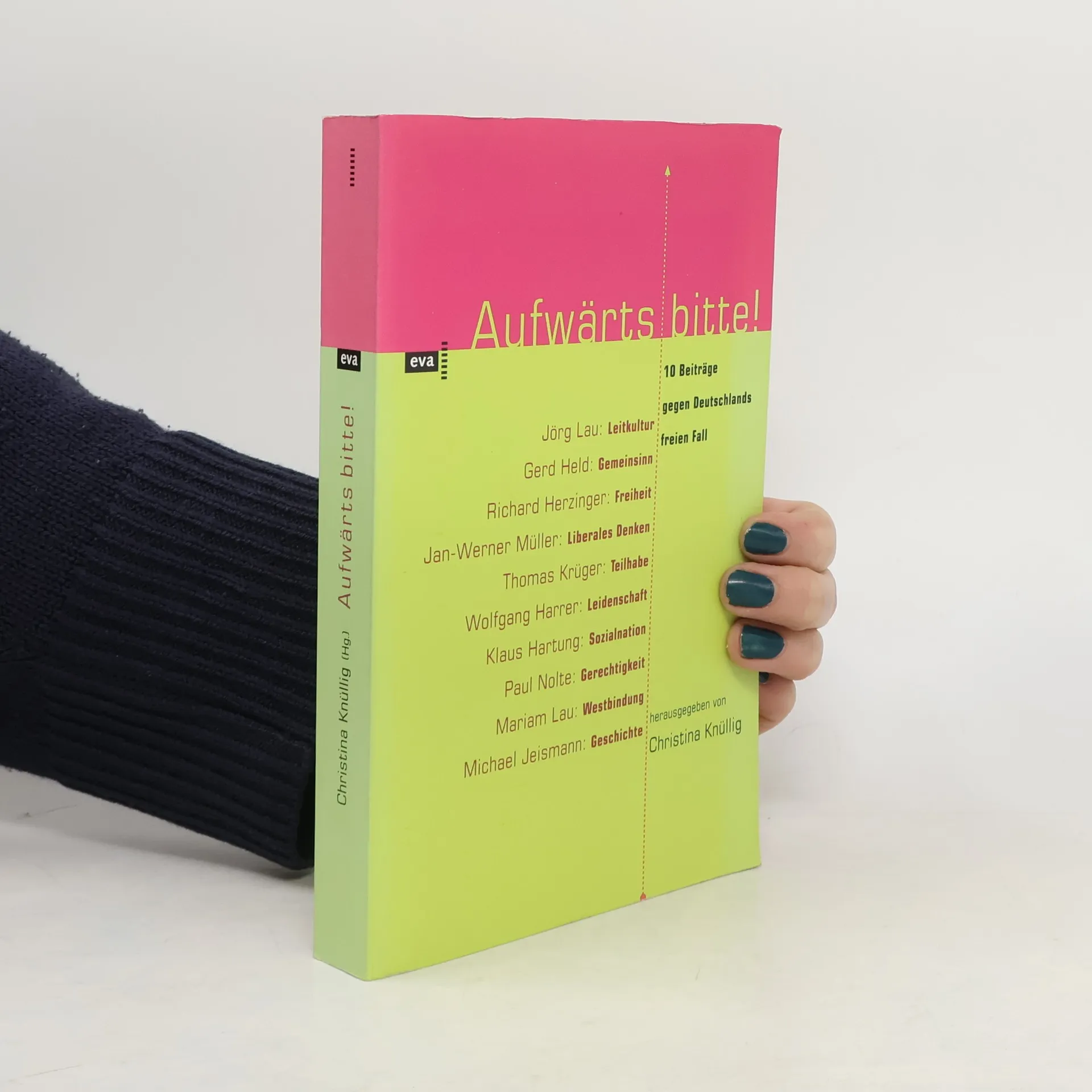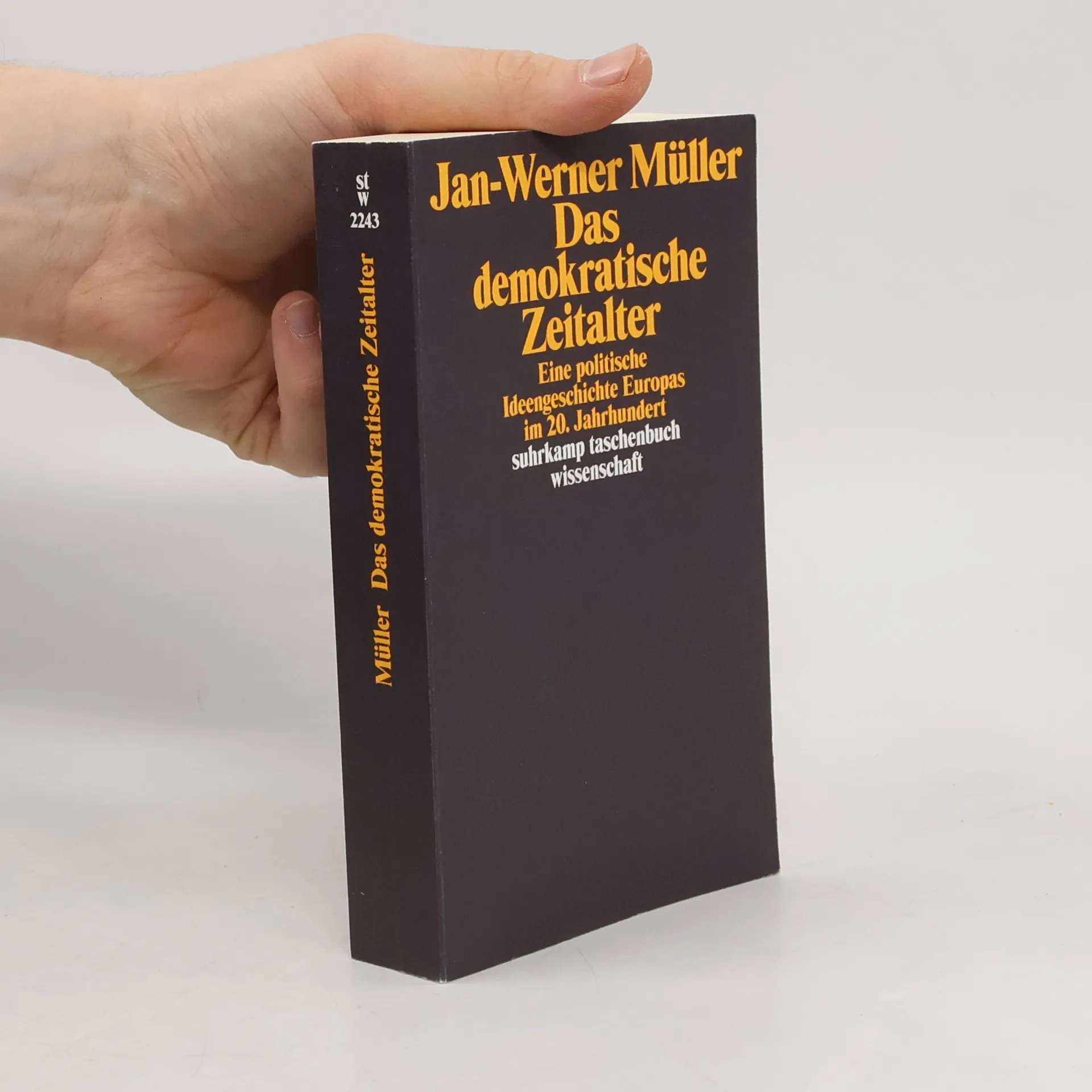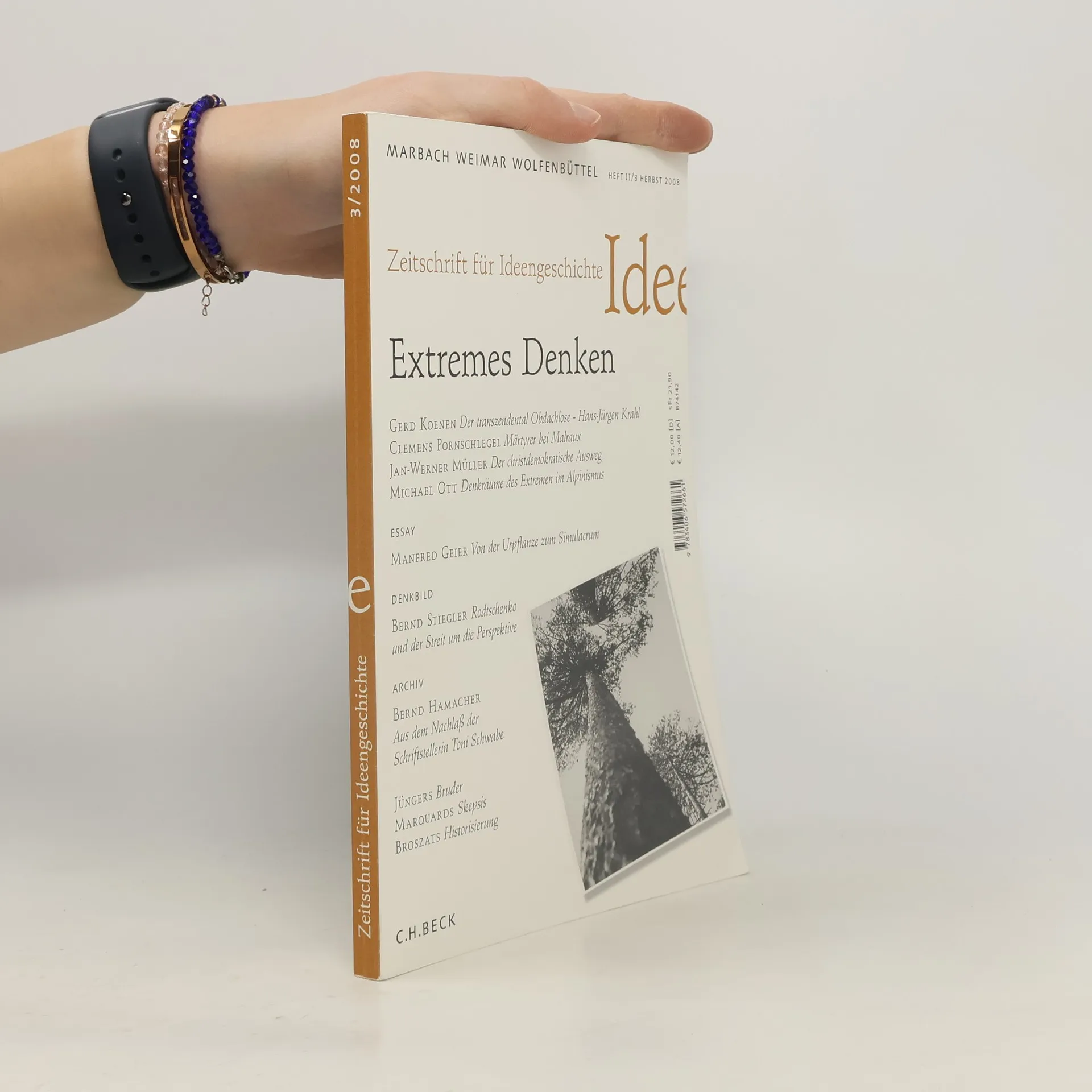


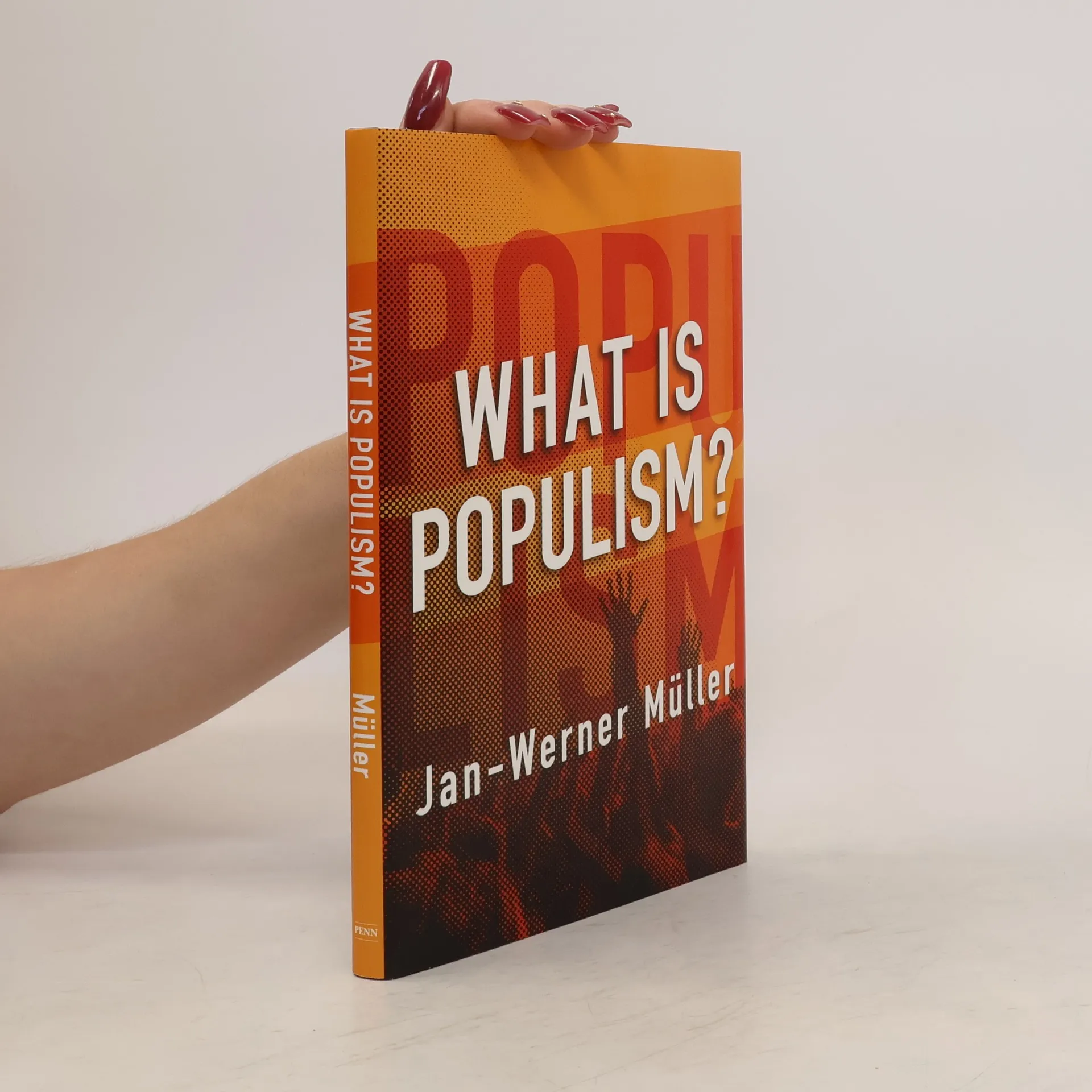
Jan-Werner Müller is hoogleraar politiek aan Princeton University, met een focus op politiek denken. Zijn werk duikt in de essentie van politieke verschijnselen en de historische evolutie van politieke ideeën in Europa. Müller's essays en analyses worden gewaardeerd om hun diepgang en actualiteit, en verschijnen regelmatig in toonaangevende kranten en literaire tijdschriften.
The Handy History Answer Book provides abundant information about many of the most frightful events of the past 5,000 years, including wars, disasters, epidemics, and so on. But it also supplies a context for the time with a wealth of information on invention, philosophy, science, politics, culture, sports, business, law, media, and religion. Presented in a question-and-answer format, It surveys significant people, times, and events worldwide, with a special focus on U.S. history from its origins to the present
The contributors of this volume seek to answer such questions as: 'How did the Germans overcome 'Germanic Ideology', or did they?' 'Why is there no libertarianism in Germany?' 'What do German conservatives wish to conserve?'. Emphasizing shared patterns of thought, the contributors trace the contours of political thought in a divided nation with a difficult past, and ion the shadow of the culture and political values of the United States.
"This work argues that at populism's core is a rejection of pluralism. Populists will always claim that they and they alone represent the people and their true interests. Müller also shows that, contrary to conventional wisdom, populists can govern on the basis of their claim to exclusive moral representation of the people: if populists have enough power, they will end up creating an authoritarian state that excludes all those not considered part of the proper 'people.' The book proposes a number of concrete strategies for how liberal democrats should best deal with populists and, in particular, how to counter their claims to speak exclusively for 'the silent majority' or 'the real people'"--Provided by the publisher.

After the acrimony of Brexit, the shock of Trump and the continued pull of Putin and Xi, it seems that democracy is in a state of decay. And as governments around the world struggle to combat the coronavirus, often adopting draconian measures as a response, there is a sense, a panic, that democracy's decline may be terminal. But how many of us are certain about what democracy actually is? Political philosopher Jan-Werner Müller lucidly argues that in order for us to understand the true risks of our current moment, we must first establish an understanding of first principles. What is essential for democracy to flourish? How can we defend it without forever distorting its DNA? In this elegant volume, he explains how democracy is founded not just on liberty and equality, but also on uncertainty. Drawing on history, art and examples from around the globe, he shows that we need to re-invigorate political parties and free media, the institutions that have been essential for democracy's success ever since the nineteenth century. Challenging conventional wisdom, Müller suggests concretely how democracy's crucial institutions could be renovated, re-empowering citizens while also preserving a place for professionals such as journalists and judges. Taking on many of the most difficult political questions we face, this book is a vital rethinking of what democracy can mean in an age of big data, curated news feeds, collapsing parties and social alienation and how we can reinvent our democratic social contract
The Rik Veda is presented as a timeless and dynamic cosmic text, with a fresh translation that captures its meditative essence. Jan Müller’s commentary enhances understanding, revealing multiple interpretations and the depth of the Veda's teachings. This work appeals to both classical philologists and philosophical seekers, as it navigates the complexities of ancient wisdom while making it accessible to contemporary readers. The text serves as a guide for literature lovers and those seeking answers to life's profound questions.
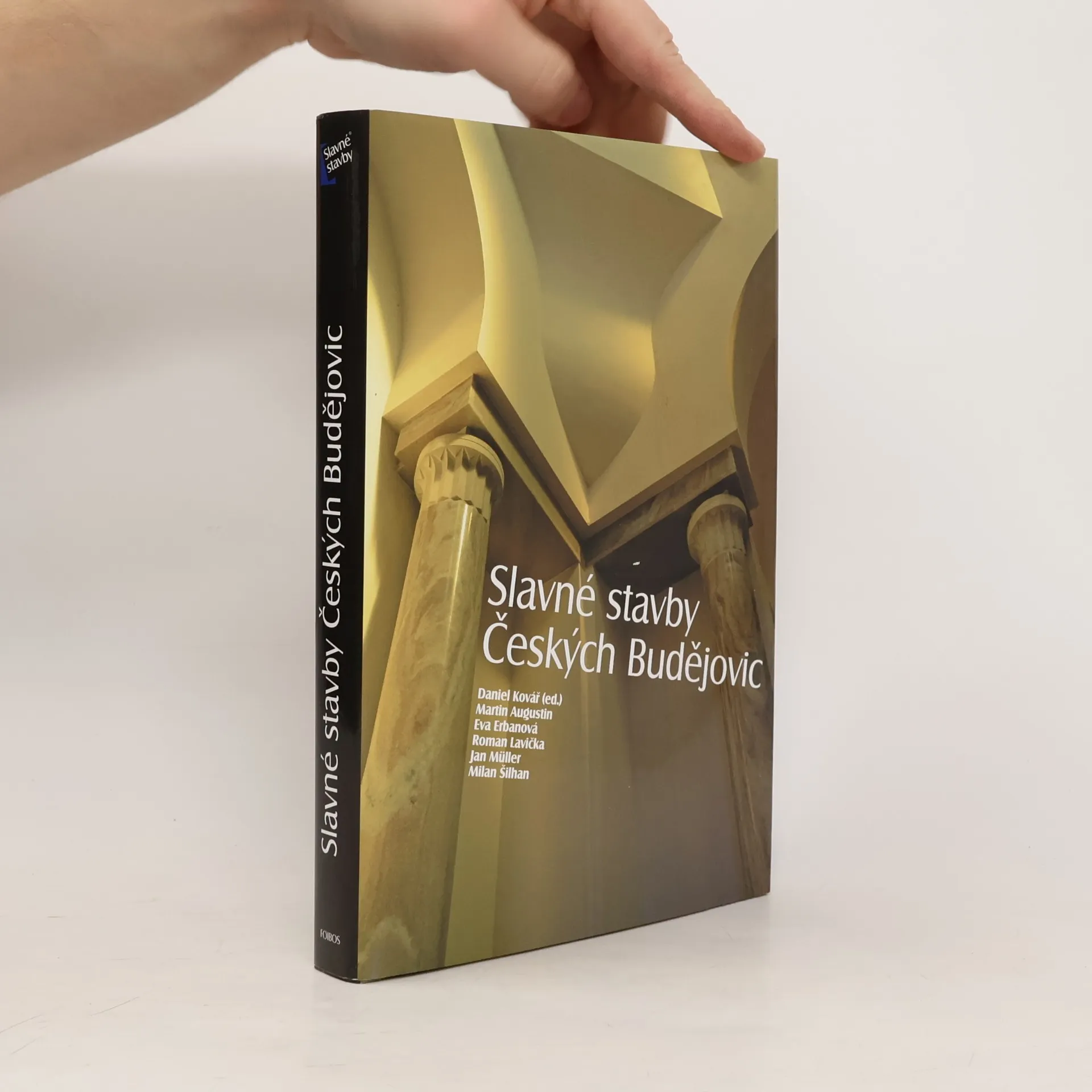
Jako další z edice Slavné stavby vydává nakladatelství FOIBOS BOOKS knihu o architektuře Jihočeského města České Budějovice. Publikace představí 75 staveb. Autoři se snažili, aby zde byla zhruba rovnoměrně zastoupena jednotlivá období vývoje architektury, a zároveň se pokusili o určitou žánrovou pestrost. Byly vybrány stavby veřejné stejně jako soukromé, vrcholná díla i představitelé dobového architektonického průměru, ale i stavby průmyslové, dopravní, vodohospodářské a technické památky vůbec. Sešel se kolektiv šesti autorů, z nichž každý má svůj vymezený tematický „rajón“ a také trochu odlišný pohled na dějiny architektury a architekturu jako takovou. Na území Českých Budějovic se nachází značné množství historicky a památkově hodnotných budov, z nichž ovšem jen nepatrná část má statut kulturní památky, a je tedy (alespoň teoreticky) chráněna státem. Z objektů vybraných pro publikaci jsou za kulturní památku prohlášeny zhruba dvě třetiny. Vzájemnou diskusí a tříbením názorů dospěl autorský kolektiv k vyváženému představení toho nejzajímavějšího, co České Budějovice nabízejí po stránce stavební kultury.
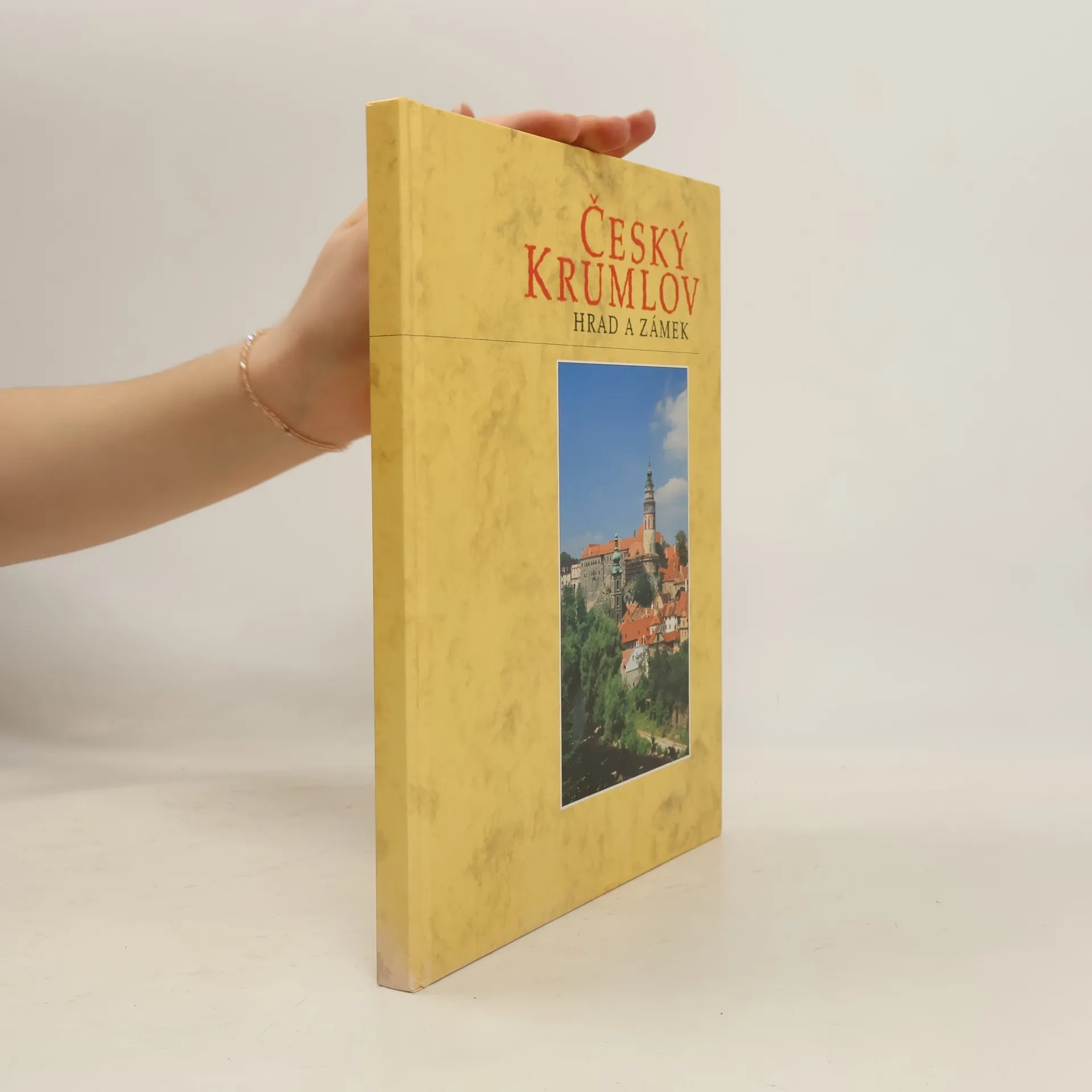
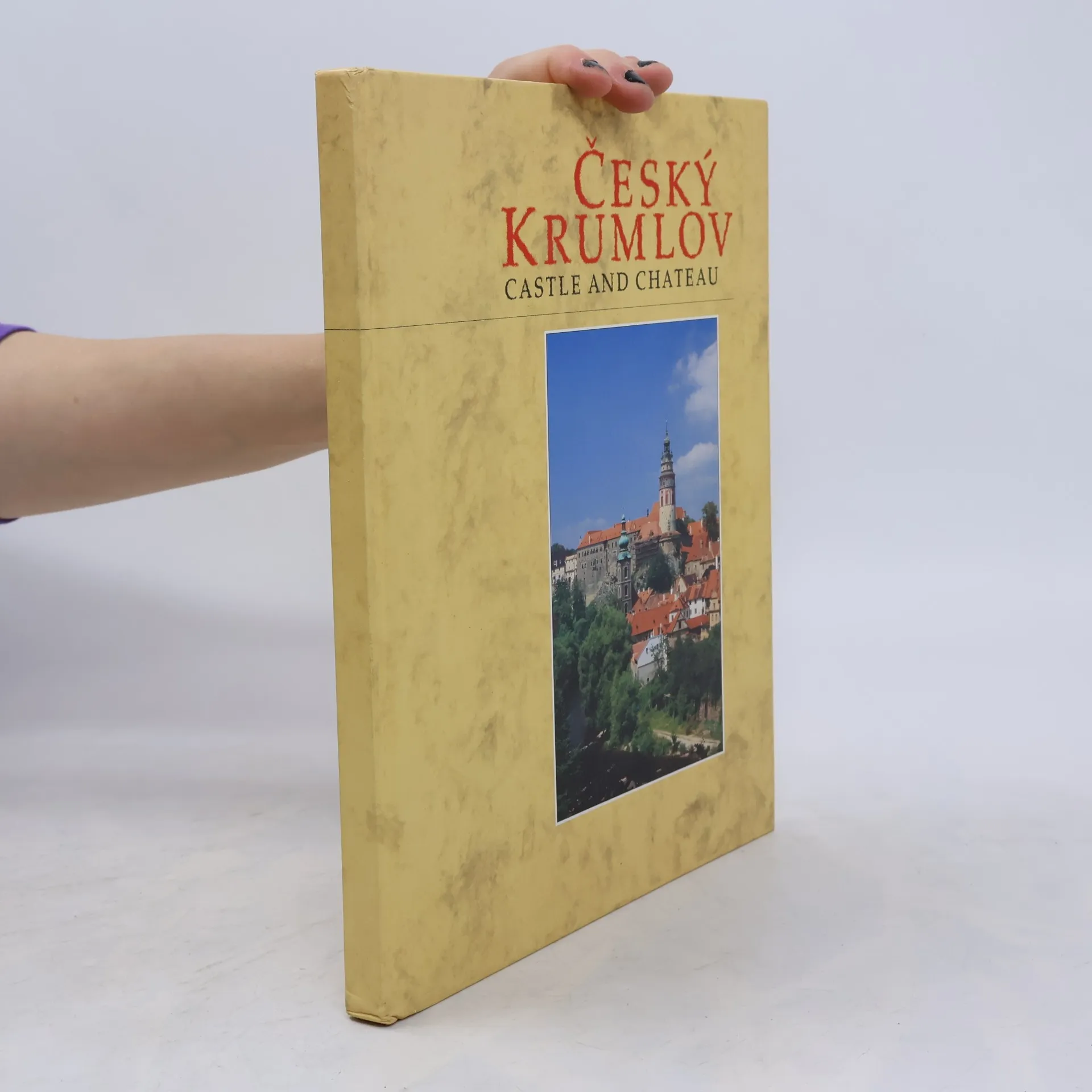
Texty jsou doplněny krásnými fotografiemi současného stavu historického centra a na konci je opět zařazena mapka s jednotlivě vyznačenými stavbami.
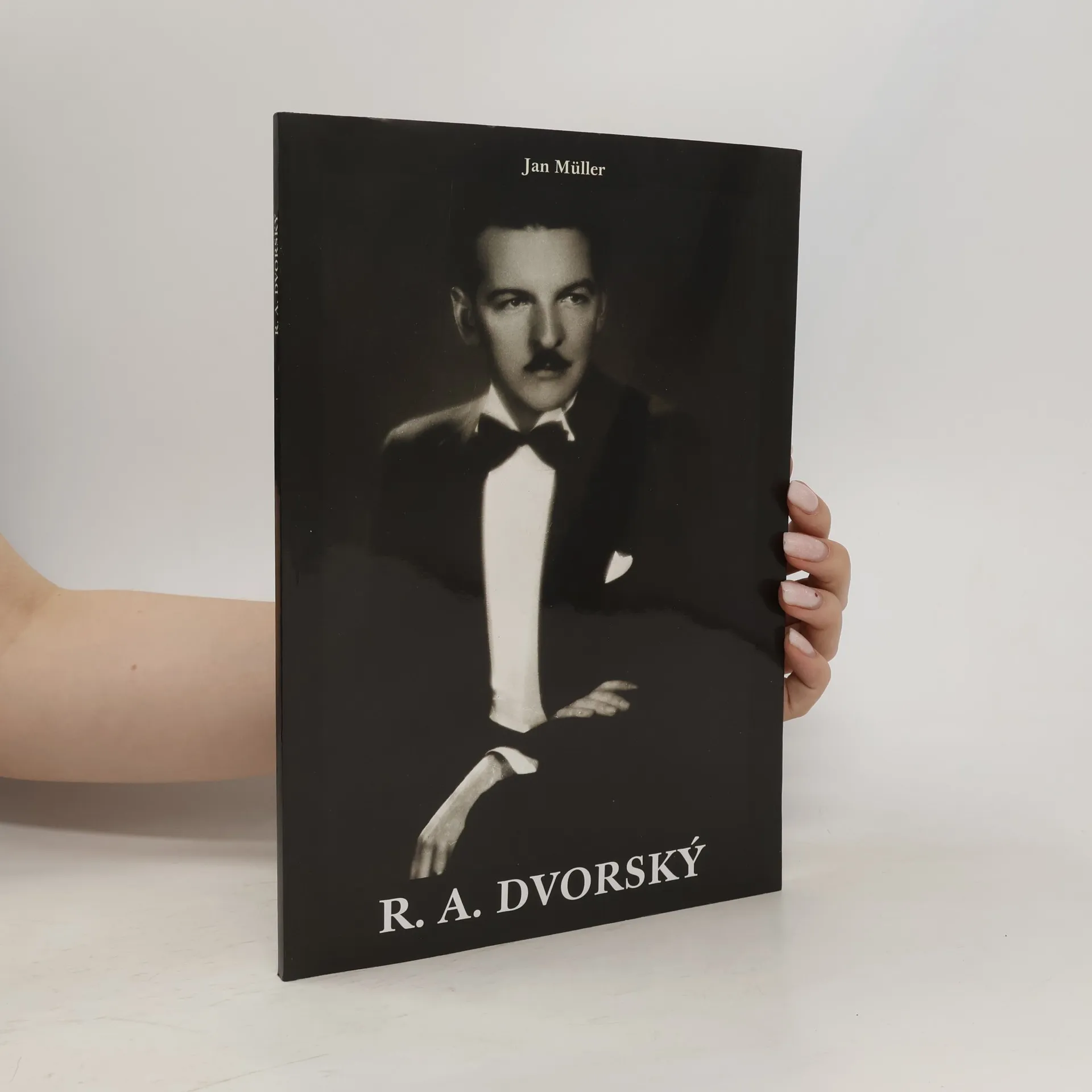
Statutární město Ústí nad Labem vydává ve spolupráci s Radioservisem knihu o hudebníkovi R. A. Dvorském. R. A. Dvorský patří mezi přední osobnosti naší kultury a řadí se k důležitým průkopníkům české moderní populární hudby. Byl to muž mnohostranného zaměření: kabaretiér, hudebník – klavírista, zpěvák, hudební skladatel, dirigent a v neposlední řadě hudební nakladatel, který se velkou měrou zasloužil o rozvoj naší populární hudby. Dá se bez nadsázky říci, že byl vlastně naší první pěveckou hvězdou pop-music. Začínal jako zcela neznámý klavírista a brzy se vypracoval na jednu z nejoblíbenějších a nejznámějších postav naší populární scény. Díky své píli a houževnatosti měl jeho orchestr postaráno nejen o stálá angažmá, ale i o zakázky pro film, rozhlas či gramofonový průmysl. Vrchol Dvorského kariéry a popularity byl v těžké době, počátkem čtyřicátých let, v poválečných letech následoval strmý pád a osudové rány, po nichž jeho někdejší sláva už pouze doznívala. Kniha je zaměřena hlavně na Dvorského hudební kariéru, kterou zasazuje do dobových souvislostí.