Set against the backdrop of the late 20th century, the narrative explores a family's intricate dynamics filled with secrets and emotional turmoil. Hu seyin's dreams of returning to Istanbul are shattered when he unexpectedly passes away, prompting his children to confront their conflicting feelings as they gather around him. The story delves into themes of love, loss, and the complexities of familial relationships as they navigate their grief and the legacy left behind.
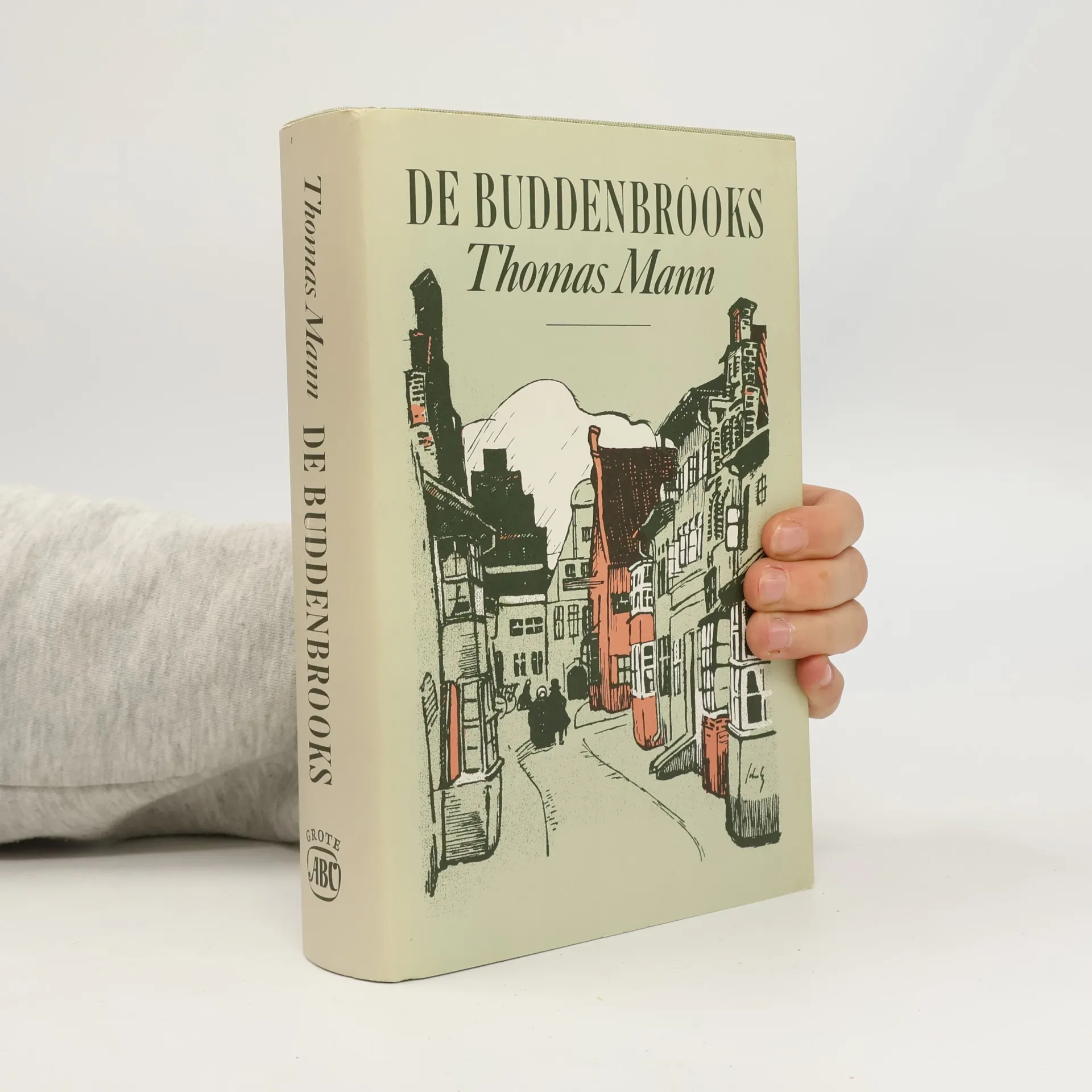
Met zijn debuutroman over de ondergang van het rijke Lübeckse koopmansgeslacht Buddenbrook vestigde Thomas Mann zijn reputatie als schrijver. Het succes maakte hem financieel onafhankelijk en vormt het fundament van zijn oeuvre. In een breed episch kader ontvouwt Mann de levensgeschiedenissen van vier generaties Buddenbrook. Johann Buddenbrook sr. en zijn zoon Johann jr. hebben de basis gelegd voor de solide familie- en firmatraditie. Echter, de kinderen van de consul vertonen tekenen van decadentie die het imperium dreigen te ondermijnen. Toni, de dochter, is een vrouw zonder duidelijk doel. Christian is het prototype van de zoon die niet wil deugen. Thomas, die de leiding van de firma overneemt, heeft een latent verlangen naar kunst en filosofie ontwikkeld, wat hem minder geschikt maakt voor de harde handelspraktijk. Onder zijn leiding begint het familiekapitaal af te kalven. In zijn zoon Hanno culmineert de antithese tussen kunstenaar en burger. Hanno is frêle, ziekelijk, dol op muziek en vervuld van creatieve impulsen die hij niet kan onderdrukken. Hij sterft jong en sleept de grote familietraditie in zijn ondergang mee.
In this dizzyingly rich novel of ideas, Mann uses a sanatorium in the Swiss Alps, a community devoted exclusively to sickness, as a microcosm for Europe, which in the years before 1914 was already exhibiting the first symptoms of its own terminal irrationality. The Magic Mountain is a monumental work of erudition and irony, sexual tension and intellectual ferment, a book that pulses with life in the midst of death.