

This book is a reproduction of a historical work, published by Megali, a house dedicated to producing large print editions. This initiative aims to enhance accessibility for readers with impaired vision, ensuring that important texts are available to a wider audience.
Charles Godfrey Leland Volgorde van de boeken (chronologisch)
Charles Godfrey Leland was een Amerikaanse humorist en folklorist wiens werk zich vaak bezighield met Amerikaanse en Europese talen en volkstradities. Hij ontwikkelde een diepe interesse in volkslinguïstiek en publiceerde tal van artikelen en boeken over dit onderwerp. Terwijl zijn komische Hans Breitmann's Ballads hem erkenning opleverden als humorist, doken zijn academische bezigheden diep in de volkscultuur. Bovendien schreef hij een tekst die een fundamenteel werk voor het neopaganisme zou worden, wat de breedte van zijn betrokkenheid bij esoterische tradities aantoont.

The Algonquin Legends of New England; Myths and Folk Lore of the Micmac, Passamaquoddy and Penobscot Tribes
in large print
- 420bladzijden
- 15 uur lezen
Dedicated to accessibility, this publishing house focuses on reproducing historical works in large print, catering specifically to individuals with impaired vision. By enhancing readability, Megali aims to ensure that important historical texts remain available and enjoyable for a wider audience.
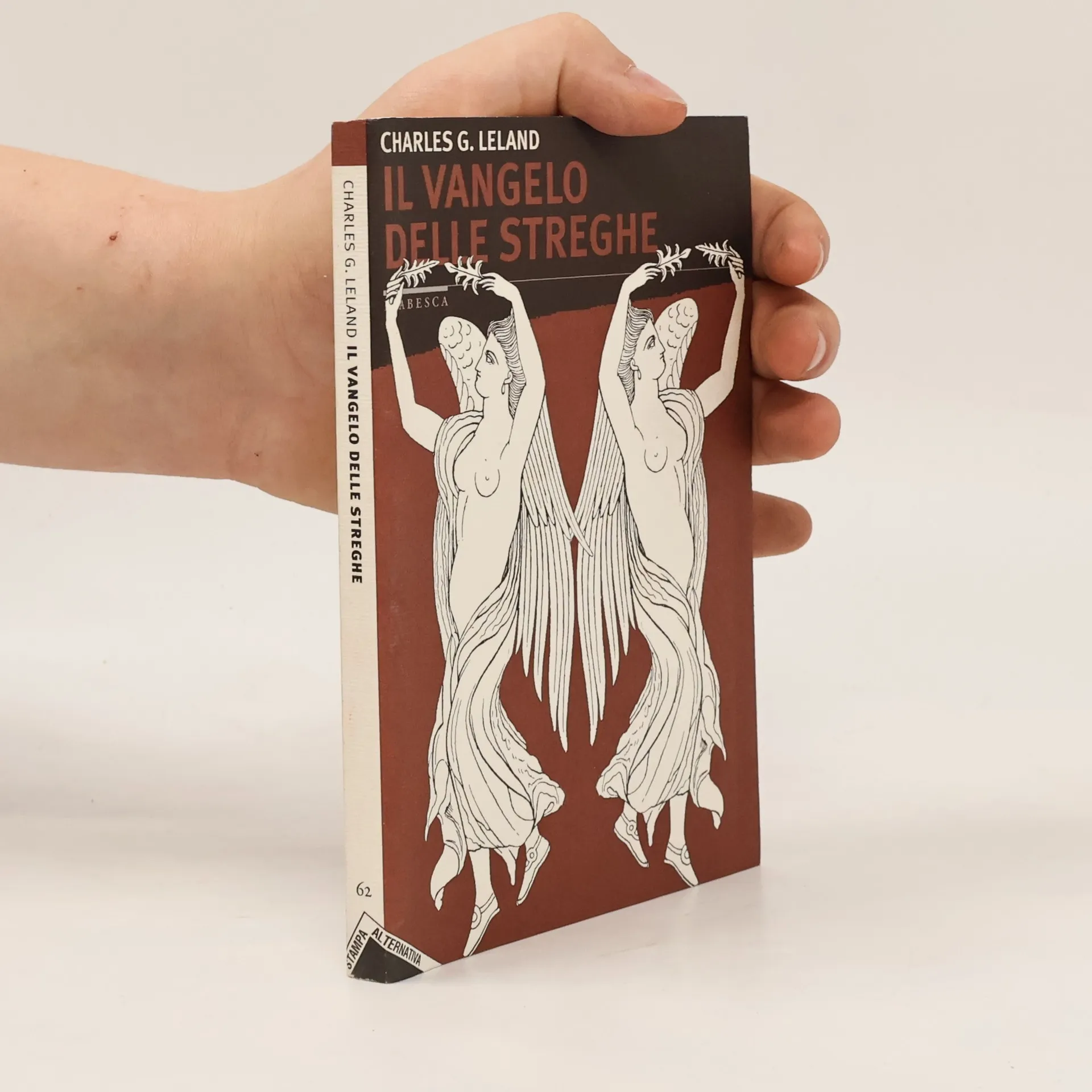
Il vangelo delle streghe
- 144bladzijden
- 6 uur lezen
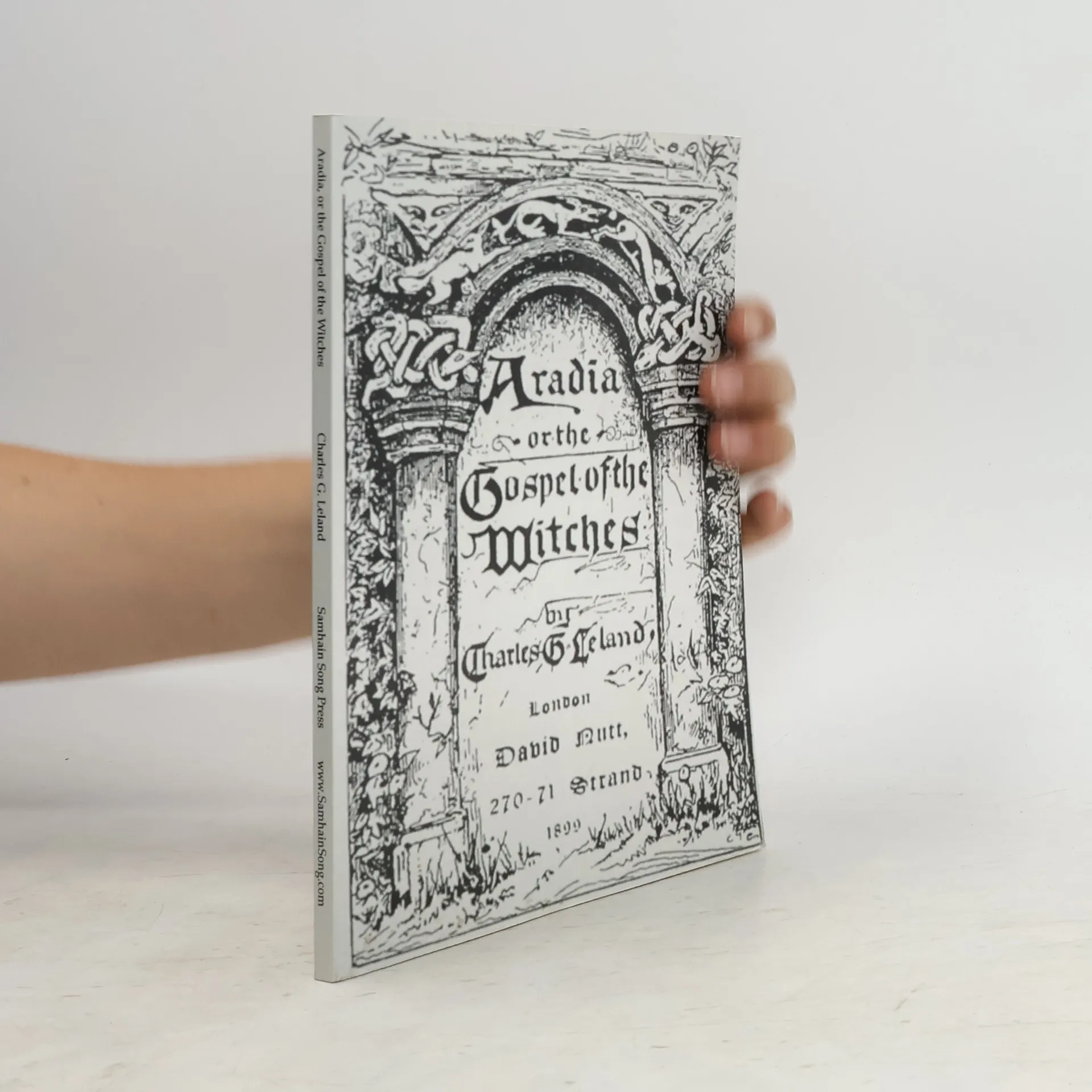
Aradia, or the Gospel of the Witches
- 132bladzijden
- 5 uur lezen
Its accuracy is disputed by some, while others consider it a vital resource for studying and understanding Italian witch folklore of the 19th century. What is certain is that this 1899 classic has become a foundational document of modern Wicca and neopaganism. Leland claimed his "witch informant," a fortune-teller named Maddalena, supplied him with the secret writings that he translated and combined with his research on Italian pagan tradition to create a gospel of pagan belief and practice. Here, in the story of the goddess Aradia, who came to Earth to champion oppressed peasants in their fight against their feudal overlords and the Catholic Church, are the chants, prayers, spells, and rituals that have become the centerpieces of contemporary pagan faiths. American journalist and folklorist CHARLES GODFREY LELAND (1824-1903) was editor of Continental Monthly during the Civil War and coined the term emancipation as an alternative to abolition, but he is best remembered for his books on ethnography, folklore, and language, including The Gypsies (1882), The Hundred Riddles of the Fairy Bellaria (1892), and Unpublished Legends of Virgil (1899).