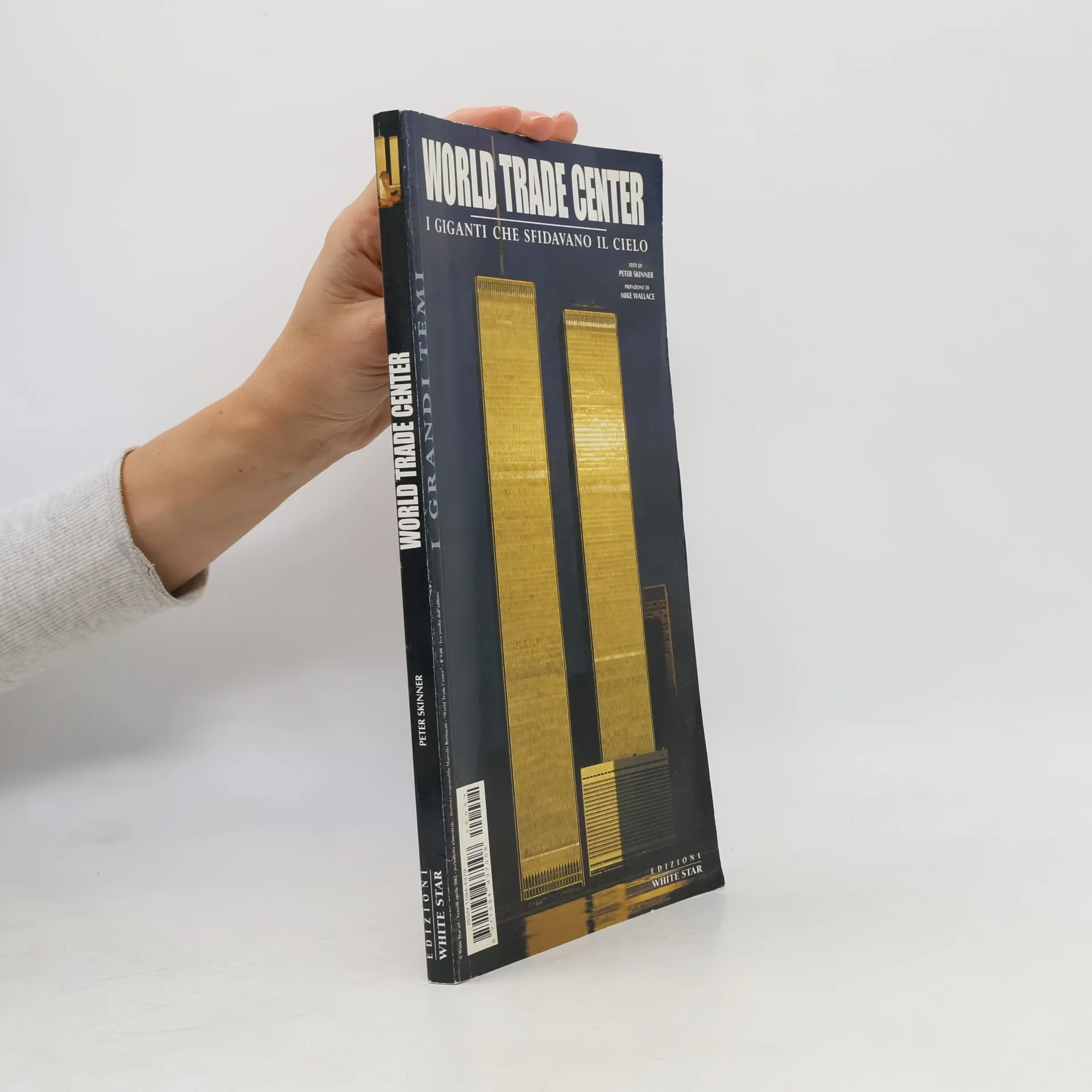
Mike WallaceVolgorde van de boeken (chronologisch)
Mike Wallace is een gevierd historicus wiens werk diep ingaat op het leven en de ontwikkeling van steden. Hij staat bekend om zijn scherpe kijk op stedelijke geschiedenis, met name die van New York City. Wallace onderzoekt hoe steden het leven van hun inwoners vormgeven en hoe op hun beurt inwoners hun steden hervormen in een constant, dynamisch proces. Zijn schrijven valt op door het vermogen om het verleden tot leven te brengen en de complexe sociale en politieke krachten achter de groei en transformatie van het stedelijke landschap te onthullen.
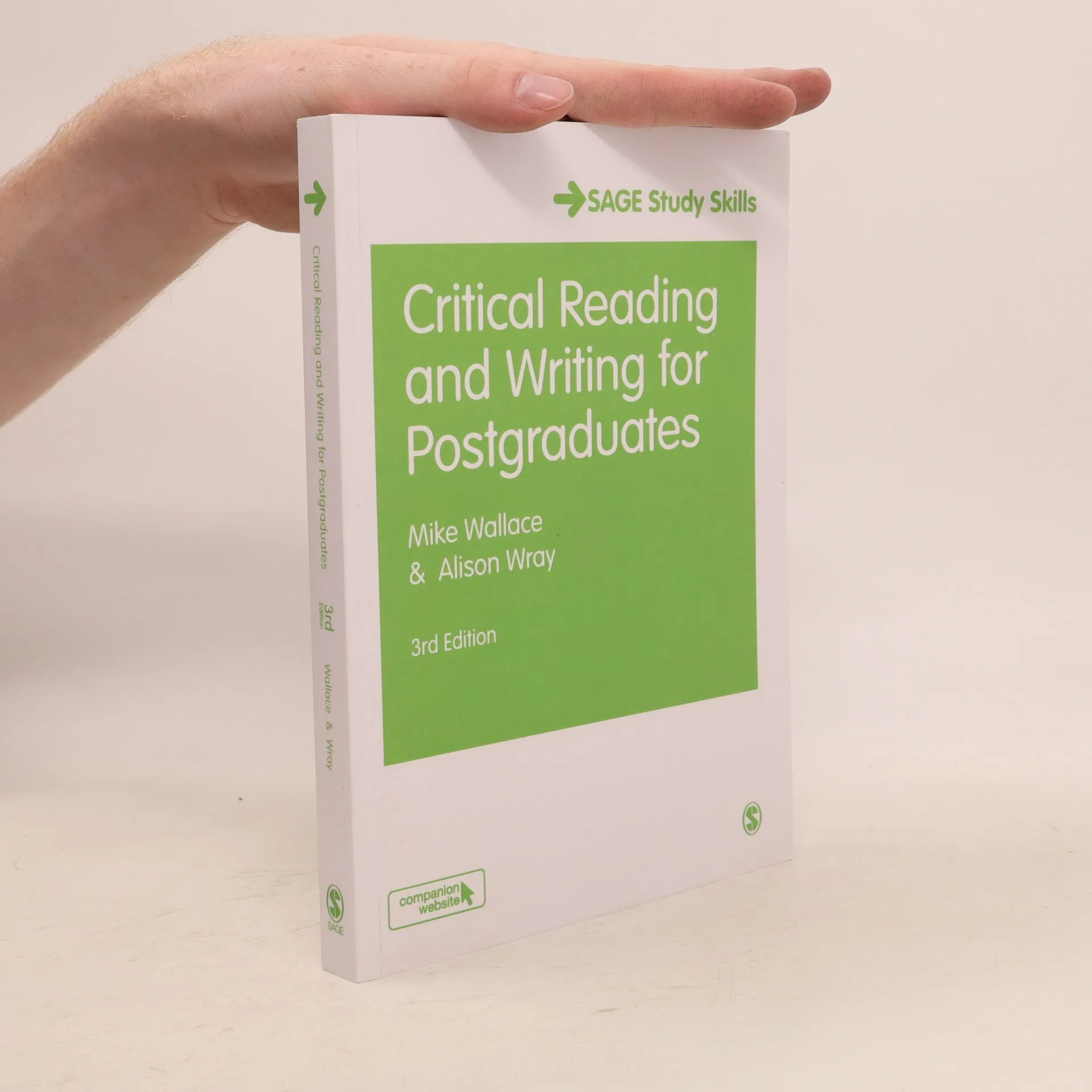
A major effect of dementia is its impact on communication. Alison Wray
explains why the changes occur and offers practical ideas for avoiding key
pitfalls. With attention also to the fraught question of well-intentioned
lying, this book offers a wealth of ways to improve conversations and
relationships when someone is living with a dementia.
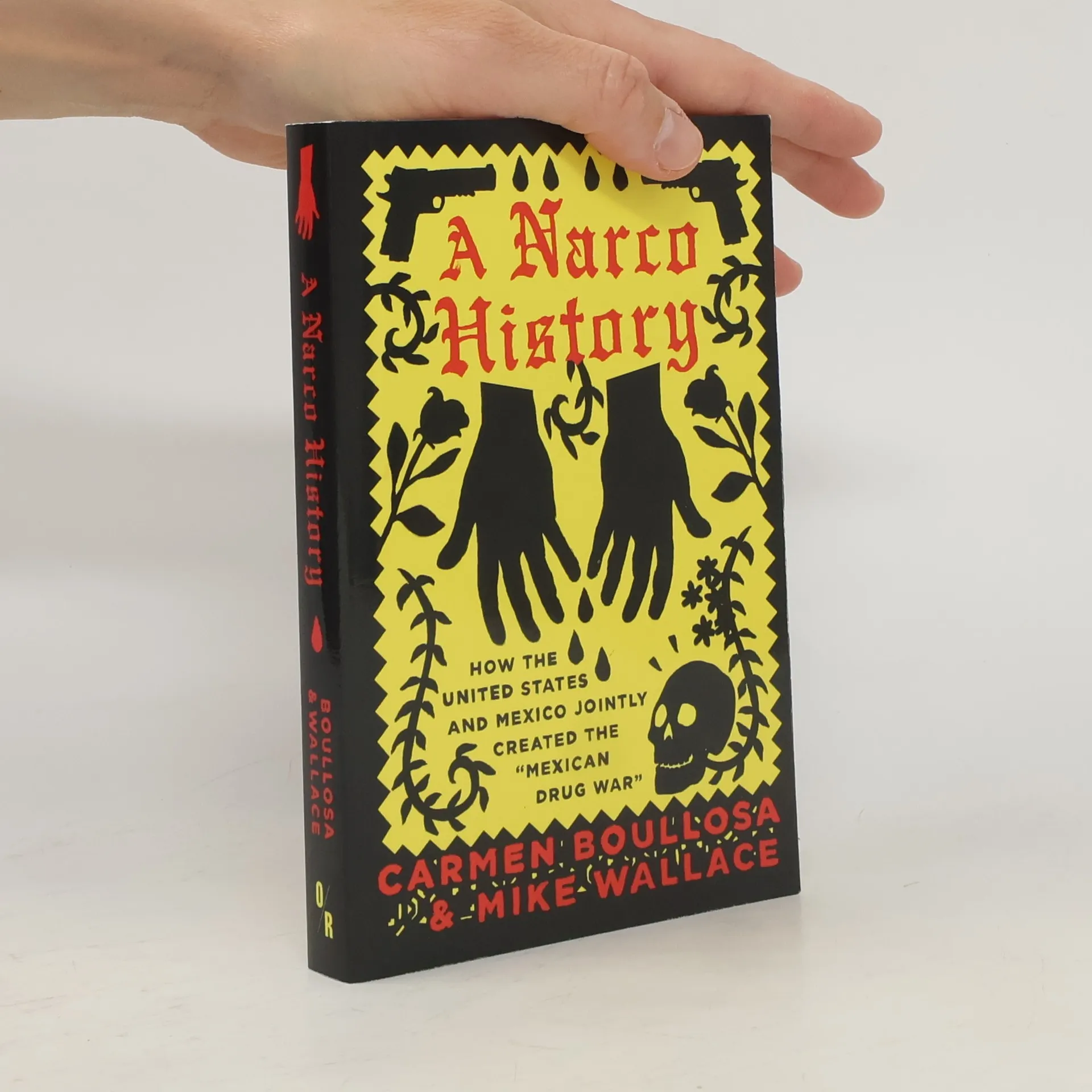
The term 'Mexican Drug War' implies that the ongoing bloodbath, which has now killed well over 100,000 people, is an internal Mexican affair. But this diverts attention from the U.S. role in creating and sustaining the carnage. It's not just that Americans buy drugs from, and sell weapons to, Mexico's murderous cartels. It's that ever since the U.S. prohibited the use and sale of drugs in the early 1900s, it has pressured Mexico into acting as its border enforcer-with increasingly deadly consequences. Mexico was not a helpless victim. Powerful forces within the country profited hugely from supplying Americans with what their government forbade them. But the policies that spawned the drug war have proved disastrous for both countries. Written by two award-winning authors, one American and the other Mexican, A Narco History reviews the interlocking twentieth-century histories that produced this twenty-first century calamity, and proposes how to end it.
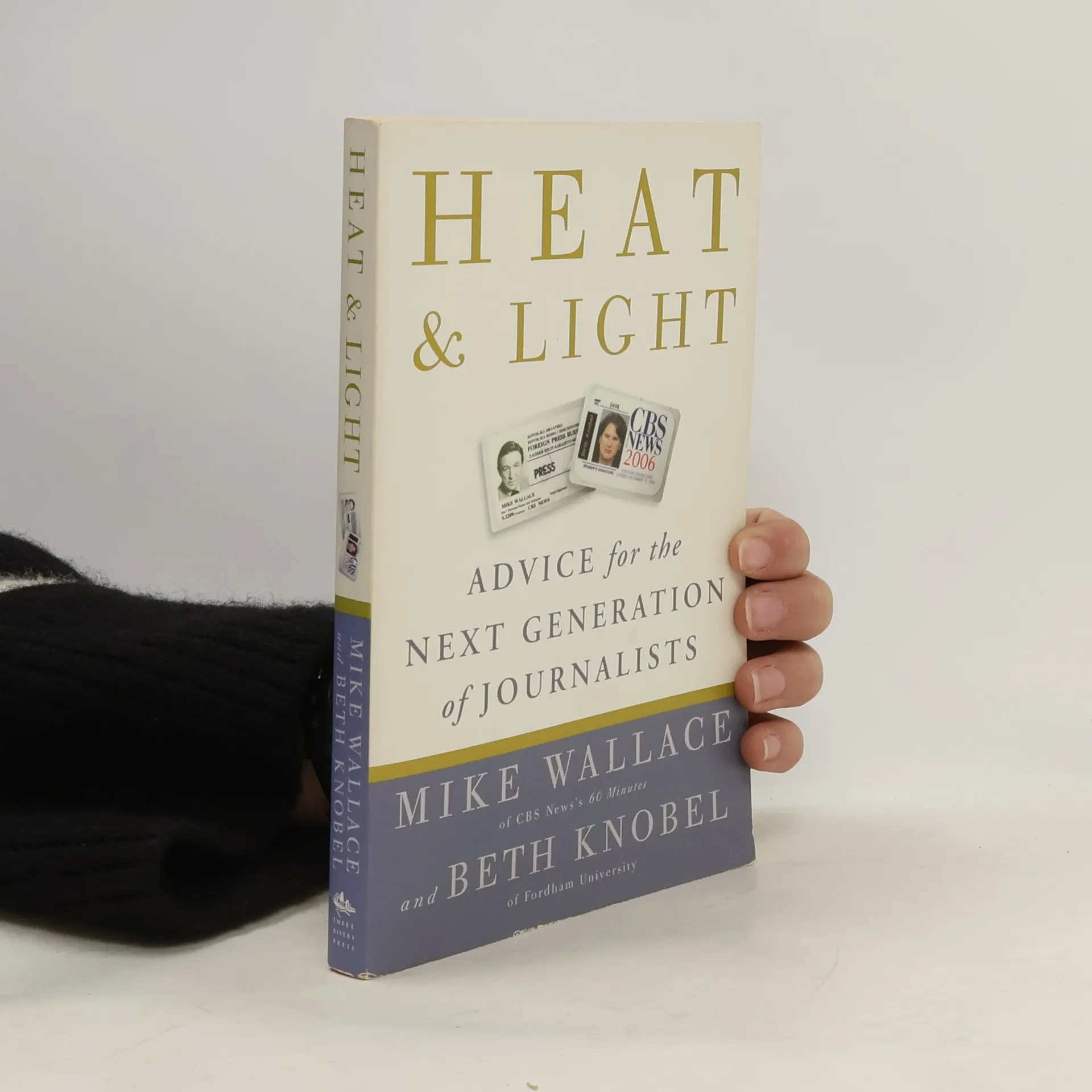
Drawing on decades of experience, a legendary journalist and a journalism professor collaborate to create a unique guide for aspiring journalists. Addressing common questions from beginners, the book provides essential advice on various critical topics, equipping the next generation with the tools needed to navigate the evolving landscape of journalism.
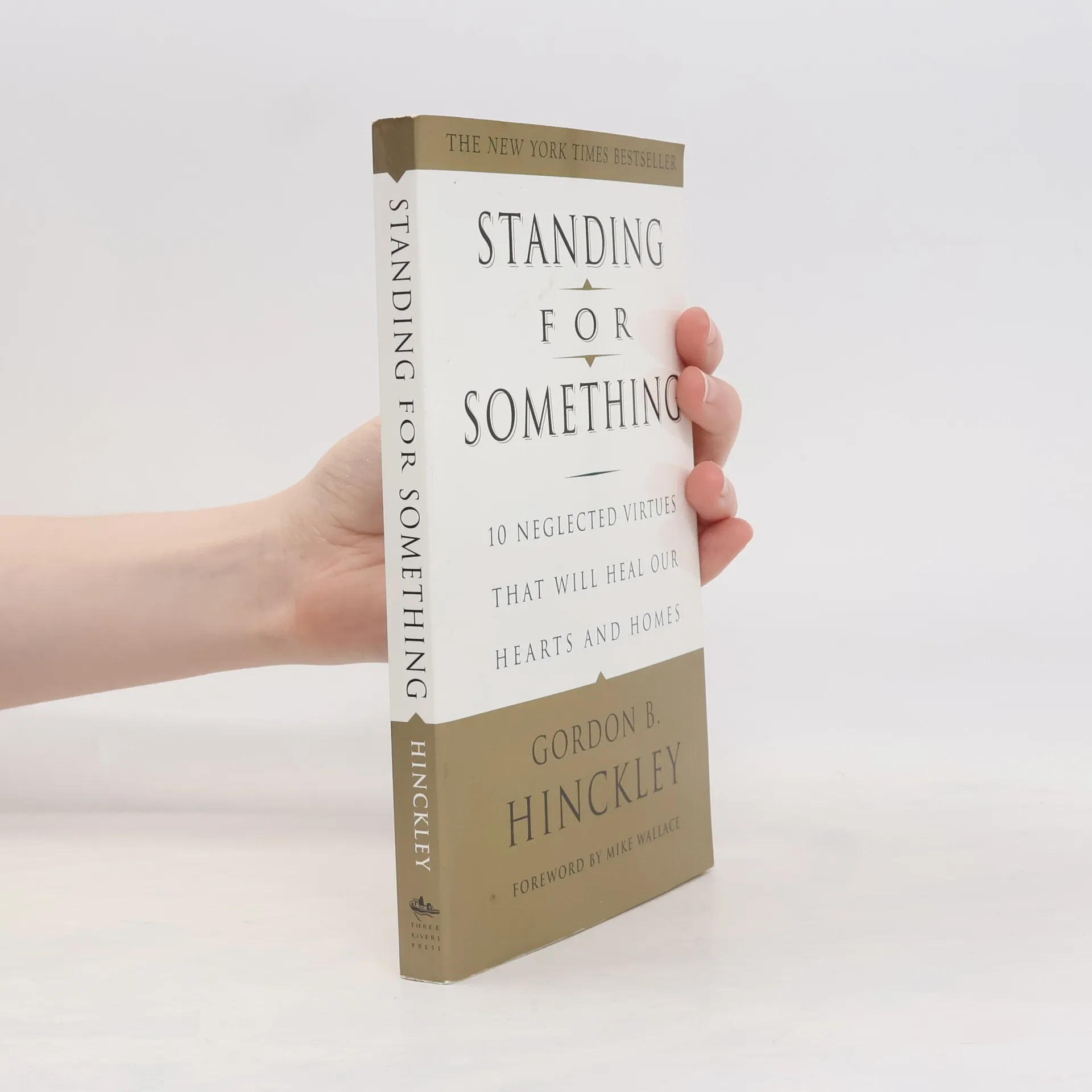
10 Neglected Virtues That Will Heal Our Hearts and Homes
256bladzijden
9 uur lezen
In this national bestseller, the president of The Church of Jesus Christ of Latter-day Saints, Gordon B. Hinckley, has created a classic look at the values that can change our world--and how to stand up for them. Drawing on anecdotes from his much-admired life of faith and service, as well as examples from American culture today, he examines ten virtues that have always illuminated the path to a better world: love, honesty, morality, civility, learning, forgiveness and mercy, thrift and industry, gratitude, optimism, and faith. He then shows how the two guardians of virtue--marriage and the family--can keep us on that path, even in difficult times. Standing for Something is an inspiring blueprint for what we all can do--as individuals, as a nation, and as a world community--to rediscover the values and virtues that have historically made us strong and that will lead us to a brighter future.
To European explorers, it was a paradise of lush grasses and towering trees, home to diverse wildlife. Today, it is the bustling site of Broadway, Wall Street, and iconic landmarks, inhabited by millions from around the world. Edwin G. Burrows and Mike Wallace present a monumental history that spans from the Indian tribes of Manna-hata to the consolidation of Greater New York in 1898. This epic narrative captures the tumultuous early years of New Amsterdam, the despotic rule of Peter Stuyvesant, and the struggles of Indian wars and slave revolts. It recounts the Revolutionary War, British occupation, and New York's role as the nation’s first capital, alongside pivotal events like the duel between Aaron Burr and Alexander Hamilton, the Erie Canal's construction, and the rise of the city as a financial hub. The book features a diverse cast, including Jacob Leisler, Joanna Bethune, and Walt Whitman, alongside influential figures like Boss Tweed and Emma Goldman. With its rich tapestry of events and personalities, this work transcends local history, offering a profound portrait of America’s heart and soul. It is a dazzling, fast-paced narrative that weaves countless stories into a compelling exploration of the greatest city on earth.